Black History Month exists to create space — for remembrance, interrogation and attention. It asks readers to engage not with a single narrative, but with a body of work shaped across centuries, geographies and genres. Too often, that engagement narrows rather than widens, circling the same texts and themes until Black history feels fixed instead of alive.
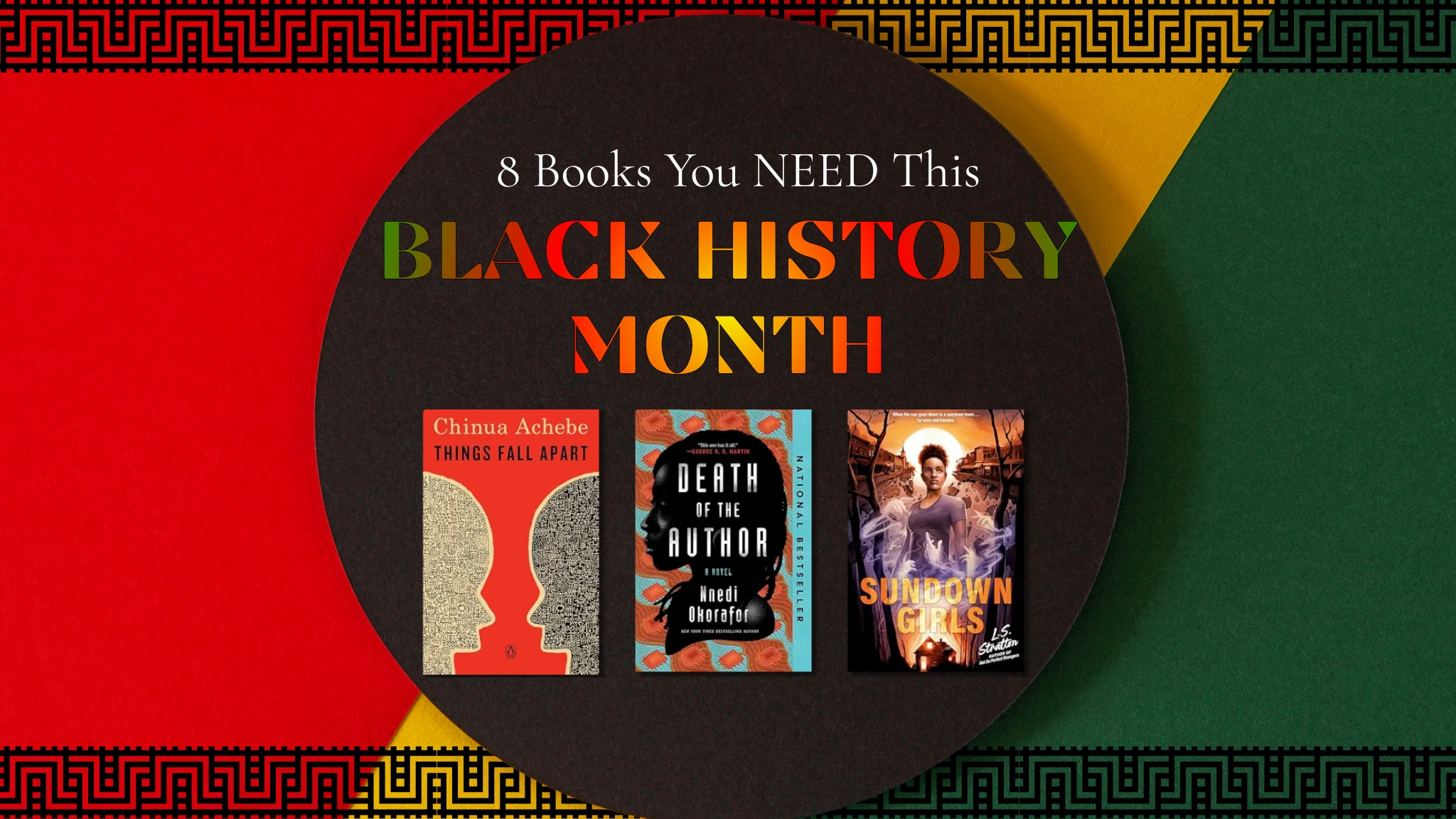
The books below push against that narrowing. They move between fiction and nonfiction, the intimate and the political, the historical and the speculative. Together, they reflect Black history as it is lived and recorded: complex, contested, imaginative and unfinished. Reading broadly during Black History Month is not about coverage or completion, but rather about understanding how power, memory, authorship and survival are shaped — and reshaped — over time.
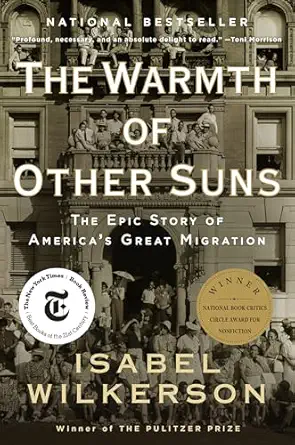
The Warmth of Other Suns by Isabel Wilkerson
Isabel Wilkerson approaches the Great Migration not as a demographic phenomenon, but as a series of lived decisions made under extraordinary pressure. Centering three individuals who leave the Jim Crow South, she reconstructs migration as an act shaped by fear, hope and limited choice rather than triumphal escape. Wilkerson’s prose is deliberately restrained, allowing archival research and personal testimony to carry the narrative without embellishment. That discipline is precisely what gives the book its force. By the end, the Great Migration emerges not as background context, but as a central engine of modern America — socially, politically and culturally.
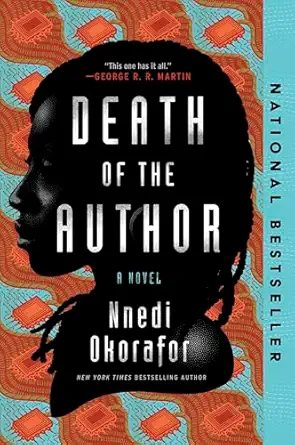
Death of the Author by Nnedi Okorafor
Death of the Author interrogates authorship at the point where control begins to fail. Zelu, a disabled Nigerian American writer, publishes a science fiction epic that takes on a life far beyond her intentions, raising questions about ownership, interpretation and the commodification of story. Okorafor layers speculative fiction, satire and emotional realism to examine how identity shapes reception — and how the marketplace reshapes meaning. The novel’s recursive structure enacts the very tensions it explores. What emerges is a rigorous meditation on creation under constraint, and the cost of resisting narratives others are eager to impose.
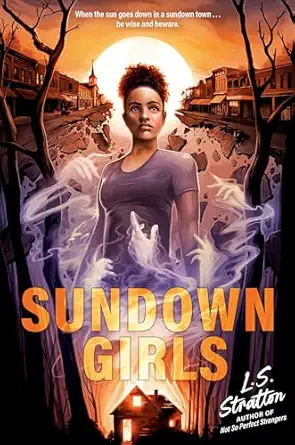
Sundown Girls by L.S. Stratton
Stratton’s novel treats history as an active presence rather than a closed chapter. When Naomi arrives in a Southern town with a legacy of sundown laws, the unease she feels structural. Using horror as a mode of historical inquiry, this novel exposes how violence that is unacknowledged persists, reshaping place and memory. Ghosts and disappearances are not narrative devices so much as consequences. Though often categorized as YA, Sundown Girls engages directly with racial terror, collective amnesia and accountability, refusing the comfort of resolution.
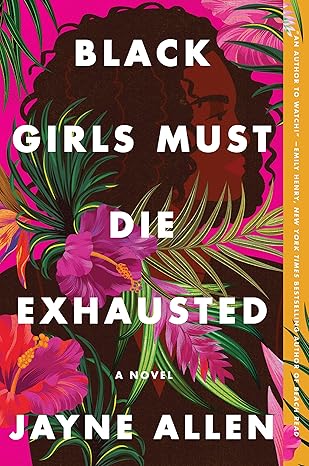
Black Girls Must Die Exhausted by Jayne Allen
Jayne Allen examines burnout not as personal failure, but as a systemic condition. Her novel centers around Black women whose competence and ambition are met with escalating demands rather than care. The book challenges the cultural fixation on resilience by tracing what it erodes — health, intimacy, self-definition — when rest is perpetually deferred. Allen’s strength lies in her refusal to romanticize endurance or rush toward redemption. Instead, she insists on clarity. The novel’s power comes from naming exhaustion as a rational response to untenable expectations, and from treating that recognition as the beginning of change rather than its conclusion.
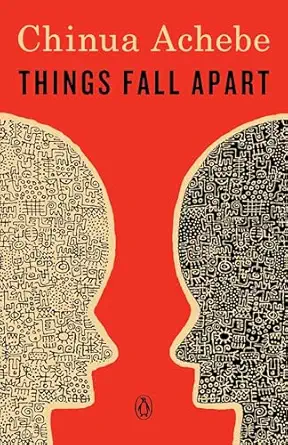
Things Fall Apart by Chinua Achebe
Achebe’s novel remains foundational because it reoriented the literary gaze. By telling the story of Okonkwo and his Igbo community on their own terms, Achebe dismantled colonial narratives that framed African societies as ahistorical or primitive. The novel does not portray collapse as destiny, but as the result of cultural collision, misrecognition and imposed authority. Achebe’s prose is measured and exacting, offering no explanatory scaffolding for the reader. Understanding is not negotiated … it is required. In doing so, the novel asserts Black history as complex, self-contained and resistant to simplification.
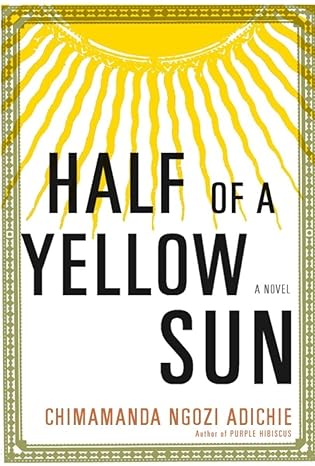
Half of a Yellow Sun by Chimamanda Ngozi Adichie
Set against the backdrop of the Biafran War, Half of a Yellow Sun traces how political upheaval reshapes private life. Adichie interweaves intellectual debate, romantic entanglement and domestic routine to show how war infiltrates every register of experience. Her refusal of moral absolutes allows complicity, idealism and survival to coexist uneasily within the same characters. The novel’s scale is expansive, but its emotional force comes from its attention to the ordinary moments that persist amid catastrophe.
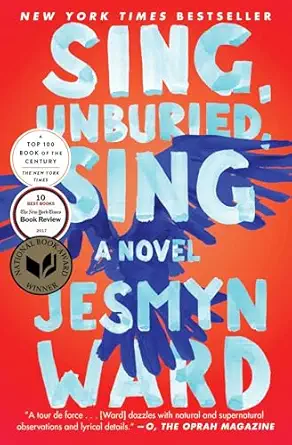
Sing, Unburied, Sing by Jesmyn Ward
Ward’s novel operates in the space where memory refuses erasure. Following a Mississippi family burdened by generational grief, the narrative dissolves the boundary between the living and the dead, treating ghosts as witnesses rather than metaphors. The supernatural elements do not disrupt realism; they complete it. Ward writes with controlled lyricism, allowing trauma, love and inheritance to surface gradually. Sing, Unburied, Sing insists that what is unspoken remains active, shaping identity and relationship long after the original violence has passed.
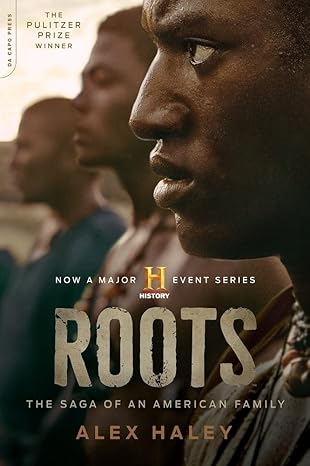
Roots by Alex Haley
Roots transformed genealogy into a narrative of reclamation. By tracing his ancestry from West Africa through enslavement and into contemporary America, Haley foregrounded lineage as a site of continuity rather than rupture. While scholarly debates about methodology persist, the book’s cultural impact is indisputable. Roots altered how Black history was discussed in public discourse, emphasizing names, stories, and survival as forms of historical evidence. Its legacy lies not only in what it records, but in how it encouraged readers to see ancestry as a source of knowledge and agency.