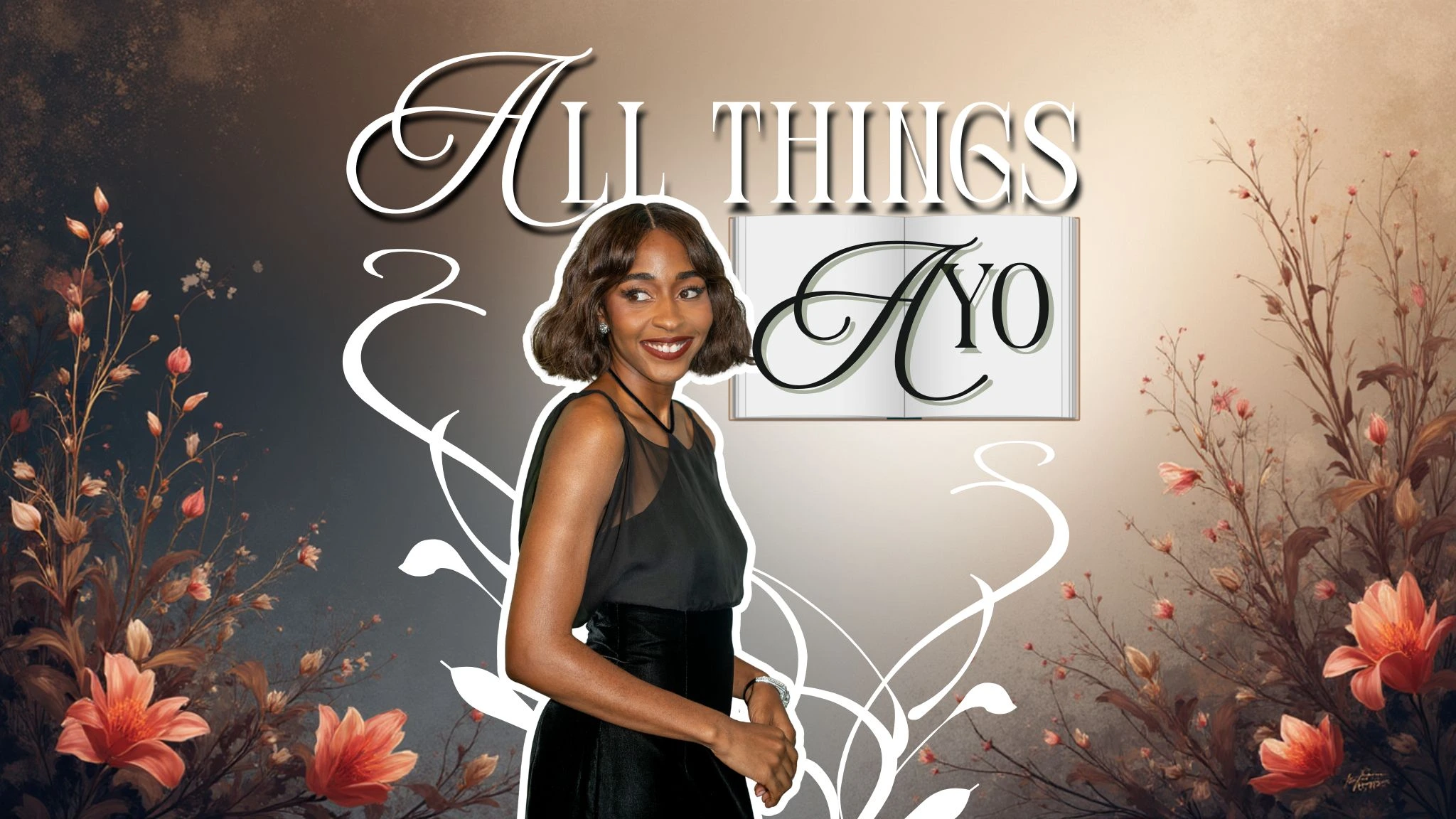
We can all agree Ayo Edebiri has range. She can make you sob over a perfectly plated omelet inThe Bear, spiral through queer chaos inBottoms and psychoanalyze your emotions (literally) inInside Out 2. Whether she’s wielding sarcasm or quietly dismantling your heart, every role she takes lives in that sweet spot between comedy and existential crisis.
So, what better way to celebrate her filmography than by pairing each performance with the perfect book? From cults and classrooms to chaotic kitchens and complicated sisters, these reads mirror the humor, humanity and heartbreak that make Edebiri’s characters unforgettable.
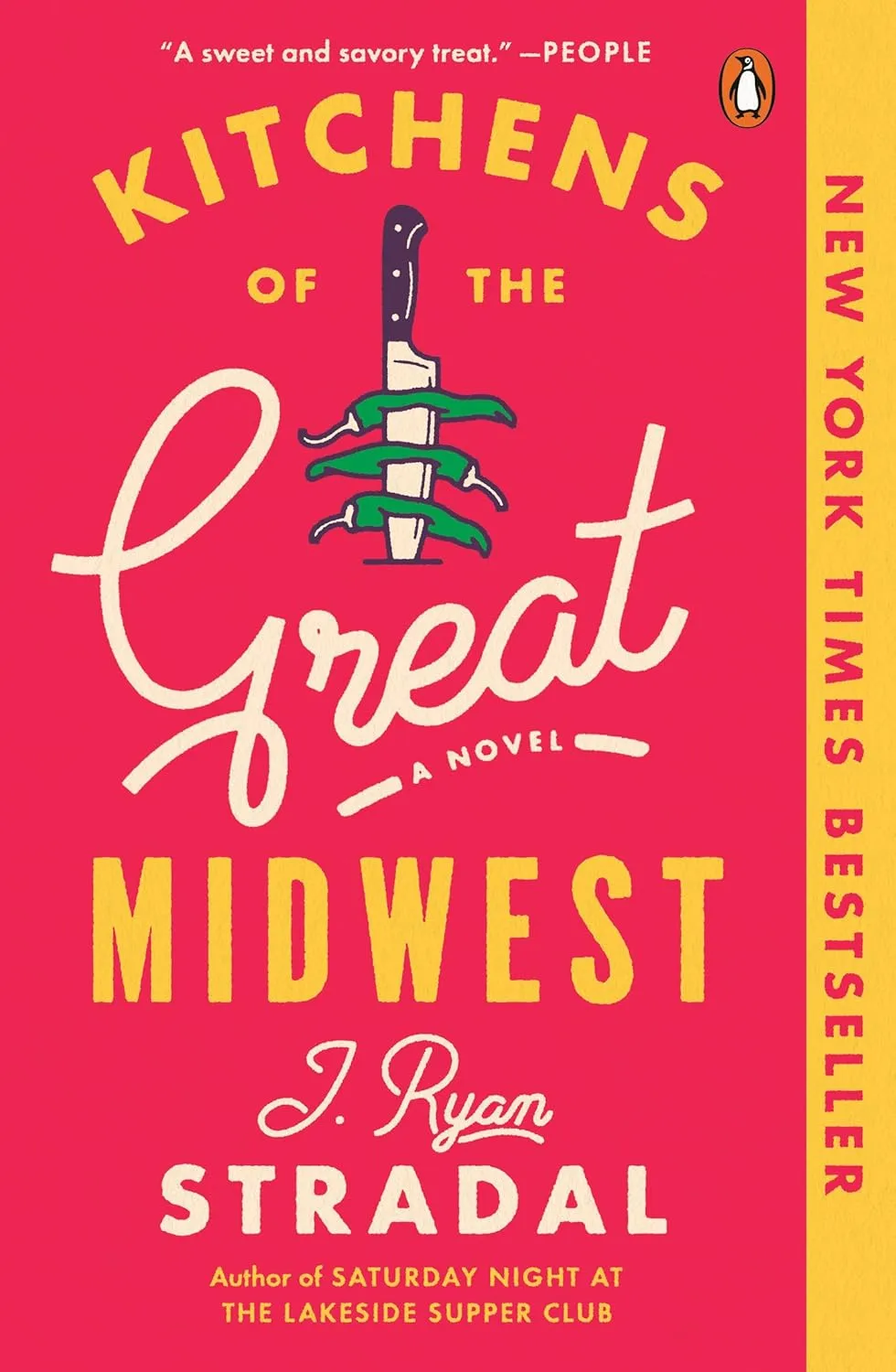
Kitchens of the Great Midwest by J. Ryan Stradal
Same heat, fewer breakdowns — just Midwestern stoicism served à la carte.
Like The Bear, J. Ryan Stradal’s Kitchens of the Great Midwest understands that food isn’t just fuel. Food is memory, identity and their language of love. Both Sydney (played by Ayo Edebiri) and Eva Thorvald, are driven by an almost sacred devotion to craft: they build meaning through flavors, chase perfection in the kitchen and navigate the emotional toll that comes with ambition.

Seduction Theory by Emily Adrian
Syllabi, scandals and self-delusion — welcome to higher yearning.
In Seduction Theory, the ivory tower is less about higher learning and more about lower impulses. Professors cheat, students scheme and everyone insists it’s all “for the sake of art.” Like After the Hunt, Adrian’s novel dives headfirst into academic scandal that is full of messy mentorships, blurred boundaries and weaponized intellect. It’s witty, vicious and just self-aware enough to make you wonder if that creative writing syllabus is really a cry for help.

Imogen, Obviously by Becky Albertalli
It’s not denial, it’s character development.
Both Bottoms and Imogen, Obviously thrive on that perfect mix of queer chaos and accidental self-realization. In Becky Albertalli’s rom-com, Imogen goes from “World’s Greatest Ally” to “Wait… am I?” in a spiral that would fit right in with the mayhem of Bottoms. Like Ayo Edebiri’s character, the story is messy, funny and full of moments where sincerity and absurdity collide. It’s a reminder that identity isn’t a straight line, but it’s a series of hilarious detours, awkward flirtations and one very confusing crush.
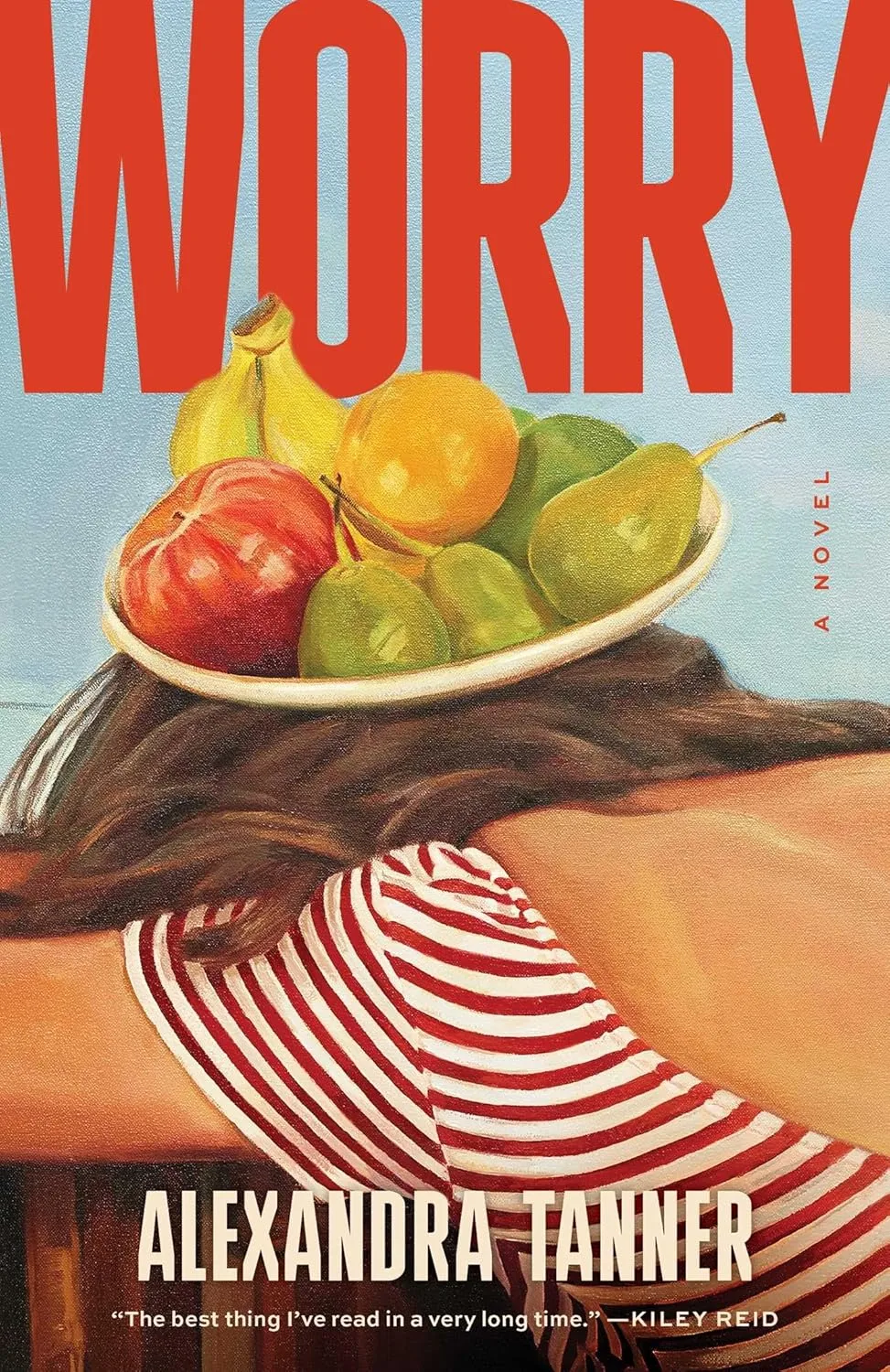
Worry by Alexandra Tanner
Emotional labor? Extra credit.
Like Janine and Ayesha in Abbott Elementary, the sisters in Worry love each other fiercely but mostly from opposite emotional zip codes. Tanner nails that messy mix of care, competition and codependence, where affection sounds a lot like annoyance. Both stories turn sisterhood into a balancing act between closeness and collapse and somehow manage to make it funny.

Chaos Theory by Nic Stone
Teen angst, bad choices and oversharing: the holy trinity of growth.
Two teens. One panic disorder. One drinking problem. Zero chill. Chaos Theory is Big Mouth without the hormone monsters — just real kids spiraling, coping and oversharing their feelings in spectacular fashion. Like Missy, they’re awkward, overthinking everything, and somehow still lovable.
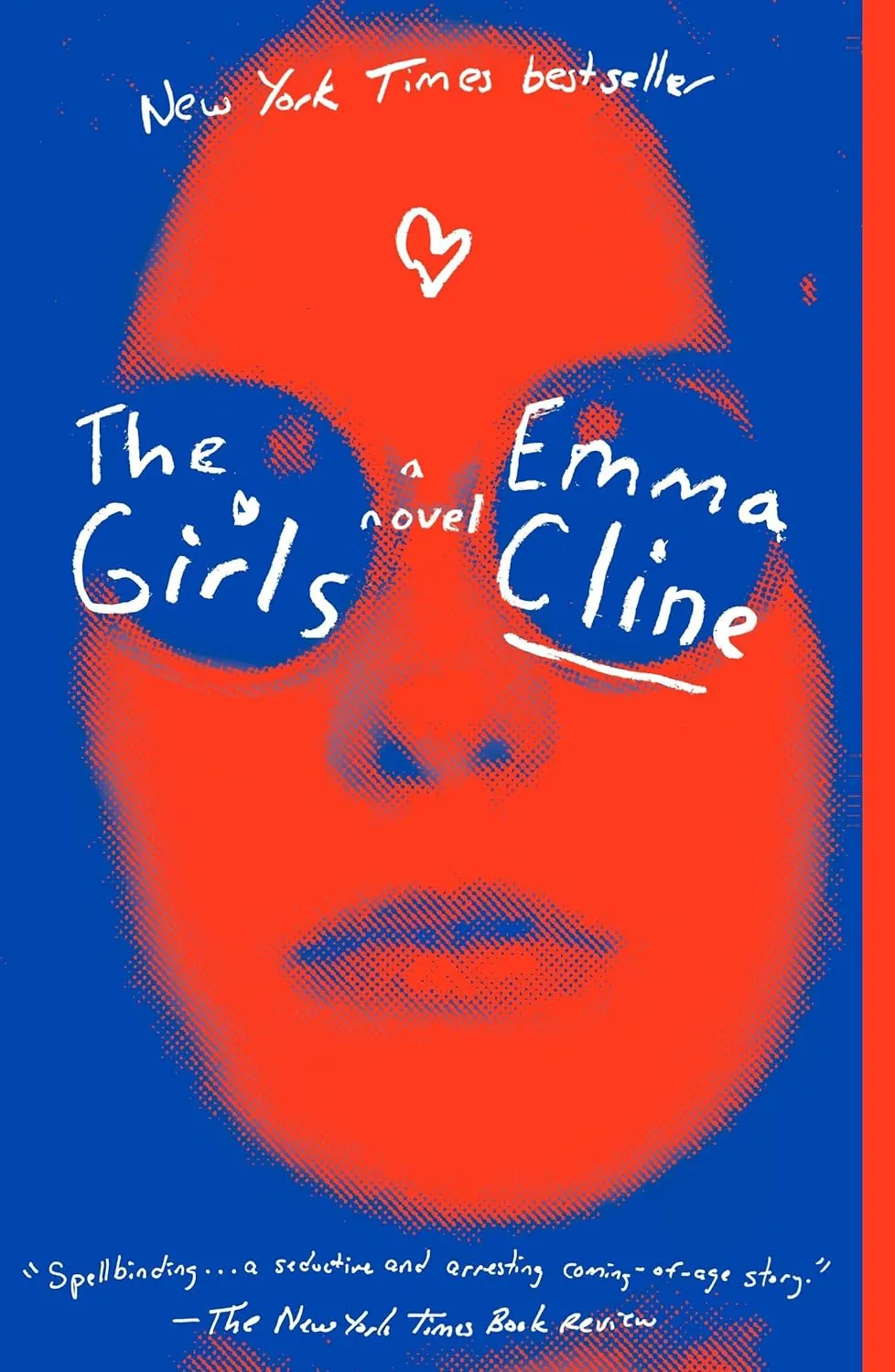
The Girls by Emma Cline
Charisma is just manipulation with better lighting.
Both Opus and The Girls unravel the psychology of devotion: what happens when admiration curdles into surrender. In Cline’s haunting debut, a lonely teenager falls under the spell of a California cult, led by a man whose charm masks rot. In Opus, Ayo Edebiri’s character is drawn into a different kind of worship: the cult of celebrity, creativity and control. Both stories ask the same unnerving question: how far will you go to feel seen? It’s hypnotic, atmospheric and quietly terrifying, proof that devotion can be just another word for danger.
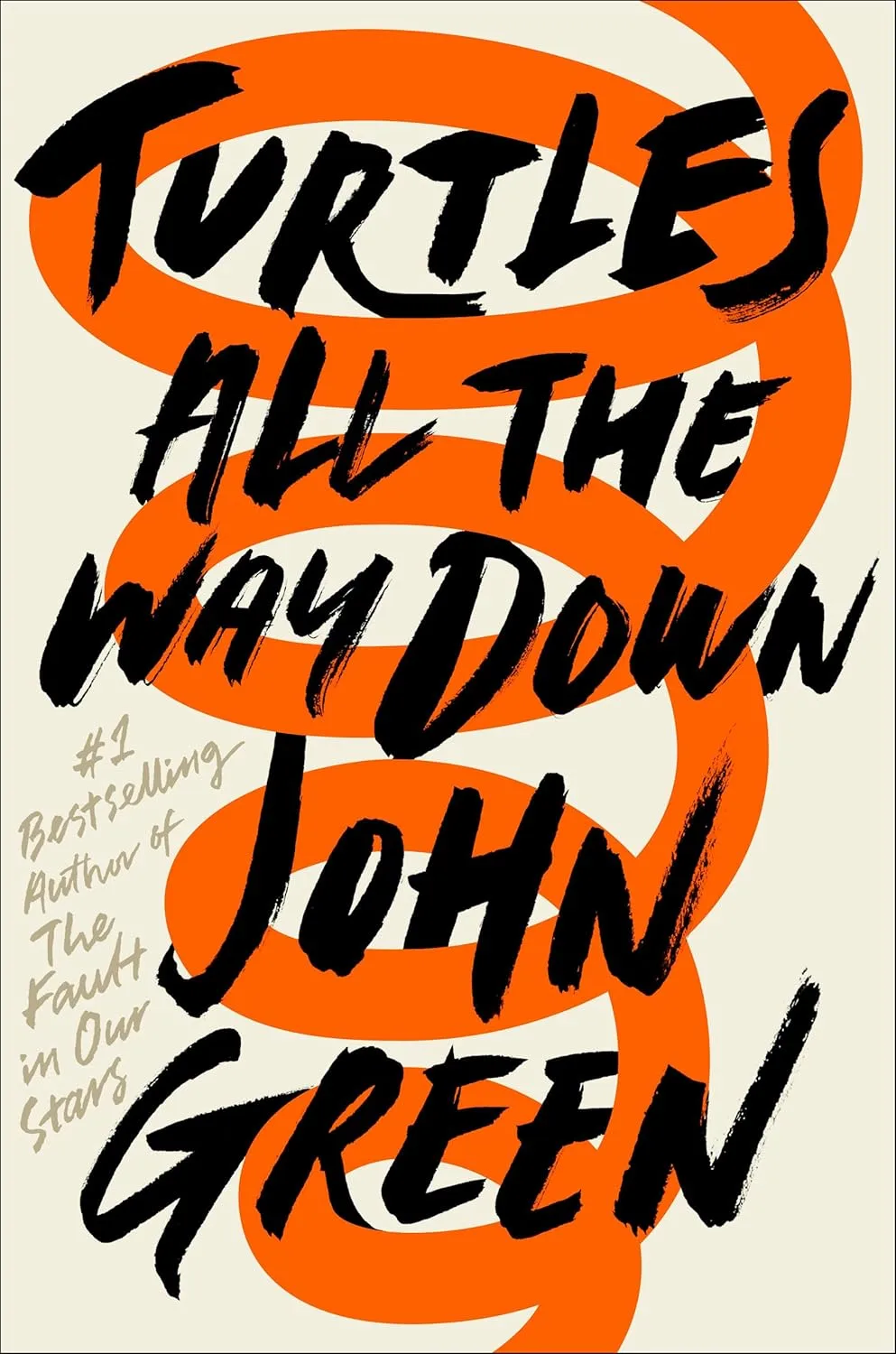
Turtles All the Way Down by John Green
For anyone who’s ever argued with their own brain and lost.
Both Inside Out 2 and Turtles All the Way Down get uncomfortably real about what it’s like to live with your thoughts turned up to full volume. Aza Holmes and Riley’s new emotion crew are proof that feelings don’t always cooperate, and self-awareness can be its own worst enemy. Green’s novel captures the same mix of humor, heart and quiet panic that defines Ayo Edebiri’s Envy: sharp, honest and a little too relatable.

On Earth We’re Briefly Gorgeous by Ocean Vuong
Because repression looks prettier when it rhymes.
Like Dickinson, Vuong’s novel turns language into survival. Told as a letter from a son to a mother who can’t read, it’s about love, legacy and the parts of ourselves that only art can translate. Both works are raw, intimate portraits of artists trying to make sense of beauty and pain — Ayo Edebiri’s Hattie and Vuong’s Little Dog share that same defiant tenderness.
Image of Ayo Edebiri by Bryan Berlin – Own work, CC BY-SA 4.0