America’s 250th celebrates the anniversary of the Declaration of Independence, but this national milestone represents much more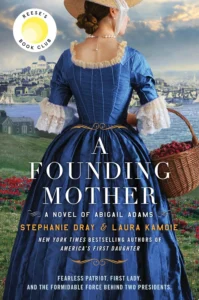 than that. In writing our new novel, A Founding Mother, we were always aware that the Founders set about to create “a more perfect union.” They knew that the nation would be an ongoing work-in-progress ever striving towards improvement. So this anniversary is also a chance to reflect on the country’s founding principles of liberty, equality, inalienable rights and governance by consent of the people while also considering the nation’s progress, its diverse heritage and its future aspirations. In short, this anniversary invites us to ask what it truly means to be an American. And the best way to search for the answer is to read broadly from books that look at the founding era. Here are some to consider:
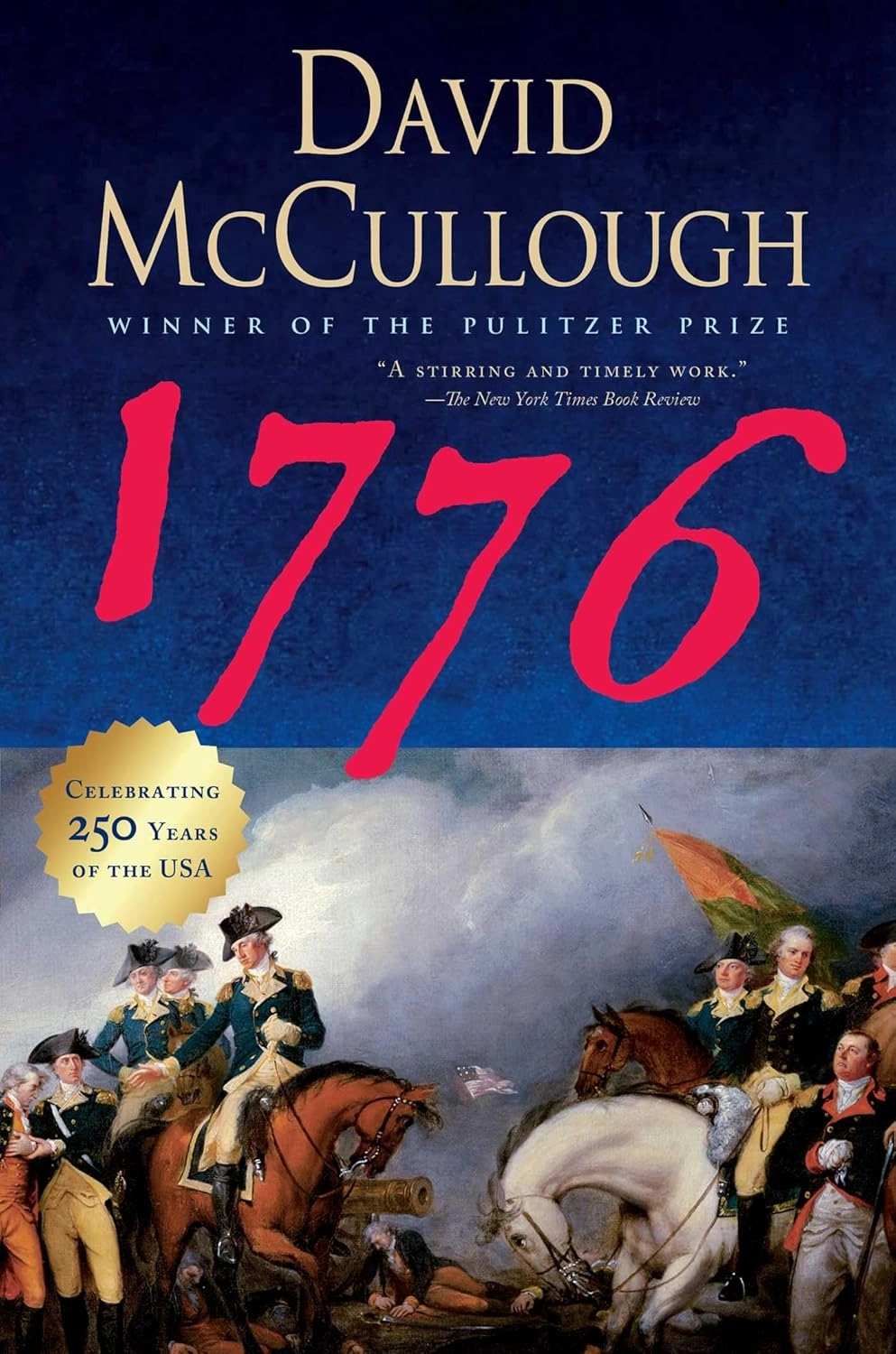
1776 by David McCullough
No A250 list would be complete without this landmark non-fiction history. McCullough is a great historian, and he’s also a great writer, bringing so much dramatic tension to his story of the revolution that you’ll find yourself wondering whether George Washington can possibly get out of the mess in which he finds himself. Don’t miss McCullough’s companion piece, John Adams, either.
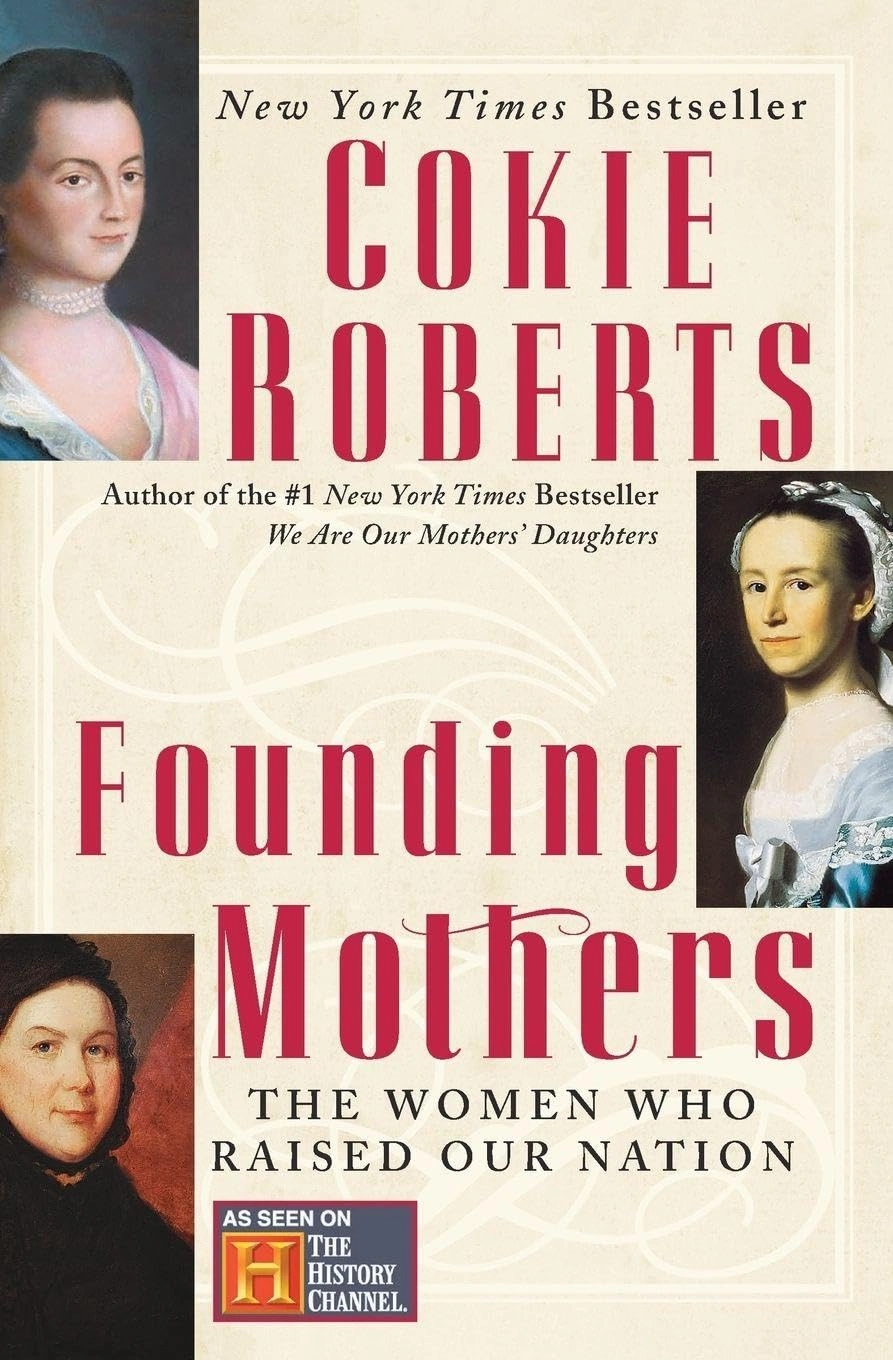
Founding Mothers: The Women Who Raised Our Nation by Cokie Roberts
In any discussion about the founding era, it’s vitally important to “Remember the ladies” as Abigail Adams once famously asked her husband John to do in March of 1776. And one of the best overviews of the women who stood behind, beside and sometimes in front of the Founding Fathers, was written by the late, great Cokie Roberts. This non-fiction history touches on the lives of extraordinary women like Abigail Adams, Mercy Otis Warren, Eliza Pinckney, Mary Bartlett and Martha Washington. Enjoyable, educational and entertaining!
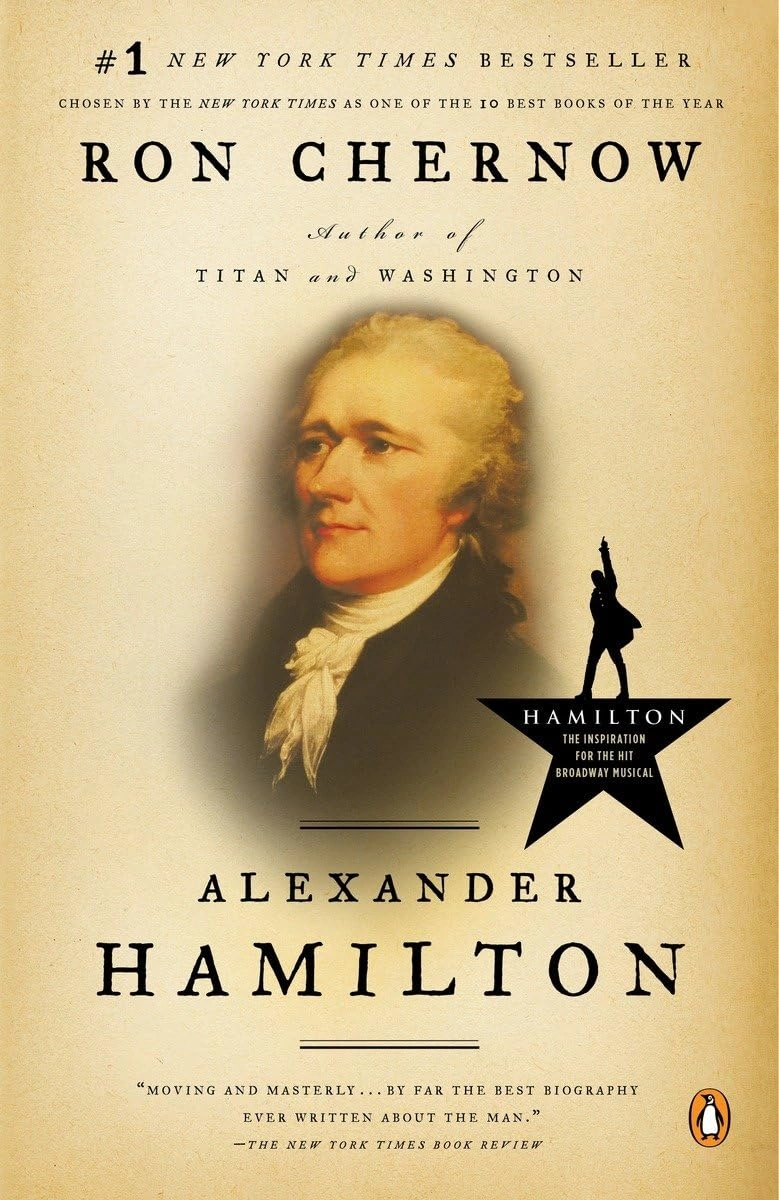
Alexander Hamilton by Ron Chernow
This seminal work about our “ten dollar founding father” was so influential that Lin Manuel Miranda based his whole musical around it. And what a civic service both the book and the musical have done for the country! Chernow’s work is exhaustive and emotionally compelling. Don’t blame us if you find yourself humming, “I can never be satisfied” long after you’ve closed the cover.
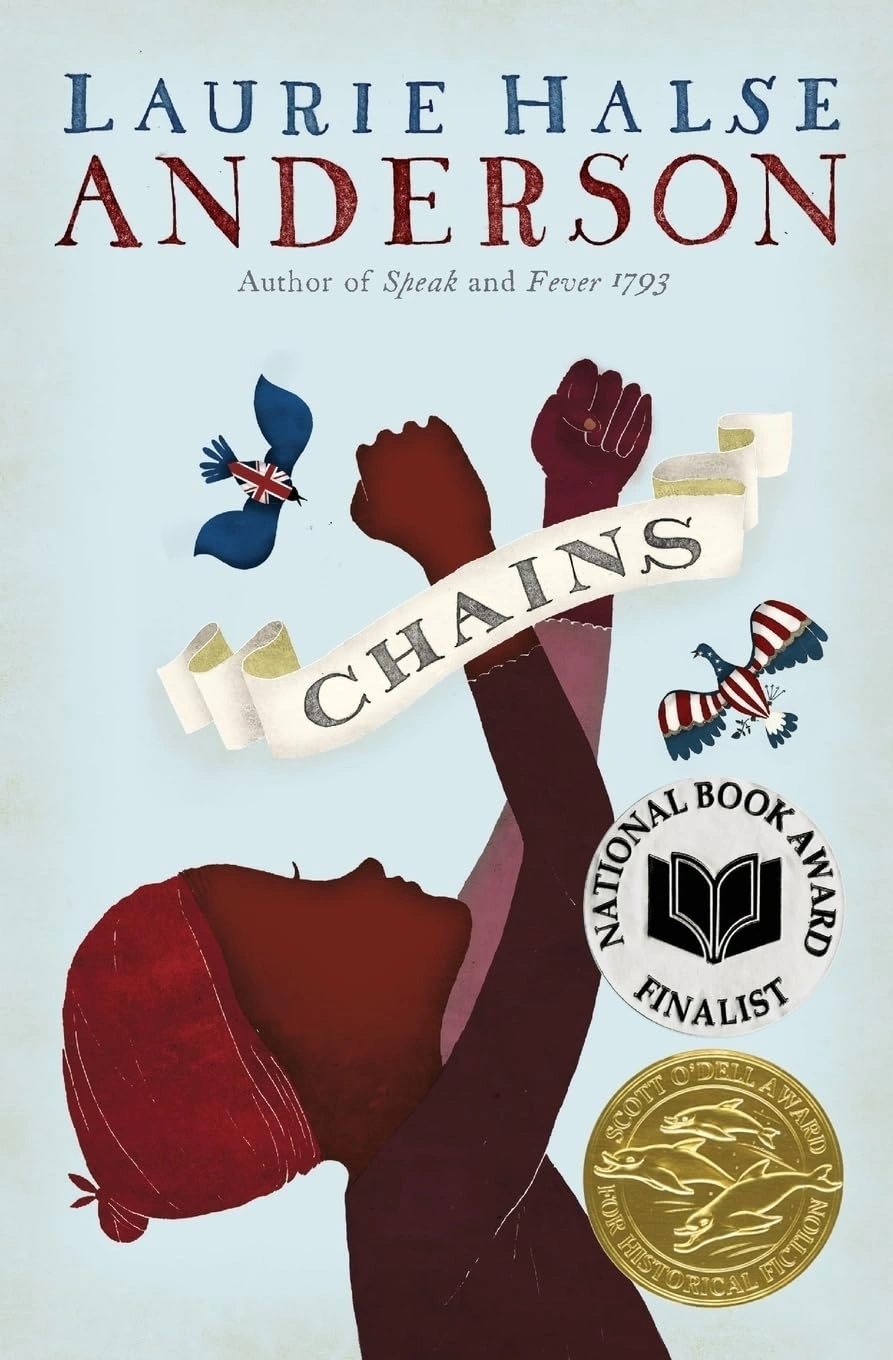
Chains by Laurie Halse Anderson
One of the best children’s books about the revolution is told from the perspective of Black Americans who yearned for the ideals of equality to be extended to them. The first of a trilogy, it grapples honestly with the promise and tragedy of the founding era.
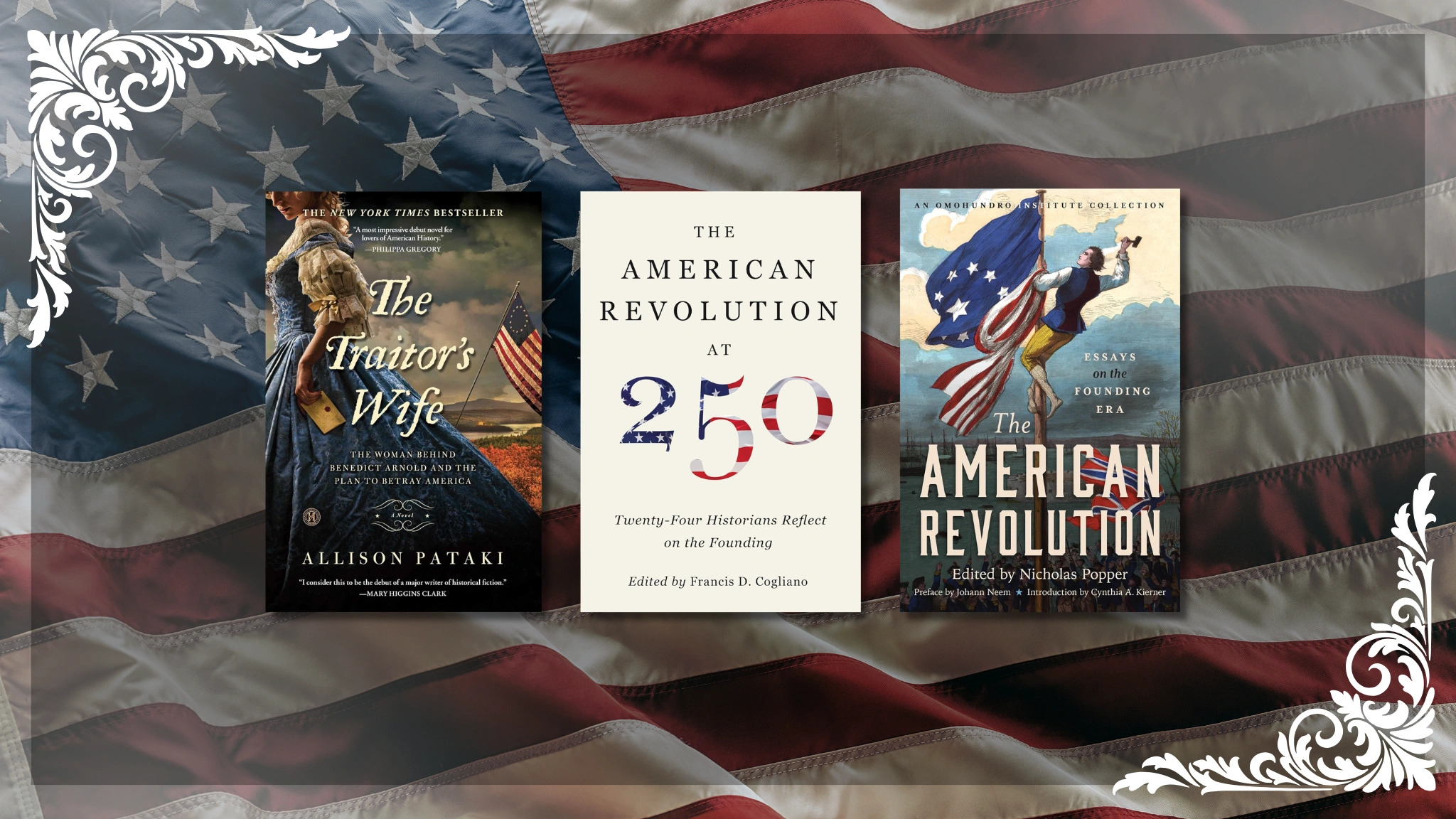
The American Revolution at 250: 24 Historians Reflect on the Founding by Francis Cogliano and Brendan McConville, eds.
Sometimes agreeing and sometimes vehemently opposed, this collection brings together two dozen of the most prominent historians of the revolutionary era to reflect on the meaning of the revolution, the founding ideals, where we’ve come from and where we’re headed.
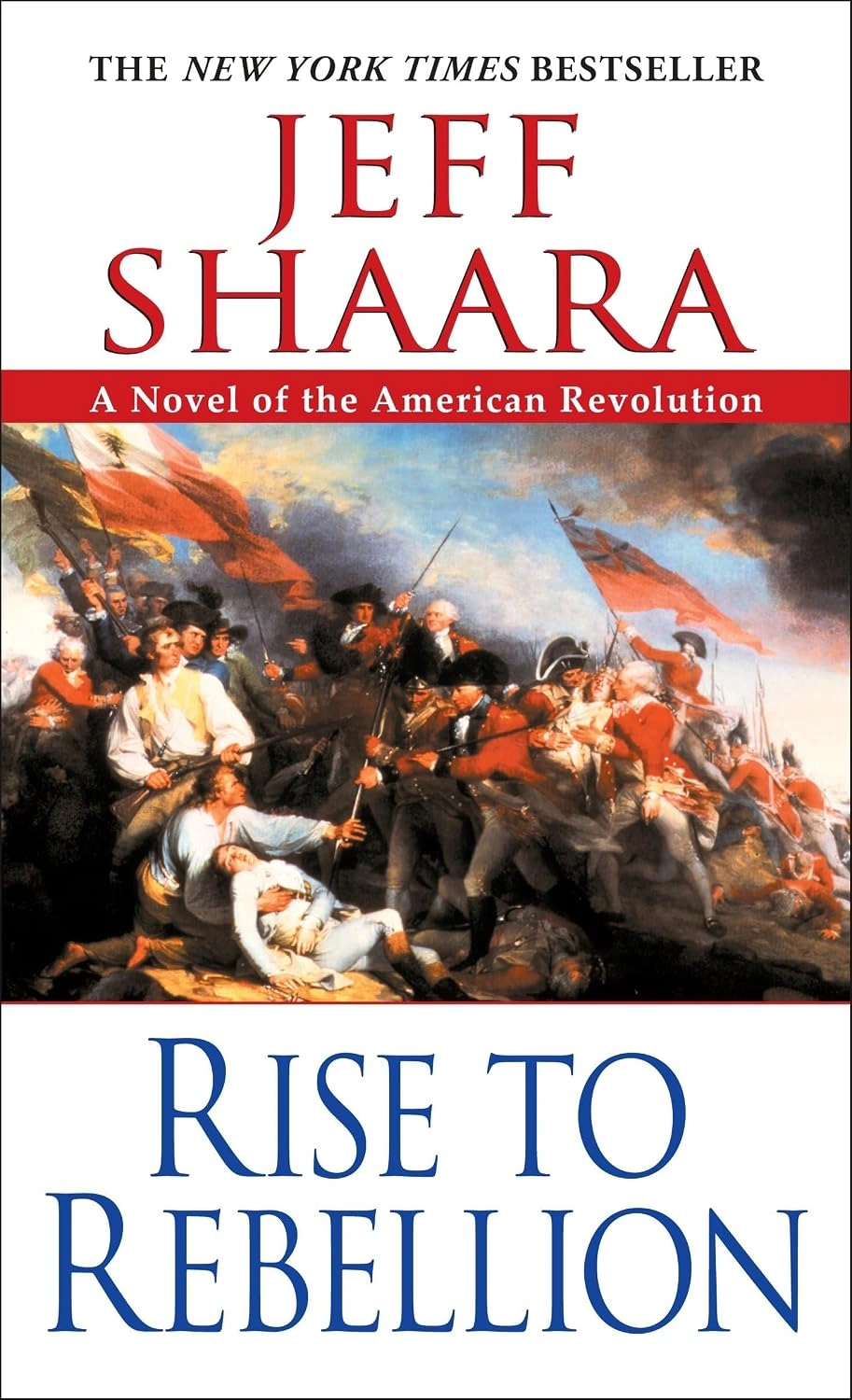
Rise to Rebellion by Jeff Shaara
This gripping classic brings the revolution to life in narrative form, offering fascinating perspectives and enlightening insights into the psyches of characters like Ben Franklin, and even British General Gage.
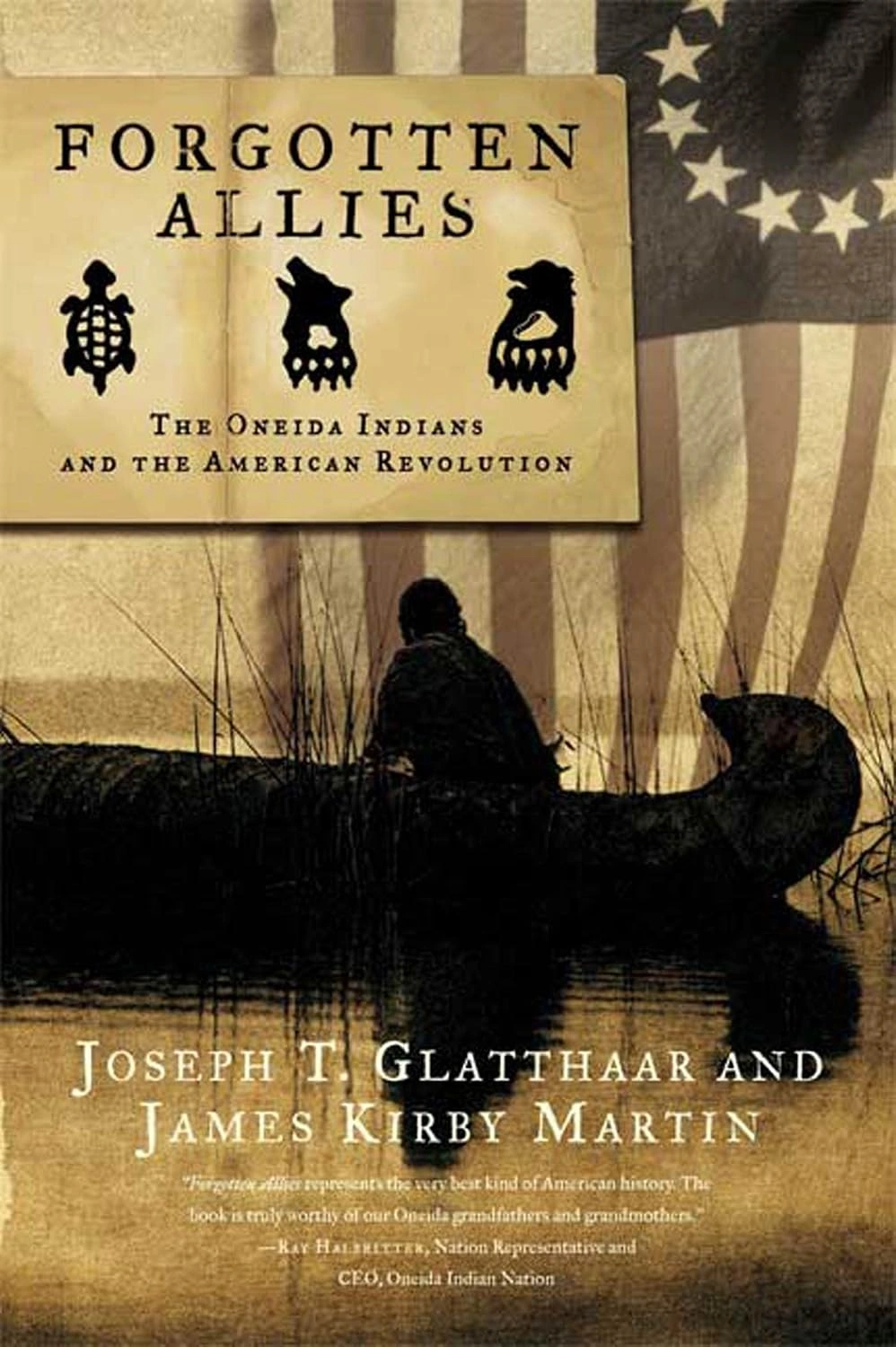
Forgotten Allies: The Oneida Indians and the American Revolution by Joseph T. Glatthaar
One of the casualties of the American Revolution was the Haudenosaunee Confederacy (also known as the Iroquois League). The break — and civil war — occurred because the Oneida and the Tuscarora allied with the patriots while the other four nations allied with the British. And this fascinating book illustrates how the decisions of these native people were to have grave impacts on the future of the nation, with debts still remaining unpaid.
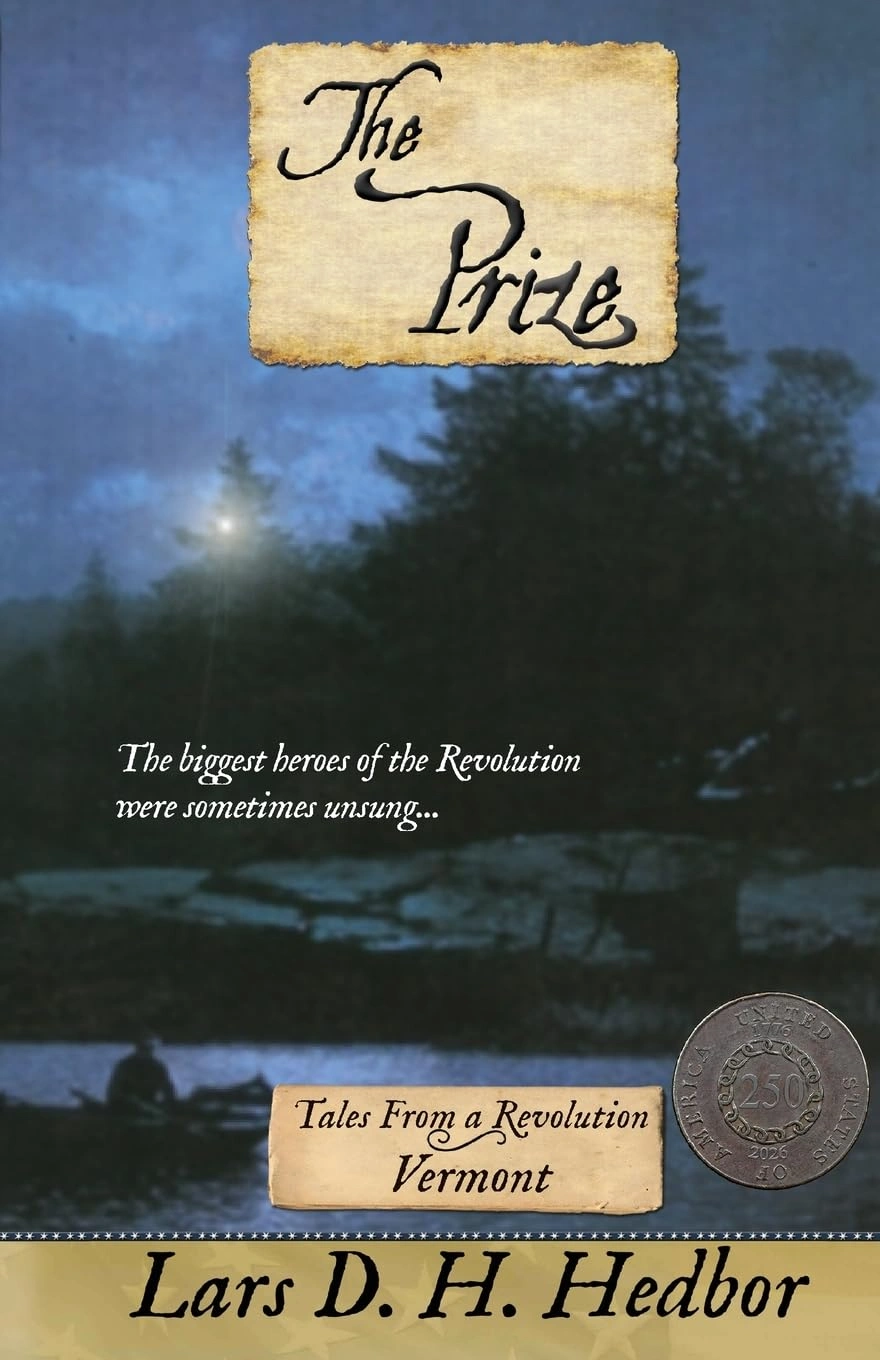
The Prize by Lars D. Hedbor
This is the first of a nineteen book series of novels on the American revolution, each one set in a different colony or territory. Hedbor’s project is remarkably ambitious and offers a panoramic view of the emerging nation.
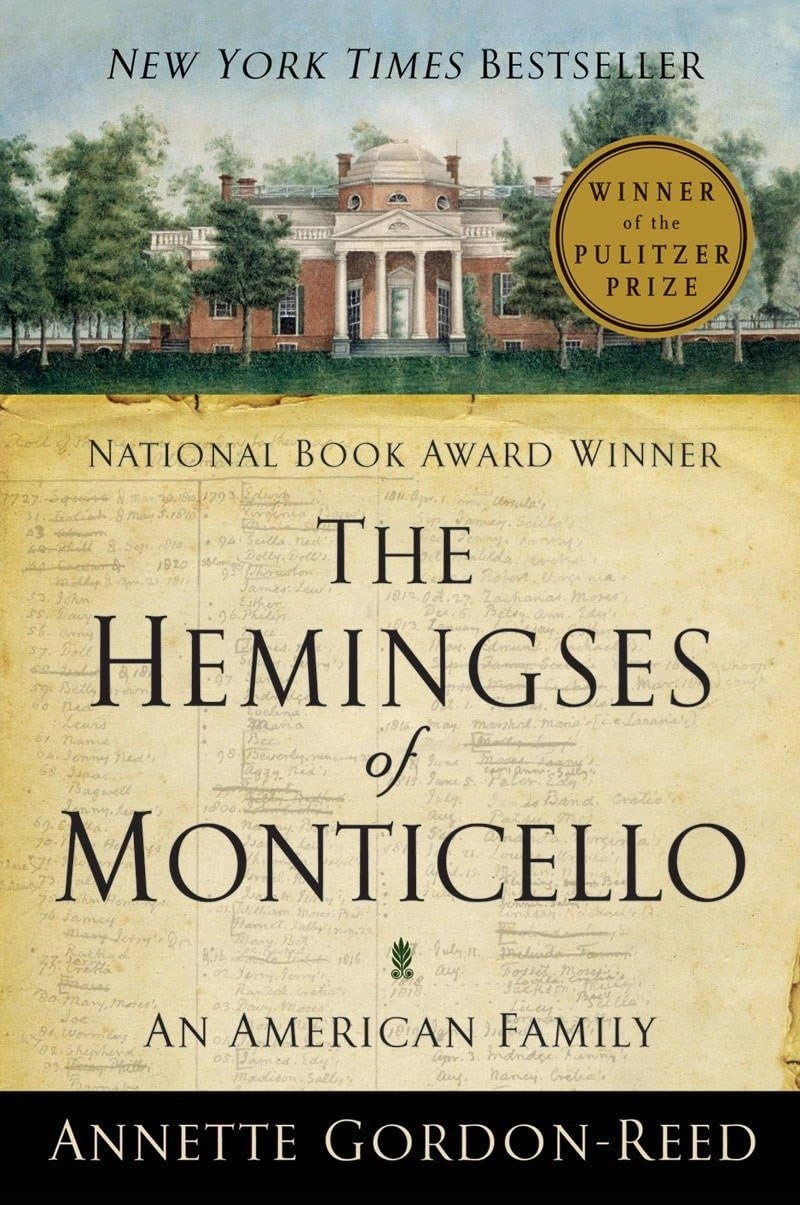
The Hemingses of Monticello by Annette Gordon-Reed
This unparalleled work of scholarship explores the triumphs and tragedies of one enslaved family atop Thomas Jefferson’s mountain. The Hemingses were blood relations to Jefferson’s wife, and their lives cannot be thought to be typical of enslaved Americans. But the relationships they forged, the decisions they made and the fates that befell them are illustrative of the deepest contradictions in the American experiment.
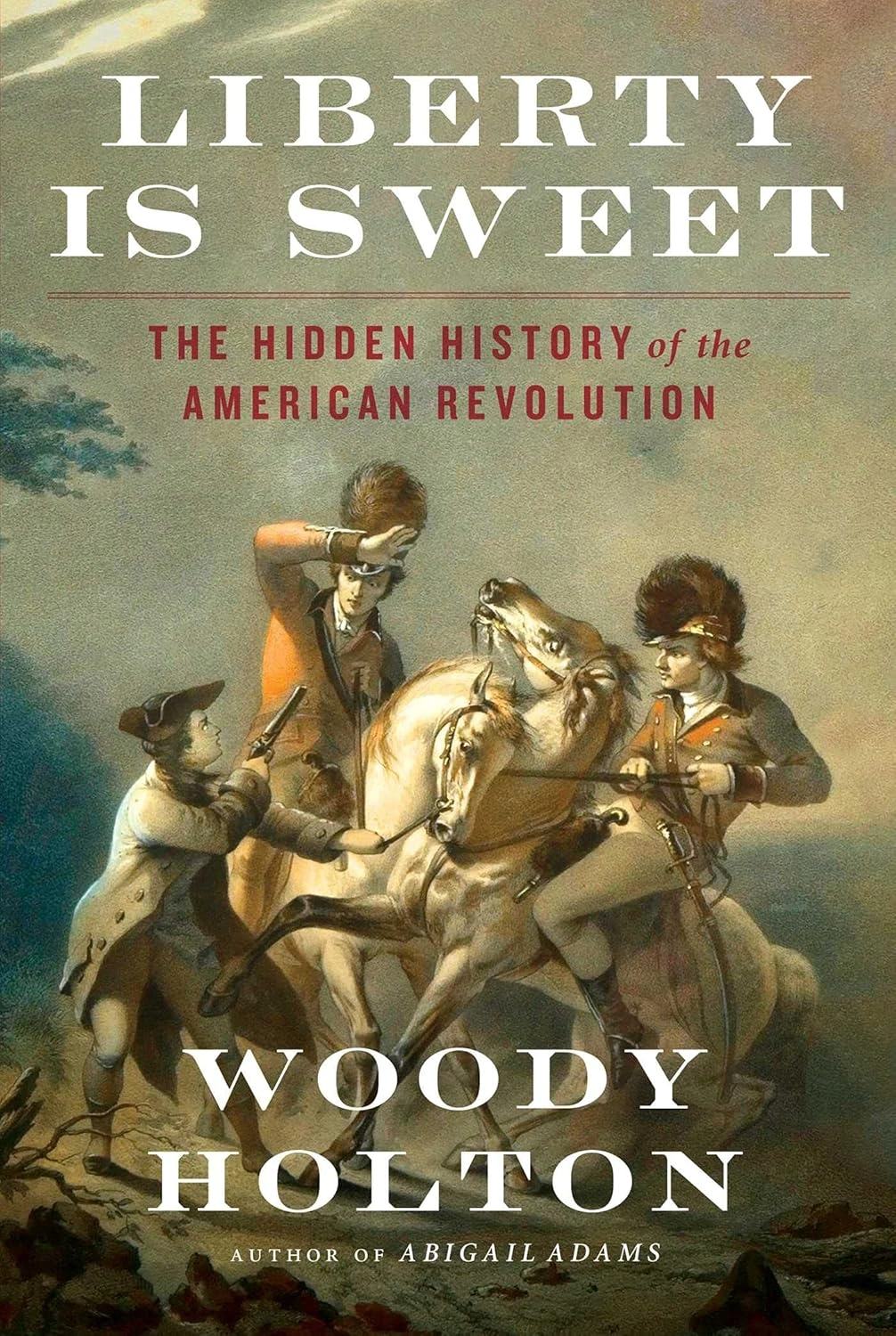
Liberty is Sweet: The Hidden History of the American Revolution by Woody Holton
We love Holton’s fabulous biography on Abigail Adams, but this “hidden history” raises delicious debates and surprises in the best possible way.
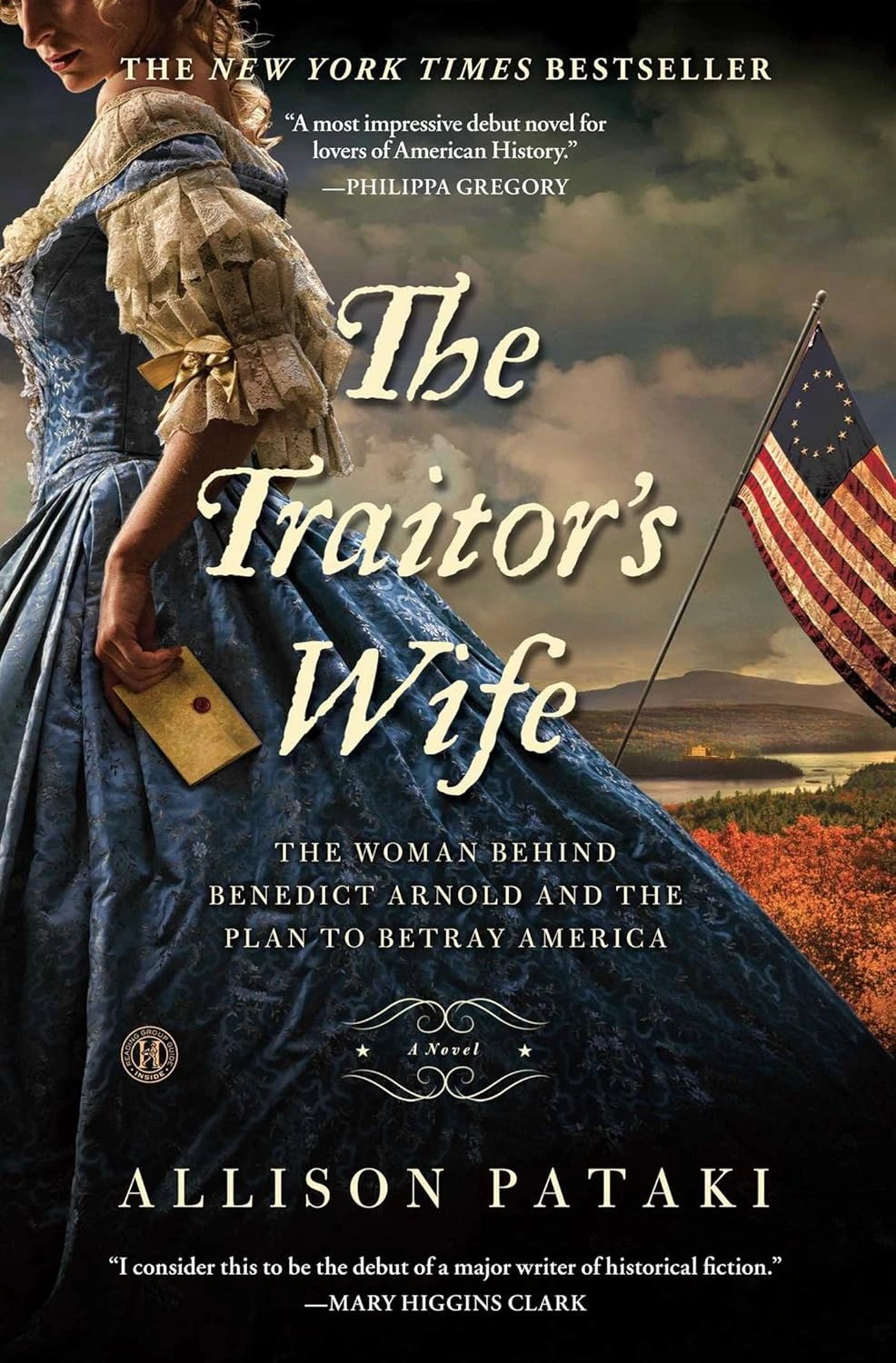
The Traitor’s Wife by Allison Pataki
Not everyone thought the American Revolution was a great idea, and at least one rebel notoriously changed his mind. Enjoy this dishy novel that captures the drama of Benedict Arnold’s treason!
A Resistance History of the United States by Tad Stoermer
Out just in time for the anniversary, this book reframes American history to assert that it isn’t just the Founding ideals that define who and what America is; resistance movements and challenges to authority throughout American history have also defined who we are. In doing so, it suggests a framework for thinking about and responding to injustices that exist today.
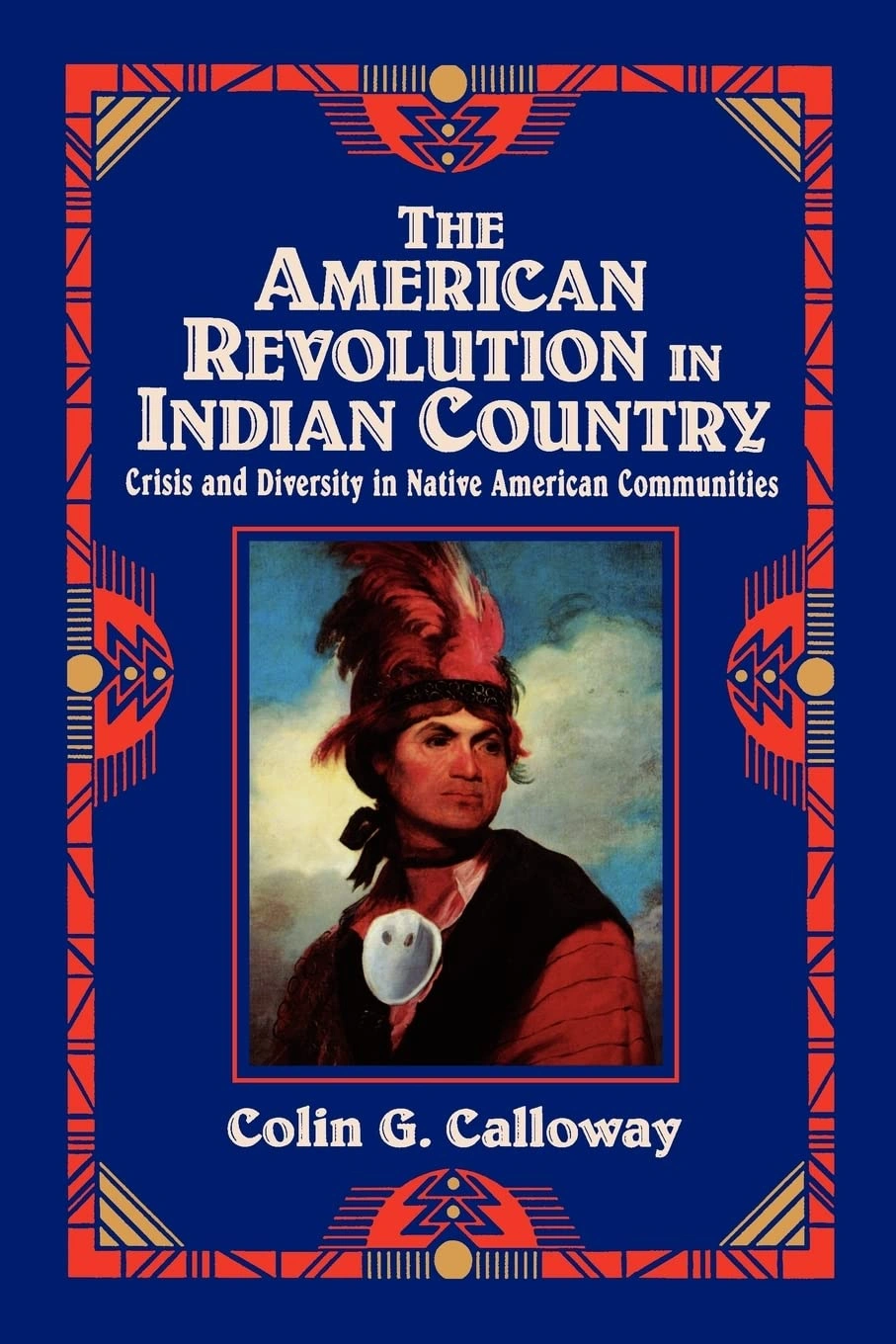
The American Revolution in Indian Country by Colin G. Calloway
Focusing on eight communities of Native Americans, this book offers a broad analysis of Indians’ experiences during the revolution, and also explores the shared legacy of the revolution for all indigenous people.
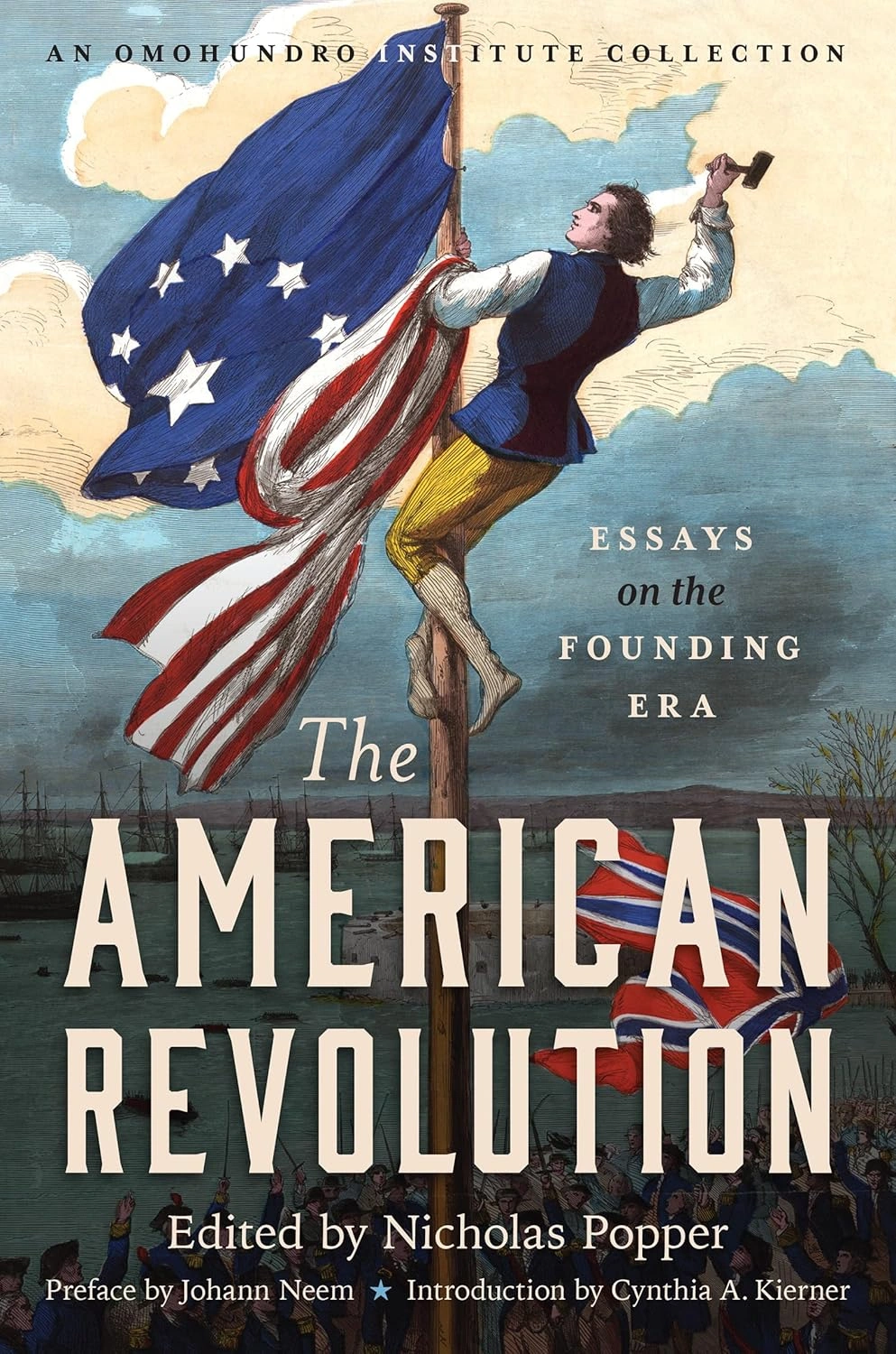
The American Revolution: Essays on the Founding by Nicholas Popper, ed.
This collection of essays features leading scholars of the revolutionary era, showcasing groundbreaking scholarship, highlighting new questions to ask and debating the meaning of the founding for Americans today.
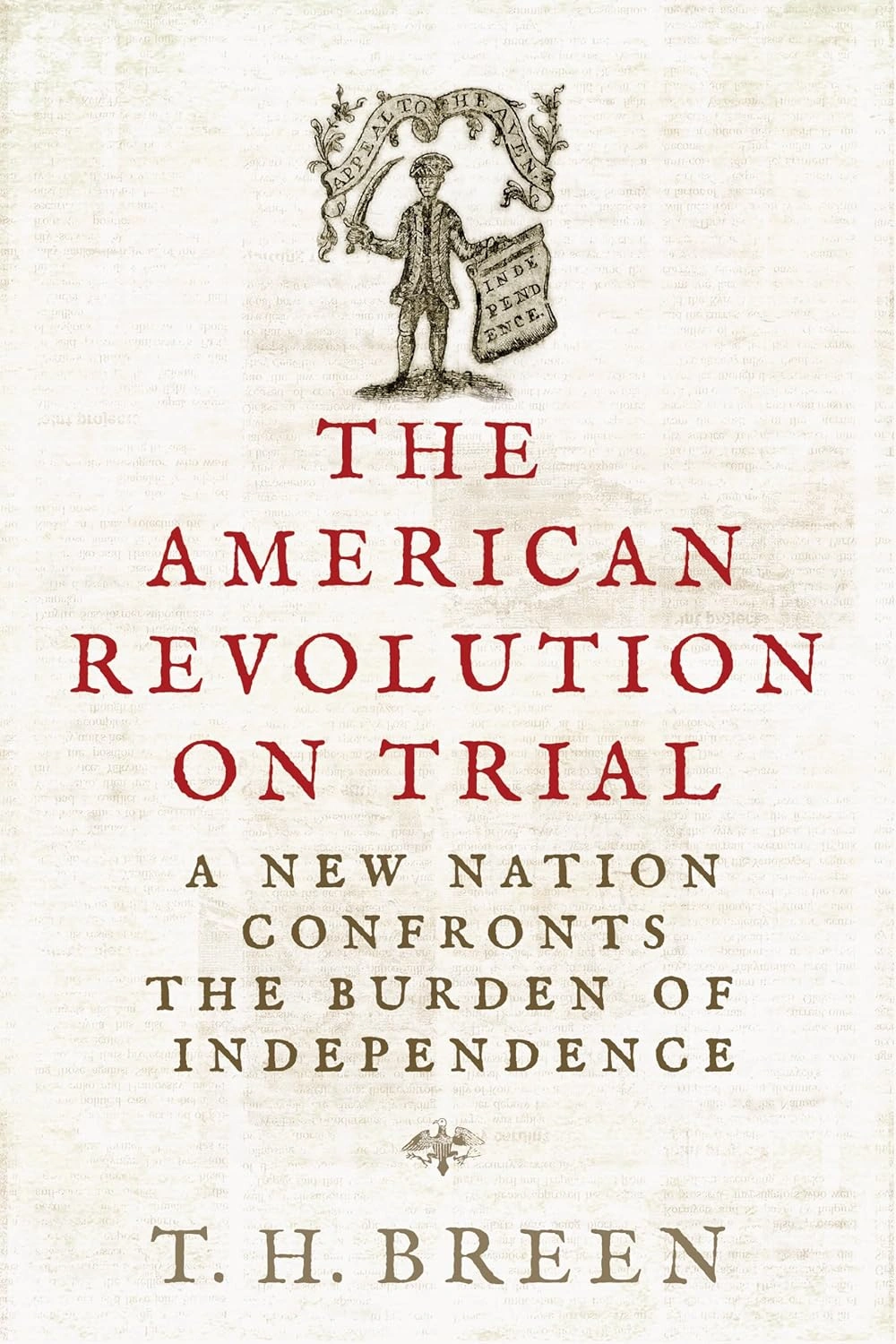
The American Revolution on Trial: A New Nation Confronts the Burden of Independence by T.H. Breen
Focusing on an incident that occurred in the middle of the Revolutionary War, this book explores how America grappled with living by the ideals of their revolution, and in so doing, it addresses questions about the rule of law and our nation’s honor that challenge us to this day.