There’s a question I get asked, now that I’ve written a novel about Wendy Darling as an adult: Of all of the women in fairy tales and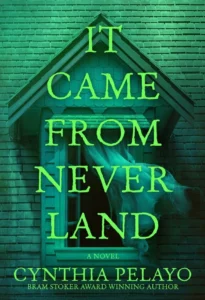 children’s tales, why her? Why the girl at the nursery window? I think it’s because in the story of Peter and Wendy written by J.M. Barrie, Peter always served as the lie, and Wendy served as the truth.
Peter Pan does not bring Wendy to Neverland for her to partake in adventures. He brings her to Neverland to tell stories to the Lost Boys, for her to care for their wounds and mend their socks. Peter’s plan for Wendy was for her to serve as their caretaker, their mother, at the age of twelve. The boys get to go to the lagoon. The boys get to go off and battle, and she becomes the keeper of the story.
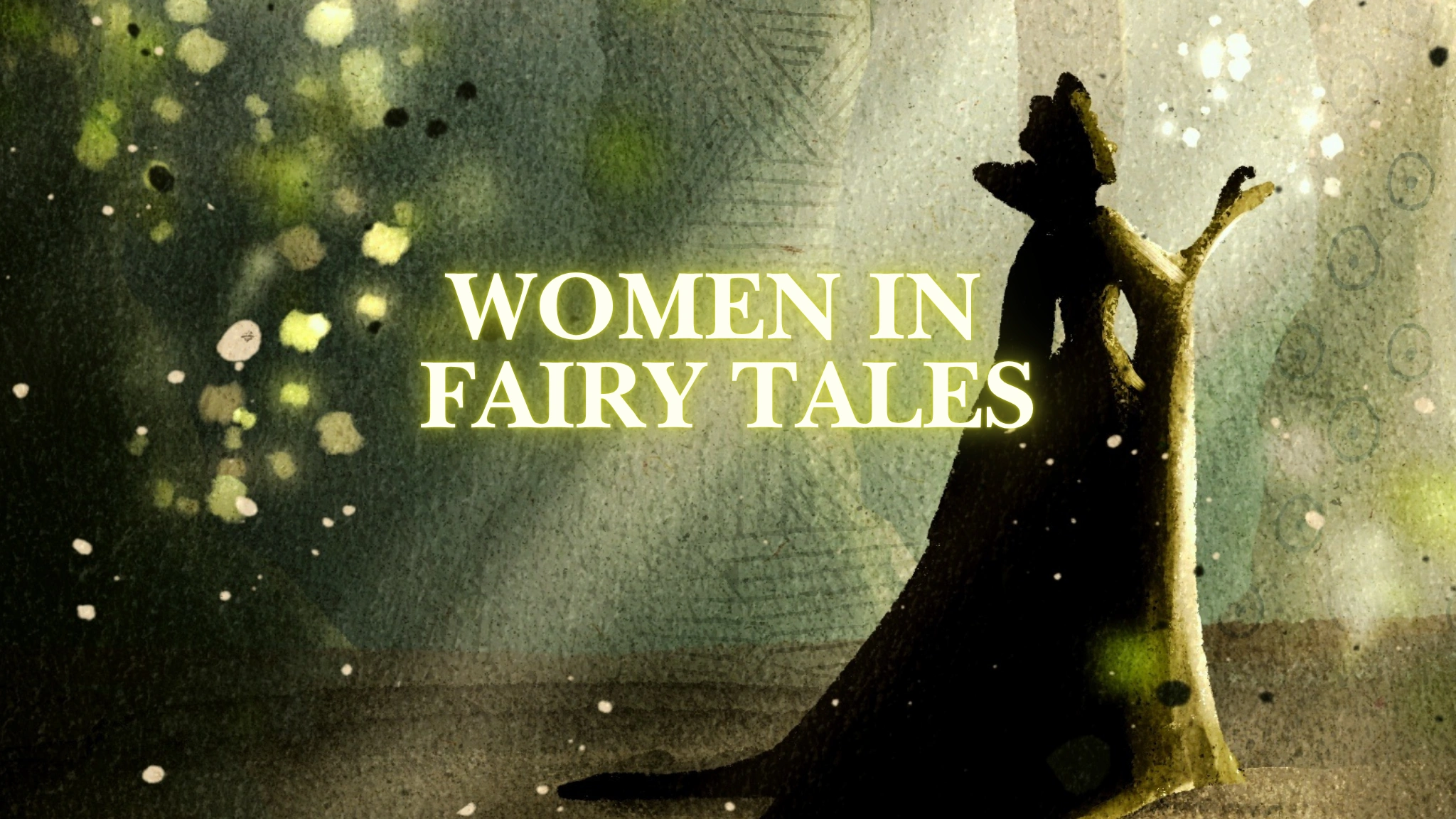
Let’s look at the tales we’ve inherited. Women hold them the way women hold so much together, family, home, career and communities, quietly and sometimes without credit. It’s the grandmother who sits by the fire telling us the origin tales of … us. It’s Gretel who remembers the path home. It’s Bluebeard’s wife who opens the door and carries away what she encountered in those rooms. And it’s Scheherazade who must tell another story or die. The fairy tale is based on the female testimony: what did we see, what did we encounter and who will be told the story next to carry the tradition forward? If we were to strip the women out of classic fairy tales, there would be no story, perhaps just a forest, a castle or a boy flying around in circles.
It is also inconvenient, perhaps even uncomfortable, what fairy tales do to women. The girl who tells the truth becomes labeled as the madwoman. The mother who knows too much about how to heal the sick is cast away as a witch. The old woman who simply has lived long enough to survive everything she has seen and encountered becomes the crone in the dark wood who we are taught to fear before she’s even uttered a word of her own story. The fairy tale, much like life, casts women into a role and then they are punished for playing their parts accurately. The same lips required to tell these stories are very often the same ones later distrusted.
That is what I mean when I say fairy tales are not children’s stories that just so happen to contain a thread of darkness. Fairy tales are records of that very darkness that we hand to children, and it’s women who are very often the record-keepers.
Folklorists know that these tales survived centuries by being shared in spinning rooms, nurseries and kitchens. We also know that in many cases, it was men who collected these stories from women and later compiled them into collections to be published for the entire world to read. Men like the Brothers Grimm put their names on the covers of books of tales that were substantially given to them by women. Our bylines are missing from those earlier texts, but the archive material has always been very much ours.
So when I sat down to write Wendy Darling as an adult woman in 1914 London during the start of World War I, I wanted to make sure that she would share her absolute truth. Wendy would communicate finally what she was promised in Neverland and what really came to be. The source material is there in Peter and Wendy. I didn’t have to invent much. I just needed to tell it from Wendy’s perspective and to showcase what life would have been like for a woman in which she was so cruelly lied to, and yet no one believed what it was she had encountered and experienced.
This is the role of women in fairy tales. We’re not always the princess. We’re not always the witch. These are just labels or costumes, because what’s underneath is always the same, we are the ones who carry the tales through the dark, intact, even as we slowly fall apart, until we find someone, anyone in the darkness who is finally ready to hear and accept our story.
Wendy sat by the open window, ready to tell someone her story. I just was there, another woman, ready to listen.