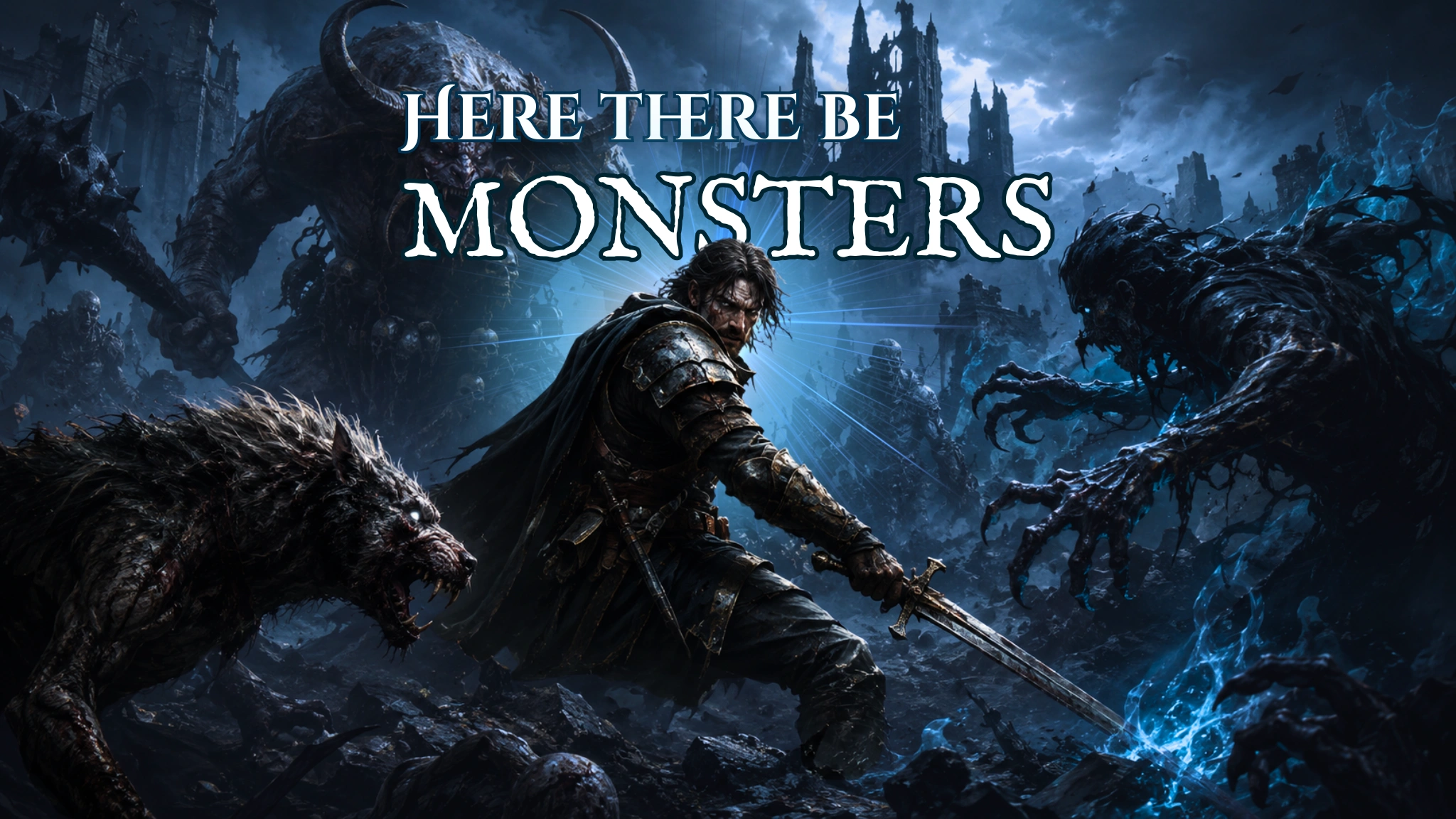
In monster-hunting fantasy, the creature is rarely the whole story. The fang, claw or curse may be what gets the plot moving, but the best books in the subgenre understand that monsters often expose something deeper: a broken society, a buried history, a dangerous bargain, a wounded hero or a world built to devour the people trapped inside it.
The five books below offer very different versions of the monster-hunter tale. Some follow professional killers trained to face creatures most people would rather pretend do not exist. Others send young survivors into lands where monsters are part of the landscape, the politics and the rules of survival. Together, they show how flexible this corner of fantasy can be — from grim fairy-tale reversals and post-apocalyptic myth to guild battles, secret organizations and lavishly imagined worlds where the line between human and monster is never as simple as it seems.
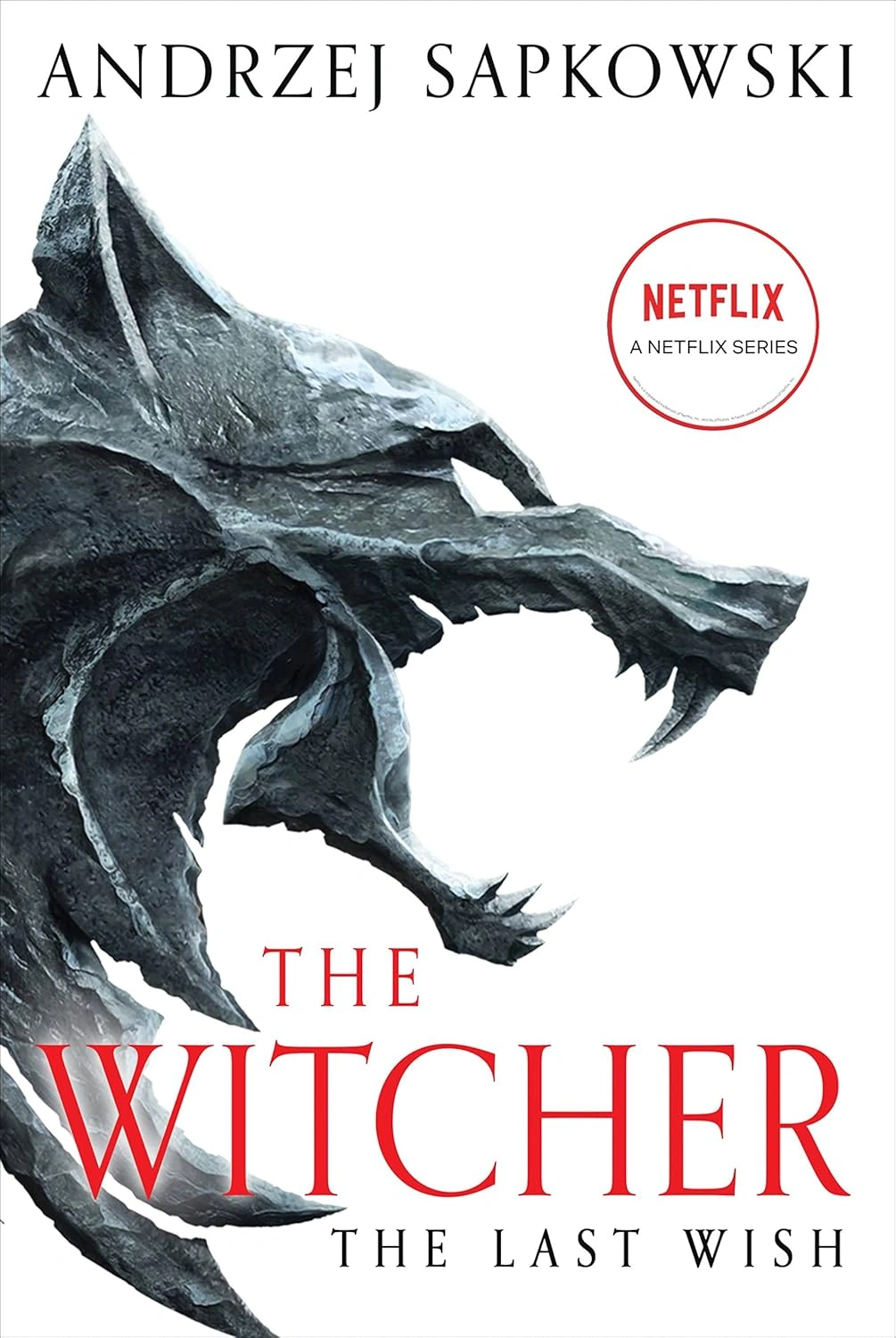
The Witcher: The Last Wish by Andrzej Sapkowski
No monster-hunting fantasy list would feel complete without Geralt of Rivia. In The Last Wish, Andrzej Sapkowski introduces the Witcher as a professional monster hunter: a magically enhanced fighter trained to protect people from the creatures that threaten them. But what makes this collection endure is not simply the swordplay or the beasts. It is the moral unease beneath every hunt.
Geralt moves through a world where monsters may be cursed, misunderstood, exploited or less monstrous than the humans who fear them. The stories draw on fairy tales and folklore, then twist them into something sharper, darker and more adult. Readers looking for a clean division between hero and beast will not find it here. Instead, The Last Wish asks what makes a monster — appearance, appetite, violence, choice or the stories people tell about one another.
That complexity makes it the classic anchor for this theme. Geralt is not merely hunting creatures; he is navigating a world where every job carries a moral cost.
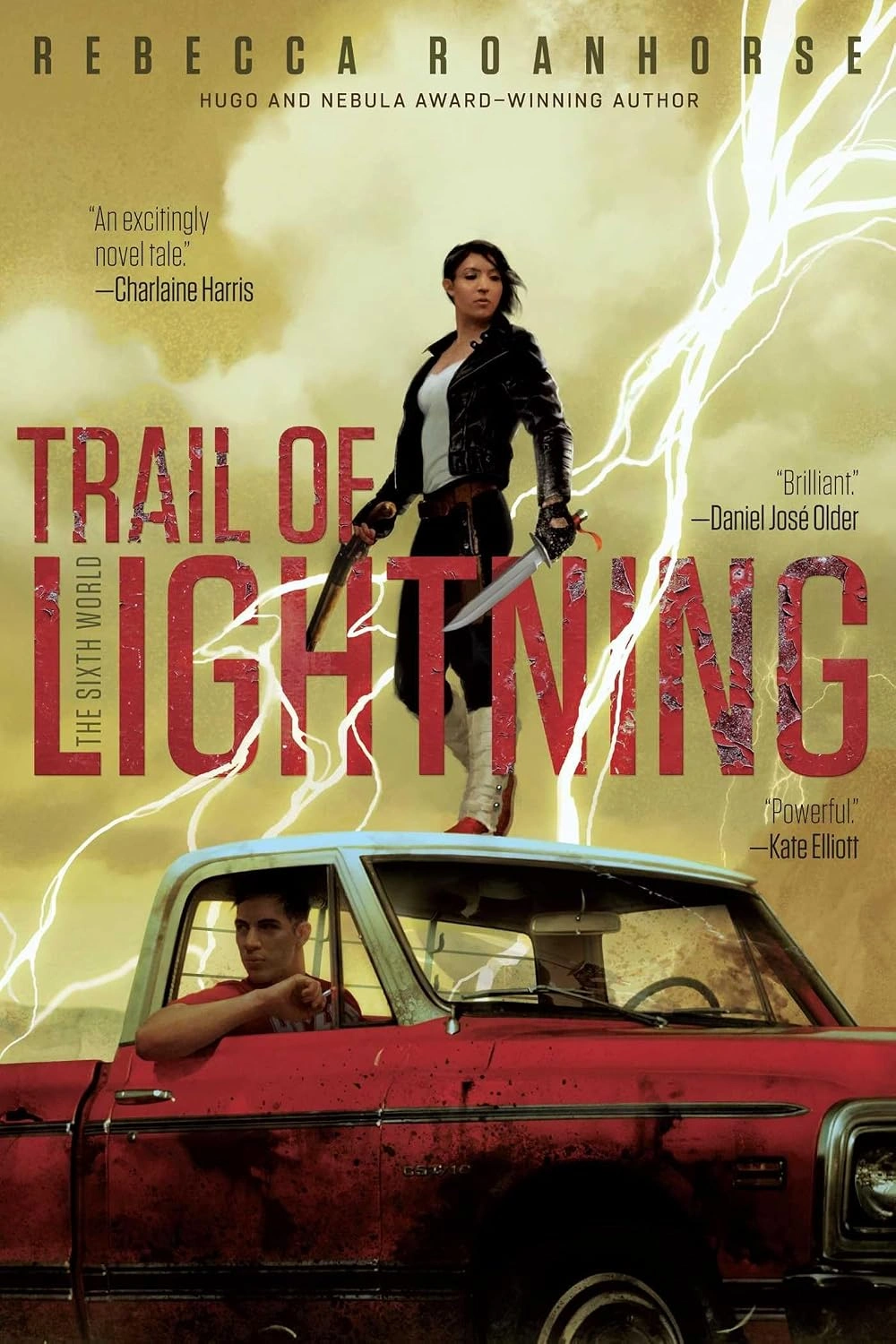
Trail of Lightning by Rebecca Roanhorse
Rebecca Roanhorse’s Trail of Lightning brings monster hunting into a post-apocalyptic future shaped by catastrophe, legend and survival. Maggie Hoskie is a supernaturally gifted Dinétah monster hunter, called in when a missing girl and a terrifying creature point to something far more dangerous than a routine hunt.
What makes this book stand out is the way it fuses action, mythology and trauma. Maggie is not a polished hero with a simple calling. She is sharp-edged, wounded and isolated, pulled toward monsters partly because she has trouble seeing herself as anything else. When she teams up with Kai Arviso, an unconventional medicine man, the journey becomes more than a hunt. It moves through tricksters, dark witchcraft, deteriorating technology and questions Maggie would rather avoid about her own past.
In this roundup, Trail of Lightning offers one of the most distinctive settings and one of the strongest emotional cores. The monsters are frightening, but Maggie’s real battle is also internal: how to survive a world that has already remade her.
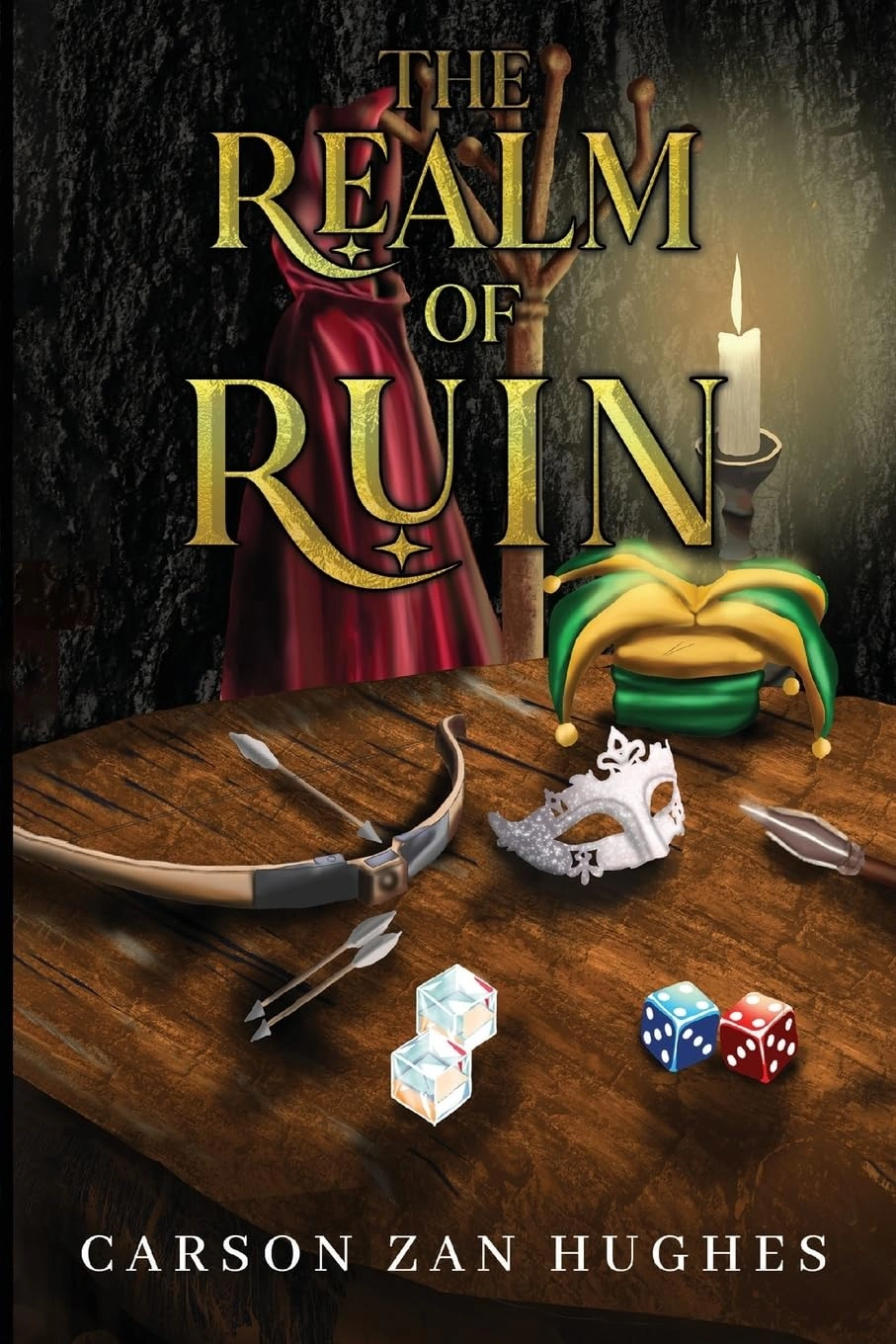
The Realm of Ruin by Carson Zan Hughes
In Carson Zan Hughes’ The Realm of Ruin, monster hunting begins with exile. The Realm is where people are sent when the world no longer wants them, a brutal place of monsters, magic and secrets. Nyla, a hunter torn from her family, and Yevian, a bold teenager who refuses to give up, survive an attack on their village only to find themselves pulled into a monster-hunting guild led by Dice, a leader whose easy smile hides hard-earned experience.
The setup delivers the pleasures of dark fantasy adventure: dangerous creatures, guild training, high-stakes battles and a shattered world where survival is never guaranteed. But the deeper hook is transformation. The Realm is not only a prison for castoffs. It is a test, a proving ground that strips people down and forces them to become something stronger, stranger or more dangerous than they were before.
That is what gives The Realm of Ruin its place in this list. The monsters matter, but they are not the only threat. The real question is what Nyla and Yevian are willing to lose in order to survive — and whether survival itself is enough.
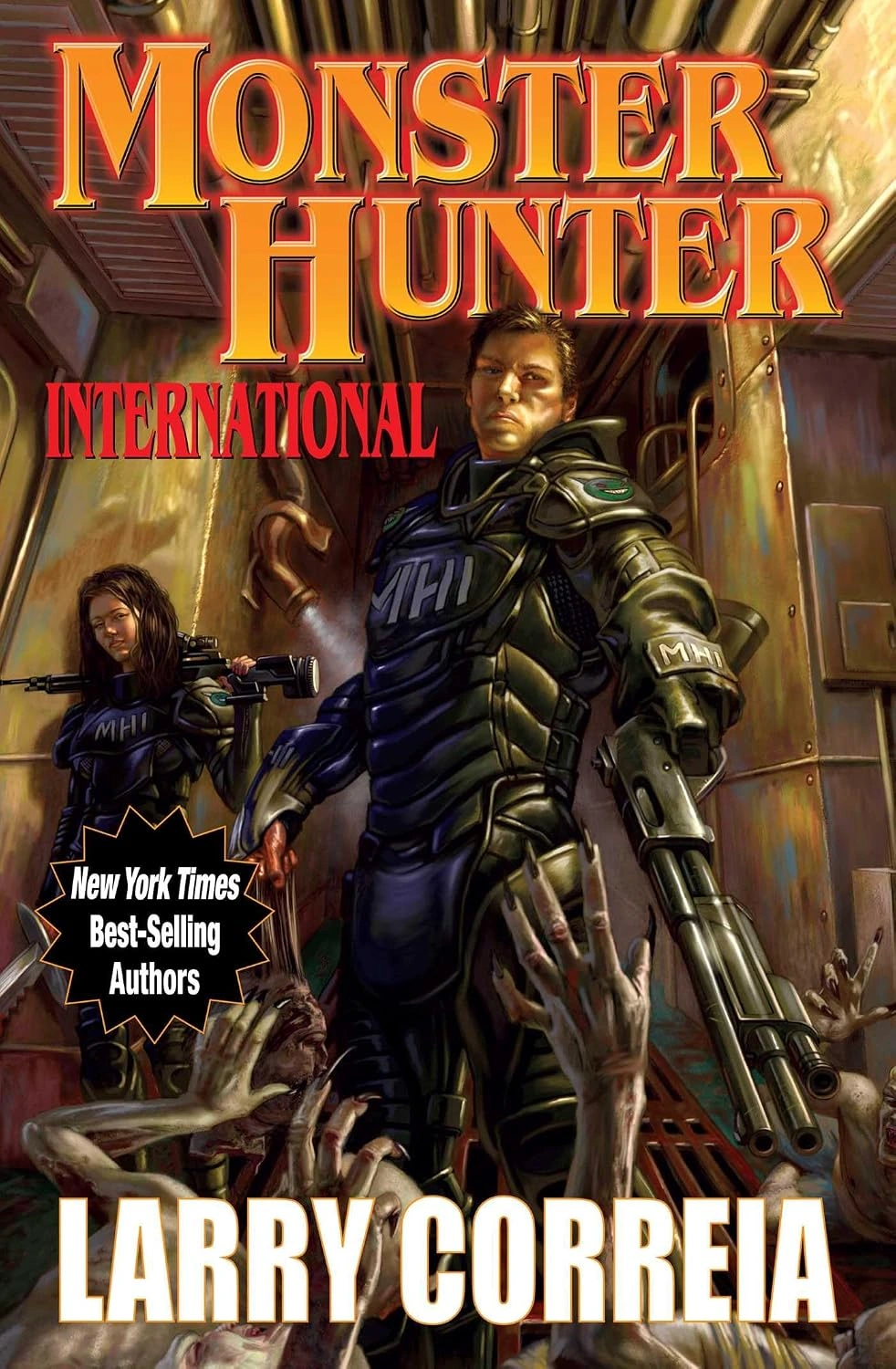
Monster Hunter International by Larry Correia
Larry Correia’s Monster Hunter International is the most literal entry on this list, and that is part of its appeal. Owen Zastava Pitt wakes up in the hospital after a bizarre, violent encounter and learns that monsters are real. Creatures from myth, legend and B-movies exist in secret, and Monster Hunter International is the professional outfit paid to eliminate them.
Where some monster-hunting fantasy leans poetic or mythic, this one charges straight into action. It has the feel of a high-octane urban fantasy adventure: secret agencies, heavy firepower, supernatural enemies and a new recruit discovering that the world is much stranger and more dangerous than he imagined. The premise is direct, but the scale keeps expanding as Owen’s new job pulls him toward apocalyptic stakes, undead minions, federal interference and forces far older than he understands.
Its unique place in this list is the organizational angle. This is monster hunting as a business, a battlefield and a dangerous career path — less lone wanderer, more supernatural eradication company with a very high mortality rate.
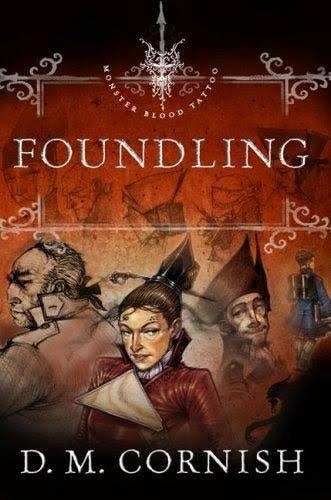
Foundling by D.M. Cornish
D.M. Cornish’s Foundling is a rich, strange and deeply imagined fantasy set in the Half-Continent, a world shaped by generations of conflict between humans and monsters. Roads are dangerous. The wilderness is full of creatures with their own names, habits and terrors. Monster-hunters, soldiers and travelers move through a society that has built entire systems around the threat lurking beyond safe walls.
At the center is Rossamünd Bookchild, an orphan raised in a foundling institution and sent into Imperial service. His journey begins with the promise of a useful life, but quickly becomes something far more uncertain. The world he enters is filled with monsters, villains, secrets and uneasy choices about whom to trust. Cornish’s elaborate language, illustrations and world-building give the book a texture unlike almost anything else in the subgenre.
What makes Foundling unique in this roundup is its immersive oddness. It is not simply about slaying monsters; it is about growing up inside a civilization defined by fear of them, and discovering that the human/monster divide may be more complicated than the official maps suggest.