I grew up in a house built in 1884 that was prone to unexplained creaks, groans and even occasionally children’s laughter. The heavy, antique doorbell would sometimes ring out with its sonorous clang for no reason. Once, my mother heard footsteps in the foyer, but when she went to investigate, nobody was there. One of my grandfathers claimed to have felt icy hands on his neck, and a great aunt swore to glass shattering in the middle of the night only to vanish by morning. It’s little wonder that I grew up believing in ghosts.
While acknowledging that “[t]here are more things in Heaven and Earth, Horatio, than are dreamt of in your philosophy,” I do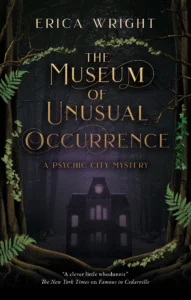 appreciate a reasonable explanation, in life and in literature. There’s something particularly compelling about stories that combine gothic elements — hints of the supernatural — with reason-bound skeptics. I created a dogged skeptic for the protagonist of my latest novel set in a town founded on Spiritualism and catering to mediums, i.e. people who claim to communicate with the dead. The inherent conflict made the mystery’s stakes feel high to me right away.
Arthur Conan Doyle’s creations are perhaps the most famous examples of uncanny crimes solved with real-world deduction, although Scooby-Doo runs a close second. (Off the page, Doyle was also interested in Spiritualism and held many séances at his own home.) Of course, the tradition also includes Jane Austen’s Northanger Abbey in which the heroine’s overactive imagination gets her into some surmountable trouble. This is a long-lived and well-loved tradition.
My criteria for this list consisted of books with supernatural elements, either perceived or “real” in the story, that interact with the mystery’s logical investigation. I considered twenty possible titles and found that eighteen of those were written by women. This tracks with Spiritualism’s past where, even in the 1800s, women were given more positions of leadership than commonly accepted in religious circles. Séances were mostly conducted by women because they were generally home affairs, gatherings that occurred around kitchen or dining room tables.
Narrowing down this list was unexpectedly challenging, but these eight are delightfully strange and smart.
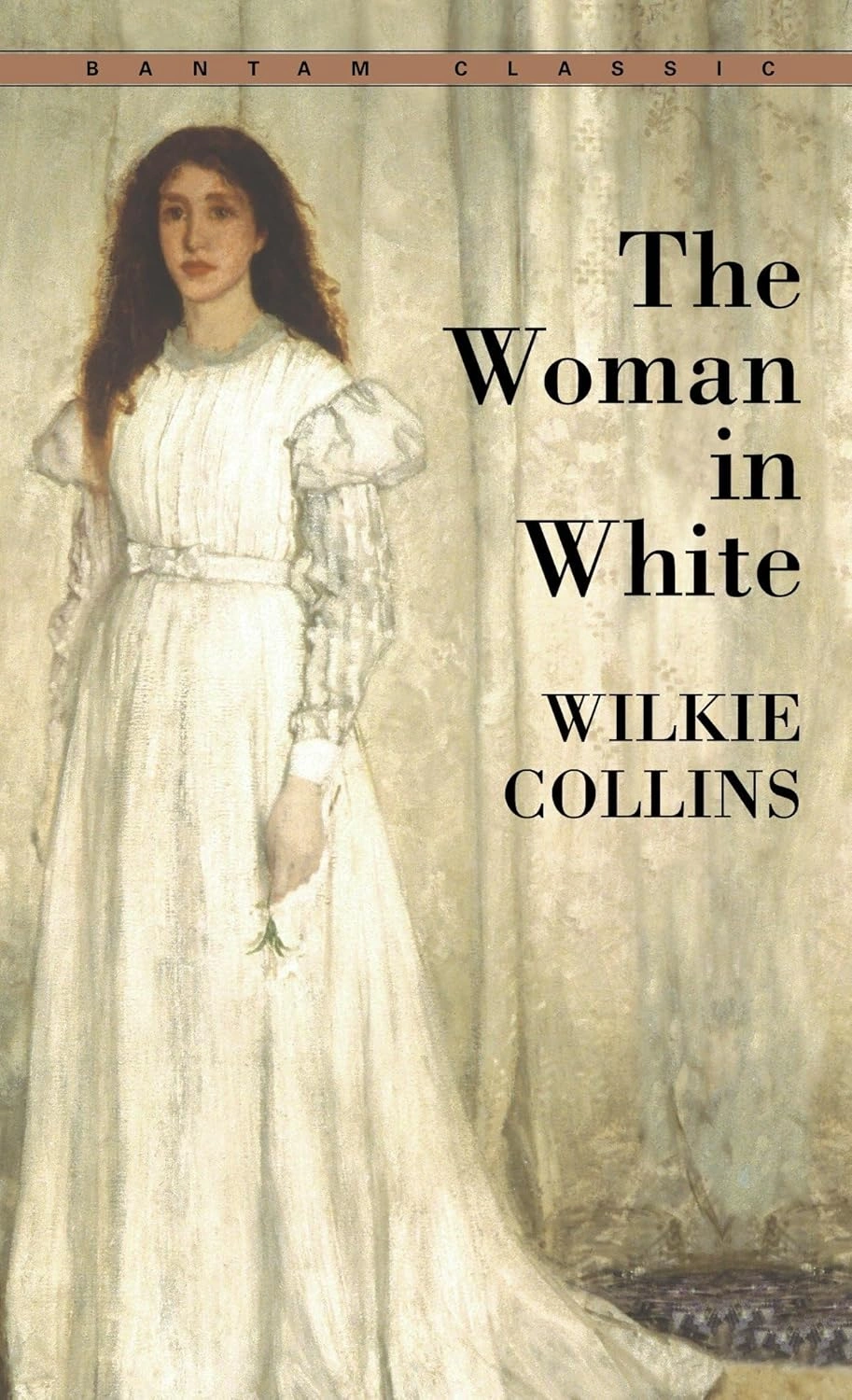
The Woman in White by Wilkie Collins
The Woman in White, published in 1860, is considered one of the first detective novels ever written, and it includes a riveting mystery central to the characters’ fates. It begins, however, with a more traditionally gothic tone; a young man encounters a spectral woman in need of an escort to London. This unlikely meeting lures painting tutor Walter Hartright into a quest to discover the woman’s identity and later to understand her cryptic warnings.
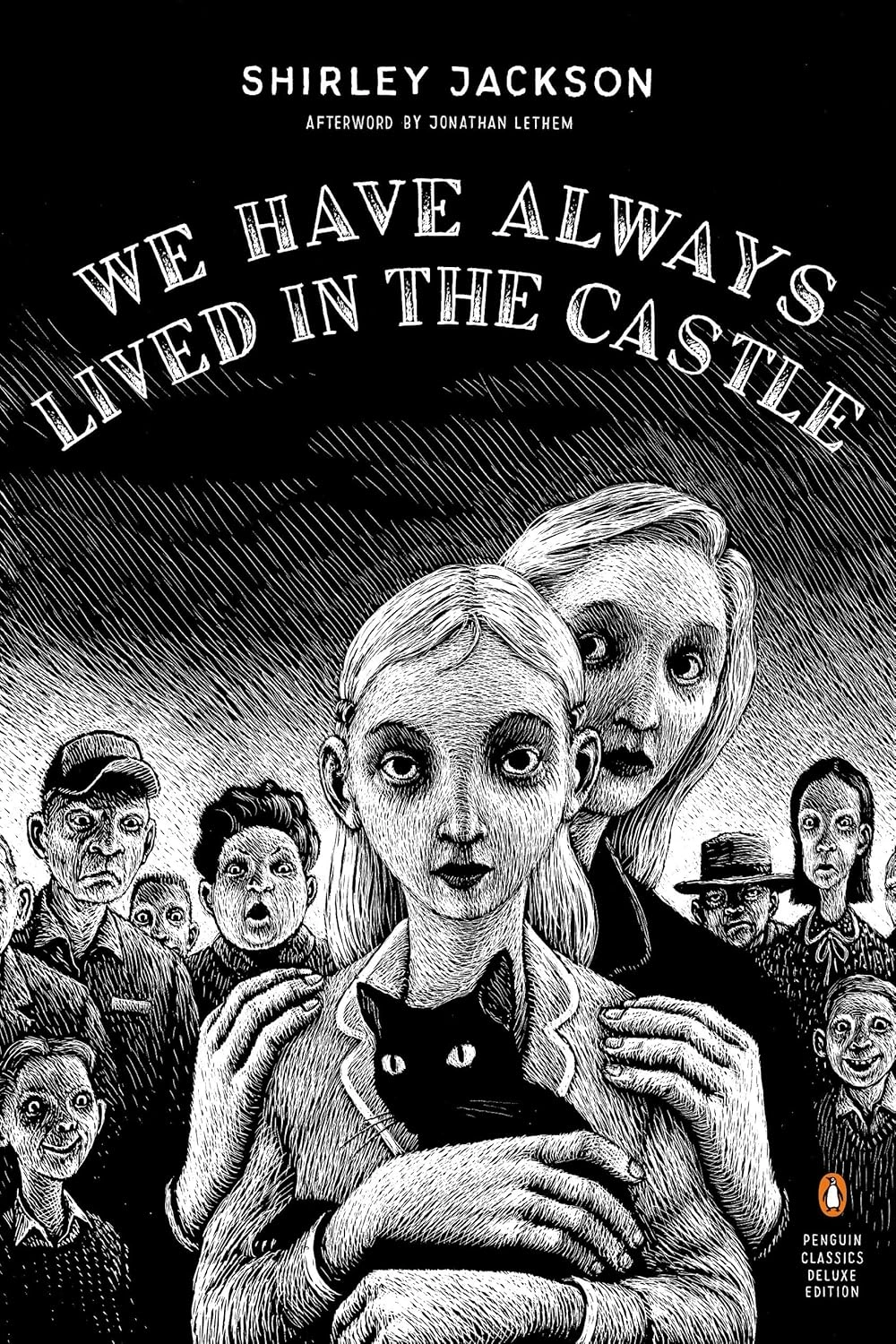
We Have Always Lived in the Castle by Shirley Jackson
Another classic of the genre, We Have Always Lived in the Castle also combines a gothic setting with a real-world mystery. Merricat Blackwood lives with her sister and uncle, ostracized from their small town because of a suspicious fire and death six years prior. The creepiness factor only increases as the story unfolds, aided by how much the town fears the Blackwoods. Are they supernatural beings, killers or merely strange?
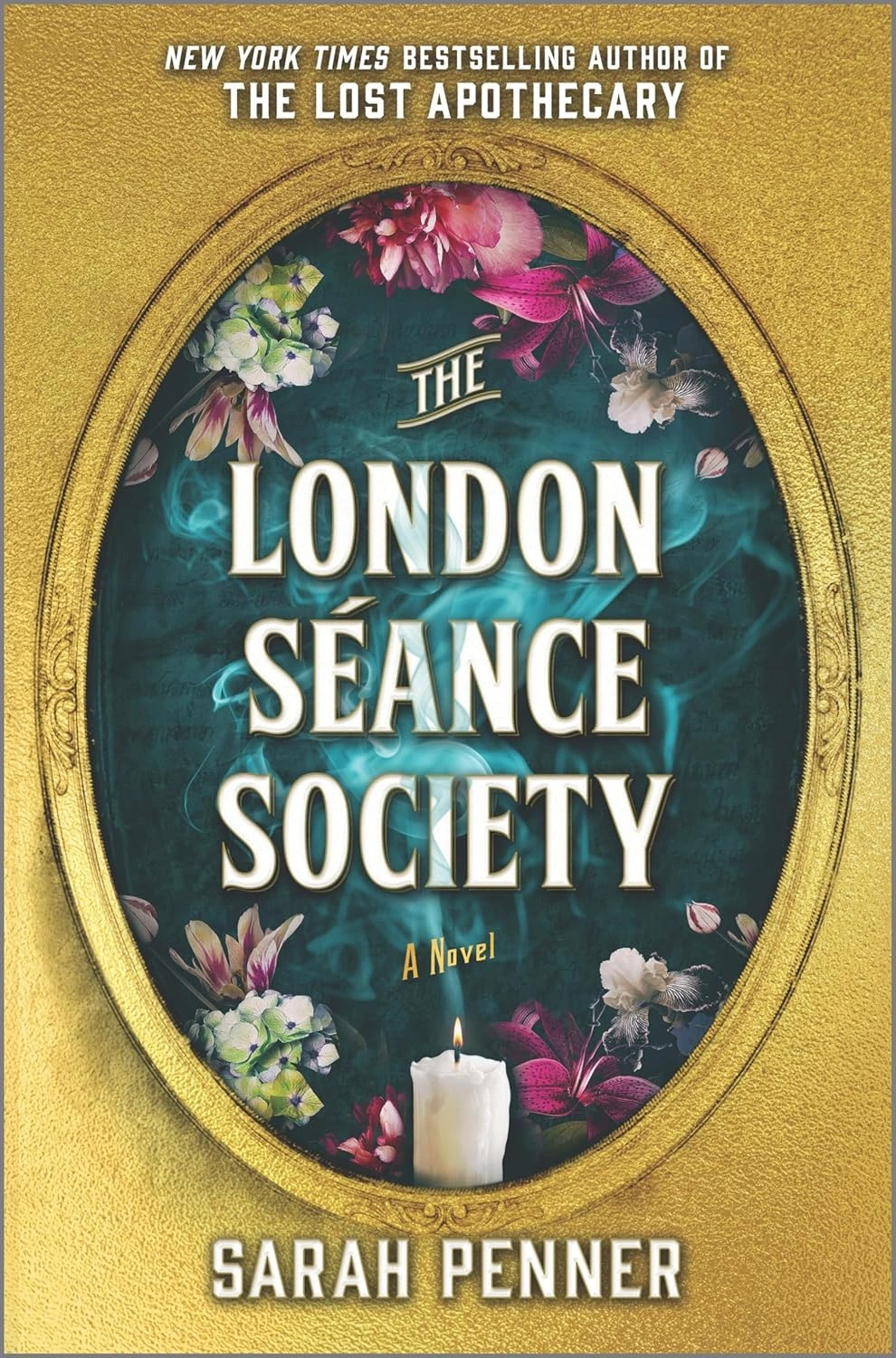
The London Séance Society by Sarah Penner
I bought this book at an airport bookstore without knowing anything about it except that the cover was gorgeous and the title intriguing. Cut to me fanning myself mid-air en route to Florida. This story is decidedly steamy, but the romance between practical Lenna Wickes and spiritualist Vaudeline D’Allaire is a subplot to an intriguing mystery involving a society of mediums taking advantage of the newly bereaved.
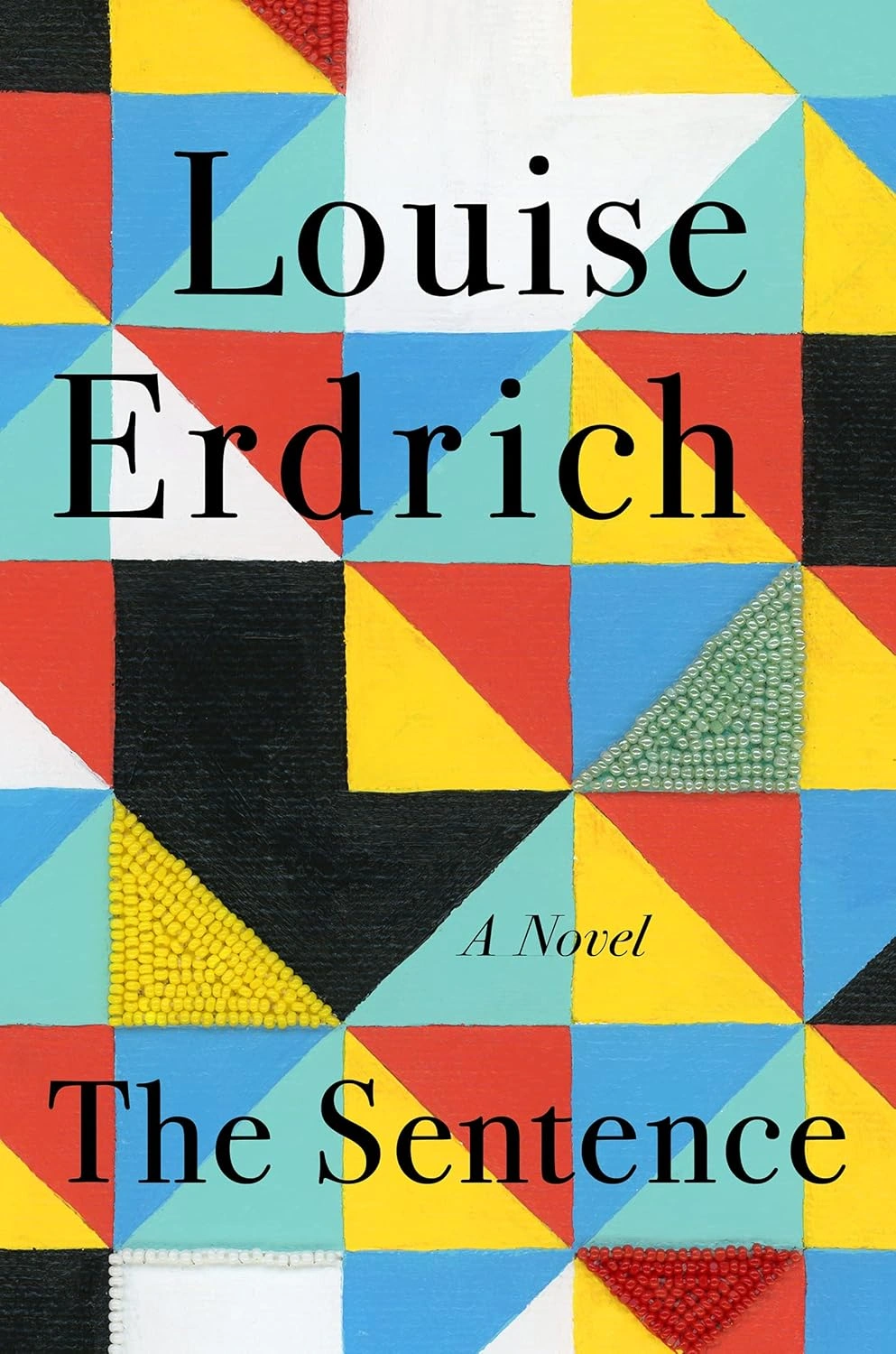
The Sentence by Louise Erdrich
My favorite book of 2021, The Sentence begins with a stolen corpse and an entirely predictable arrest. That arrest is about the last predictable plot point of this wry, sweeping novel, though, which follows Tookie from her life of crime to her life after prison, working in a Minneapolis bookstore. This seemingly laidback job is complicated by Covid, riots and an irritating ghost. Tookie’s quest to return peace to the store becomes a compelling meditation on personal and American history.
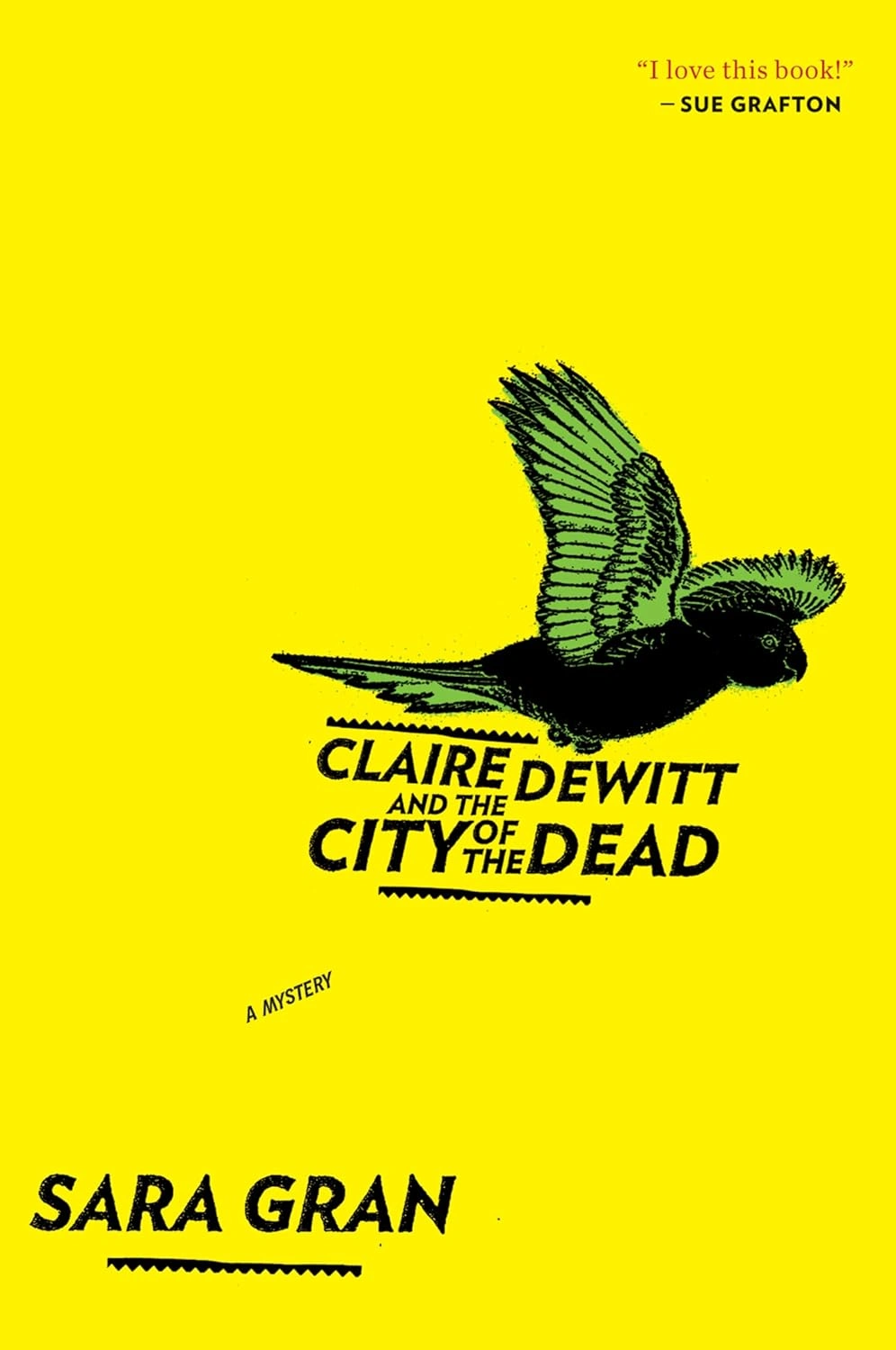
Claire DeWitt and the City of the Dead by Sara Gran
The Claire DeWitt books comprise one of the weirdest, wildest detective series in print. With only three titles, Gran quickly establishes a complicated private investigator who would be a royal pain to know in real life. On the page? On the page, she’s riveting. Dubbing herself “the world’s greatest PI,” DeWitt follows the teachings of Jacques Silette, a world-renowned detective who uses mysticism rather than deduction to solve cases. This first book is set against the backdrop of hurricane-ravaged New Orleans, and Gran creates a movingly raw story about the limits of redemption.
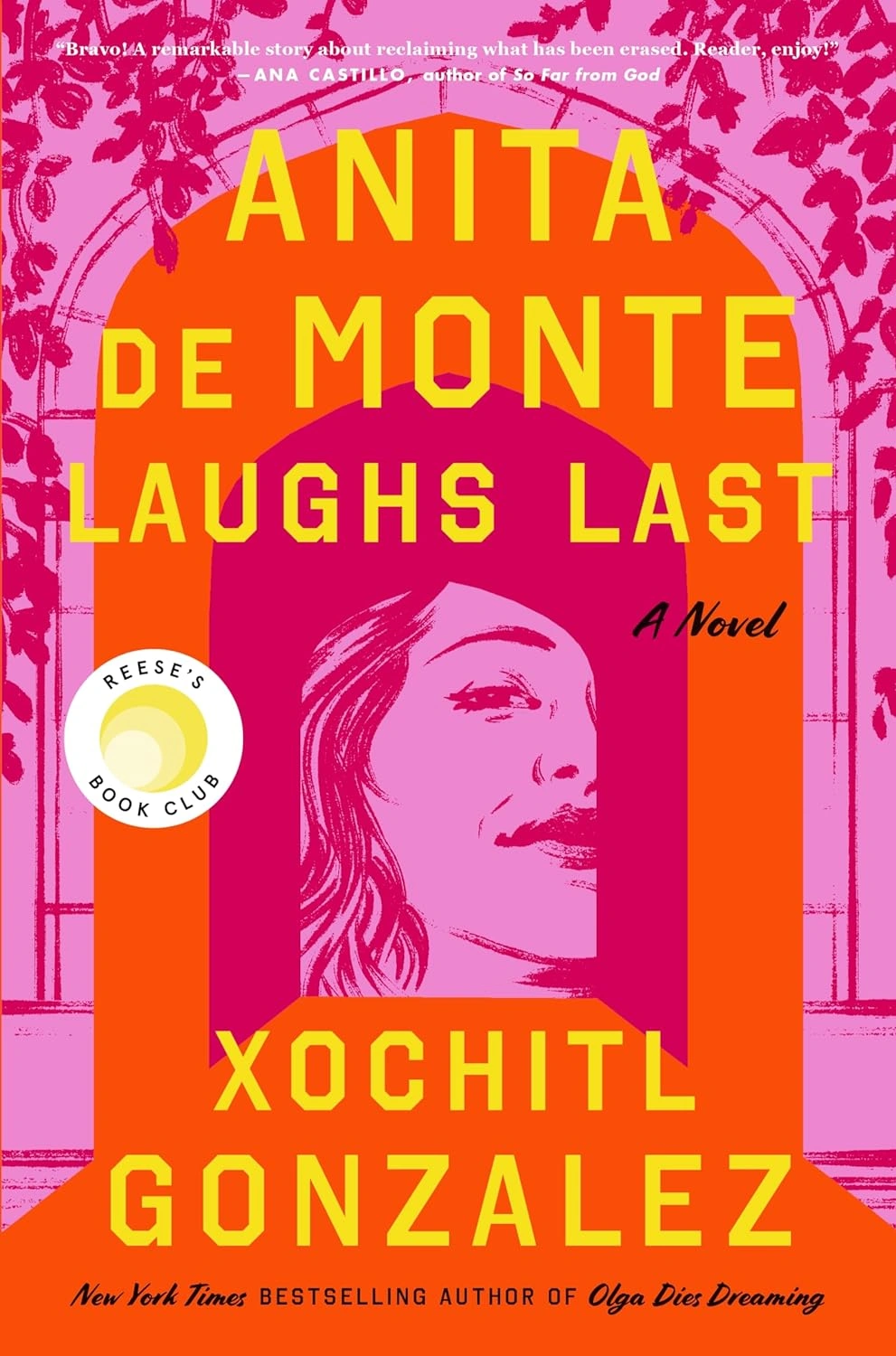
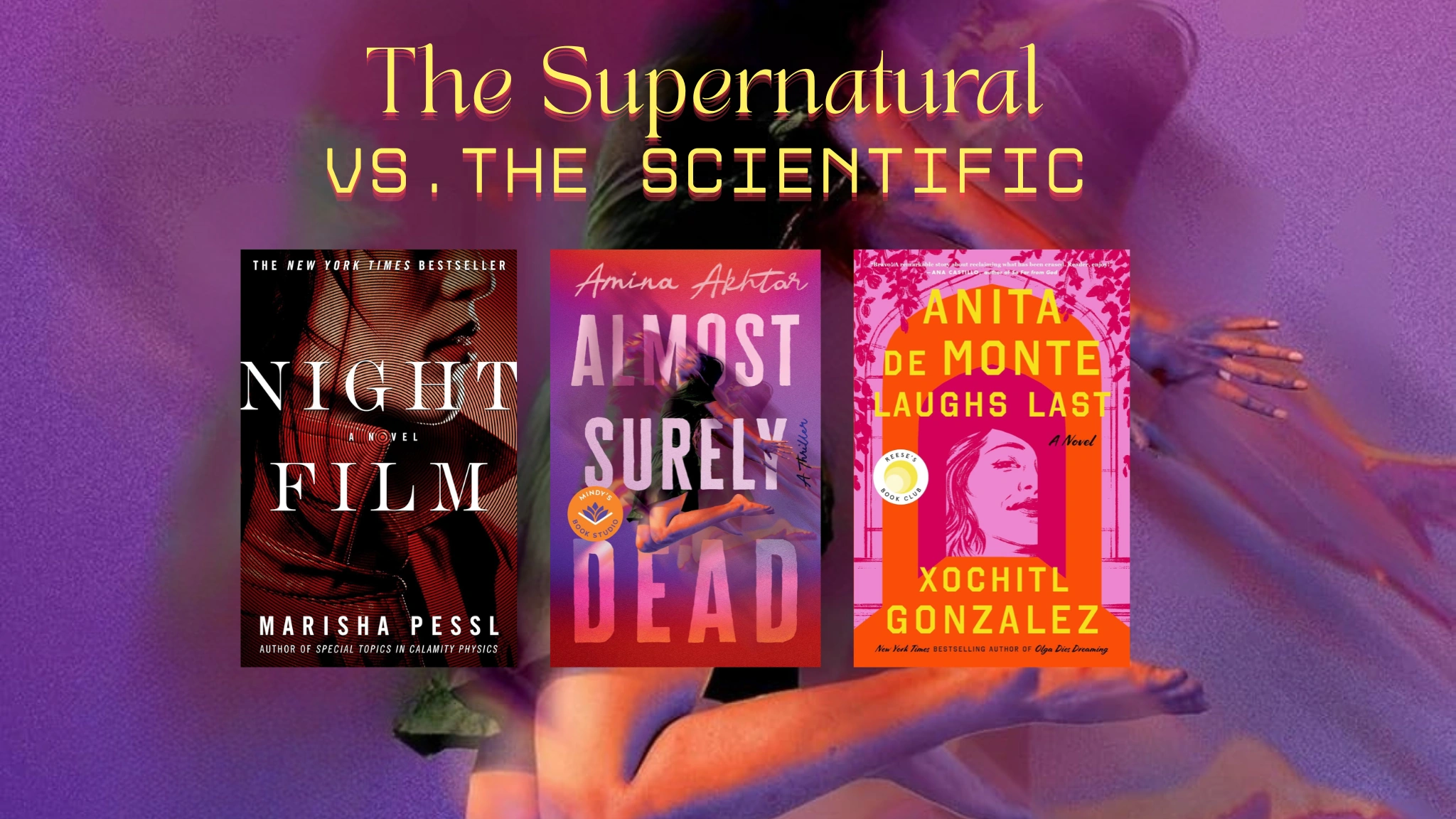
Anita de Monte Laughs Last by Xóchitl González
In 1985, artist Ana Mendieta fell to her death from an apartment window, allegedly pushed by her husband Carl Andre. Andre was acquitted, but many Mendieta supporters insist he is guilty, frustrated that his paintings remain hanging in the hallowed halls of museums worldwide. González takes her inspiration from this tragic real-life story, making it her own. An art history student at Yale decides to investigate the mysterious death of Cuban artist Anita de Monte the only way she knows how — through academic research. Of course, Anita takes some agency in her post-death life, as well, haunting New York City’s stuffiest creative circles.
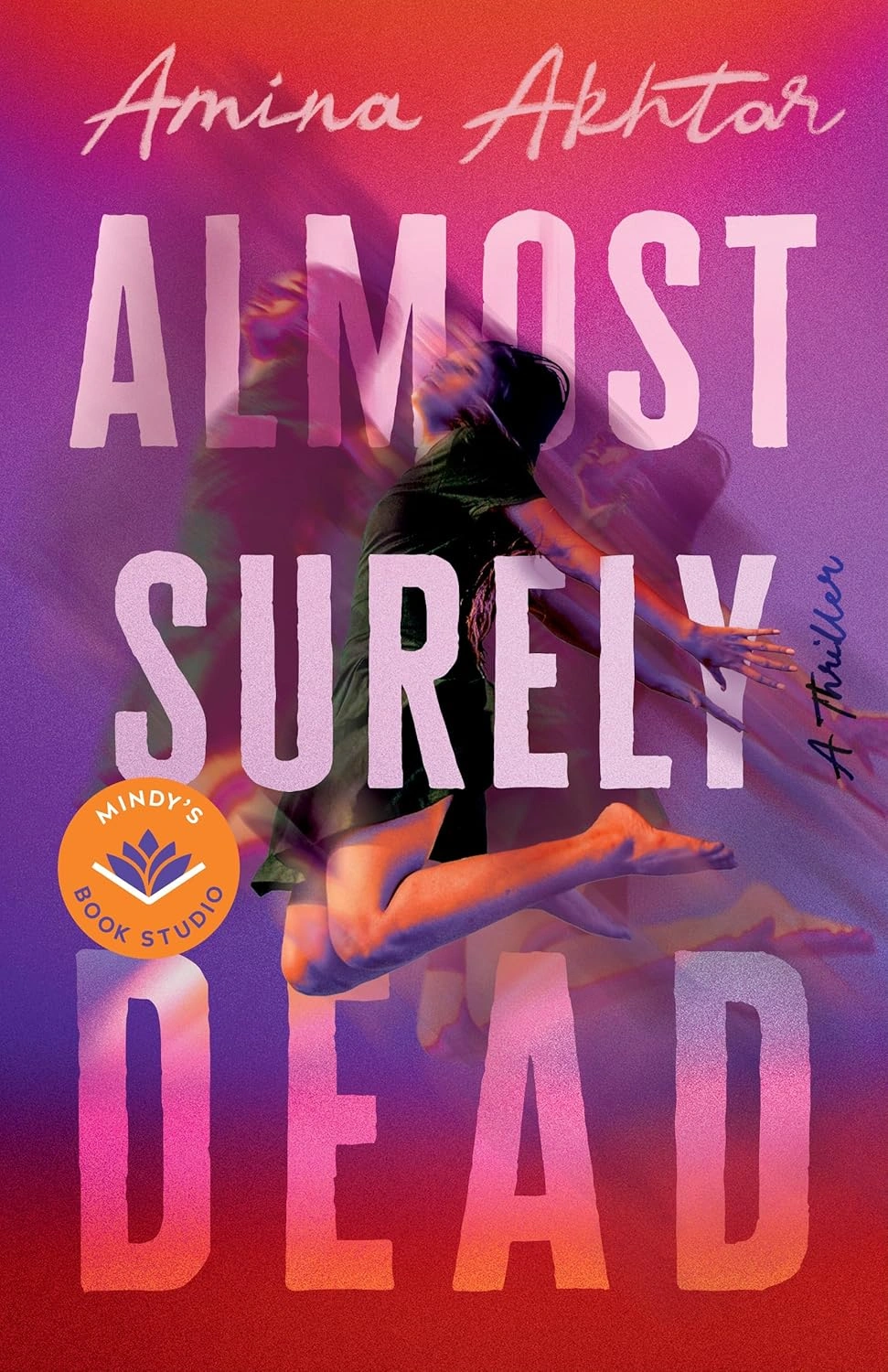
Almost Surely Dead by Amina Akhtar
Amina Akhtar has a habit of upending crime fiction expectations. Her first novel, #FashionVictim, has readers rooting for a serial killer. Her second, Kismet, includes vengeful ravens. And Almost Surely Dead incorporates Pakistani folklore to create a genuinely original thriller. Dunia Ahmed is a pharmacist in Manhattan, nursing a broken heart. When someone — or something — tries to push her onto the subway tracks, her life becomes a lot more dangerous.
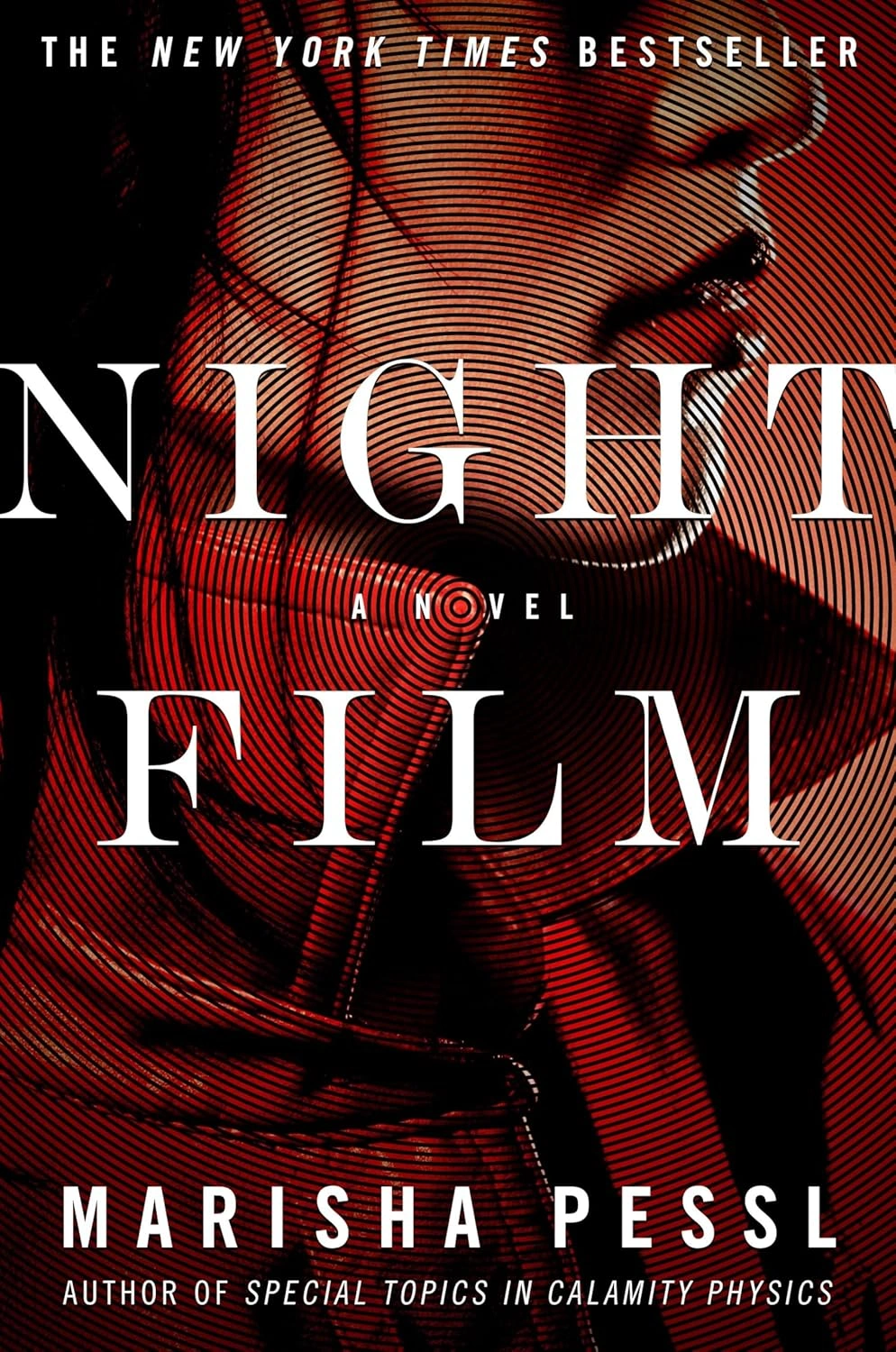
Night Film by Marisha Pessl
Pessl’s books often blur the line between what’s possible and impossible, making then some of my favorite literary thrillers. Night Film leans fully into noir, complete with a down-on-his-luck investigator. When the daughter of reclusive film director Stanislas Cordova dies, the official reports say suicide, but journalist Scott McGrath doesn’t believe them. The Cordova family is notoriously cursed, and McGrath is determined to uncover the director’s darkest secrets.