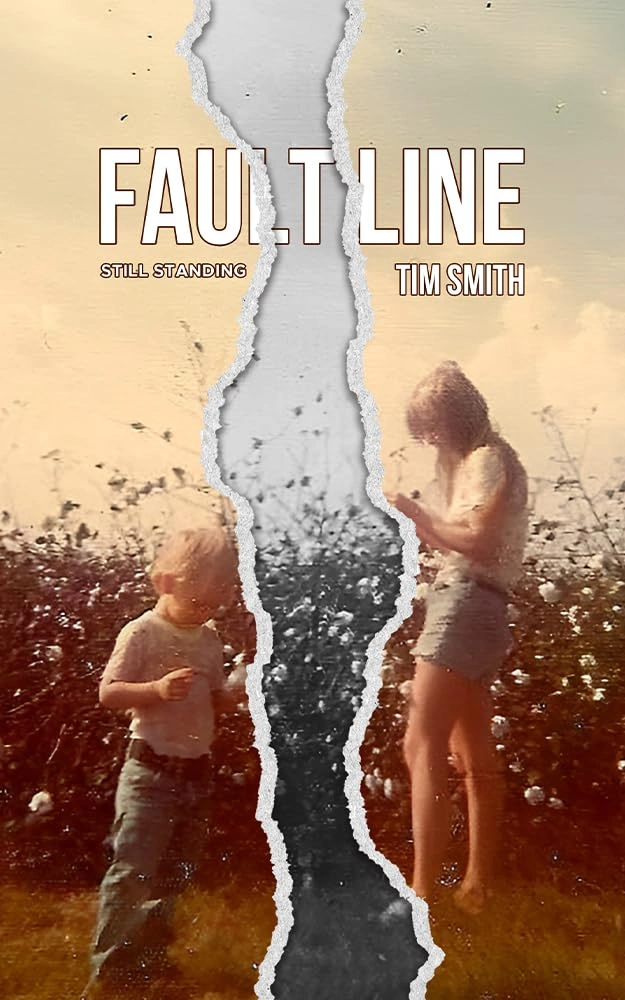
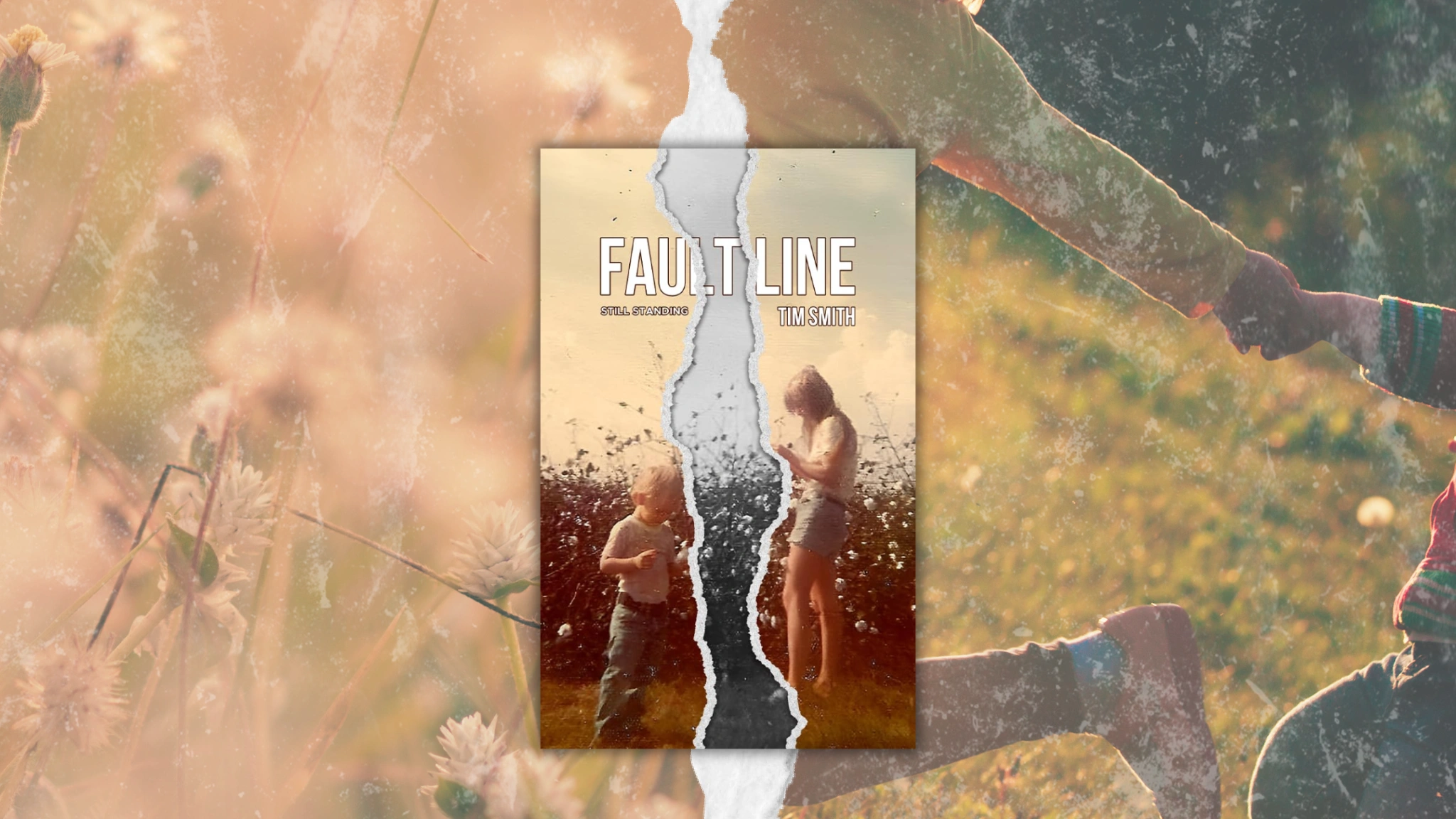
Fault Line: Still Standing by Tim Smith
There are memoirs that inform, and then there are memoirs that transform. Tim Smith‘s Fault Line: Still Standing belongs in the latter category. It is a raw, devastating and ultimately triumphant account of one man’s survival of a childhood most of us cannot fathom, written with such ferocious honesty and literary precision.
A Voice Forged in Fire
From the very first page, Smith announces himself as a writer of remarkable gifts. His opening memory — swallowing lighter fluid as a toddler while helping his father fix a car — sets the tone perfectly: darkly comic and tender. This is a book that begins with a child in a hospital room and a father’s face gone pale with horror, and it never lets you look away. Yet somehow, Smith finds beauty even in that hospital room, even in that trailer park in Prattville, Alabama, even in the sticky summer heat and the woman next door who spits into Coke cans.
The prose is one of the book’s great pleasures. Smith writes with a voice that is deeply Southern, wry and lyrical — sentences that build in rhythm until they crack open with unexpected force. His descriptions of childhood are sensory and precise: the maroon vinyl seat that sticks to his skin, the landlord’s sandstone brick wall, the Zippo fluid that “tastes the way it smells.” He has a gift for rendering the emotional logic of a small child — the way a six-year-old processes abandonment, abuse and longing.
Love and Moral Complexity
The central tension of the book is a love story of sorts, though not a conventional one. Smith’s adoration for his father, Fernie, is the beating heart of the narrative. Against this tenderness stands Rhonda, his mother, whose emotional coldness and indifference toward her own son Smith portrays with clarity. What makes the book so powerful is that Smith refuses to render these figures as simple villains or saints. Fernie is loving and negligent at once. Rhonda is capable of warmth even as she fails her child in ways that haunt every chapter. The nuance Smith brings to these portraits is the work of someone who has done the difficult labor of understanding before judging.
One of the most memorable passages in the book involves a small circus monkey bought by his father on a night Tim was quarantined with chickenpox and couldn’t attend the circus. The image of Smith pressing his hands toward that toy through a trailer doorway, desperate to close the distance between himself and his father, is quietly devastating. Smith doesn’t over-explain these moments; he trusts the reader to feel their full weight. That restraint is a mark of real literary confidence.
Fragments of Memory, Threads of Truth
The chapter structure itself mirrors the fragmented nature of traumatic memory — some periods are richly detailed, others compressed into flashes. This gives the narrative an authenticity that chronology could never achieve. Smith is honest about the limits of memory, about the subjectivity of his own account, and that honesty deepens our trust in him as a narrator.
What ultimately distinguishes Fault Line: Still Standing is not just its darkness but its spirit. Smith’s sharpness, self-awareness and humor surfaces like sunlight through storm clouds. Even at his lowest moments, there is something in Tim Smith that refuses to be extinguished, some core of self that watches, observes, understands and eventually finds language for what happened.
This is a memoir for anyone who has felt unseen, for those raised by people who should not have been parents and for every reader who believes that the act of telling the truth is an act of courage. Fault Line: Still Standing is not an easy read, but it is an essential one.
About Tim Smith:
 Tim Smith is the author of Fault Line: Still Standing, a raw and unflinching memoir about survival, resilience, and the long shadow childhood trauma can cast over a life.
Raised in the rural South in an environment shaped by addiction, instability, and neglect, Smith writes with striking honesty about what it means to endure — and what it takes to rebuild. His work explores abuse, abandonment, identity and the complicated process of learning to live beyond them.
Before becoming an author, Smith held a range of jobs — from short-order cook to shipyard laborer — eventually building a career in the financial sector. He now lives in Los Angeles with his husband and their four rescue dogs.
Fault Line is his first book.
Buy this Book!
Amazon