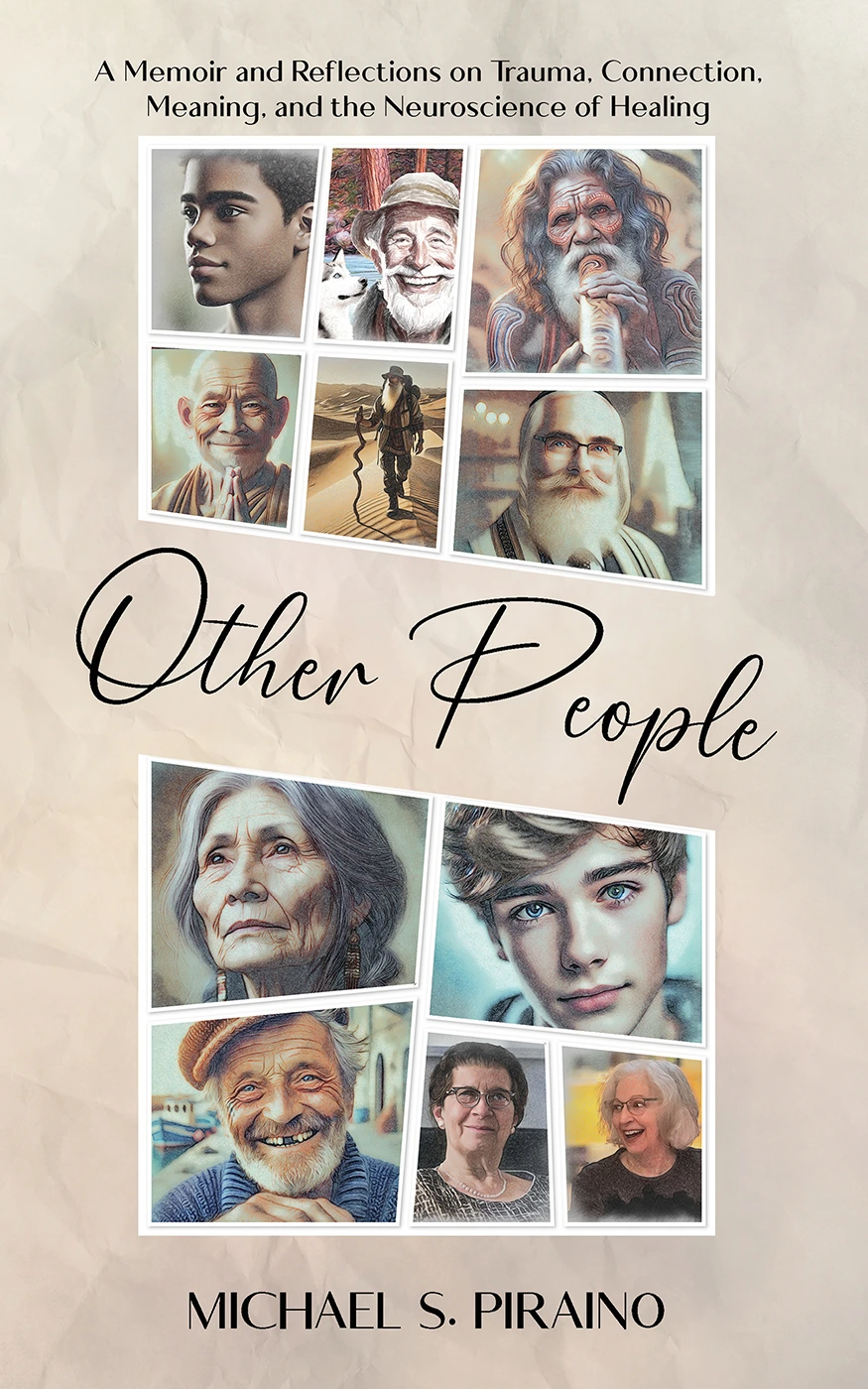
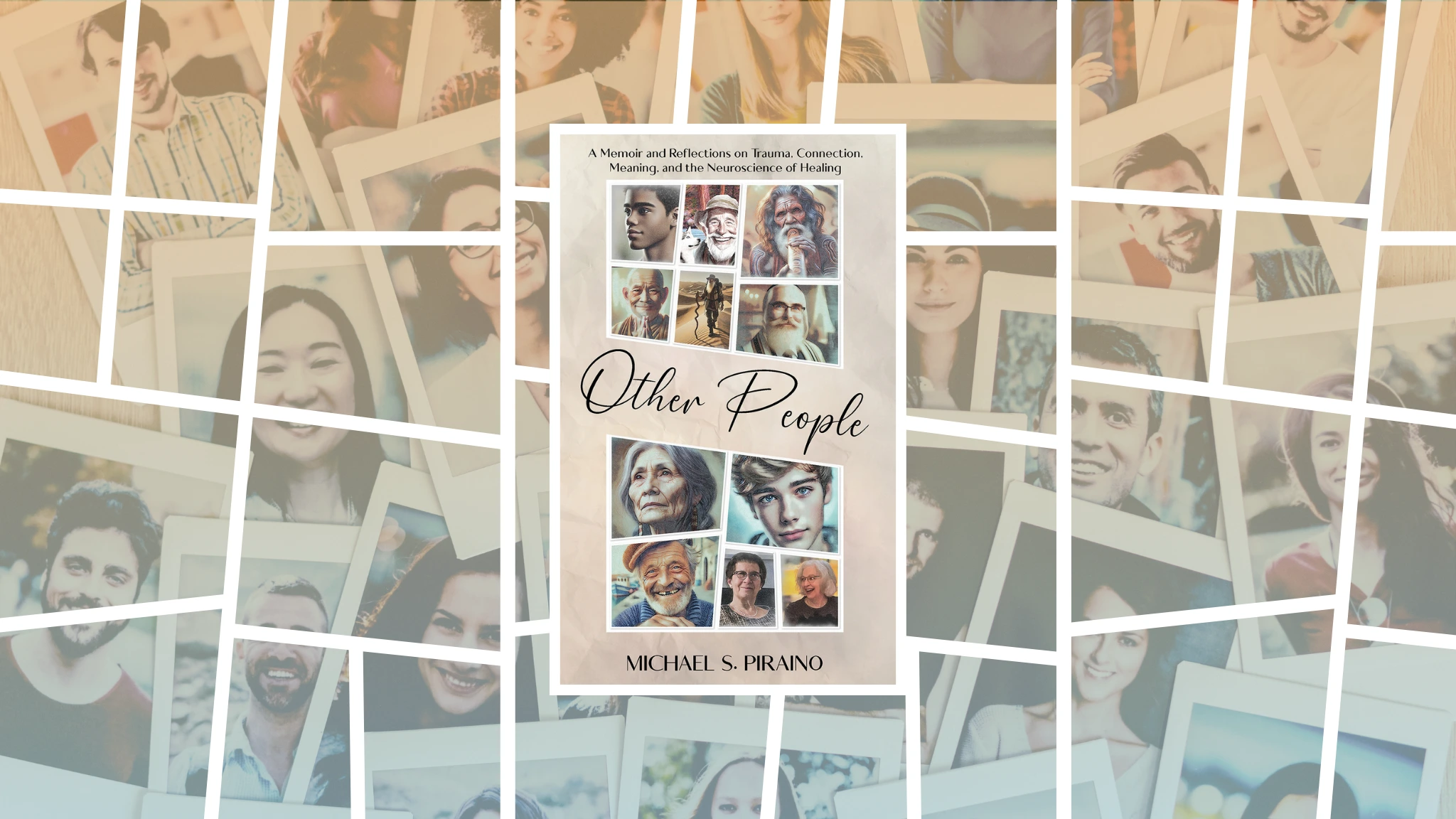
Other People: A Memoir and Reflections on Trauma, Connection, Meaning, and the Neuroscience of Healing by Michael S. Piraino
What if the story of your life isn’t really about you?
In Other People: A Memoir and Reflections on Trauma, Connection, Meaning, and the Neuroscience of Healing, Michael S. Piraino makes a quiet but persistent case that who we become is shaped, piece by piece, by those around us. It’s a compelling premise, one he explores with emotional honesty and a kind of patient curiosity, blending memoir with psychology and philosophy into a reflective meditation on healing.
At the heart of the book is a formative trauma Piraino experienced as a teenager — an encounter that shattered his early belief in a safe and benevolent world. Rather than defining him, however, this event becomes the starting point for a long process of meaning-making. He revisits it not for shock value, but to trace how its effects ripple outward over time, altering how he sees others and how he understands himself.
Piraino does not tell this story in a straight line. Instead, the book unfolds as a series of reflections organized around the people, places and influences that helped him rebuild his sense of self. Family members, teachers, colleagues, foster youth, spiritual thinkers — even strangers who appear briefly and then vanish — each leave an imprint. Some of these moments are small, almost easy to overlook, but they accumulate.
The Iterative Self
The metaphor of life as a puzzle quietly carries the book. Piraino suggests that we don’t fully understand our lives as they’re happening; we assemble them later, in fragments, often with pieces that only make sense in hindsight. The effect is less a single arc than a gradual layering of meaning.
Interwoven throughout is an accessible exploration of how trauma affects the brain and how it can heal over time. Piraino explains these ideas by grounding them in lived experience rather than abstraction. The science is there to illuminate, not dominate, and it’s presented with a light touch that keeps the narrative front and center.
Again and again, the book returns to connection—not as an idea, but as something lived. Recovery unfolds through relationships, certainly, but also through time spent in nature, through art and music, through moments that don’t announce themselves as important until much later. Drawing on his extensive work in child advocacy with foster youth, families and the professionals who support them, Piraino gives these ideas weight. He has seen, up close, how consistent care can begin to repair what trauma disrupts.
He also engages with spiritual and philosophical traditions as ways of making sense of suffering, though he resists settling into any single framework. That openness shapes the book’s larger worldview: healing is not about taking a prescribed route. It’s also not about arriving at clean answers. It’s about learning to live with complexity — and, at times, not knowing.
Impactful Insights Conveyed With Clarity
The writing reflects that sensibility. Piraino’s prose is measured and clear, more interested in being understood than in drawing attention to itself. He handles difficult material with restraint, which gives it more impact. The reflective style often loops back around to its core ideas, and that repetition mirrors something true about healing: we return to the same questions, again and again, seeing them slightly differently each time.
What lingers most is not the trauma itself, but what Piraino builds in response to it. There is a quiet optimism here — not the kind that denies pain, but one that makes room for it. In revisiting family and relationships across different stages of life, he suggests that identity is not fixed so much as continually revised, shaped by the people who enter and leave our lives.
For readers drawn to memoirs that grapple with trauma without reducing it, Other People offers both insight and reassurance. It doesn’t promise resolution. What it offers instead is something steadier: a way of understanding how we are shaped, how we heal and how we move forward — not alone, but alongside others.
About Michael S. Piraino
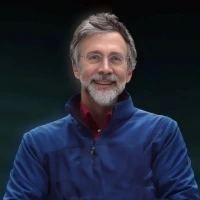 Michael Piraino is a nationally recognized child-advocacy leader and resilience educator whose life’s work has been shaped by personal experience and decades of service to children and families. He helps young people and the adults who support them understand how healing happens through connection, meaning, and the science of resilience.
Michael holds a law degree from Cornell University and a master’s degree from Oxford University. He spent over 20 years as CEO of the National Court Appointed Special Advocate Association, leading one of the country’s largest volunteer movements for abused and neglected children. He later founded Resilience for Success, where he has taught individuals and organizations practical, science-based tools for navigating trauma, stress and change.
Honored multiple times as one of the nation’s top nonprofit leaders of power and influence, Michael continues to support children, families and professionals through trauma-informed coaching, speaking and training.
He lives on an island in Washington State with his wife, Carin, and their dog, Tenaya, where he also volunteers at Mount Rainier National Park and pursues his lifelong love of photography.