Sports fans have more choices than ever to watch sports. But no matter how many leagues are created or other sports that take massive leaps forward in popularity, in America, the NFL reigns supreme as the most dominant sports organization.
Via the Hollywood Reporter, NFL ratings continue to remain high as Amazon, CBS, ESPN, Fox and NBC all saw their audience numbers increase year to year, while Amazon, CBS and NBC are all claiming record years, and ESPN and Fox are experiencing solid ratings.
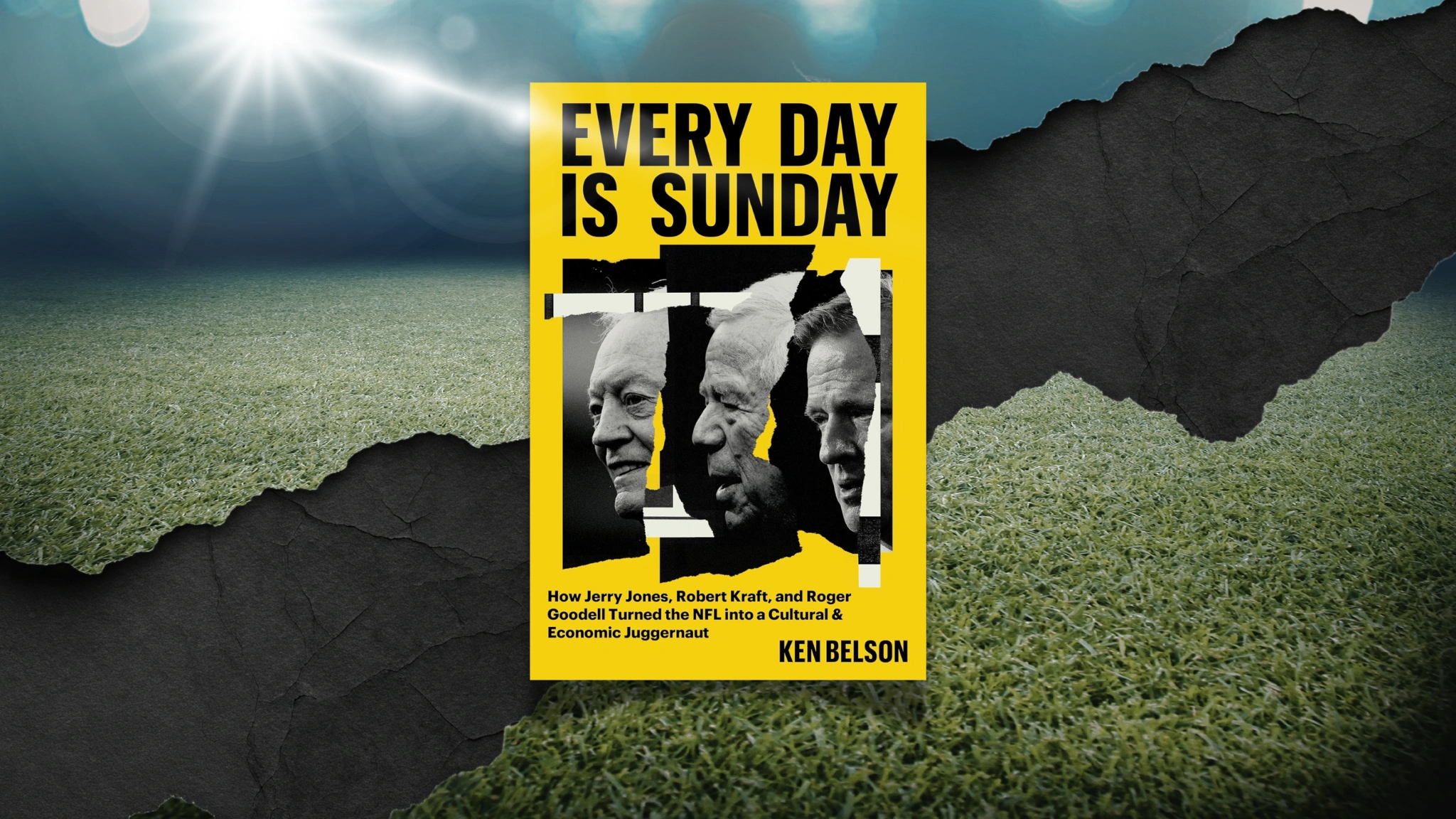
New York Times Business & NFL reporter and author Ken Belson, profiles how NFL Commissioner Roger Goodell and the NFL’s most powerful owners, Jerry Jones, owner of the Dallas Cowboys, and Robert Kraft, owner of the New England Patriots, worked together to propel the NFL over the other sports leagues in the United States in his book Every Day Is Sunday: How Jerry Jones, Robert Kraft, and Roger Goodell Turned the NFL into a Cultural & Economic Juggernaut.
In this conversation, Belson reveals why Jerry Jones, Robert Kraft and Roger Goodell’s story of growing the NFL made for a compelling story, their vision of making the league the top sports organization in America, and the dynamic between the three men.
What inspired you to tell this origin story of how the NFL became the dominant sports league in America, with Jerry Jones, Robert Kraft and Roger Goodell at the helm?
Frankly, when I went looking to see what had been written about the business of the NFL, there basically are no books. So I thought, well, that’s a good opportunity, right? You don’t want to write the 18th version of, you know, Belichick and Brady. So it seemed like a great opportunity to do that. The subtitle of the book is how Jerry Jones, Robert Kraft and Roger Goodell turn the NFL into a cultural and economic juggernaut. The culture part of it was something I added because I think that it’s much more than a business story. The outsized impact of the NFL is extraordinary to me.
How did Jerry Jones, Robert Kraft and Roger Goodell shape today’s NFL stadium standards, where teams are increasingly expected to play in top-tier, modern venues?
So, look, all sports leagues, professional sports leagues, go or try to go to local governments to get handouts. It’s truly one of the most startling things. You got privately funded leagues now with owned by teams owned by billionaires. Who could make this work on their own. And yet part of the playbook is let’s see how much public money we can get out of the state or city of New York. The bills got $900 million from the state and the county of Buffalo. And that was one of the larger amounts because the total at that time was 1.6 billion. It’s now over two. So, but even over two, it’s still almost 50% of the funding. And to what end? The economics of making back tax revenue —they almost never make back what they claim. And they certainly don’t create the same jobs because the new bill stadium will employ the people who worked at the old bill stadium. You’re not adding that many jobs. There’s of course construction jobs with those go away. So it’s truly one of the bigger corporate shakedowns that’s gone on for decades.
Why do you view the NFL combine as dehumanizing, and how does that theme shape your “Slave Auctions and Bro Hugs” chapter?
We don’t actually need the combine except that it gets ratings. And that in the two, three weeks after the Super Bowl and into the combine, ESPN is just talking about this all the time. It’s programming. And so I actually think that we’re going to get to the point with NIL, where college players understand that they’re actually, their value they’re gonna understand more viscerally what they’re worth. And I think we’re gonna have more players in time say, if you want me to come to the combine, pay me. Otherwise, just come to my pro day or whatever. It’s gonna take a couple of brave players because if you’re on the bubble and you’re not quite ready to get drafted or you don’t think you might, not showing up is gonna make you look like a quote-unquote troublemaker. But I think if enough players just say or their agents say, don’t go, what’s the point of being on TV like that? Then I think it could change.
With the dynamic between Jones, Kraft and Goodell, can you highlight just the relationship between them?
Jerry and Robert are very different people in the sense that Jerry’s from the South. He’s a bit of a bull in a China shop. He’s a charmer. Robert came from the Northeast, more reserved, a bit more of a diplomat, but ultimately, they both wanna make money. They both wanna win Super Bowls. They’re both very competitive. Somebody was just telling me a couple of days ago. I wish I had interviewed them for the book — former NFL person said that they were at NFL headquarters, and they stepped into the elevator, and Jerry and Robert were in the elevator, just the two of them. And this was years ago. And they spent the whole elevator ride arguing about which private jet they were gonna take to Foxboro that night. So these guys live in, they’re very different people, but they’re also very similar. They’re both billionaires. And they’re kind of interesting and complementary. As I said, Jerry’s kind of a bull in a China shop. He has tons of ideas. He’s a little bit reckless. He speaks in circles, very folksy. Robert is less the idea guy, but he’s more the guy who gets it done or gets it to the finish line. So they’re both influential there. And of course, they’re both in Goodell’s ear a lot. They’ve both been called the shadow commissioner for good reason because they wield a lot of power in the room, the room being the 32 owners. And so Goodell, being the sort of his job is really to listen. He takes their counsel and tries to make sure their voices are heard.
When readers finish the book, what impression do you want them to have of the NFL and of Roger Goodell, Jerry Jones, and Robert Kraft on how they grew the league?
Well, I would say mainly that this was not by accident. These are guys who thought about this and planned this over time. Probably were surprised at how quickly and how popular the game got, even with their efforts. But I’ll leave you with a quote that I really like from a guy who used to work for the league. And he said, Roger Goodell is not concerned with the other sports leagues. They’re not his main concern. He wants the NFL to be thought of in the same light as Disney and the Vatican. A media-friendly or family-friendly media company and a cultural institution. And that’s where his mind is at. That’s where the NFL aims to be relevant all times a year but also act like a media company that’s around 365, 24-7.
About Ken Belson:
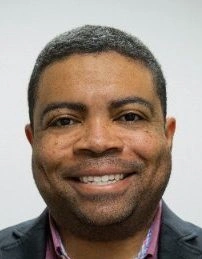
 New York Times reporter Ken Belson has covered the business of the NFL and other sports leagues for more than 15 years. He has written about franchise sales, player health and safety, stadiums, media and labor, and many other issues driving the country’s most popular sports.