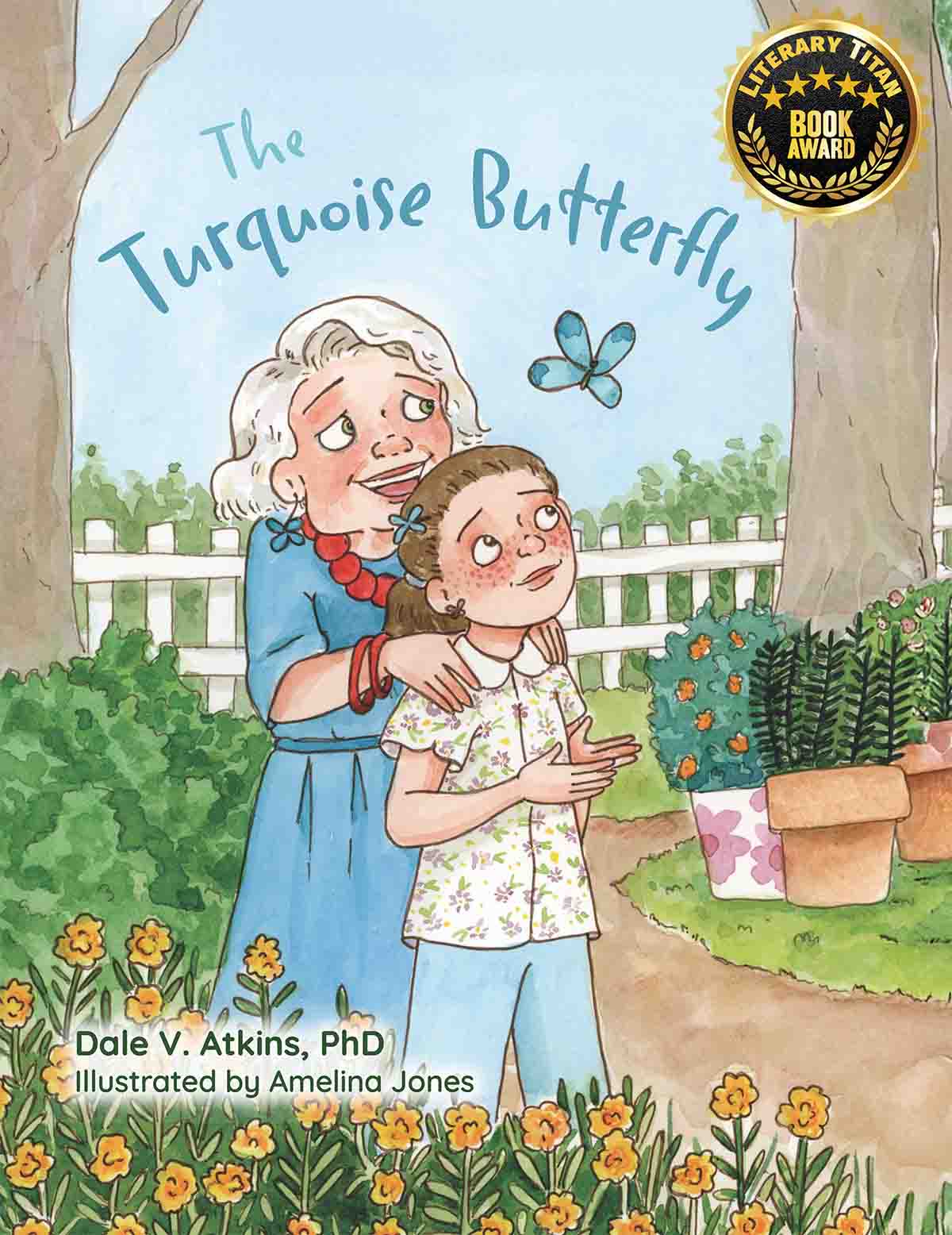
The Turquoise Butterfly by Dale V. Atkins, PhD
In The Turquoise Butterfly, Dale V. Atkins, PhD, offers young readers a tender, emotionally intelligent story about change — both the kind we anticipate and the kind that arrives without warning. Told through the eyes of a young girl named Victoria, the book explores childhood anxiety, resilience and grief with a gentleness that never talks down to its audience, trusting children to feel and understand more than adults sometimes expect.
Two Butterflies, Two Ways of Moving Through the World
Each summer, Victoria travels by train to visit her beloved Grandma Sylvia, whose very presence feels like an invitation to adventure. Grandma moves through life like a butterfly — fearless, spontaneous and dressed in shades of turquoise. Victoria, by contrast, experiences nearly everything through the fluttering unease of “belly butterflies.” She loves her grandmother’s adventures but feels safest when she knows exactly what’s coming next. This contrast establishes the book’s central emotional tension: the push and pull between comfort and uncertainty, caution and courage.
Over the course of three summers, the story gently charts Victoria’s growth as she faces new experiences alongside Grandma Sylvia. Everyday adventures — a trip to the duck pond, the library, the playground — establish a rhythm of security before the narrative introduces moments of real fear, most strikingly in a beach scene where a sudden current pulls grandmother and granddaughter away from the shore. Here, Atkins skillfully models calm problem-solving without dramatics. Grandma teaches Victoria to “spread your wings like a butterfly” and float, pairing physical safety with emotional reassurance. The repeated butterfly song that accompanies these moments becomes both a grounding tool and a refrain of connection that carries the story forward.
When Love Learns to Let Go
One of the book’s quiet strengths is how it prepares readers for loss without ever announcing it. As summers pass, Grandma becomes slower, needing a walking stick and frequent rest. These changes are acknowledged matter-of-factly, just as a child might observe them, and the story emphasizes adaptation rather than fear. When Grandma eventually dies, the moment arrives with emotional clarity but no sensationalism. The focus remains on Victoria’s experience — her confusion, her sadness and, ultimately, her ability to carry love forward. The butterfly motif evolves seamlessly from nerves, to transformation, to a comforting symbol of presence beyond physical absence.
Amelina Jones’s illustrations play a crucial role in shaping this emotional arc. Rendered in soft, watercolor-like textures and a soothing palette of blues, greens and warm earth tones, the artwork mirrors Victoria’s inner world. Early spreads subtly emphasize her apprehension through posture and expression — clutched hands, wide eyes — while Grandma’s open stance and flowing clothing visually reinforce her ease and warmth. As the story progresses, the illustrations quietly shift: Victoria stands taller, moves more confidently, and takes visual center stage more often, particularly in the later scenes at camp, where her growth is expressed without a single explanatory sentence.
The use of space is especially effective. Some spreads are filled with activity and detail, while others allow generous white space to slow the pace and invite reflection. This ebb and flow supports read-aloud experiences and gives young readers room to absorb big emotions. Small visual callbacks — turquoise clothing, butterflies hidden in the margins, the reappearance of the butterfly T-shirt — reward attentive readers and reinforce the story’s themes without feeling repetitive.
Big Feelings, Gently Held
While The Turquoise Butterfly clearly addresses grief, it does so within a broader framework of emotional resilience. The book affirms that fear and excitement often feel similar, that change can be unsettling even when it’s positive, and that love does not disappear when someone is gone — just like a chrysalis, it transforms. These ideas are presented with warmth and restraint, making the book particularly well-suited for children navigating new situations, from first camps and classrooms to the more complex experience of losing a loved one.
Atkins’s background in child development is evident, but never heavy-handed. The story resists overt lessons, allowing meaning to emerge naturally through repetition, imagery and character growth. The Turquoise Butterfly is a gentle, beautifully composed book that invites conversation, comfort and rereading — one that children will return to not just for reassurance, but for the quiet joy of recognition.
About Dr. Dale Atkins:
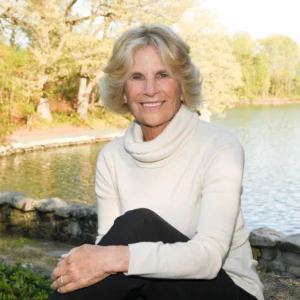 Based in New York City, Dale Atkins is a licensed psychologist with more than forty years of experience as a relationship expert focusing on families, wellness, managing stress, and living a balanced, meaningful life. Author of eight books and many chapters, articles, and journals for popular and professional audiences, Dale is a featured speaker who lectures and leads seminars worldwide. Dale has appeared regularly on NBC’s TODAY and CNN. Dale has a private psychology practice in New York City and has been a member of, and advisor to several nonprofit boards, including Jumpstart for Young Children, and Women’s Health Access Matters (WHAM), since their founding. She has two children, six grandchildren, and lives in Connecticut.