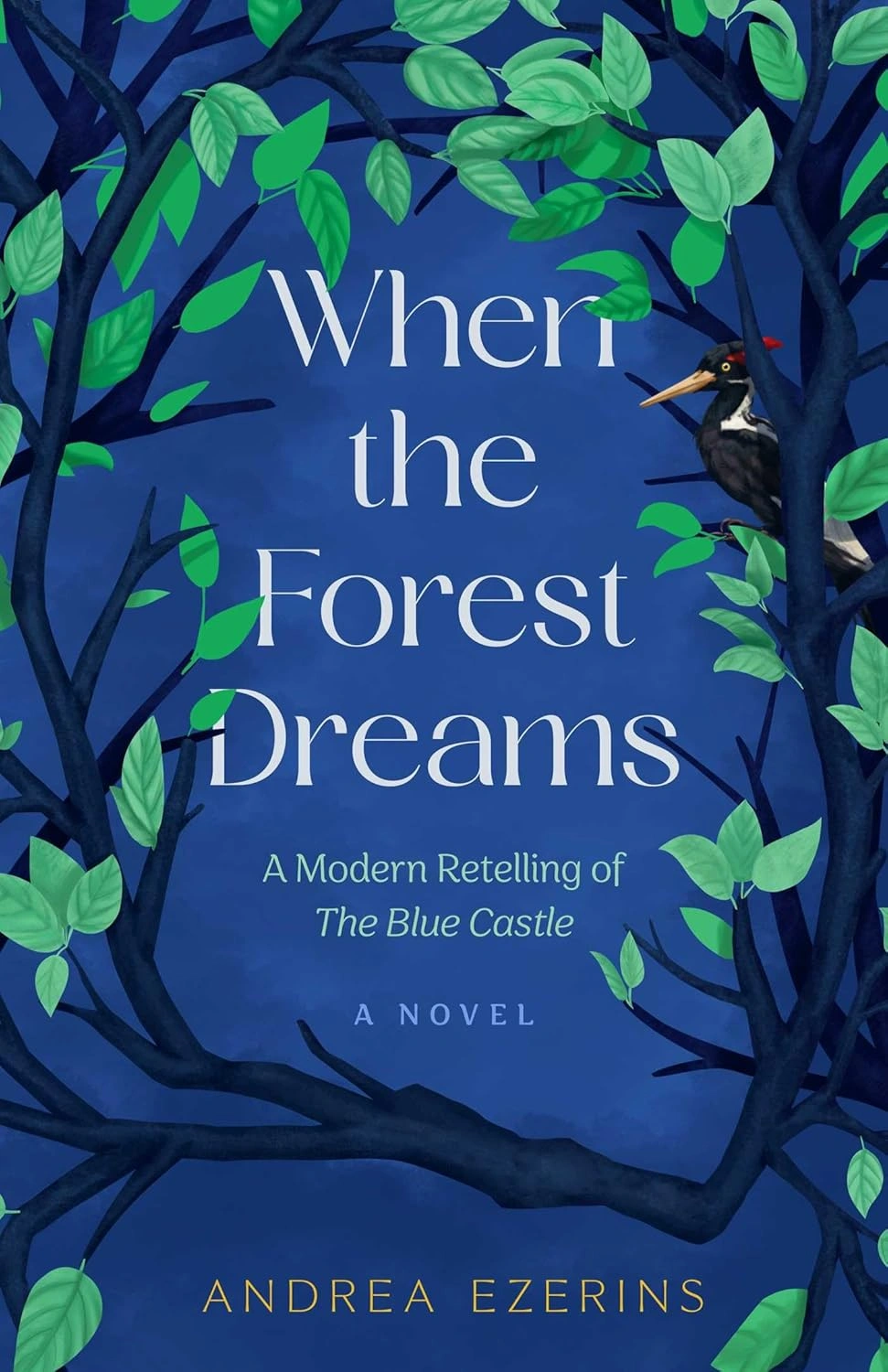
When the Forest Dreams by Andrea Ezerins
In When the Forest Dreams by Andrea Ezerins, we are in New York City in 2013. Emma Jablonski lives with her parents and grandmother in a rent-controlled apartment on the Upper East Side. Her days follow a dreary routine: early mornings with dough and flour, evenings with family television, and worry about money and her mother’s health. Her one escape is inside her head. Since childhood, Emma has dreamed of a lush green forest and a mysterious man she calls Ceyx, named for the mythic kingfisher of her favorite story. Waking life feels beige by comparison.
Next door lives Jake, the neighbor she has been infatuated with for years. He seems to move through the world with ease. Emma hardly speaks to him. She cannot imagine stepping beyond routine or challenging her father’s stern rules, so she hides her crush and shrinks herself to fit the small space left for her.
A Diagnosis and a Six-Month Deadline
Everything shifts after a series of troubling symptoms sends Emma to a neurologist. The possibility of following in her mother’s footsteps with a multiple sclerosis diagnosis looms. Ezerins writes these scenes with clear, grounded detail: the rustle of paper on the exam table, the chill of the doctor’s tone, the way fear makes Emma see every step as borrowed time. Readers who live with chronic illness, or who love someone who does, will recognize the mix of dread and dark humor that creeps in.
Emma makes a startling bargain with herself. She will claim six months of “living time” before she agrees to treatment and settles into the dutiful life everyone expects of her. That promise cracks her shell. She tells Jake about her diagnosis and he and his model friend, Veronica, known as Vee, decide they will help her pack a lifetime into half a year.
What follows feels both playful and poignant. Jake and Vee become unknowing partners to Emma’s plan. A plan that soon includes a fake engagement, glittering Manhattan parties, a makeover that still feels true to shy Emma and small acts of rebellion like private cooking nights and late walks in Central Park. The ruse gives Emma cover from her strict family. To her parents and grandmother, engagement means stability. To Emma, it means a little space to breathe.
The pretend romance soon stirs up real emotion. Ezerins handles this shift with patience. Attraction builds through small, intimate moments: shared subway rides, quiet breakfasts, bird walks at dawn. When the relationship turns physical, the scenes carry heat and tenderness without losing sight of Emma’s inexperience and anxiety. The book earns its steamier moments through character work rather than shock, and that balance suits the story.
Vee adds spark and complication. As a successful model with her own private struggles, she pushes Emma toward bolder choices while masking her own pain. The triangle that forms between Emma, Jake and Vee never tips into cliché. Instead, it deepens the story’s questions about self-worth and about the temptation to settle for the role others expect.
Birds, Myths and a Forest That Feels Alive
Birds anchor nearly every part of the novel. At first, Emma’s obsession centers on the wood duck and the kingfisher that she tracks in her worn bird guide. She connects them to the myth of Halcyon and Ceyx, lovers who were turned into birds so they could stay together. That story threads through Emma’s dreams and later through her waking choices.
Jake widens her focus. He introduces her to the world of serious birders and to the long, heated debate over the ivory-billed woodpecker, a huge black‑and‑white bird many consider extinct. Jake believes it still survives in remote southern forests. The search resonates with Emma, and she latches onto it when she needs a lifeline. The bird becomes a symbol of the life she hopes she might still claim: rare, fragile and just beyond sight.
The novel’s middle sections move from Central Park and Fifth Avenue apartments to an Arkansas field camp where Emma joins a research team. Here, the forest of Emma’s dreams starts to echo the real swamp and old-growth woods around her. Ezerins is at her best in these chapters. She brings out the damp heat, the hum of insects and the hush that falls when an owl calls or a mystery bird drums on a distant trunk. The forest feels both healing and dangerous. Emma gets lost more than once, yet each misstep pushes her closer to the courage she needs.
A Modern Blue Castle
Readers who love L. M. Montgomery’s The Blue Castle will spot the bones of that earlier story, even though Ezerins never leans too hard on them. Emma, like Valancy Stirling, starts out hemmed in by an overbearing family and a narrow view of her prospects. A frightening medical verdict jolts her into action. She enters a marriage-like arrangement with a man who seems far above her reach and leaves home for a wilder place that might not impress anyone else. She learns to want more for herself than quiet obedience.
The fun lies in how fresh the retelling feels. Instead of a remote Muskoka cabin, we get a bird camp in the Arkansas wetlands. Instead of early twentieth-century letters, we get laptops, social media and modeling jobs. Instead of a heroine who has no language for chronic illness, we have a young woman who can name her disease and the medications that treat them, yet still wrestles with fear and stigma. The echoes of Montgomery add an extra layer for readers who know the classic, but newcomers can enjoy the novel without any background at all.
Through Emma’s point of view, Ezerins explores several kinds of burden. Emma’s mother lives with advanced MS and swings between warmth and bitterness. Her father works constantly at the bakery and guards his daughter’s reputation with rigid rules. Her grandmother wields religion like a shield and a weapon. None of them read as villains. They feel tired and scared, clinging to what little security they have in a city that keeps pressing in.
Emma’s diagnosis and later test results complicate those strains rather than offering neat relief. The book closely examines how a young adult might react to a life-altering label, from denial and bargaining to grief and fierce protectiveness over the joy she has just begun to taste. The story does not treat medical decisions as simple. Doctors offer options, friends share opinions and Emma has to sort out how each new development tests her mettle.
We follow Emma past her six-month deadline and see glimpses of her later life. Without revealing turning points, it feels safe to say that she learns how to build a future that holds both love and uncertainty. Chronic illness remains part of her reality. So does the pull of birds and wild places. One late scene, set years after the Arkansas trip, ties the fate of the ivory-billed woodpecker to the fate of Emma’s own hopes in a way that feels both bittersweet and reassuring.
Why This Story Lingers
Ezerins writes in a clean, steady first-person voice that stays close to Emma’s inner life. The prose favors simple sentences, yet small images stand out: steam rising from loaves of rye bread, snow falling outside a Fifth Avenue window as a fake couple tries to act natural, strings of survey tape marking a path through thick woods. Humor breaks up the heaviness. Emma has a dry, self-aware streak, and Vee’s blunt comments cut through tension at key moments.
The pacing feels measured rather than breathless. Readers who crave nonstop action may not be the target audience here. Instead, this book suits readers who enjoy watching a character grow step by step, through family dinners, fieldwork days, little rebellions and quiet kisses. The romance lands because we watch Emma and Jake build trust one conversation at a time, even when jealousy and miscommunication threaten to crack that bond.
Bird lovers will find extra pleasure in the careful details. From Central Park’s resident ducks and owls to the long history of ivory‑bill sightings and false alarms, the book reflects careful research. The author’s note confirms that passion and explains where she adjusted facts for story purposes, which may interest serious birders who like to compare fiction with field guides.
At heart, though, the novel works as a story about permission. Permission to want more than bare survival. Permission to fall in love even when others are against it and health feels fragile. Permission to trust dreams, both literal and figurative, as a guide toward a richer life. Emma’s journey from timid bakery girl to woman who claims her own forest feels earned, emotional and quietly hopeful.
When the Forest Dreams should appeal to readers who cherish gentle contemporary romance, character-driven women’s fiction and coming‑of‑age stories with a strong sense of place. Fans of The Blue Castle will enjoy tracing the parallels and spotting the clever twists on the original plot. Readers who live with chronic illness will relate to a heroine whose body demands care yet does not erase her right to adventure and desire.
If you love birds, if you have ever stared out a city window and longed for a different path, or if you simply want a romance that blends warmth, humor and a touch of fairy‑tale shimmer without losing sight of real-world stakes, Emma Jablonski’s story is well worth your time.
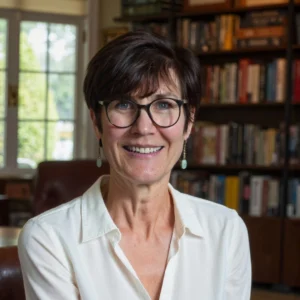
About Andrea Ezerins: