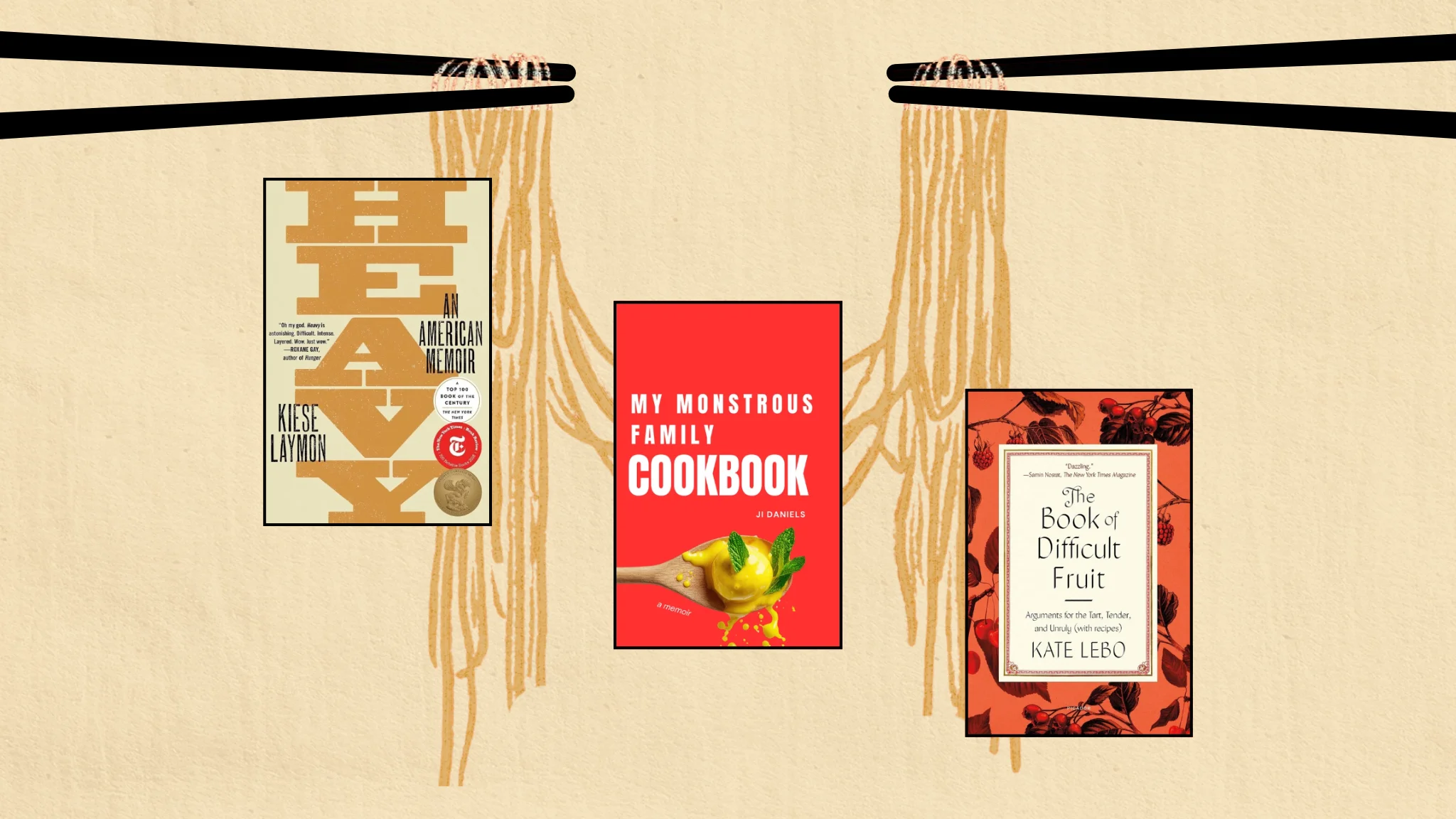
When it comes down to it, we are bodies, and bodies need food. When I wrote My Monstrous Family Cookbook, it felt important to weave together essays and recipes, to make the food the story and the story the food. How better to represent the complexity of life, from its tribulations to its pleasures?
But nothing exists in a vacuum, and I am not the first, or even the ten-thousandth person, to connect this. Food is required for life, and it is one of the delights of living. It is also something else; it is the intersection of how we live. The best food memoirs recognize that we are never just satiating hunger; we are using food to talk about our nationality and culture and identity and love. It connects us to our friends and family and to the world, and it rests in our bodies.
These five books use food to tell stories that are otherwise difficult to tell, about the complexities of human experience that are in our hearts and our bellies, reminding us that we are complicated and unique.
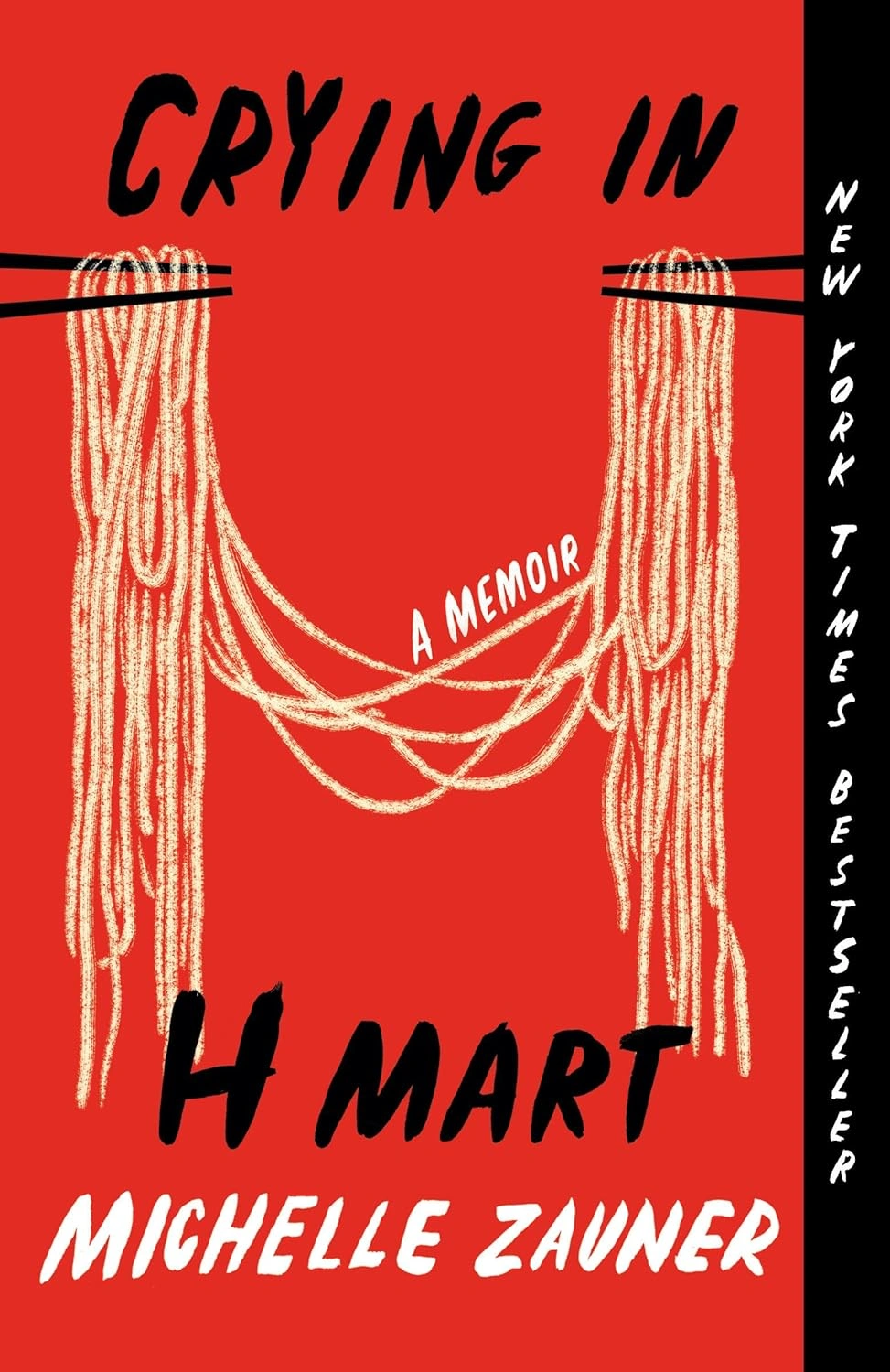
Crying in H Mart by Michelle Zauner
Crying in H Mart could have been just another music memoir, but like the best books, it is so much more. It isn’t the story of how Japanese Breakfast became a success (though it includes it, of course); it is the story of how Michelle Zauner came to understand herself amidst her Korean American identity, the tensions of being stretched between worlds — culinary and cultural — and how the complicated relationship with her mother and her grief at her death came together to produce something beautiful.
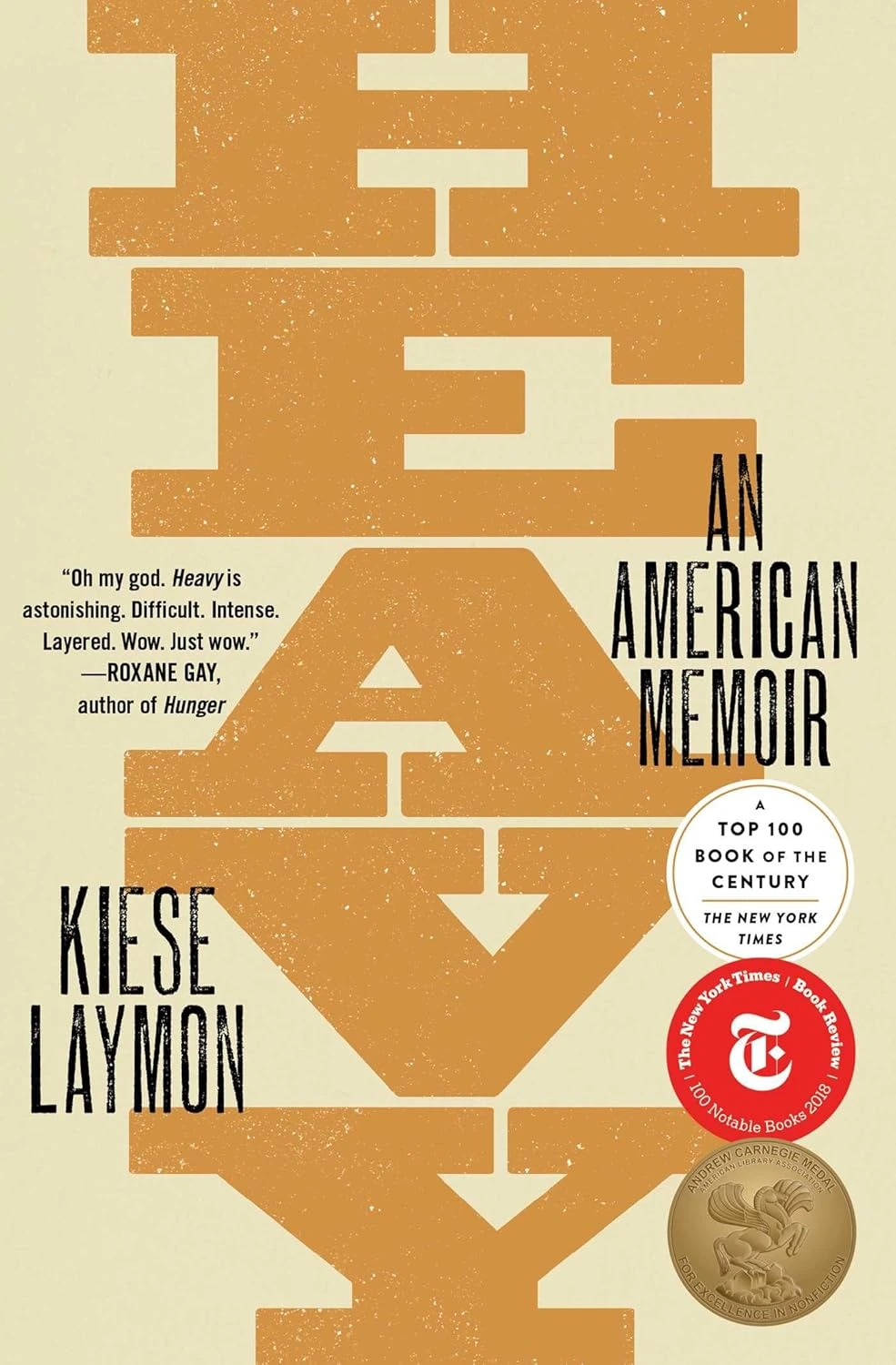
Heavy by Kiese Laymon
Kiese Laymon’s memoir is more than it seems. It is about race, masculinity, violence, family, and shame. It is about the impossible expectations and pressures that shape Black lives in America. It situates itself in his body, where eating, alongside his intelligence and talent, becomes a locus of control. From gaining weight in his youth to the ritualistic losing of it through extreme diet and exercise to gaining it back again. It is a breathtaking memoir about so much, told simply and beautifully.
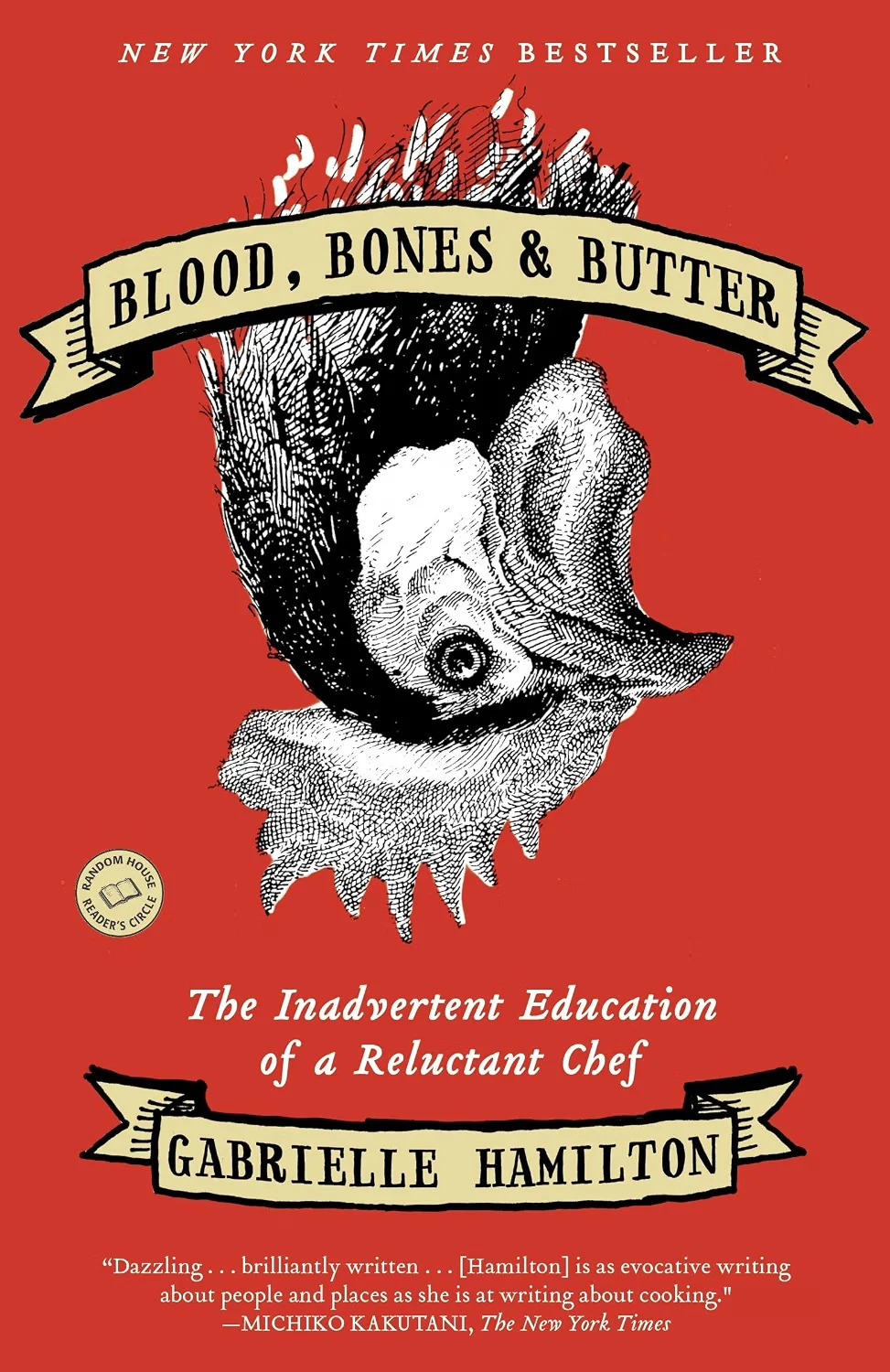
Blood, Bones & Butter by Gabrielle Hamilton
Chef Gabrielle Hamilton writes about devouring. It starts with her family, large and chaotic, in trouble all the time, tempestuous, and broken. They fight and they drink and they wound each other, but still they come back together, often, over food. It is a book about someone who cooks not because it was her job, but because it was her compassion and her compulsion. It is the story of indulgence and alcoholism and loss and failure and success. Though she learns to keep moving forward, one dish at a time.
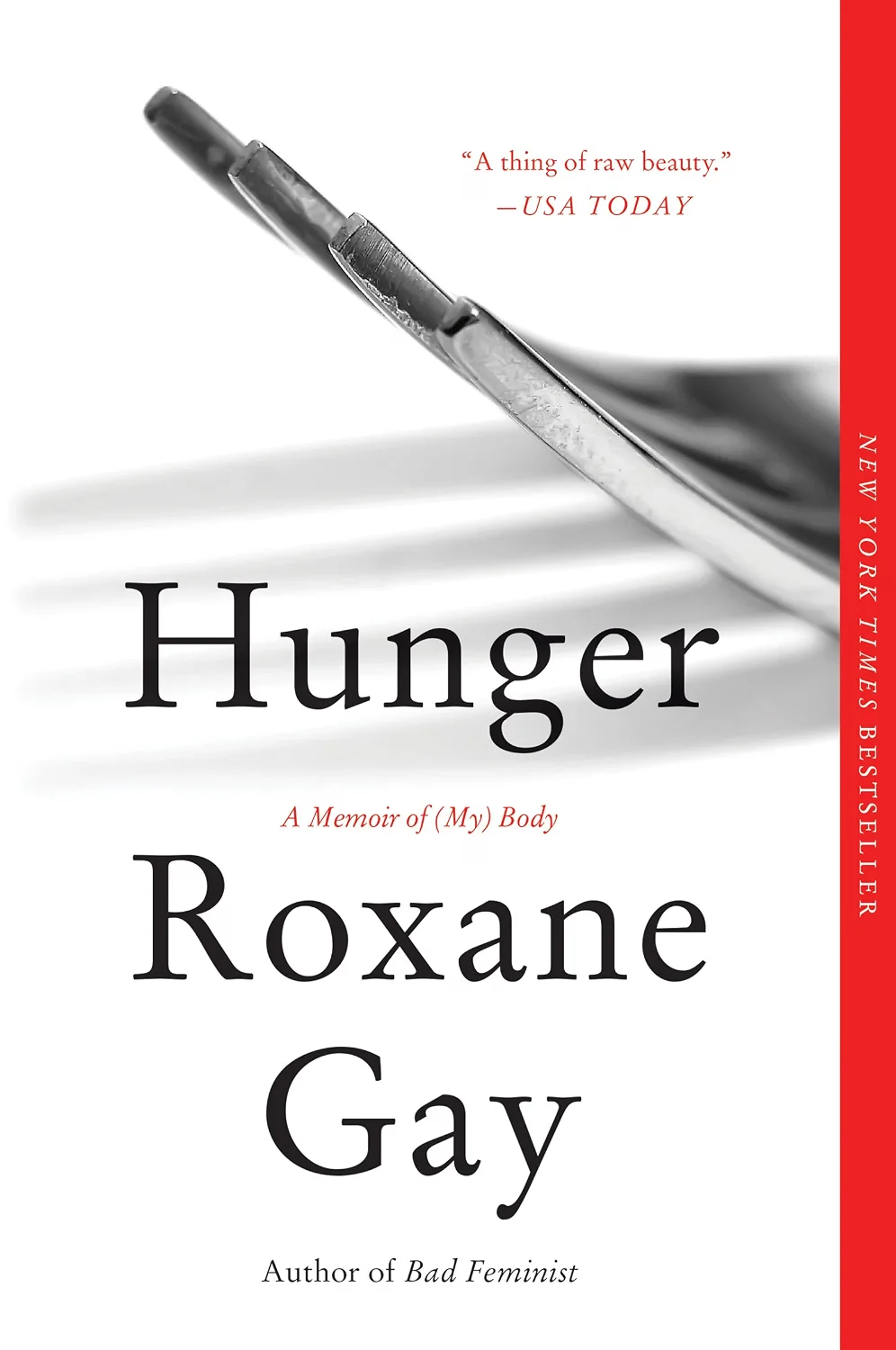
Hunger by Roxane Gay
Following an incident of traumatic violence during her adolescence, Gay explores how her relationship with food and weight became intertwined with her desire for safety, privacy and control. She rejects the ways in which we condescendingly try and treat weight as a simple matter of health or appearance and instead asks readers to sit with the much more complicated and much more important emotional situations that lurk beneath the skin.
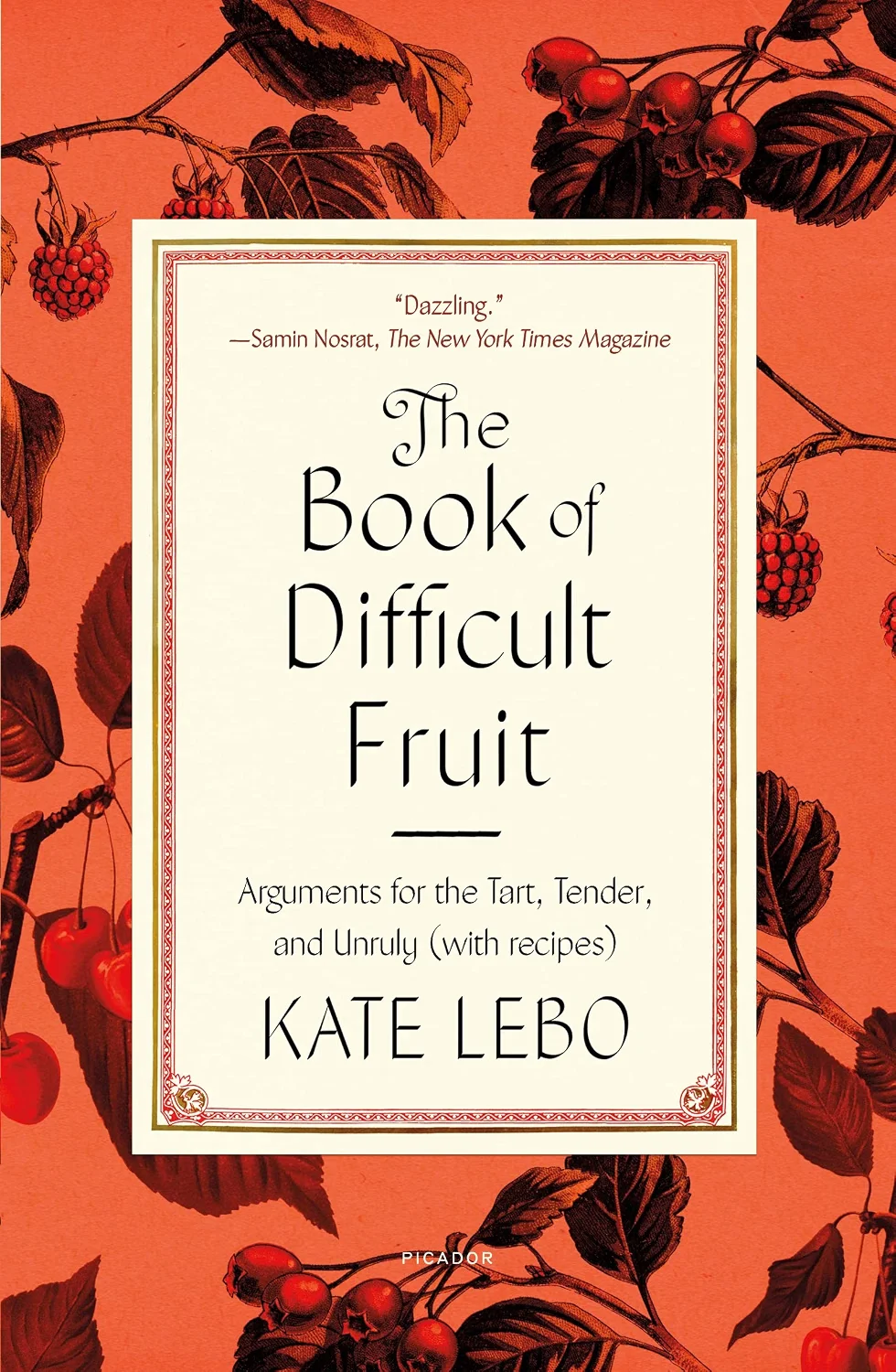
The Book of Difficult Fruit by Kate Lebo
In The Book of Difficult Fruit, Kate Lebo takes a very different approach to the food memoir. Like Aimee Nezhukumatathil’s World of Wonders, but arranged alphabetically, the book uses the catalog to explore memory and family, relationships, desire, illness and the strange ways humans make meaning from the things they consume. Lebo demonstrates that food writing doesn’t have to be confined to recipes, kitchens or family dinners. Sometimes a single ingredient can open up a whole world of unexpected truths.