Winter has always invited stories. Long nights, deep snow and landscapes transformed by cold have given cultures around the world plenty of room for spirits, gods, monsters and miracles. Some traditions turn winter itself into a supernatural force. Others populate the season with creatures that test, protect or deceive the humans who encounter them.
These six fantasies draw from very different traditions, from Russian household spirits and Irish gods to Chinese fox lore, German Christmas tales and the legend of Saint Nicholas. Some retell familiar stories; others use folklore as the foundation for something entirely new. Together, they show just how many kinds of magic can emerge when the temperature drops.
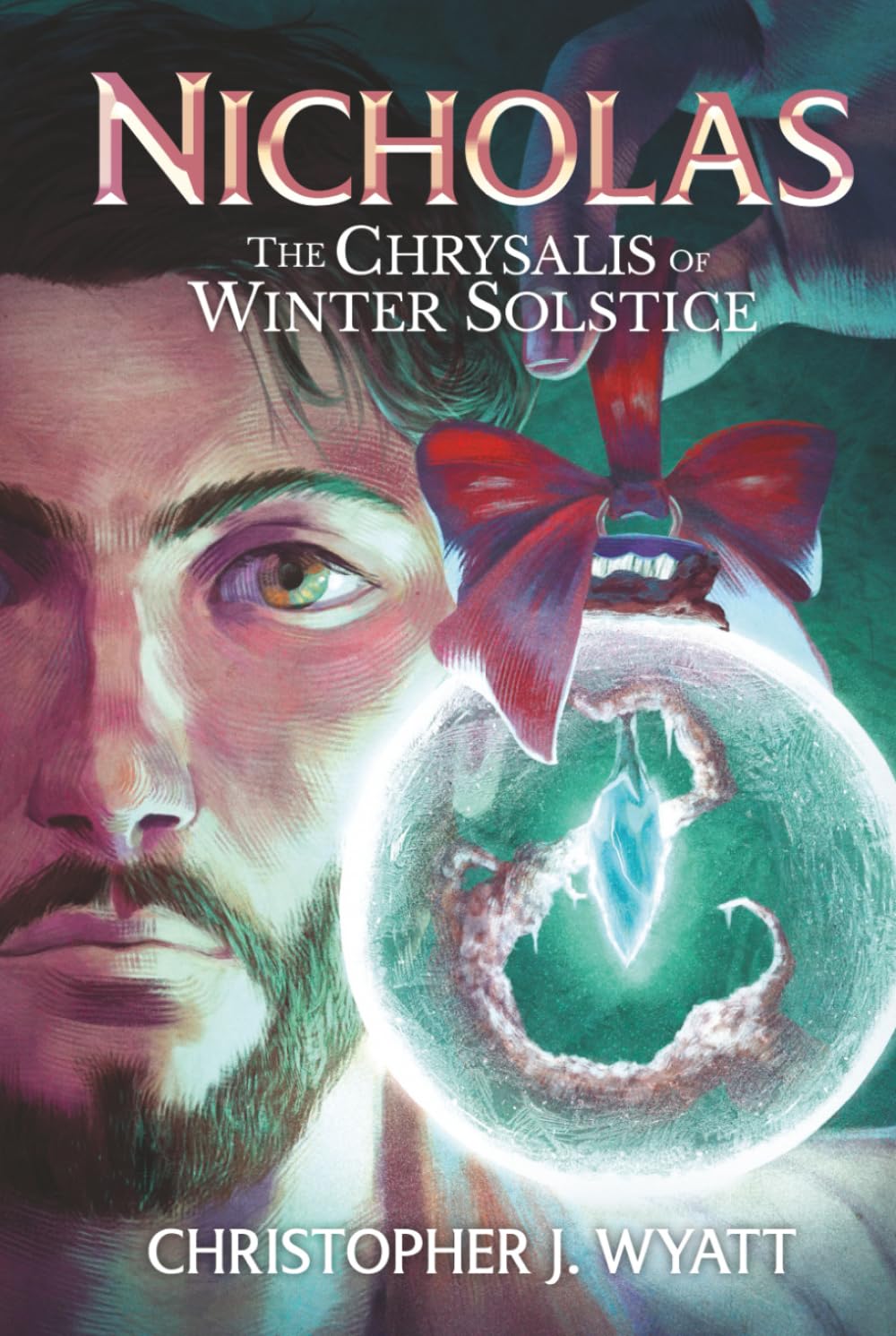
Nicholas: The Chrysalis of Winter Solstice by Christopher J. Wyatt
Before the red suit and flying reindeer came Nicholas, a young man from Patara searching for meaning after his parents’ deaths. His journey takes an extraordinary turn when he is carried into a fantastical winter realm threatened by the Bacillus of Winter Solstice, and he learns he has been chosen as the Restorer of Goodness.
Wyatt builds an elaborate mythology around the historical and legendary figure associated with Saint Nicholas, surrounding him with magical creatures, enchanted artifacts and communities fighting an ancient evil. But Nicholas’s defining gift is not his ability to overpower his enemies. He is called to heal and restore what has been damaged. Even as increasingly wondrous events surround him, he continues to think of himself as an ordinary man capable only of “small deeds.”
The result is less a conventional Santa origin story than a fantasy about the experiences, values and acts of generosity from which a legend might grow.
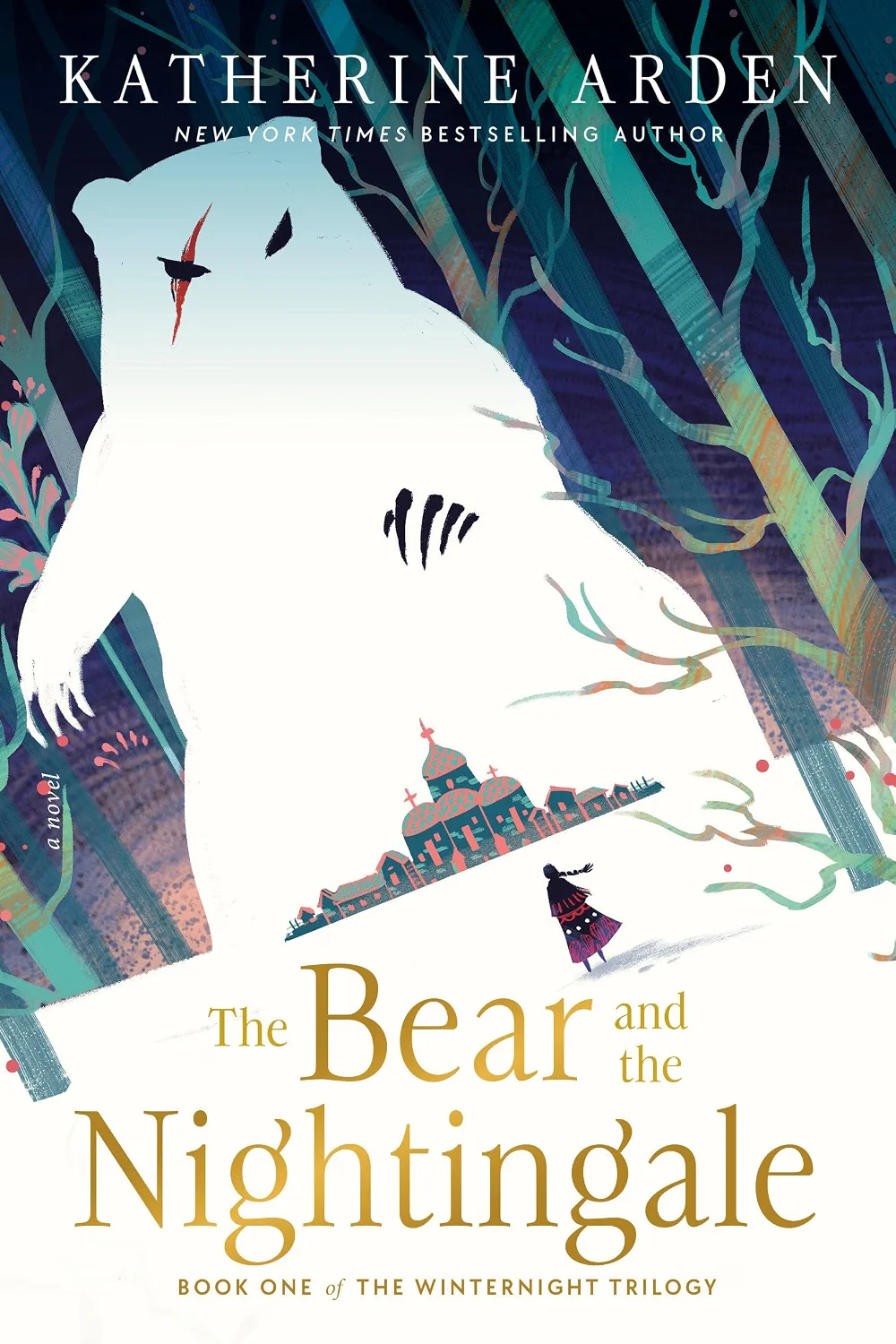
The Bear and the Nightingale by Katherine Arden
In the forests of medieval Russia, Vasya grows up believing in the spirits that inhabit her home and the wilderness beyond it. The domovoi guards the household, other beings watch over the land, and Frost himself belongs to the stories her nurse tells beside the fire.
Then Vasya’s father brings home a fiercely devout new wife who forbids the family from honoring those spirits. As old protections weaken, something far more dangerous begins to stir.
Katherine Arden’s first Winternight novel draws deeply on Russian folklore while exploring the collision between traditional beliefs and Christianity. The cold, the forest and the mysterious winter-king Frost are woven into the story’s supernatural structure.
Its place in this roundup comes from that sense of folklore as something alive. The spirits survive not merely in stories, but in kitchens, forests and barns — and perhaps only as long as people continue to believe in them.
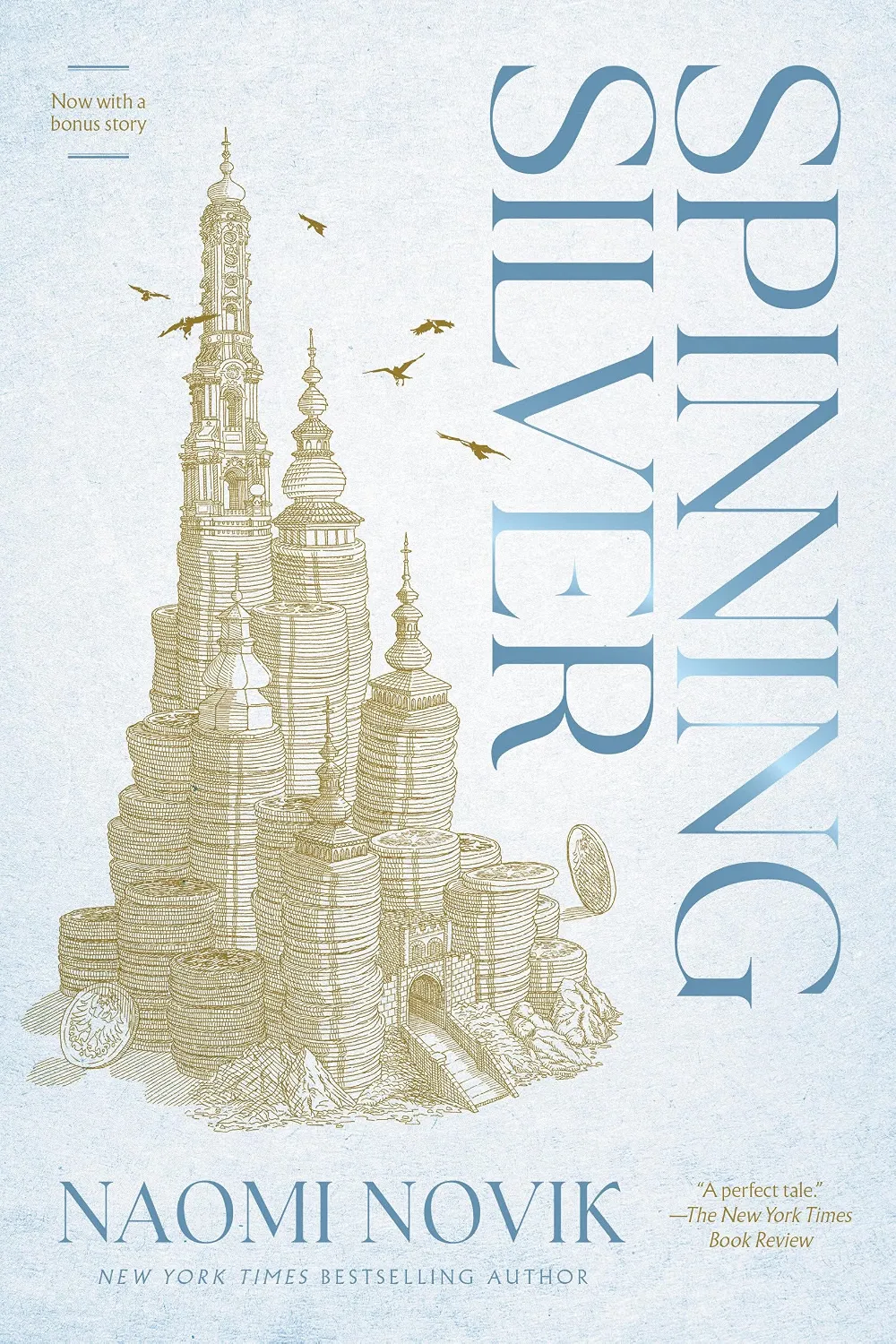
Spinning Silver by Naomi Novik
Miryem knows how to turn silver into gold, though not in the magical sense. The daughter of an ineffectual moneylender, she becomes a formidable collector herself, until word of her success reaches the Staryk, icy supernatural beings whose king decides to take her boast literally.
Naomi Novik begins with Rumpelstiltskin and transforms it into something much larger. She has described the novel as drawing on folklore carried by her family from Poland, Lithuania and Russia, as well as the experiences of her Jewish relatives. She was also interested in confronting the antisemitic associations between Jews, money and gold embedded in versions of the old fairy tale.
Against a landscape of snow, enchanted forests and otherworldly winter, several women’s seemingly separate stories gradually intertwine. Cleverness matters as much as magic here, and bargaining with supernatural forces can be considerably safer than underestimating the women doing the bargaining.
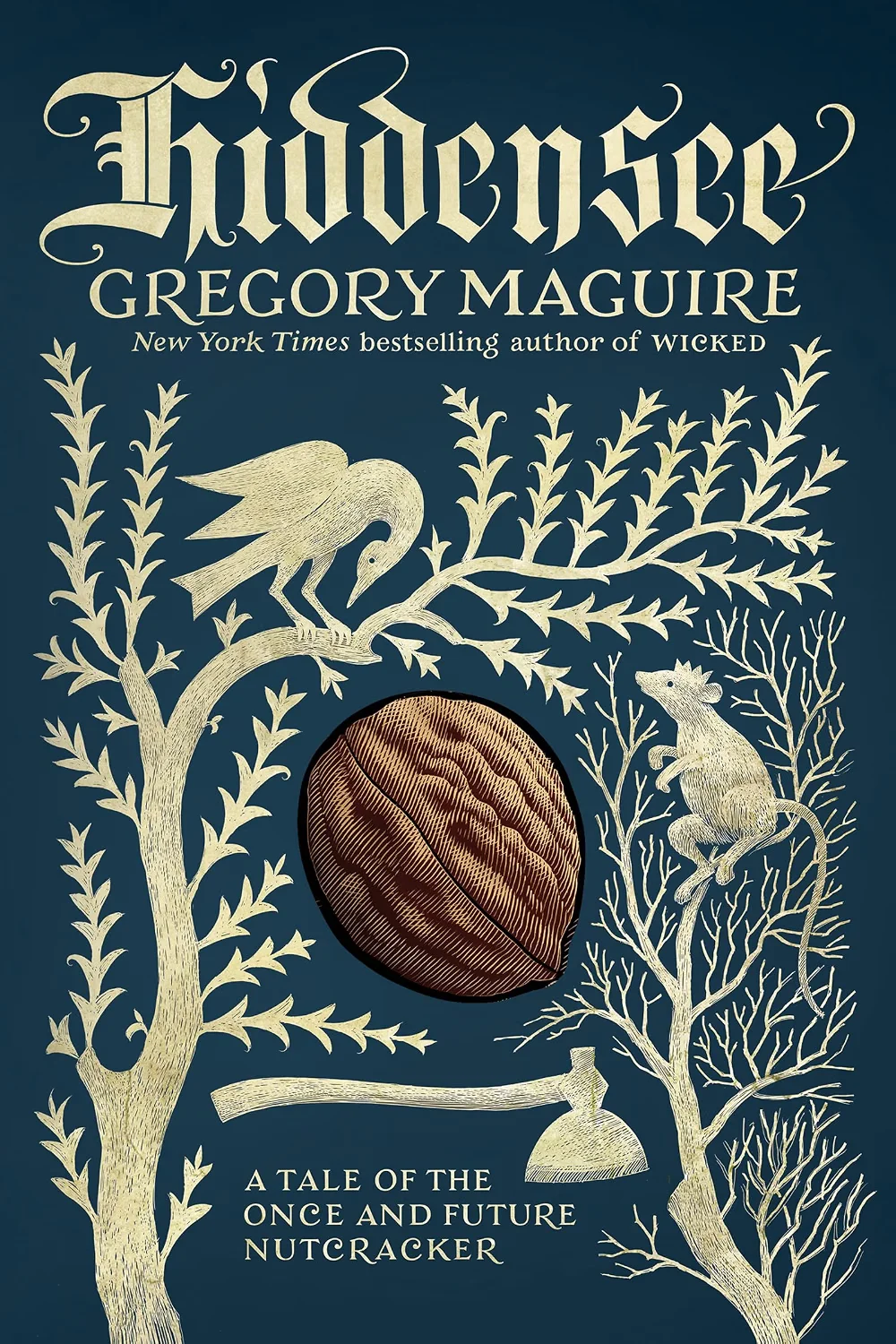
Hiddensee: A Tale of the Once and Future Nutcracker by Gregory Maguire
Before the Nutcracker Prince, there was Drosselmeier.
Gregory Maguire turns his attention to the mysterious toymaker from E.T.A. Hoffmann’s Christmas tale, imagining Dirk Drosselmeier as a foundling who escapes a dangerous childhood in a Germanic fairy-tale world and gradually discovers an extraordinary talent for carving and creating. Eventually, that talent leads to the nutcracker whose story becomes part of the Christmas tradition.
Maguire reaches beyond Hoffmann as he builds Drosselmeier’s backstory, drawing on the Brothers Grimm, Pinocchio and other European literary and folkloric traditions. In an interview about the novel, he described his longstanding fascination with imaginary worlds and with creators who transform hardship into something capable of changing other people’s lives.
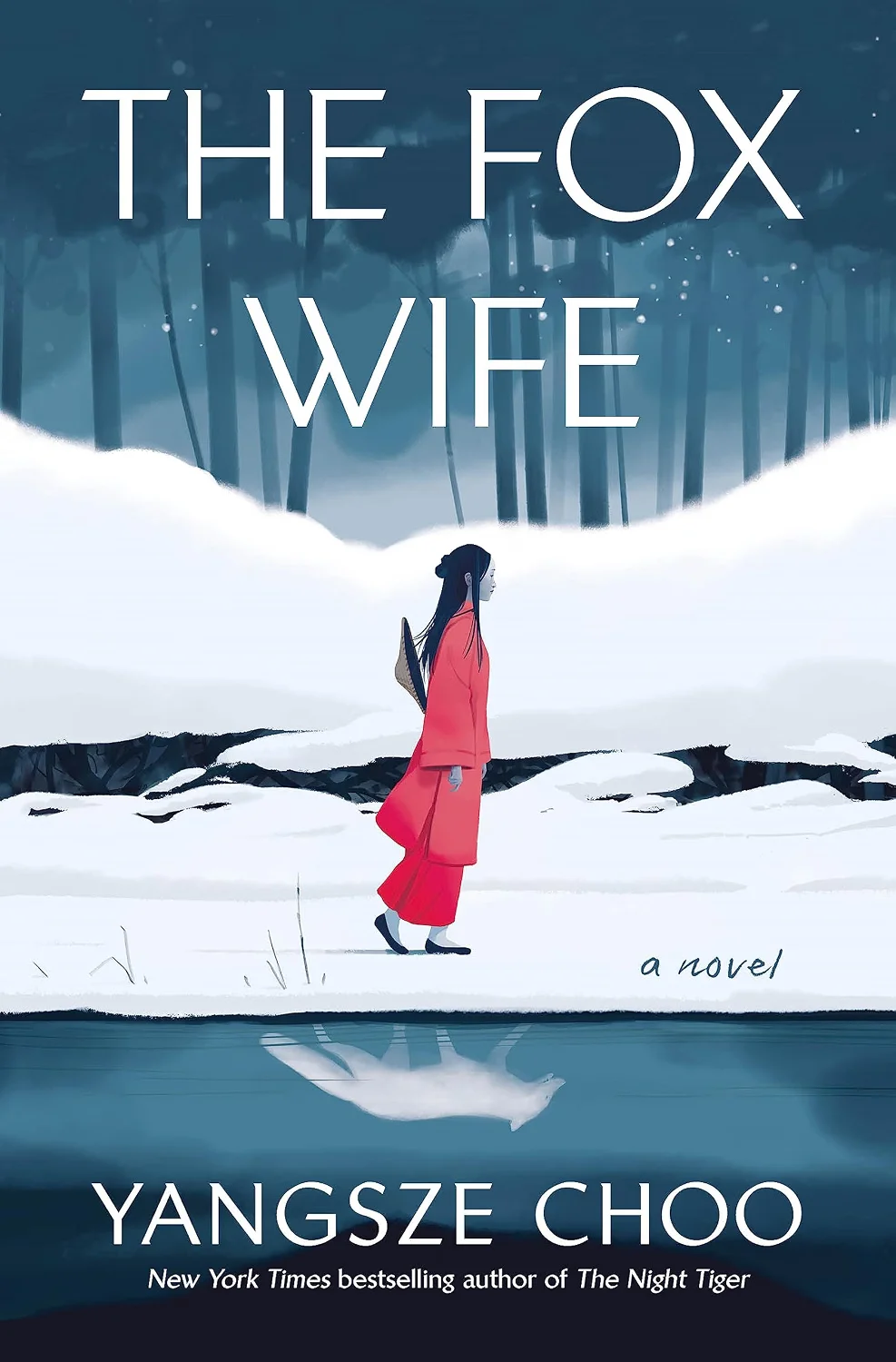
The Fox Wife by Yangsze Choo
In 1908, a woman is found frozen in a doorway in Manchuria. Rumors quickly turn to foxes — not ordinary animals, but the shapeshifting fox spirits of Chinese folklore, creatures believed capable of assuming human form and bringing fascination, deception or danger into human lives.
One of those foxes is Snow, a grieving mother hunting the man responsible for her daughter’s death. Her path gradually intersects with that of Bao, a detective with an unusual ability to recognize lies, as both follow a trail stretching from northern China to Japan.
Yangsze Choo grew up with Chinese fox stories and has described being fascinated by their wildness and otherness. She also deliberately chose northeast China because, after writing two books set in tropical climates, she wanted to write something set in snow.
Choo places an ancient supernatural tradition within a landscape of cold, isolation and secrecy that seems particularly well suited to creatures adept at hiding in plain sight.
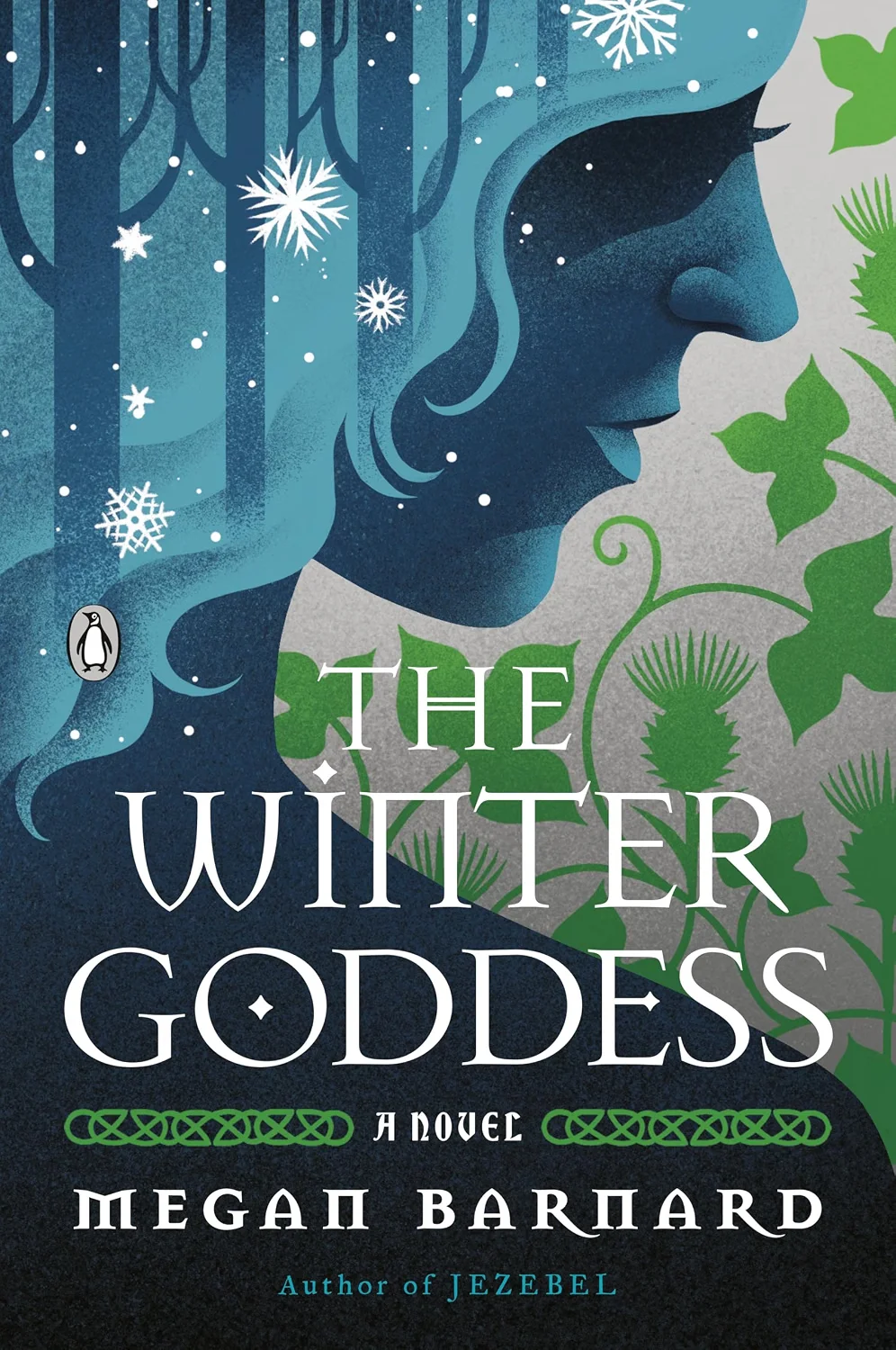
The Winter Goddess by Megan Barnard
What happens when winter itself has to learn some restraint?
In Megan Barnard’s reimagining of Irish mythology, Cailleach is the goddess of winter, immensely powerful and disdainful of mortal concerns. After one of her brutal winters kills thousands, Danu strips her of her powers and condemns her to live and die repeatedly as a human until she understands the value of mortal life.
The punishment gradually forces Cailleach into relationships she never expected to value, exposing her to love, grief and secrets that can change her understanding of both humanity and the gods.
Here, winter has a face, a will and a lesson of its own to learn.