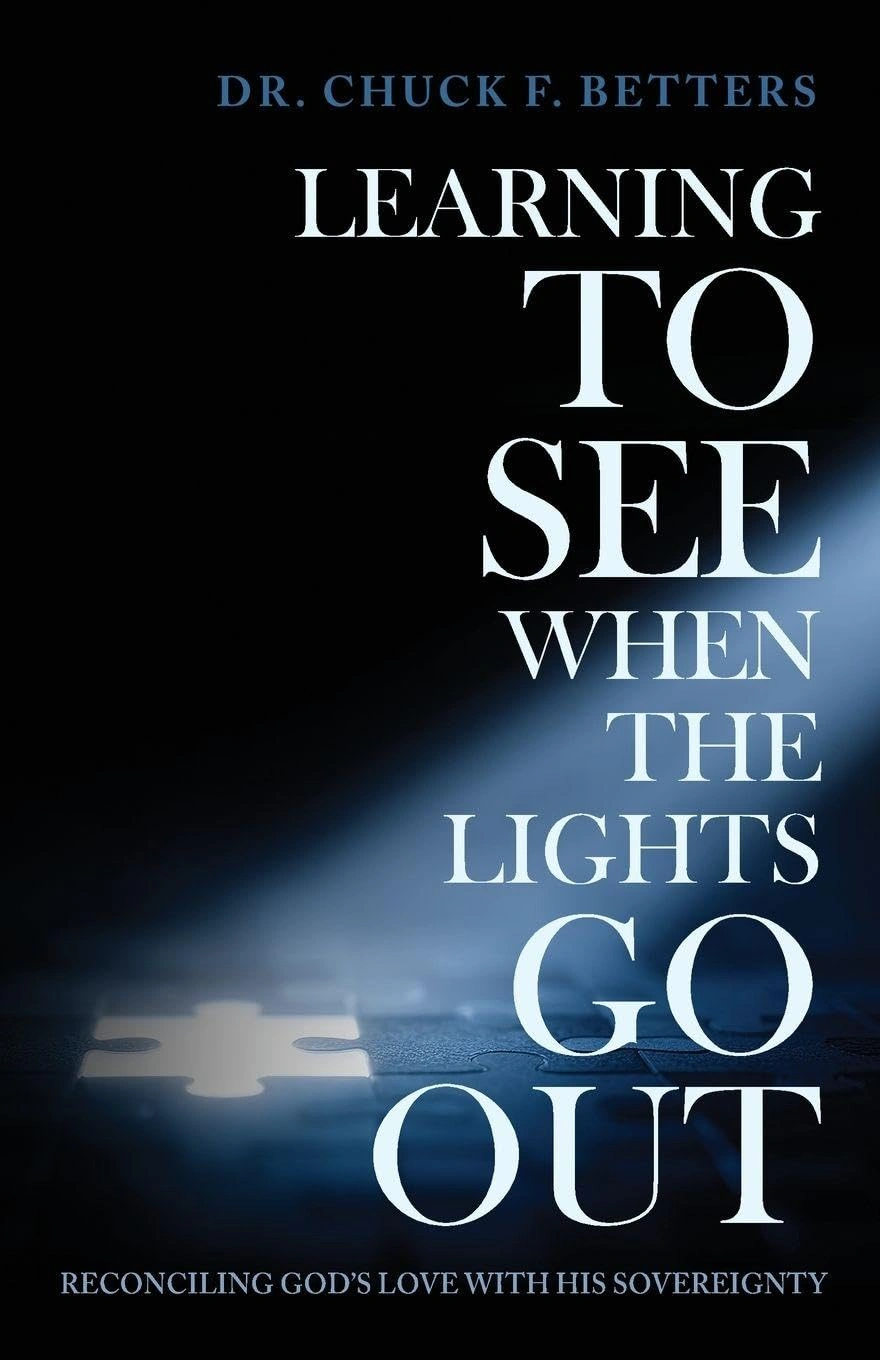
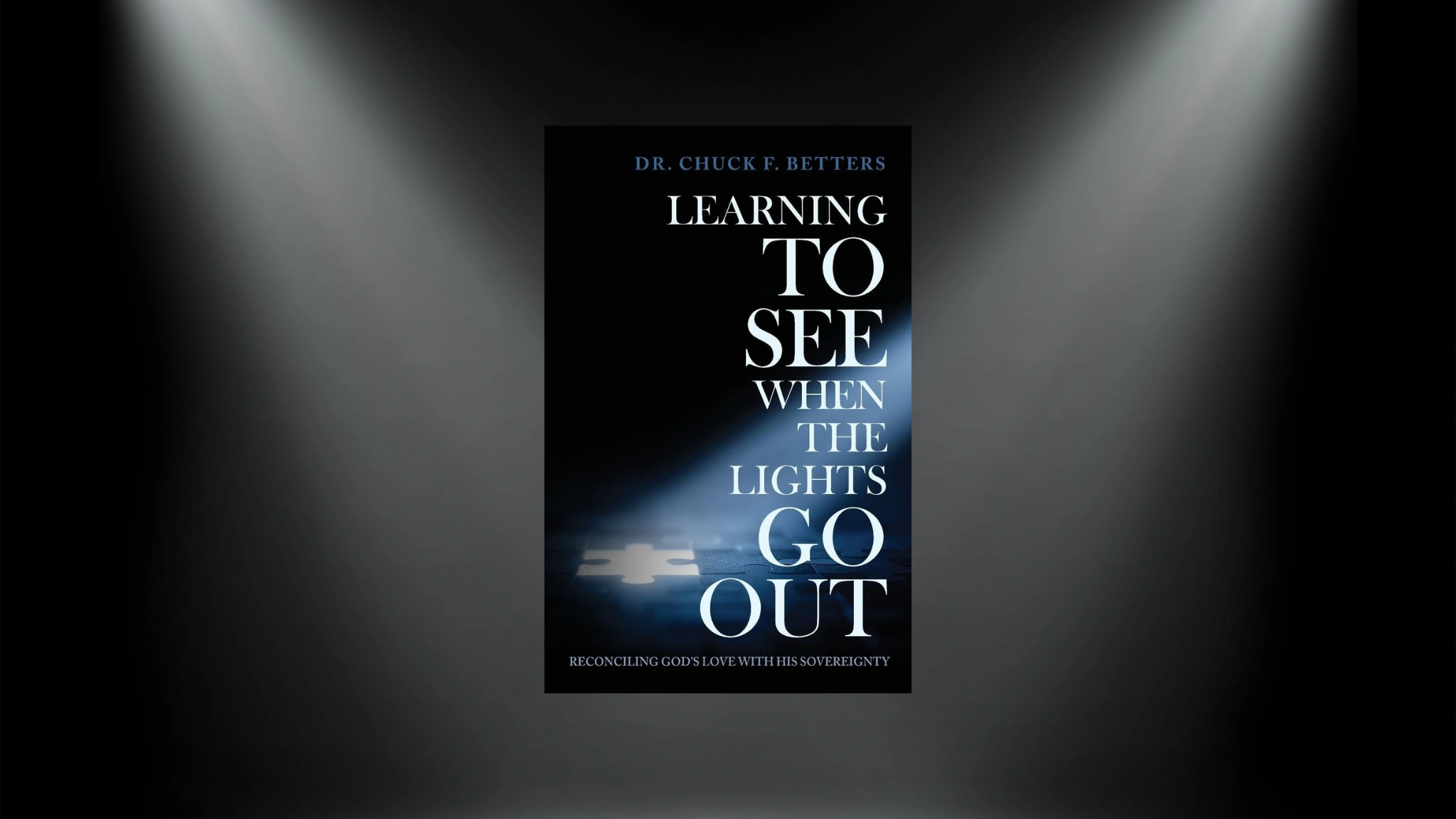
Learning to See When the Lights Go Out: Reconciling God's Love with His Sovereignty by Dr. Chuck F. Betters
In Learning to See When the Lights Go Out: Reconciling God’s Love with His Sovereignty, Dr. Chuck F. Betters writes from inside the wreckage of the worst night of his life when he experienced the sudden death of his sixteen-year-old son, Mark, in a car accident. The result is one of the most honest, theologically grounded books on grief I’ve come across.
What sets this book apart is that Betters refuses to choose between honesty and hope. He doesn’t tidy up his pain to make a tidier theological point, and he doesn’t let raw grief drown out the truths that sustained him. He recounts the disorienting first hours after Mark’s death, the “what-if” spirals, and the unnerving premonitions his wife Sharon had recorded in her journal in the weeks before the accident, all with a vulnerability that never feels performative.
The book is structured in two parts, and the pairing is what makes it work. Part 1, “When the Lights Go Out,” stays close to the ground of actual grief with chapters on the shock of suffering, the strange coexistence of laughter and heartbreak, and the disorienting experience of a God who “doesn’t make sense” in the moment. Part 2, “The Comfort of Redemptive History,” steps back and walks through the biblical narrative, including the promises to Abram, Moses, Ruth, and David. This shows how God’s covenant faithfulness across centuries of Scripture is the same faithfulness available to a grieving parent today. Rather than treating doctrine and lament as competing modes, Betters lets the sweep of redemptive history become the very thing that makes lament survivable. Each chapter closes with reflection questions, clearly written with small groups or one-on-one discipleship in mind, which makes the book useful for pastors, counselors, and grief ministries as well.
The theological backbone of the book is Reformed and covenantal, and Betters doesn’t dilute it for the sake of comfort. His central claim is that God’s sovereignty is not the problem to be solved in suffering but the foundation that makes trust possible. He argues with pastoral seriousness. He’s not interested in easy answers, and several of the endorsers make a point of noting this: the book doesn’t resolve every hard question about divine sovereignty and human pain, but it consistently points the reader toward a God who can be trusted even when the questions remain open. That restraint is a strength.
A Theology Strong Enough for Grief
The epilogue is where the book’s themes land hardest. Betters tells the story of David Saadeh, a young father in his congregation dying of glioblastoma, who asked Betters point-blank whether God could be trusted with his children if he wasn’t healed. The scene that follows shows David, nearly blind and unable to stand on his own, insisting on rising during a hymn in his final weeks and it is one of the most devastating and hope-filled passages in the book. It shows the book’s central conviction lived out in someone other than the author, which lends the whole work more credibility.
The Wisdom of a Pastor Who Has Walked This Road
Forty-eight years of pastoral ministry are evident throughout. Betters has clearly sat with hundreds of grieving people, and it shows in how precisely he names the textures of grief including the specific ache of an anniversary, the guilt of laughing again and the loneliness of grief that outlasts everyone else’s attention span for it. This isn’t a book written in the first raw year of loss; it’s written with three decades of hindsight, which gives it a settled wisdom that more reactive grief books lack.
If you’re walking through loss yourself, ministering to someone who is, or simply want a companion for the question of how a sovereign, loving God can allow suffering, this book earns its place on the shelf. It doesn’t offer shortcuts. It offers something better: a fellow sufferer who has kept walking, kept believing and is willing to hand you the map he made along the way.
About Dr. Chuck F. Betters:
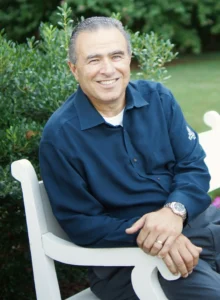 Dr. Charles F. Betters discovered the richness of the Reformed Faith early in his ministry through a lifelong study of Scripture. Known for his verse-by-verse preaching and transparent approach to suffering, he helps others find hope in God’s sovereignty. Following the tragic death of his sixteen-year-old son, Mark, he and his wife Sharon founded MARKINC Ministries (markinc.org) to offer help and hope to hurting people.
Over his forty-eight-year pastoral career, Dr. Betters served churches in Philadelphia and Delaware, founded Red Lion Christian Academy, and led Glasgow Reformed Presbyterian Church for three decades. His teaching has reached audiences worldwide through radio, television, and online platforms. He is the author of Teaching Them Young and Harlots & Heroines, and co-author of Treasures of Faith with Sharon. Now retired from full-time ministry, Chuck founded Anchored Hope Biblical Counseling in 2020, now Anchored Virtual (Anchoredvirtual.co) and continues to lead MARKINC. He treasures large, noisy gatherings with their four children, 14 grandchildren, and 11 great-grandchildren—and enjoys golfing with Sharon.