
Stories are often the first place children learn what it means to belong.
Long before children know words like neurodivergence or ADHD, they are learning who gets to be the hero and whose differences are celebrated. Every book quietly answers a question: Do people who think differently belong? The answer can stay with them for a lifetime.
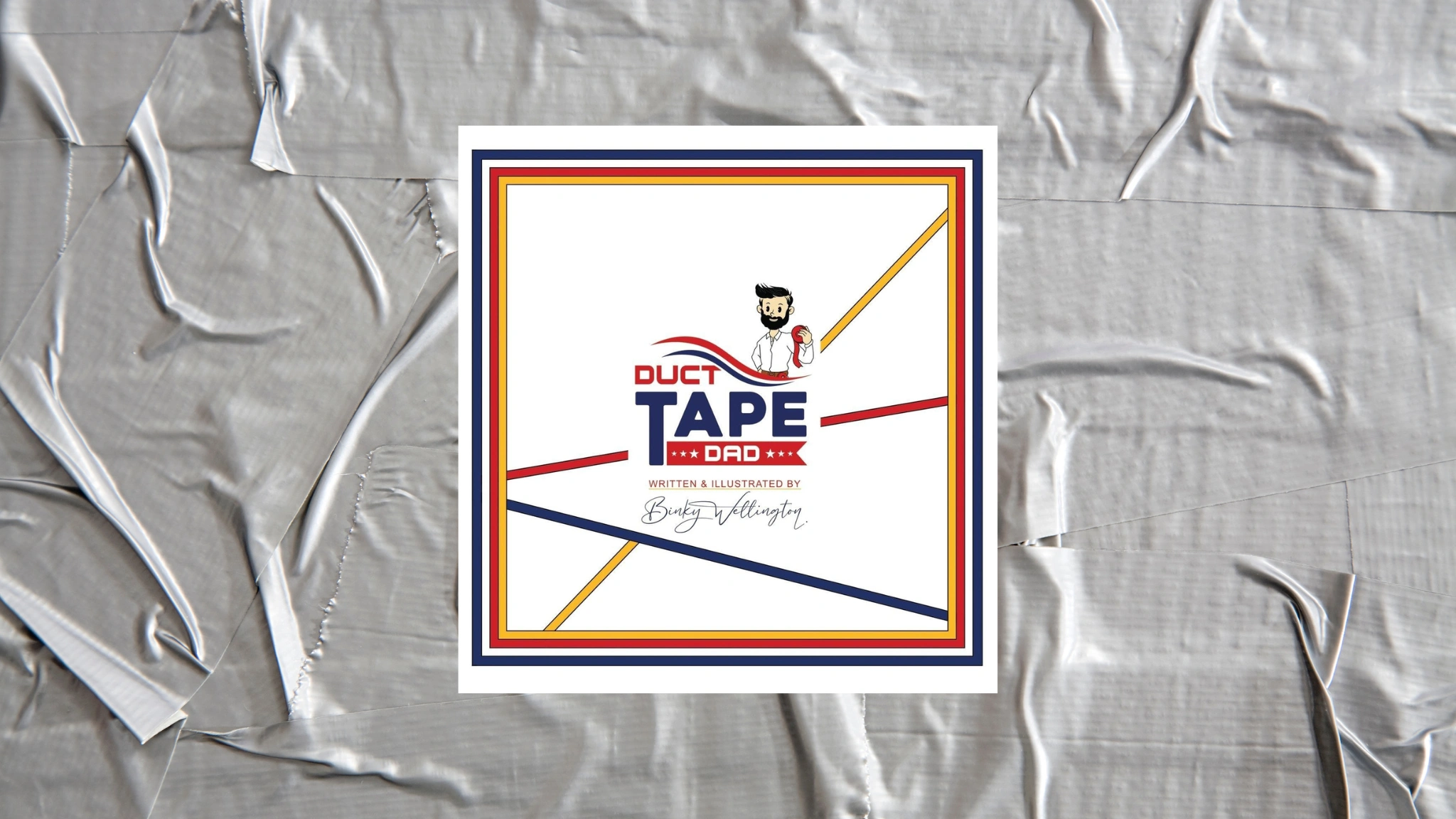
When I wrote Duct Tape Dad, I was not inventing a character. I was putting language to my own childhood.
I grew up in a neurodiverse household. While other kids’ dads taught them how to throw a ball, mine taught me the art of love and duct tape. Our home was filled with imagination and a father who rarely approached life the conventional way. It took years, and a career in psychiatry, to understand that what once felt confusing was simply a different way of thinking. Writing this story became my way of honoring those memories and showing children there is more than one way to be a hero.
As a double board-certified psychiatrist who has spent more than two decades caring for children and adults with ADHD, OCD, and autism spectrum disorders, I have seen how often neurodivergent people grow up hiding the very qualities that make them unique. Those qualities are often strengths: creativity, resilience, curiosity, humor, and innovative problem-solving. Stories help children recognize those strengths long before they have the words to describe them.
That is the power of storytelling. A diagnosis explains how someone’s brain works; a story helps us understand what it feels like to live in that brain. Instead of asking, “What is wrong with this character?” children begin asking, “What can I learn from this character?” That shift builds empathy in ways facts alone cannot.
The father in Duct Tape Dad does not wear a cape. He carries a roll of duct tape and approaches every challenge with imagination, optimism, and the confidence that there is always another solution waiting to be discovered. His unconventional way of thinking is not something to overcome. It is what allows him to turn ordinary moments into memorable adventures with his family.
For a child with ADHD, seeing a character like that can be life changing. It quietly says, “You belong here. You do not have to change who you are to deserve love, friendship, or success.”
For every other child, these stories matter just as much. They show that people who think differently are not broken, but bring perspectives that make families, classrooms, and communities stronger.
Children rarely remember perfect parents. They remember the ones who loved them, adapted when life changed, and kept showing up. Stories that celebrate neurodivergent characters remind families that perfection was never the goal.
Every child deserves to open a book and recognize a part of themselves, or discover someone whose experience differs from their own. When we embrace neurodivergence in storytelling, we teach children one of life’s most important lessons: there is no single right way to think, learn, create, or love. Different minds have always belonged in the story, and every child deserves to know they belong there, too.