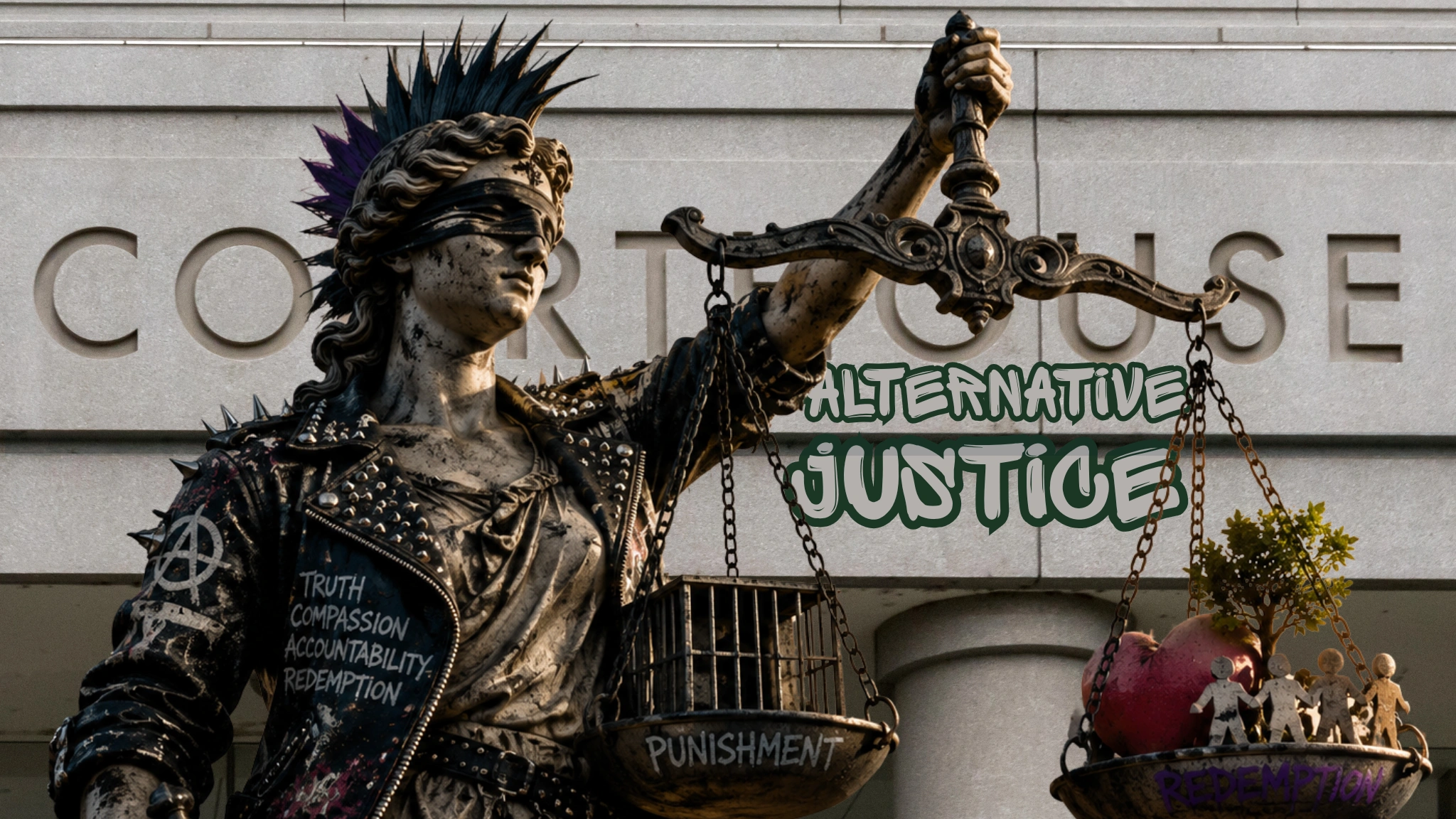
What if the justice system didn’t stop at prison? What if it prevented crimes before they happened, asked offenders to experience the pain they’d caused, or sought healing instead of punishment?
These six works of crime fiction take familiar questions about crime and accountability in strikingly different directions. Some embrace rehabilitation, others favor revenge, prediction, restorative justice or radical compassion. Some are darkly dystopian. Others are intriguing thought experiments.
Together, they explore six radically different answers to the same question: What should justice accomplish?

Redemption Initiative: The Good Samaritan by C.L. Morrissey
Prison ended Desi Delgado’s sentence. It didn’t end the debt he believes he still owes. After eight years behind bars for a life of addiction and violent crime, Desi spends decades trying to become a different man. He builds a legitimate business, helps run a halfway house and proves, at least outwardly, that change is possible. But his past still haunts him at night.
When violence again threatens his Los Angeles community, Desi’s guilt hardens into a plan. Redemption Initiative is a covert program that uses immersive technology to make offenders confront the full reality of the harm they’ve caused. Remorse can’t be faked. Accountability can’t be avoided. The system is designed not simply to punish criminals, but to force a reckoning real enough to change them.
The novel’s provocative central question is this: What if criminals could fully grasp the lasting consequences of their actions? In this vision of justice, redemption isn’t granted by the courts. It has to be earned.
The Minority Report by Philip K. Dick
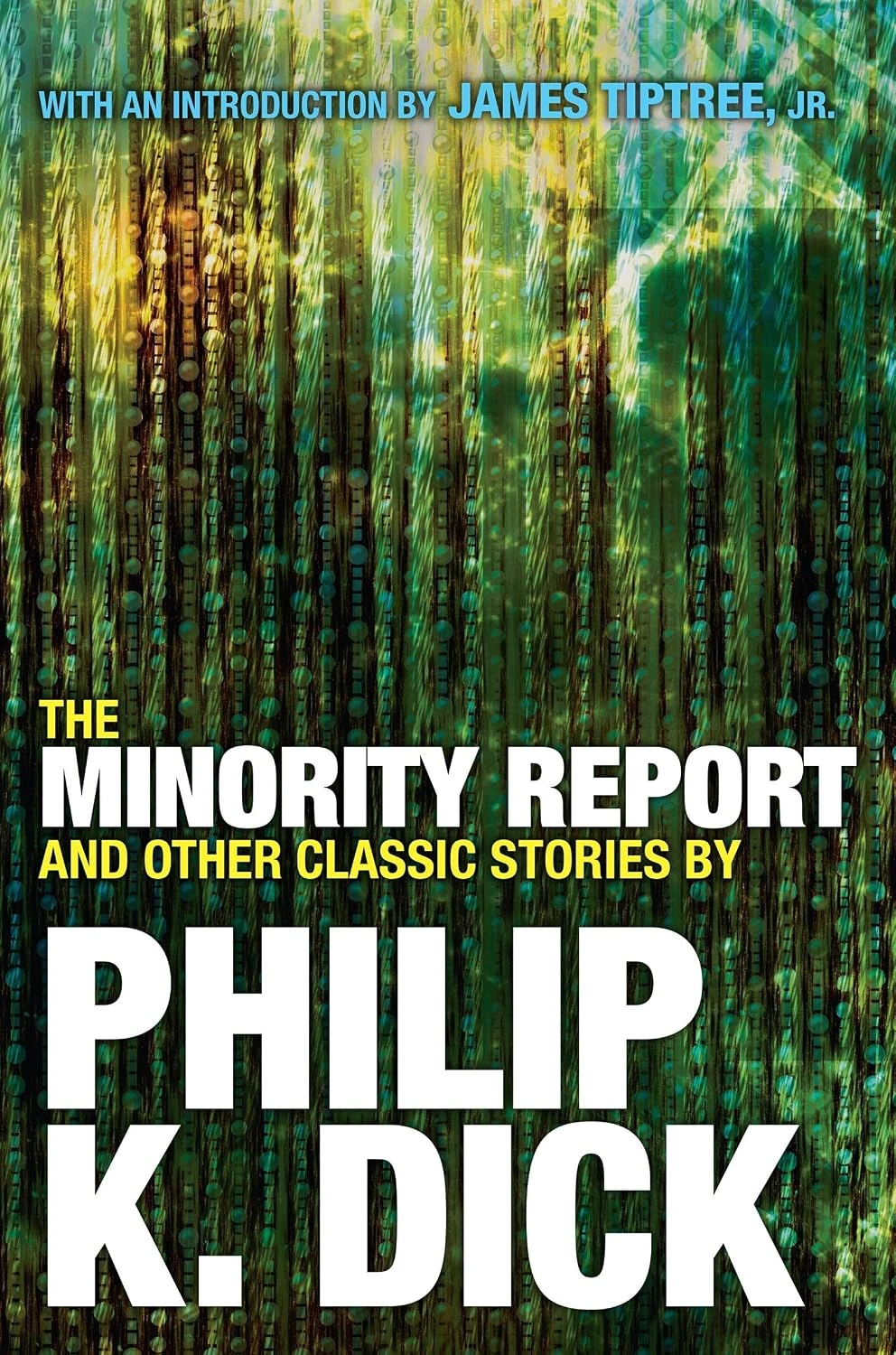
In this future, murder isn’t investigated. It is interrupted. Philip K. Dick’s classic science fiction novelette imagines a society where the Precrime division arrests people before they can kill, relying on the visions of psychic “precogs” to identify future murderers before blood is spilled.
The system seems flawless until the head of Precrime is predicted to commit murder himself. Suddenly, a society built on certainty has to confront an impossible question: If a crime hasn’t happened yet, can justice already be served?
Decades after its publication, The Minority Report still feels unnervingly current in its treatment of surveillance, prediction and personal freedom. Its justice system doesn’t try to redeem offenders or punish the guilty after the fact. It tries to erase crime from the future, even if doing so means treating possibility or probability as proof.

Darkly Dreaming Dexter by Jeff Lindsay
Dexter Morgan is the rare serial killer who sees himself as law enforcement’s cleanup crew. By day, he analyzes blood-spatter evidence for the Miami police. By night, he hunts killers he believes the justice system has failed to curb.
What makes Dexter so unsettling is not that he lacks a code, but that he has one. His victims are not random; they are chosen according to rules meant to aim his violence at people who, in his view, would otherwise continue killing. Readers don’t simply ask themselves whether Dexter is evil. They ask why they’re rooting for him.
Unlike the institutional systems elsewhere in this roundup, Darkly Dreaming Dexter and the rest of this series place justice in the hands of one deeply damaged person. It is vigilante fantasy with a horror-movie conscience, and its discomfort comes from how neatly Dexter turns murder into a moral service.
Chain-Gang All-Stars by Nana Kwame Adjei-Brenyah
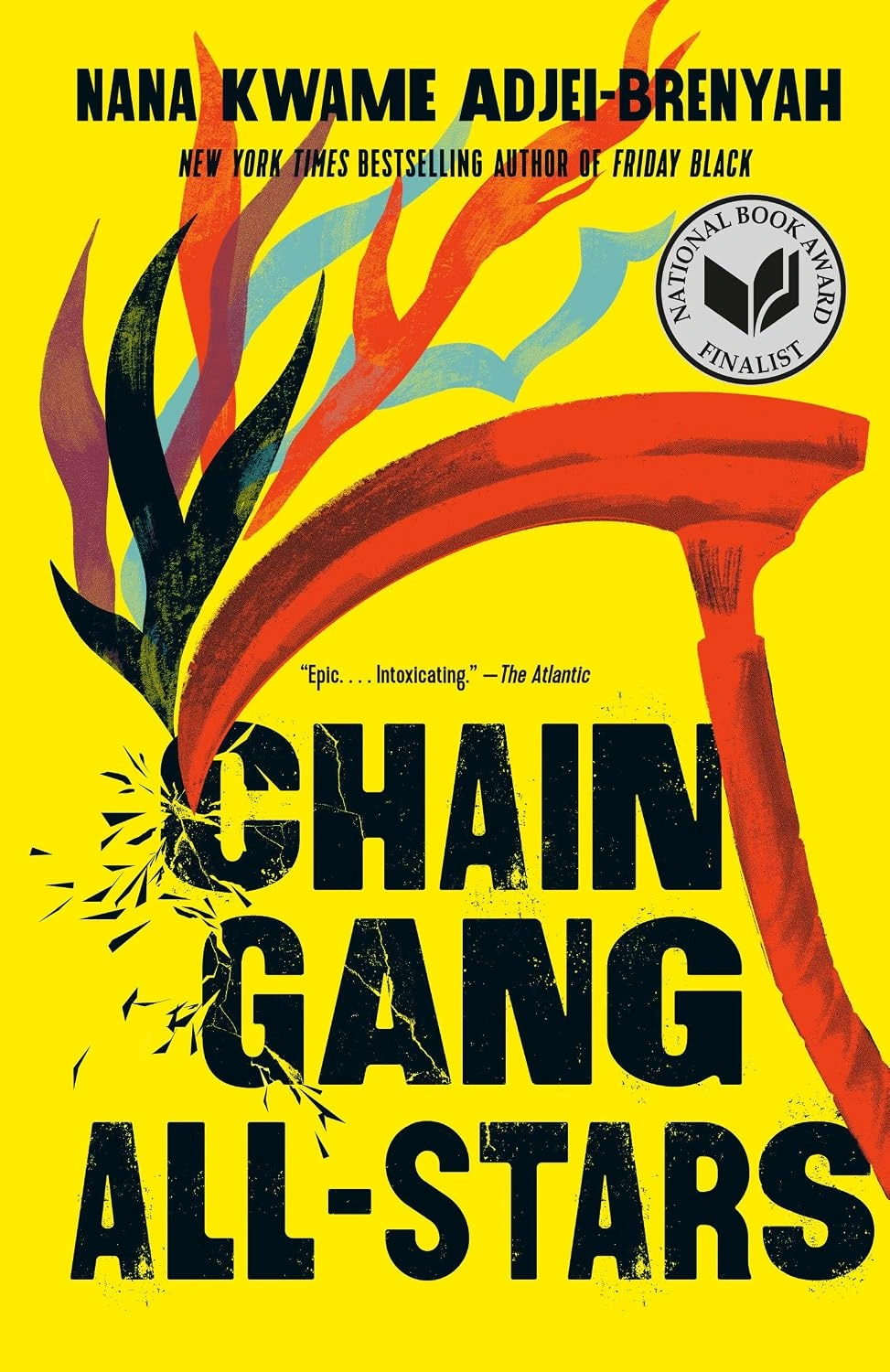
Here, prison has become prime-time entertainment. In Nana Kwame Adjei-Brenyah’s near-future America, convicted prisoners fight in televised gladiatorial death matches, with freedom dangled as the prize for those who survive long enough.
The spectacle is brutal, but the novel’s real target is not only the arena. Through its celebrated competitors and the machinery surrounding them, Chain-Gang All-Stars exposes a carceral system that has turned punishment, profit and public appetite into one seamless industry.
Many justice stories ask whether punishment can be made more humane. This one asks what happens when a country stops pretending humanity is the point. Its reinvention of justice is the nightmare version: incarceration converted into entertainment, and suffering sold back to the public as sport.
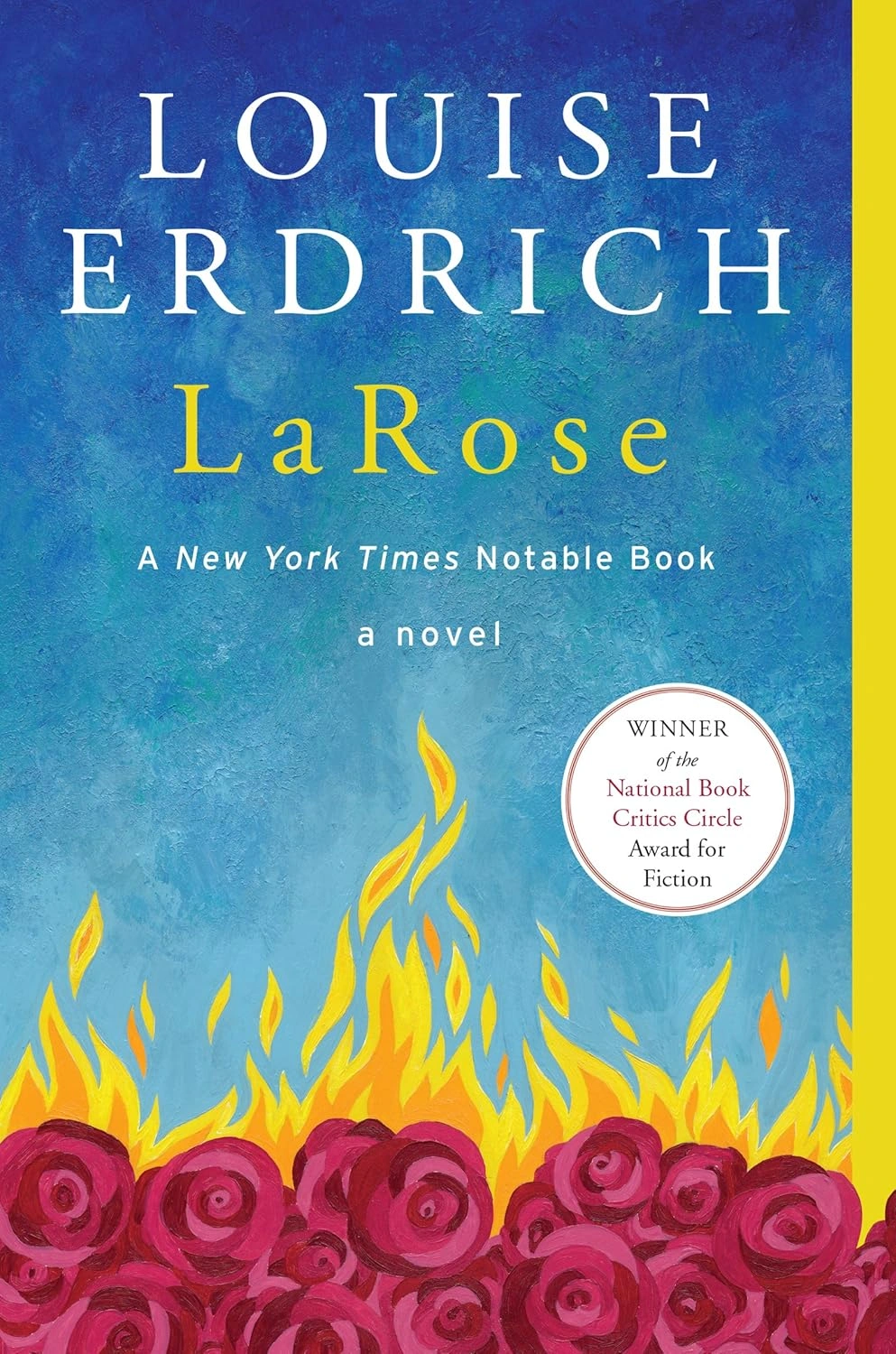
LaRose by Louise Erdrich
One family loses a child. The other gives one away. After Landreaux Iron accidentally kills his neighbor’s young son while hunting, he and his wife offer their own son, LaRose, to the grieving family in an act of penance meant to restore balance between the households.
There is a crime here, but the novel’s center of gravity is not a trial or a sentence. Louise Erdrich turns instead toward grief, kinship, forgiveness and communal responsibility. The question is not simply who is guilty, but how families continue living after harm has been done.
That makes LaRose our list’s clearest restorative-justice entry. Its goal isn’t to punish the guilty so much as to heal everyone left in the tragedy’s wake.
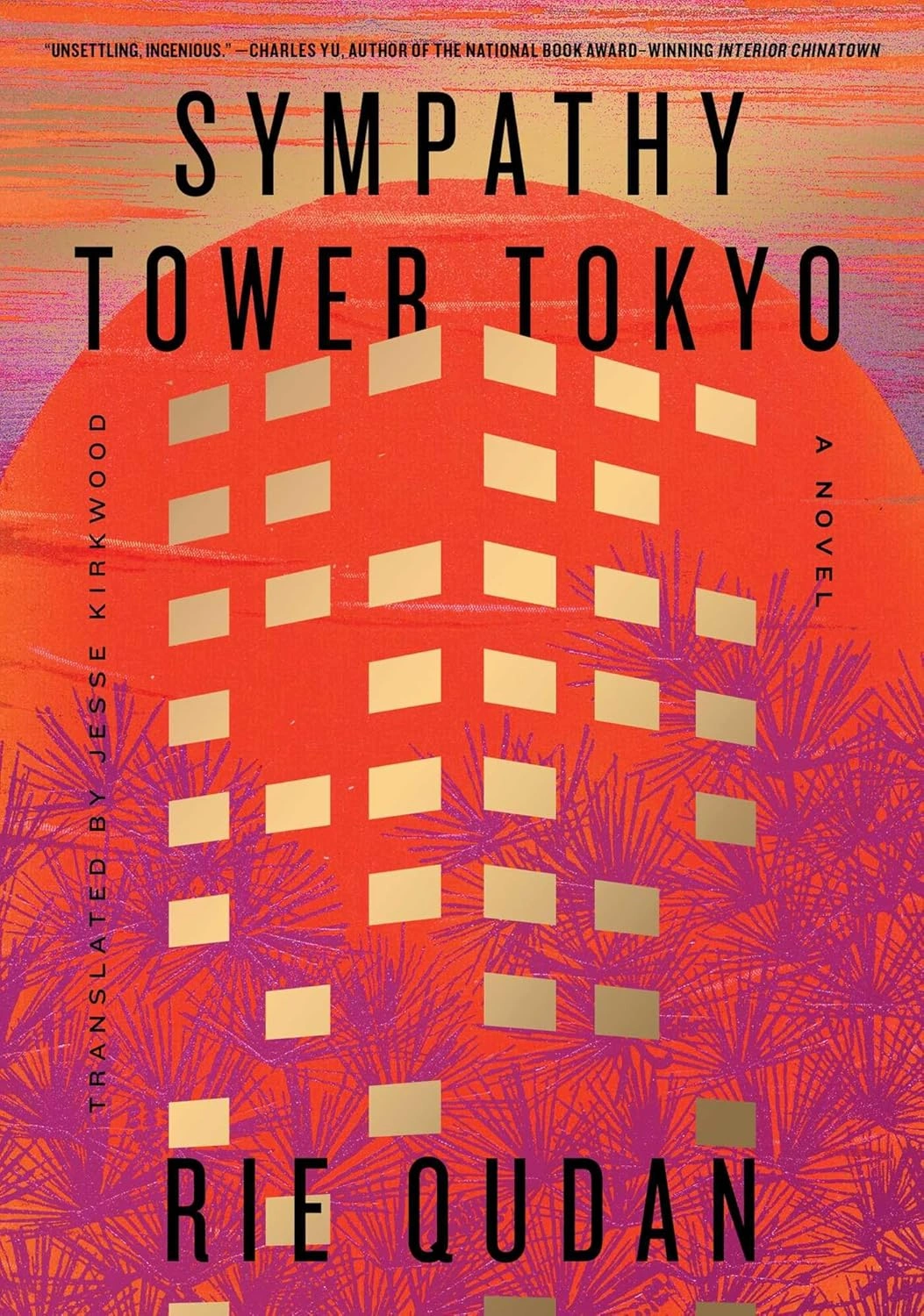
Sympathy Tower Tokyo by Rie Qudan (Translated by Jesse Kirkwood)
What if prison became the nicest building in the city? In Rie Qudan’s speculative novel, an architect is commissioned to design Sympathy Tower Tokyo, a high-rise prison built around comfort and compassion rather than deprivation.
The premise feels almost humane at first glance. But as the project develops, the novel probes the uneasiness beneath a society that recasts lawbreakers as people deserving sympathy. How much empathy is owed to those who harm others? At what point does compassion begin to erase accountability?
Winner of Japan’s prestigious Akutagawa Prize, Sympathy Tower Tokyo is a sharp contemporary social critique. After books that imagine rehabilitation, prevention, vigilantism, spectacle and restoration, Qudan’s novel asks whether justice can be reinvented so gently that it loses its edge entirely.