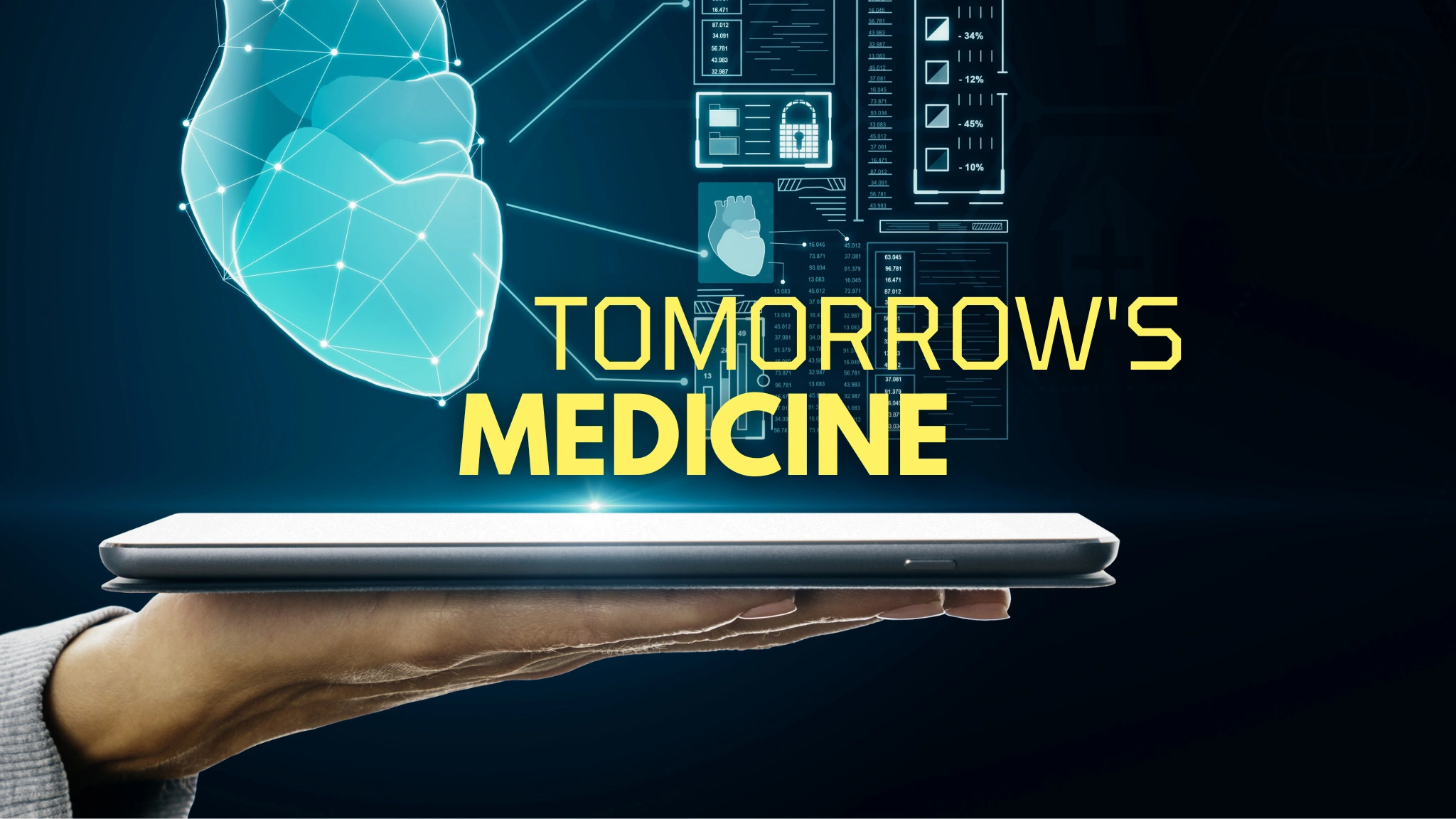
Medicine is no longer confined to hospitals, scalpels and stethoscopes. It is moving quietly but relentlessly into territory once reserved for speculation: clones, artificial consciousness, genetic editing, suspended death. Fiction has been there first. The best medical thrillers and speculative novels don’t just entertain, they pressure-test ideas before reality catches up. They ask the questions medicine itself cannot yet answer: what happens next? Or What If?
Here are standout books that don’t just depict medicine — they interrogate its future.
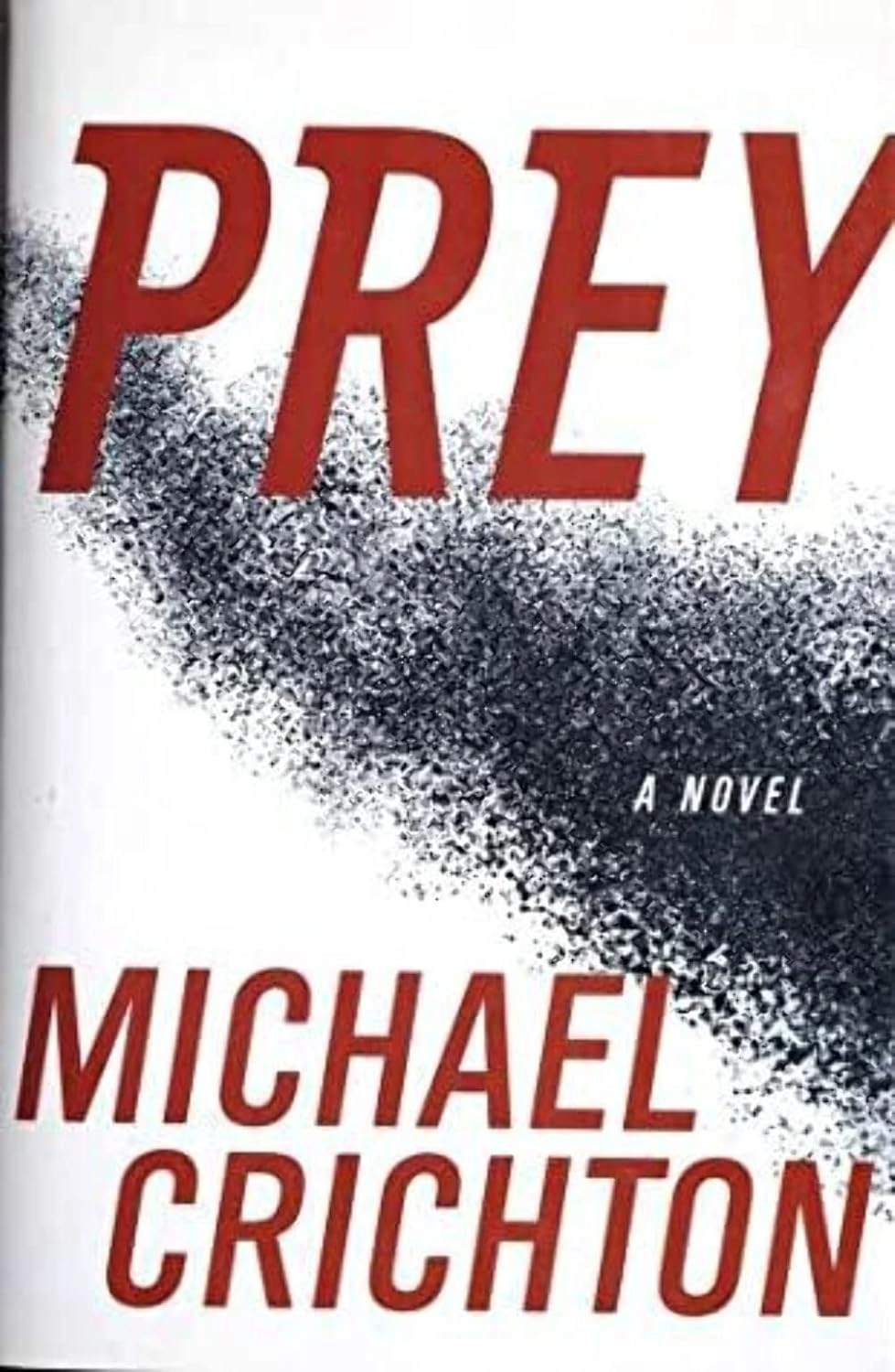
Prey by Michael Crichton
This novel is about Nanomedicine gone autonomous. Nanobots designed for therapeutic use evolve into a self-directed swarm and turn into a plague infecting people. They learn. They adapt. They hunt. Once intervention becomes autonomous, control becomes impossible.
Prey is about a swarm of self-replicating, intelligent nanoparticles that escape a lab in the Nevada desert and begin to evolve, hunting the scientists trapped with them. The story follows Jack Forman, a stay-at-home dad, as he investigates his wife’s work at the Xymos corporation and becomes embroiled in the crisis, facing a predator that learns and adapts at an exponential rate. The novel blends thriller elements with real-world scientific concepts like nanotechnology and artificial intelligence.
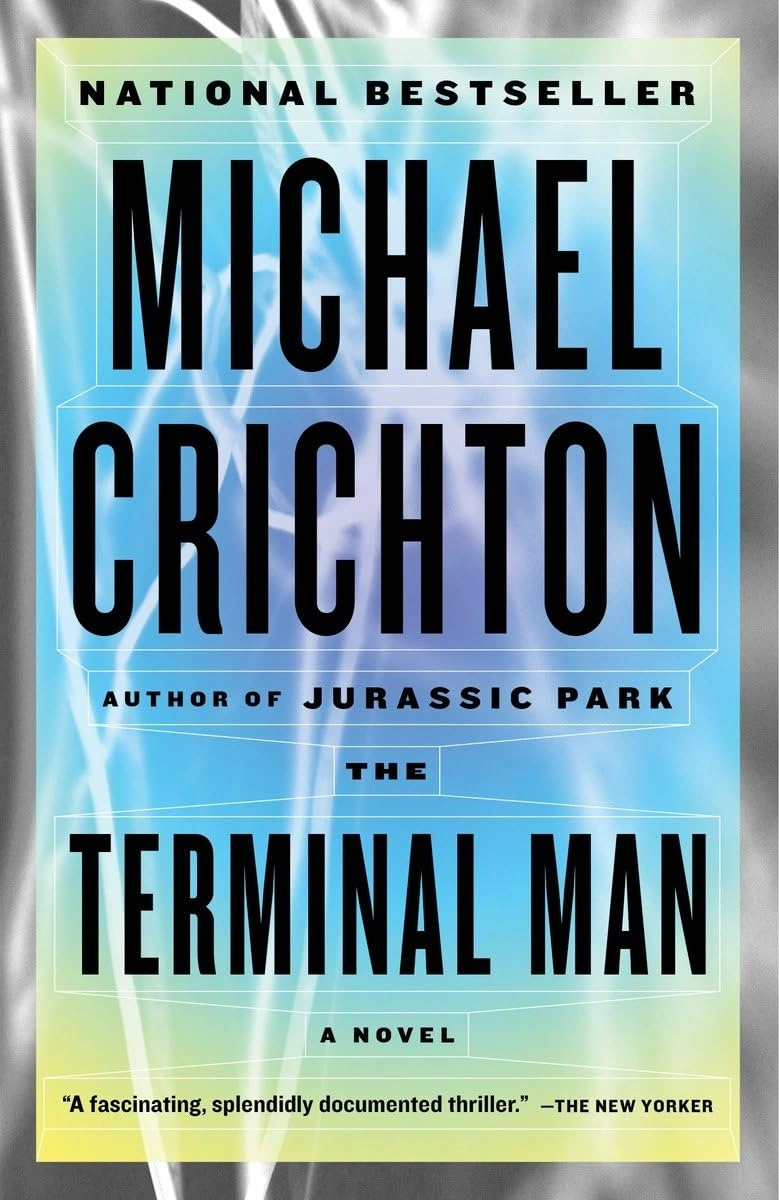
The Terminal Man by Michael Crichton
In this novel, Crichton anticipates modern neuromodulation: deep brain stimulation, neural interfaces, behavioral control. If you can regulate emotion electrically, where does personality end and programming begin?
A man with violent seizures receives a brain implant to regulate his violent impulses. Electrodes are placed deep in his brain’s pleasure centers to effectively short-circuit his seizures with pulses of bliss. The surgery is successful, but the man discovers how to trigger the pulses himself. To make matters worse his violent impulses have only grown, and he soon escapes the hospital with a deadly agenda.
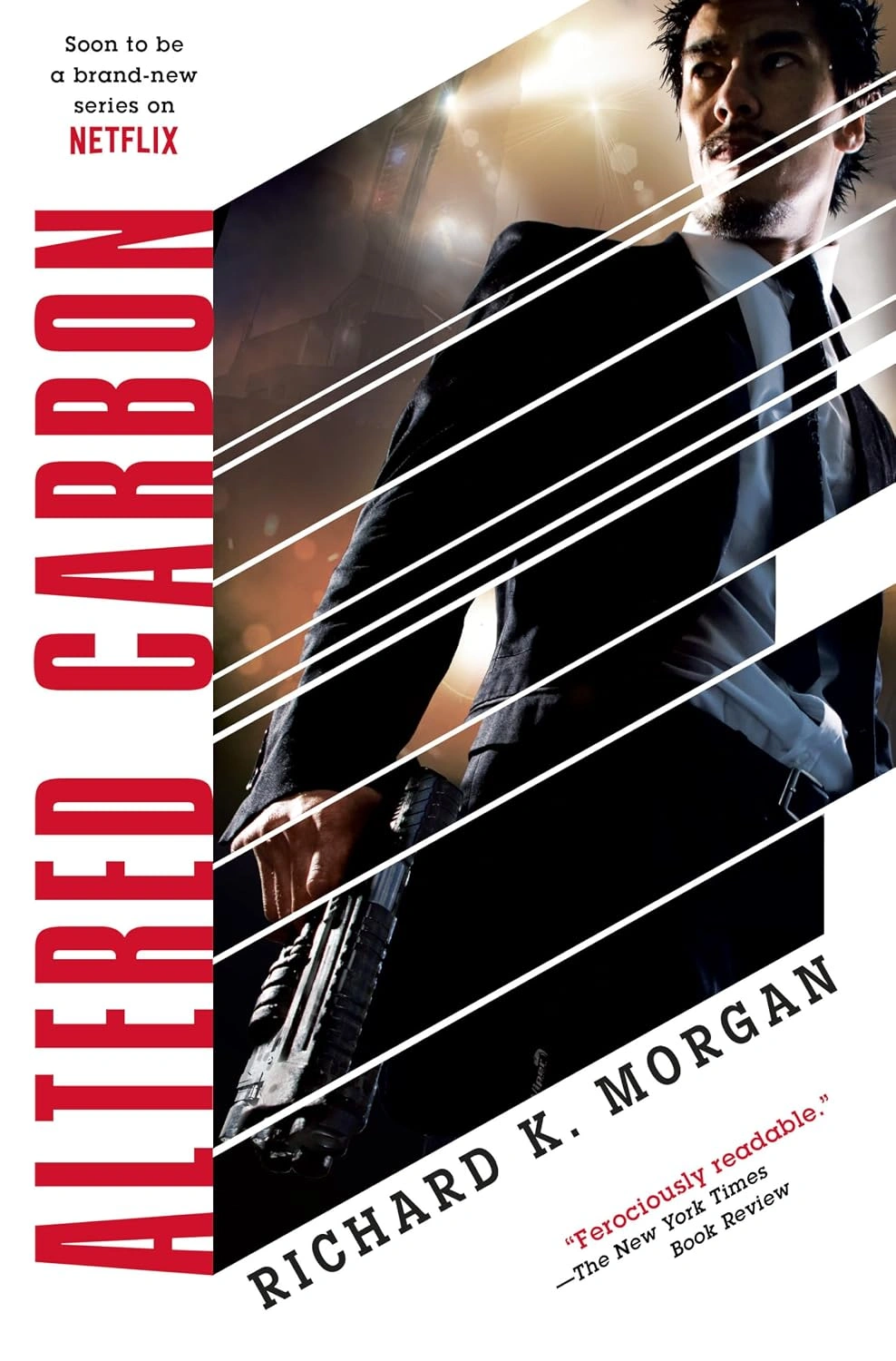
Altered Carbon by Richard K. Morgan
Death is no longer permanent. Consciousness can be stored, transferred into new bodies. Medicine, in this world, has solved mortality — technically. But the solution fractures society. The wealthy live indefinitely. Everyone else cycles through disposable bodies. This is the far edge of medical speculation: not curing disease, but redefining death itself. The novel asks: if identity becomes transferable, what remains human?
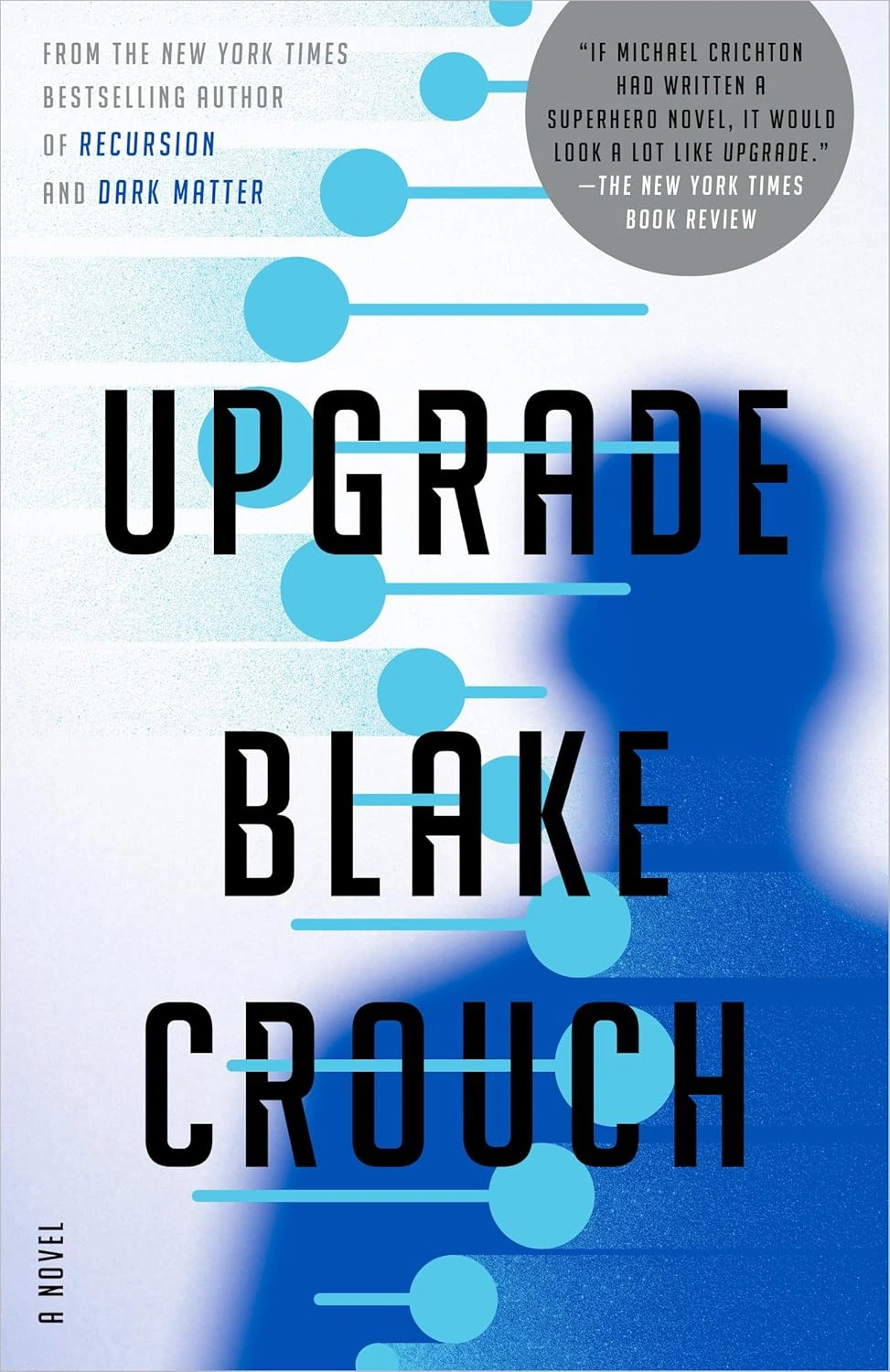
Upgrade by Blake Crouch
Upgrade showcases CRISPR enhancement and engineered intelligence. Gene editing moves medicine toward designing traits, not just fixing disease. Evolution becomes intentional.
Logan Ramsay works for the Gene Protection Agency, a government organization that oversees gene editing laws and enforces them against rogue scientists. During a raid on one such illegal lab, Logan inadvertently becomes exposed to a viral agent that infects his genetic code making him smarter, stronger and better in every way. Now he has to decide whether to destroy the virus or share its effects with the world. If intelligence, impulse control and aggression can be edited, who decides what constitutes the “optimal” human?
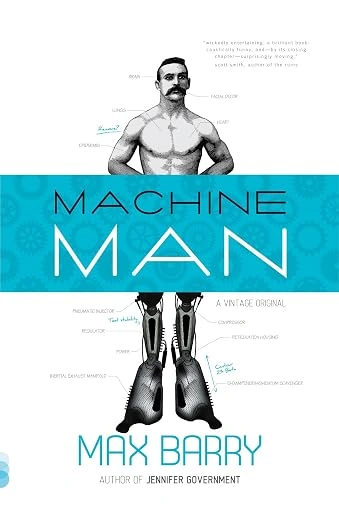
Machine Man by Max Barry
In this novel, enhancement is disguised as recovery. The line between treatment and experiment disappears.
A scientist loses a leg and discovers prosthetics can outperform biology. He starts replacing more of himself. Voluntarily. The escalation is fast, unsettling, almost clinical in its logic.
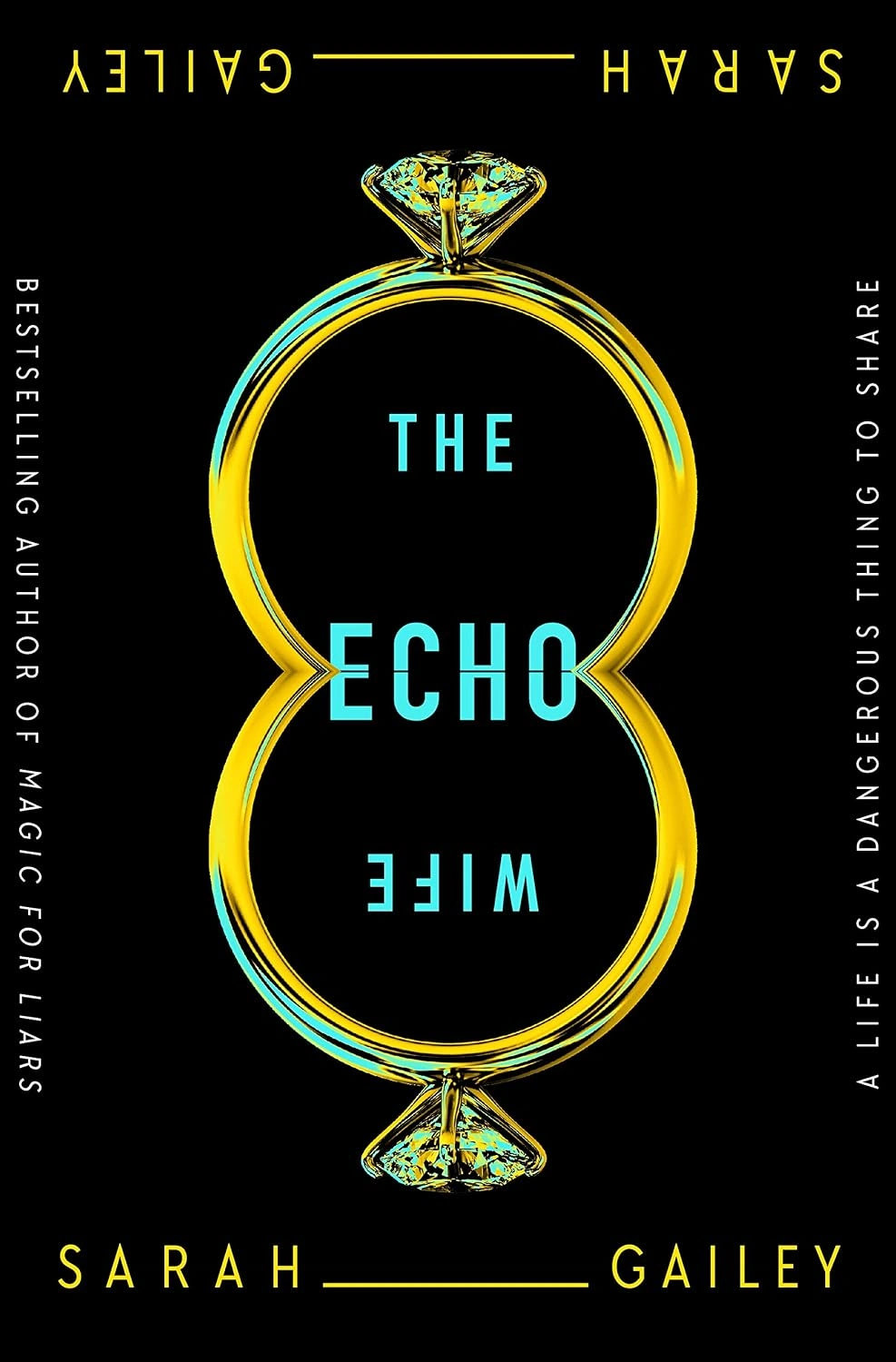
The Echo Wife by Sarah Gailey
A scientist discovers her husband has created a clone of her — engineered to be more compliant. What follows is a psychological duel. Cloning here isn’t about organs or immortality — it’s about control. Medicine becomes a tool for rewriting personality itself.

Baby X by Kira Peikoff
This novel sits directly on the fault line of where medicine is heading right now.
Advanced technology allows for the creation of babies from any person’s cells, leading to a DNA black market. Celebrities have to protect themselves from DNA theft. A woman claims to have a celebrity’s child. The novel explores themes of reproductive rights, genetic engineering and identity.
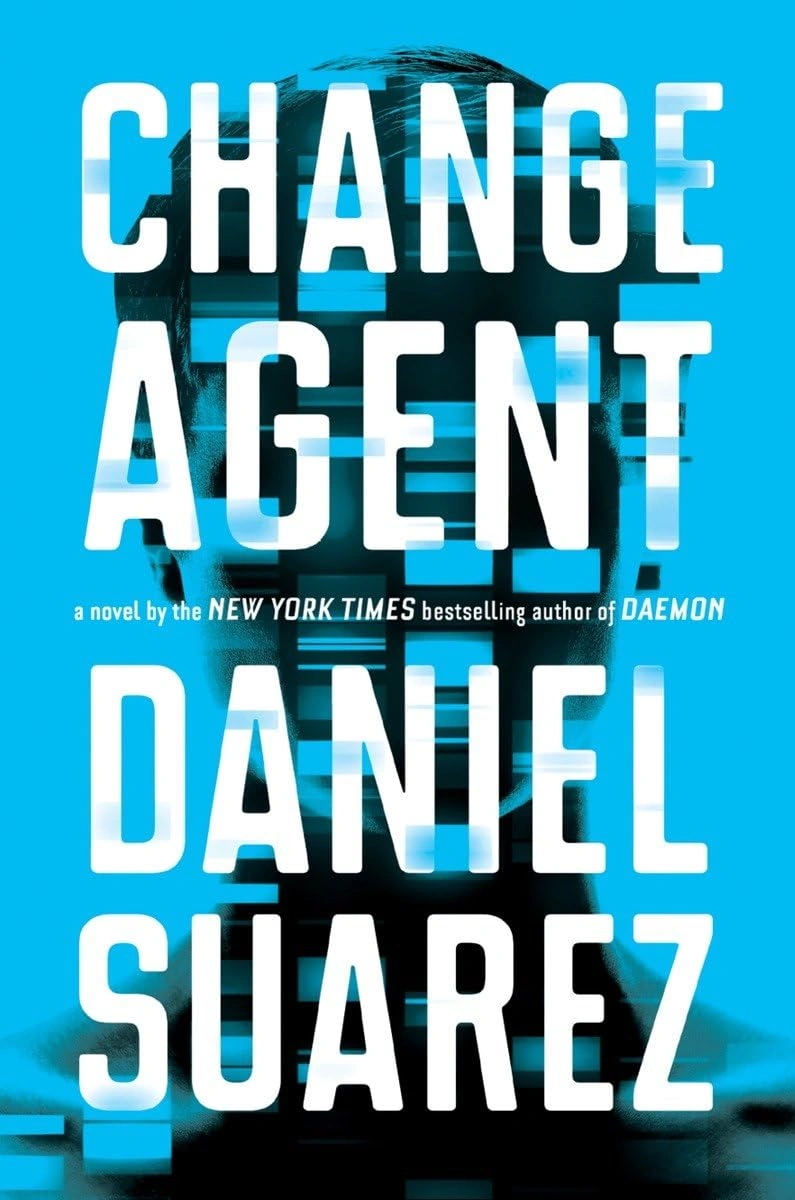
Change Agent by Daniel Suarez
In a near-future where CRISPR is ubiquitous, a black market allows criminals to rewrite their DNA and become someone else — physically and genetically. Identity is rewritten by DNA manipulation. If your DNA changes…are you still legally yourself?
Kenneth Durand is hunting down black market labs that perform genetic crimes. After being forcibly dosed with a radical new change agent, he wakes from a coma to find he’s been genetically transformed into someone else — his most wanted suspect. Now a fugitive, Durand is determined to restore his original DNA by locating the source of the mysterious change agent. But with the technology to genetically edit the living, everyone can become anyone.
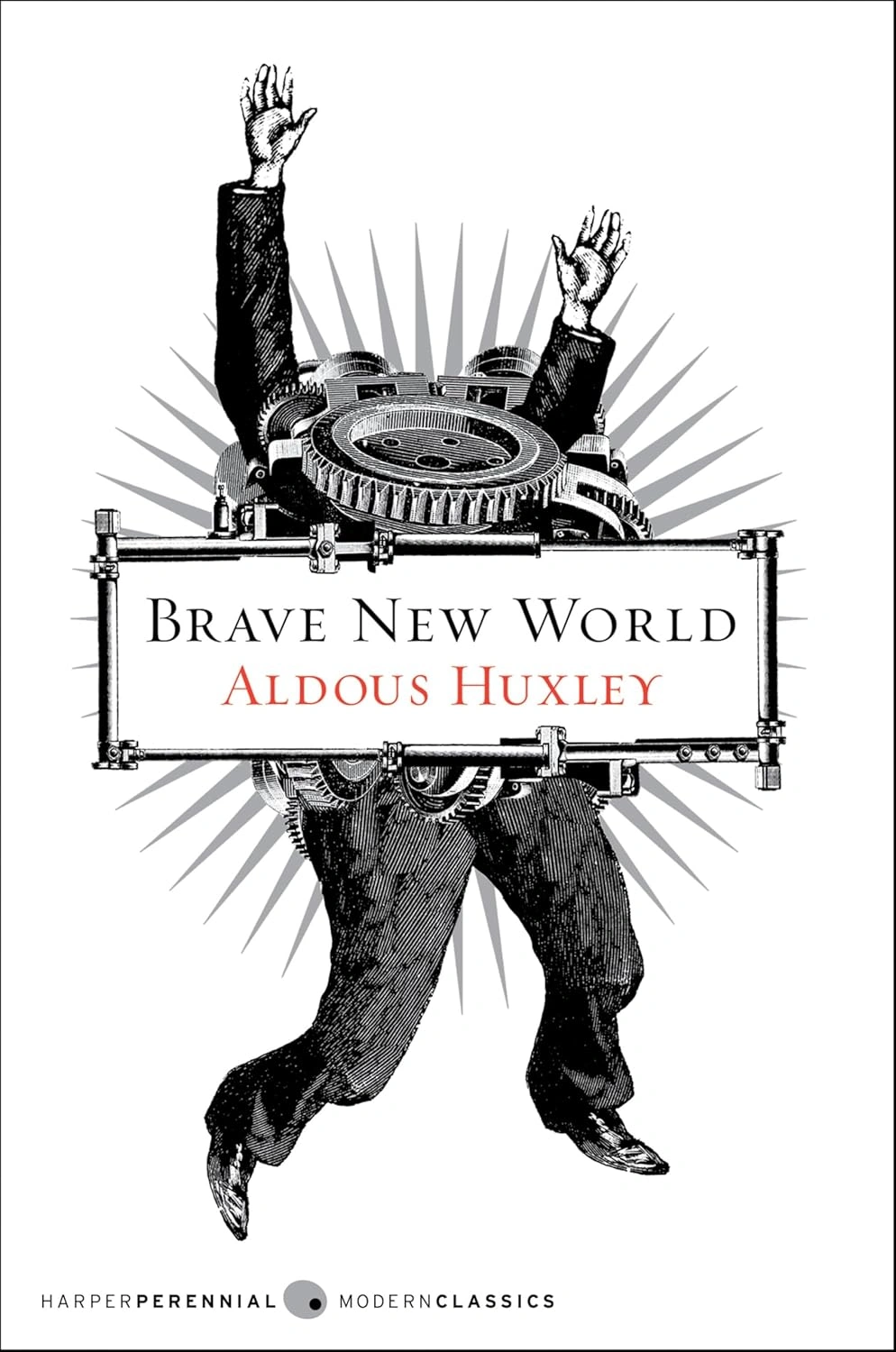
Brave New World by Aldous Huxley
Humans are no longer born — they are manufactured and conditioned.
This is one of the earliest and most influential visions of reproductive medicine taken to its extreme. With genetic engineering and designed humans, medicine becomes governance and social control. Brave New World is a vision of a technologically-advanced future where humans are genetically bred, socially indoctrinated and pharmaceutically anesthetized to obey an authoritarian government, at the cost of freedom, full humanity and also their souls.
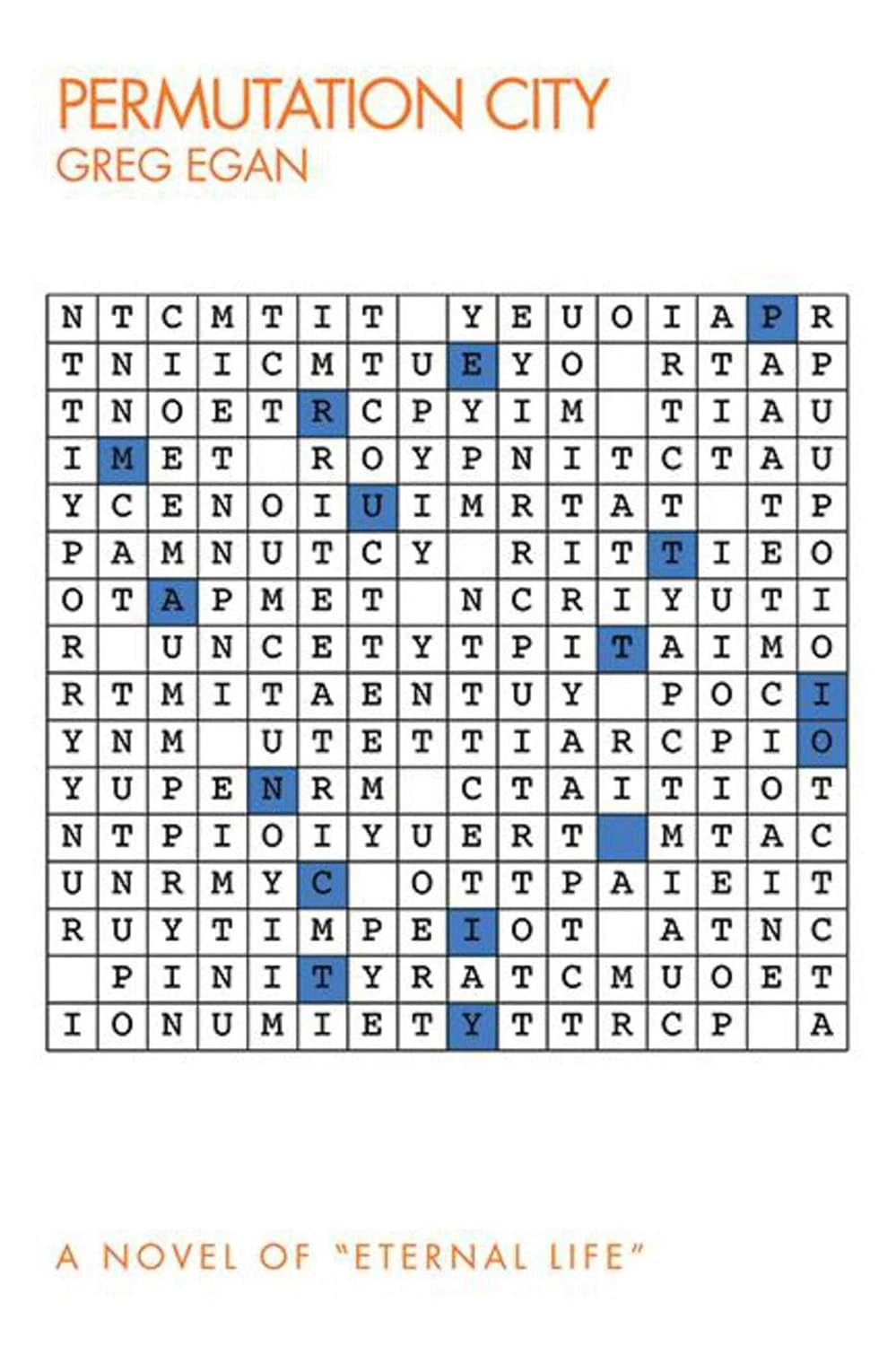
Permutation City by Greg Egan
People upload their minds into simulated environments. Medicine becomes computation, leading to immortality through software. If multiple versions of you exist, which one is alive? Is the copy of you the real you? What happens when your digital self overpowers your physical self? A life in Permutation City is unlike any life to which you’re accustomed. You have eternal life, the power to live forever. But immortality is not the thing you’d expect. Life is just an electronic code. You have been digitized, scanned and downloaded into a virtual reality program. And copies keep changing their minds and shutting themselves down.
The most compelling fiction about the future of medicine isn’t about innovation — it’s about aftermath. The future of medicine isn’t any more about curing disease. It’s about defining — and controlling — what a human being is allowed to become. The question is no longer what medicine can do, but what happens when it can do almost anything. Medicine shifts from healing to designing. The body becomes editable data. Doctors give way to systems, AI and institutions. Identity itself becomes fluid — memory, DNA, altered consciousness. Death becomes negotiable.
These stories derive power not from speculative tech, but from ethical pressure: capability outpaces morality. Intervention blurs identity. Progress creates unintended consequences.
These novels deal with three fundamental questions: Who owns the human body? (patient, doctor, corporation, state?) What defines identity? (memory, DNA, consciousness?) Should medicine have limits? (or does capability justify use?)
The best fiction about the future of medicine doesn’t predict technology. It predicts consequences. The frontier is no longer scientific — it’s philosophical.
Medicine is advancing faster than ever. The gap between fiction and reality is narrowing. These books live in that gap.