“People who need people are the luckiest people in the world,” Barbra Streisand famously sang — but what does that actually mean?
The truth is, connection isn’t one-size-fits-all. We don’t just need people for companionship; we rely on them for physical and emotional survival. We need them to help us understand who we are and who we might become. Some relationships steady us. Others challenge us. Some arrive just when we need them most.
These eight books — spanning both nonfiction and fiction — explore the many ways human connection shapes our lives. Together, they offer a powerful reminder: we may need people, but we need them in very different ways.
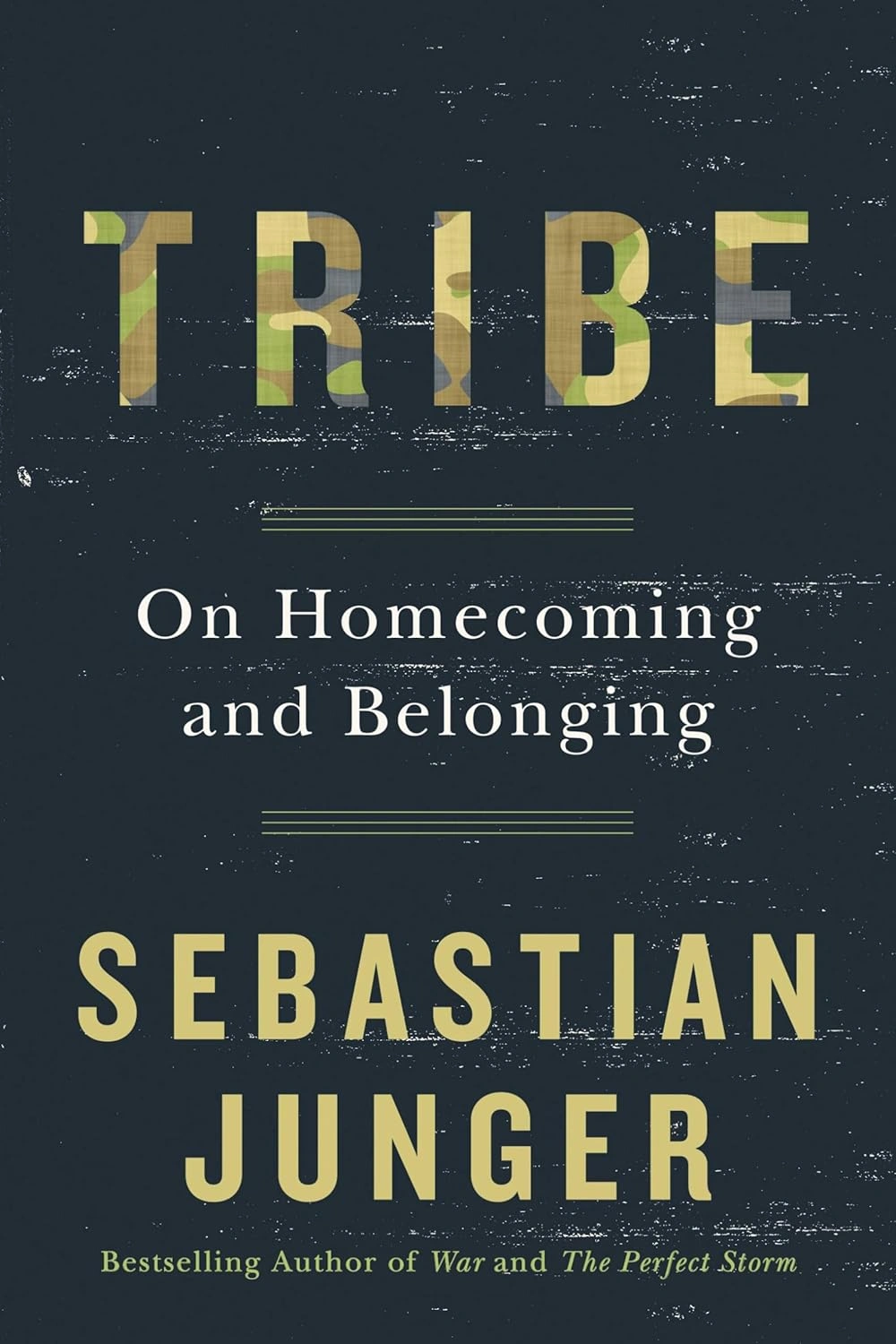
Tribe: On Homecoming and Belonging by Sebastian Junger
For Survival
Why do we often feel most alive in moments of crisis or when we’re part of something larger than ourselves? In Tribe, Sebastian Junger explores the deep roots of human connection, arguing that our need for belonging is not just emotional — it’s fundamental to how we function. Drawing on history and lived experience, he shows how close communities provide a sense of purpose that modern life often lacks. The result is a compelling case that we don’t just value connection; we rely on it.
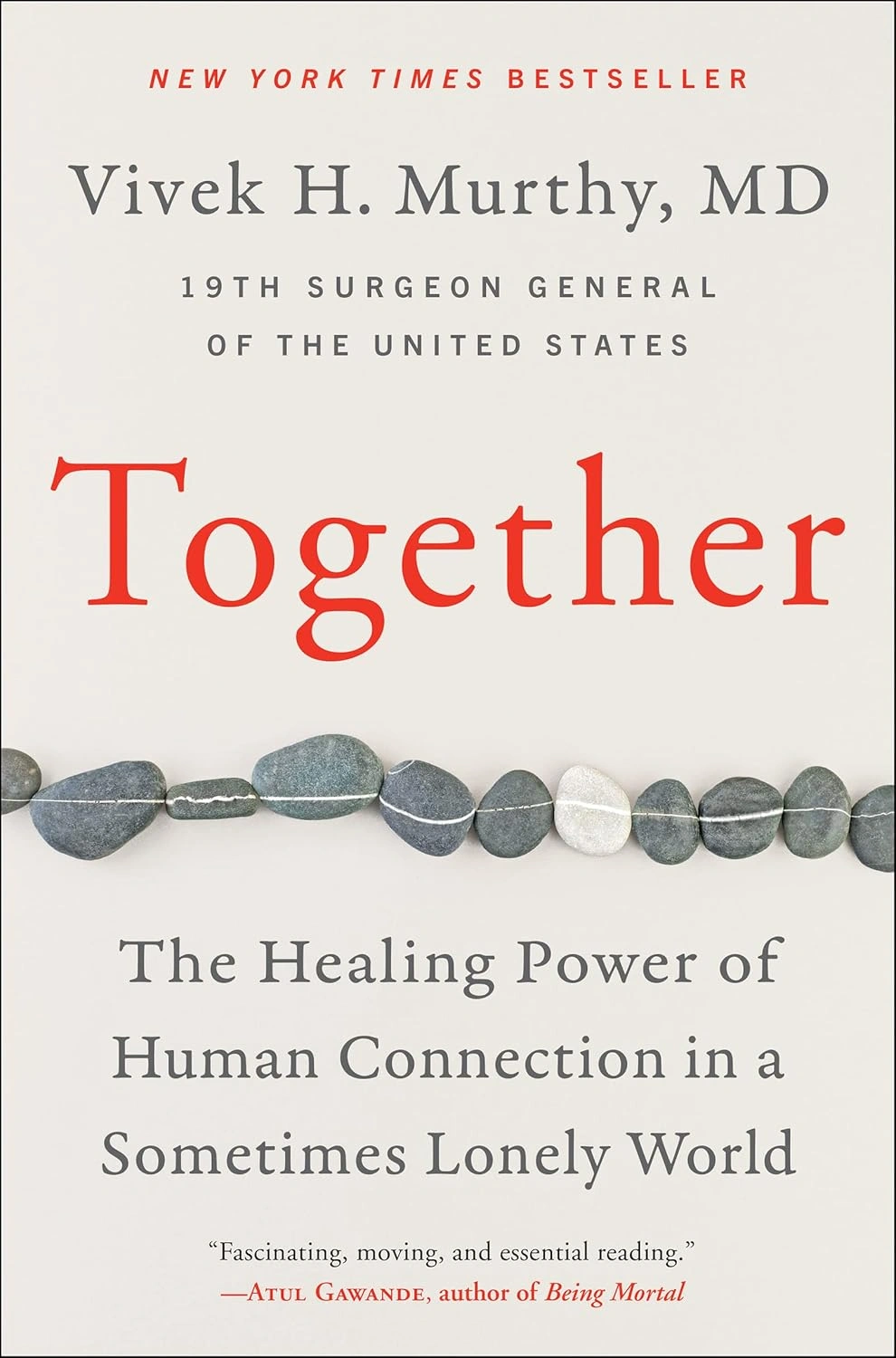
Together: The Healing Power of Human Connection in a Sometimes Lonely World by Vivek H. Murthy
For Health
Written by a former U.S. Surgeon General, Together reframes loneliness as a public health concern. Vivek Murthy combines scientific research with personal stories to show how isolation affects both mental and physical well-being. But this isn’t just diagnosis — it’s a hopeful, practical look at how even small moments of connection can have meaningful impact. Murthy makes a persuasive argument: human connection is essential to our overall health.
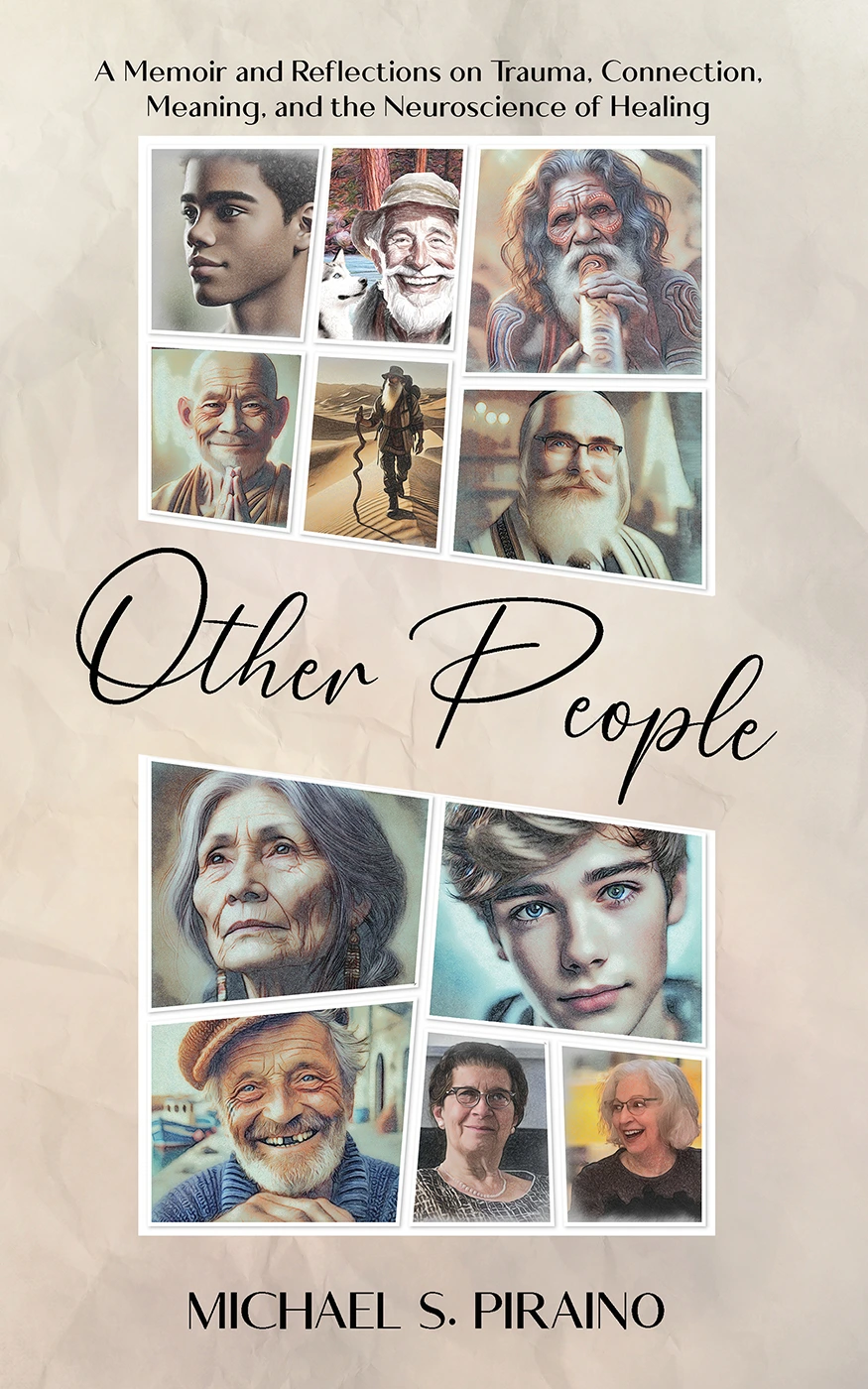
Other People: A Memoir and Reflections on Trauma, Connection, Meaning, and the Neuroscience of Healing by Michael S. Piraino
For Healing
In this reflective, science-informed memoir, Michael Piraino traces how a traumatic experience in his youth reshaped his life and how connection helped him rebuild it. Blending personal narrative with insight into how trauma affects the brain, he explores the role of relationships in recovery. Drawing on his work in child advocacy with foster youth and families, Piraino shows that healing doesn’t happen in isolation. It happens through others, often in ways we only understand in hindsight.
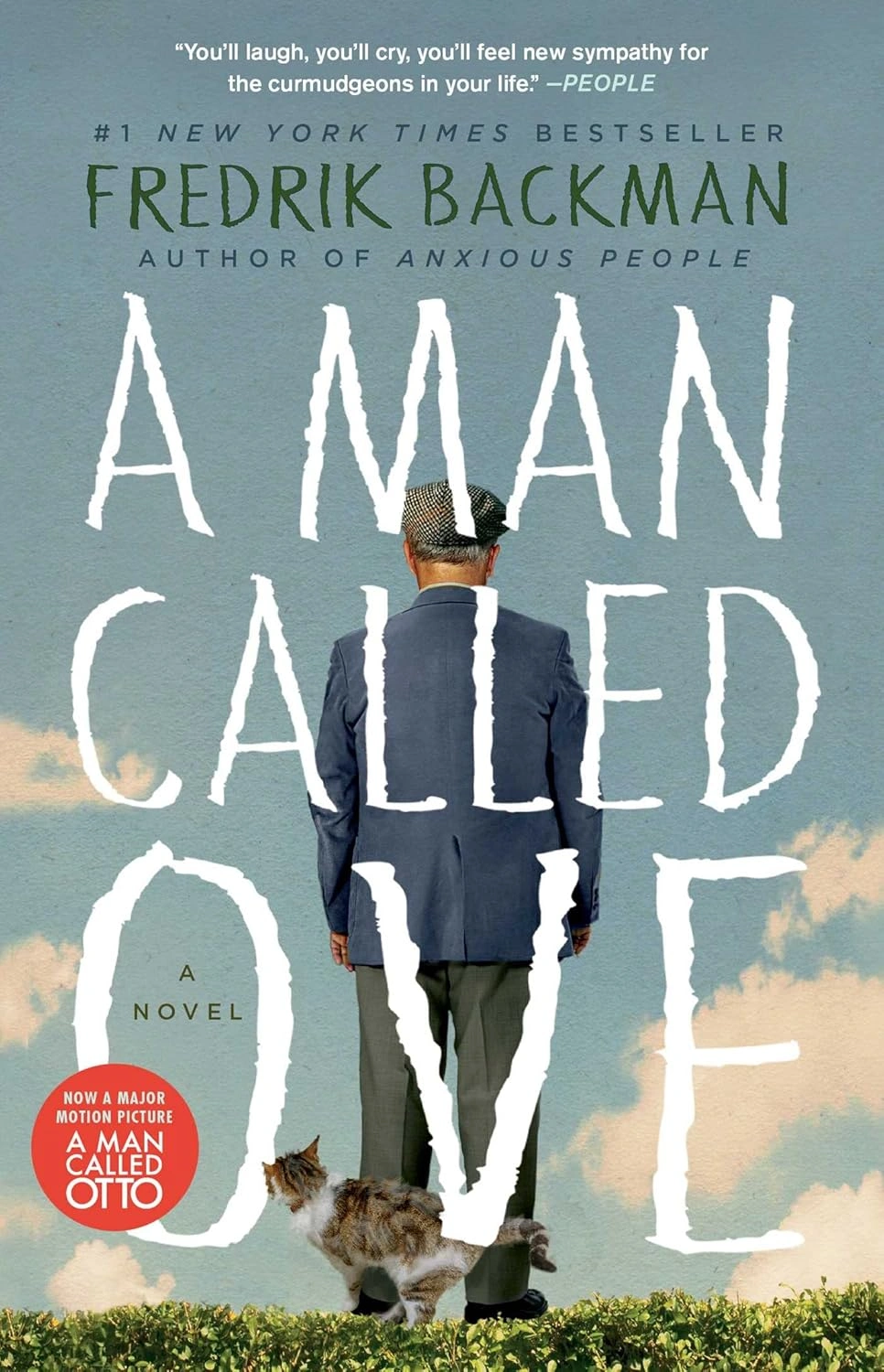
A Man Called Ove by Fredrik Backman
For Community
At first glance, Ove is the last person who seems to need anyone. Grumpy, isolated and set in his ways, he’s given up on the world — until a lively young family moves in next door. What follows is a quietly transformative story about the power of community to break through even the most carefully constructed walls. With humor and heart, Backman shows how connection can arrive unexpectedly and how even the most solitary among us are shaped by the people around them.
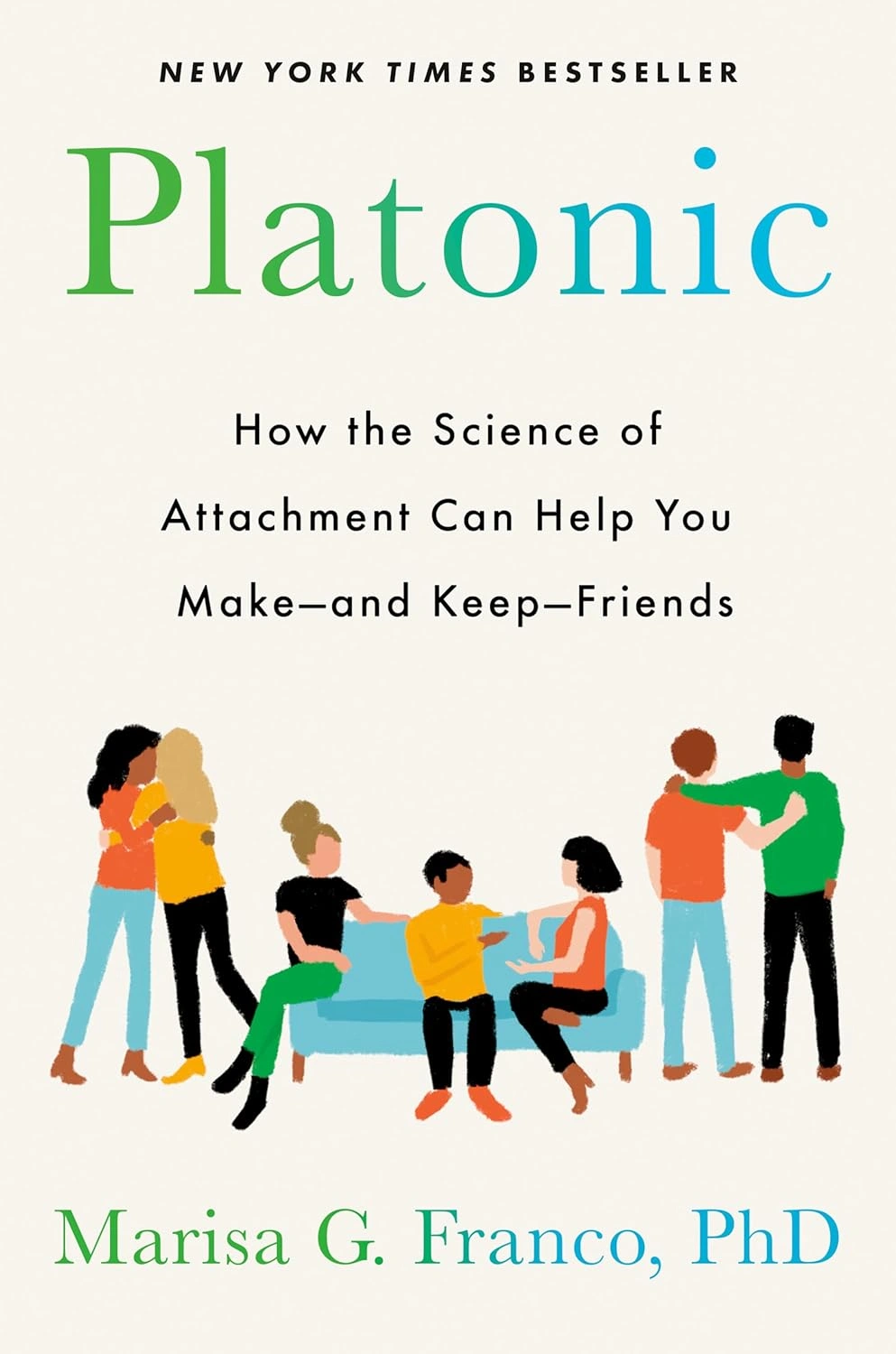
Platonic: How the Science of Attachment Can Help You Make—and Keep—Friends by Marisa G. Franco
For Friendship
In a culture that often prioritizes romantic love, Platonic makes a refreshing — and necessary — case for friendship. Psychologist Marisa Franco draws on attachment theory to explain how our patterns of connection shape the friendships we form and sustain. More than just theory, the book offers practical insight into building deeper, more supportive relationships. It’s a validating reminder that friendship is not secondary; it’s essential.
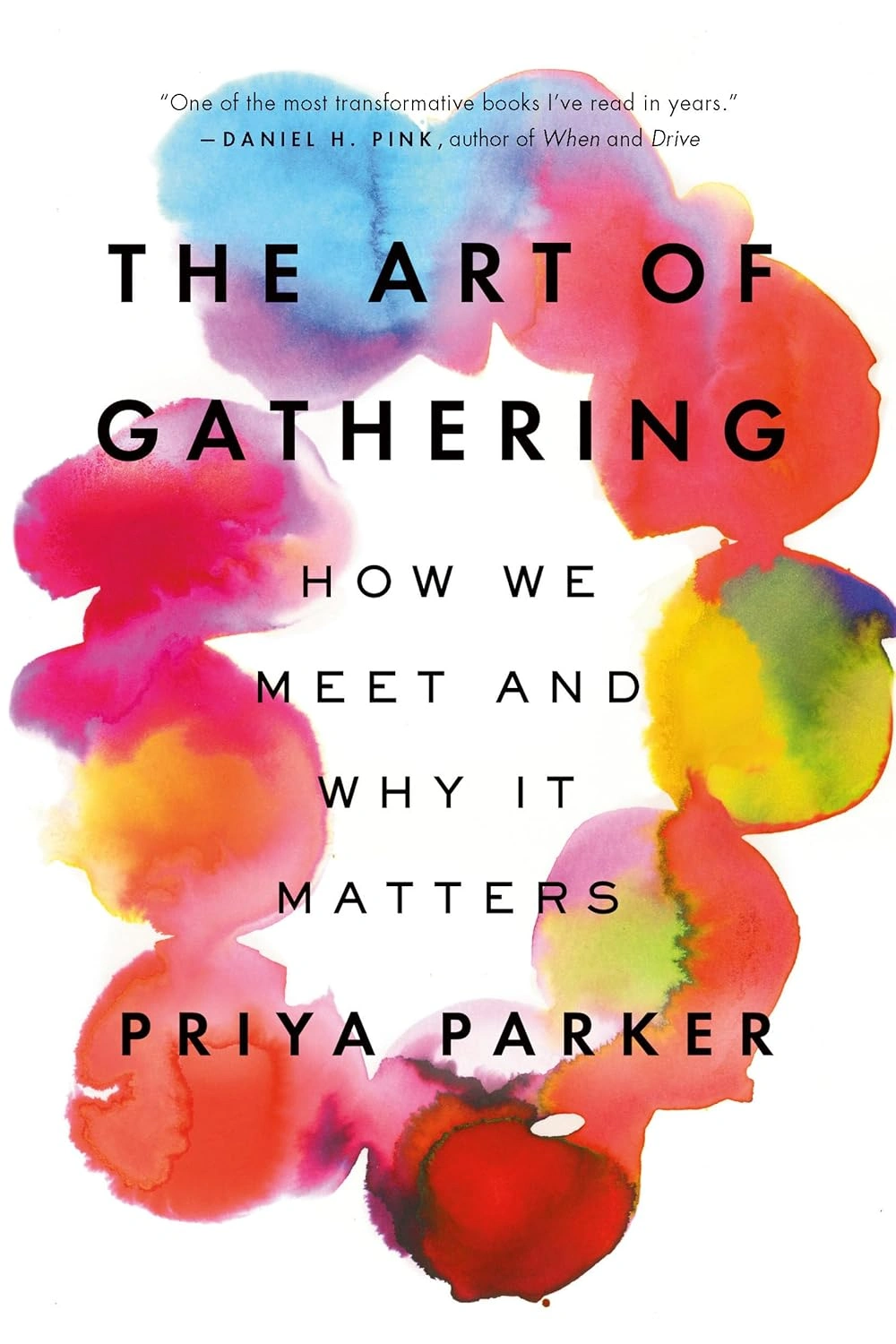
The Art of Gathering: How We Meet and Why It Matters by Priya Parker
For Interaction
What if the way we gather is missing the point? In The Art of Gathering, Priya Parker reimagines everything from dinner parties to professional meetings as opportunities for meaningful connection. She challenges the idea that gatherings should be routine, instead encouraging intentionality and purpose. The result is a practical, thought-provoking guide to creating moments that bring people together in ways that actually matter.
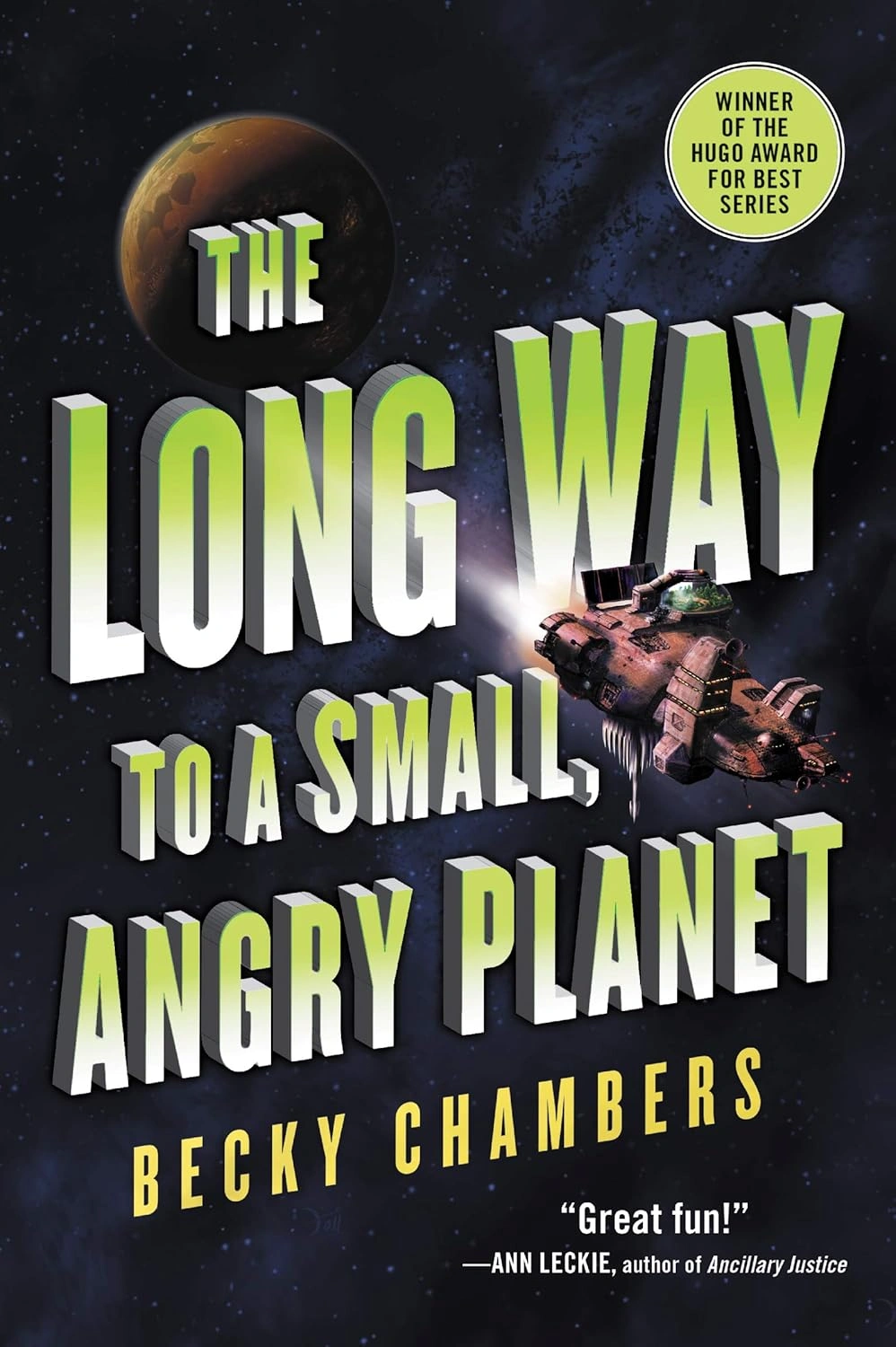
The Long Way to a Small, Angry Planet by Becky Chambers
For Found Family
Set aboard a tunneling spaceship traveling across the galaxy, this character-driven novel places its focus on the bonds among the multi-species crew of the Wayfarer. As they work, travel and face challenges together, those relationships gradually deepen into something more — something that looks a lot like family. Through quiet, character-driven moments, the novel explores what it means to belong, reminding us that sometimes the people we need most are the ones we choose.
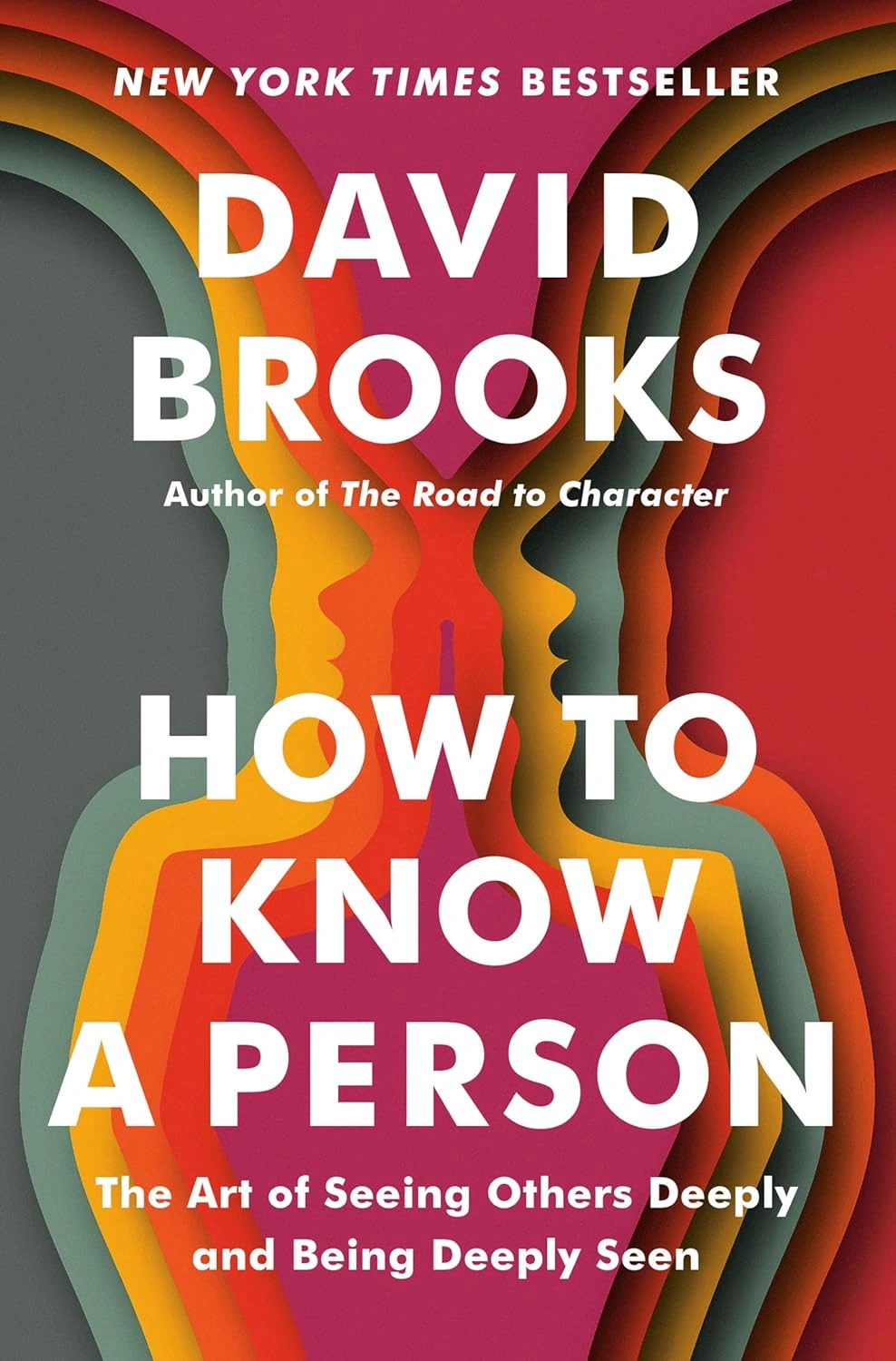
How to Know a Person: The Art of Seeing Others Deeply and Being Deeply Seen by David Brooks
For Understanding
In a world of surface-level interaction, How to Know a Person asks a deeper question: what does it mean to truly see someone? David Brooks explores the art of attention, empathy and presence, arguing that one of the most important skills we can develop is the ability to make others feel understood. Blending cultural observation with practical insight, the book offers a roadmap for building more meaningful relationships — one conversation at a time.