With National Poetry Month underway, you may be looking at your ambitious 2026 reading goals and wondering if you need more poetry. Yes, the answer is always “yes.”
Canadian poets are some of the finest on the planet, writing face-melting, breathtaking, soul-expanding poetry. To celebrate this auspicious month, here are 15 new and forthcoming poetry collections from northern Turtle Island, including award-winning poets and brilliant debuts that are more than worthy of your reading plans.
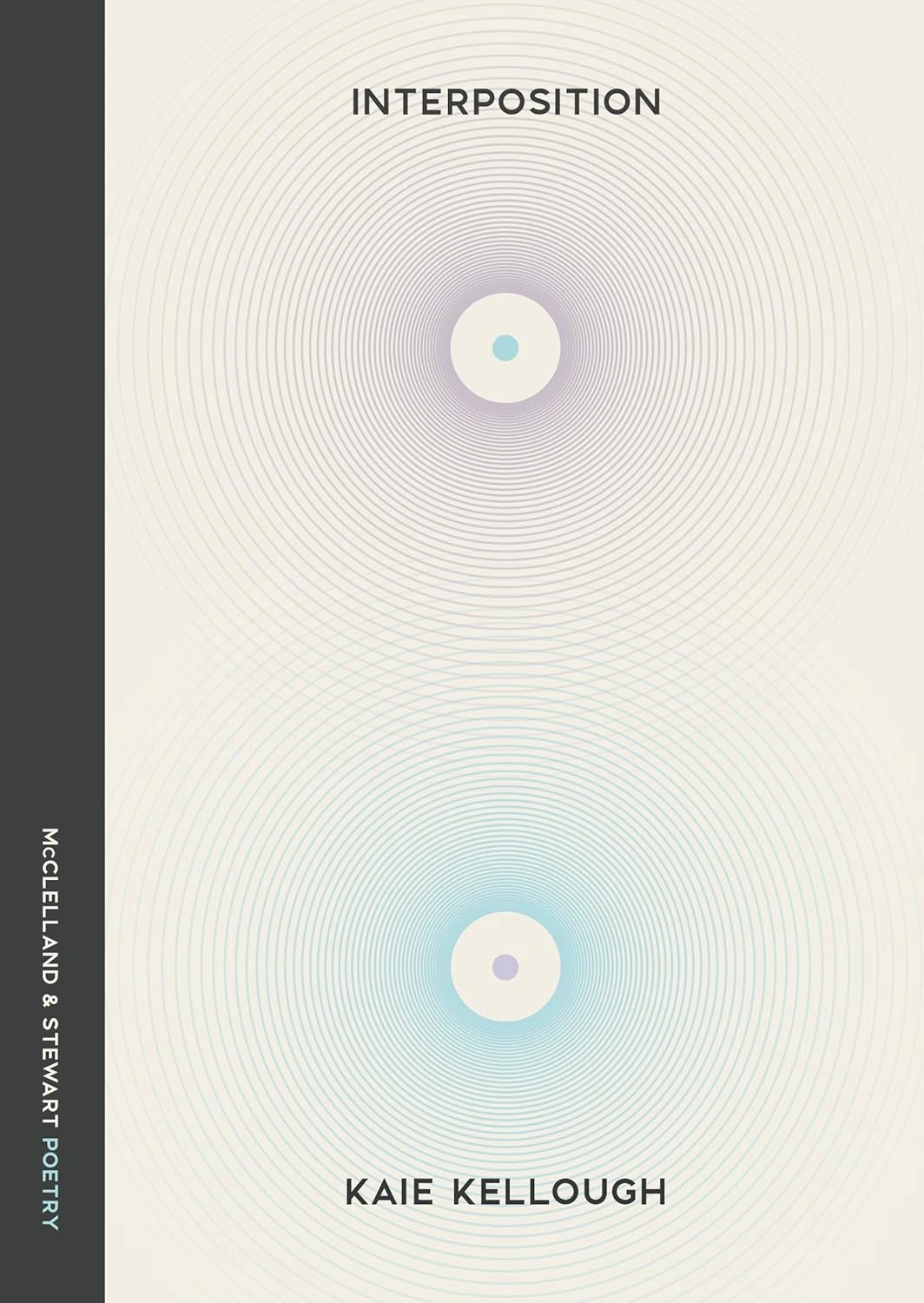
Interposition by Kaie Kellough
A book-long poem, Interposition, captures human attempts to define the boundaries between our digital selves and physical existence. Modern experience of living thousand lives a day as opposed to a singular existence brings us closer to the cultural wars, world problems and inevitable decline of the physical and moral, while taking away our human life. A Griffin prize winner, Kaie Kellough, continually questions how we can connect with the world without losing the image of self and immediate surroundings, as our digital and physical selves blend tighter each day.
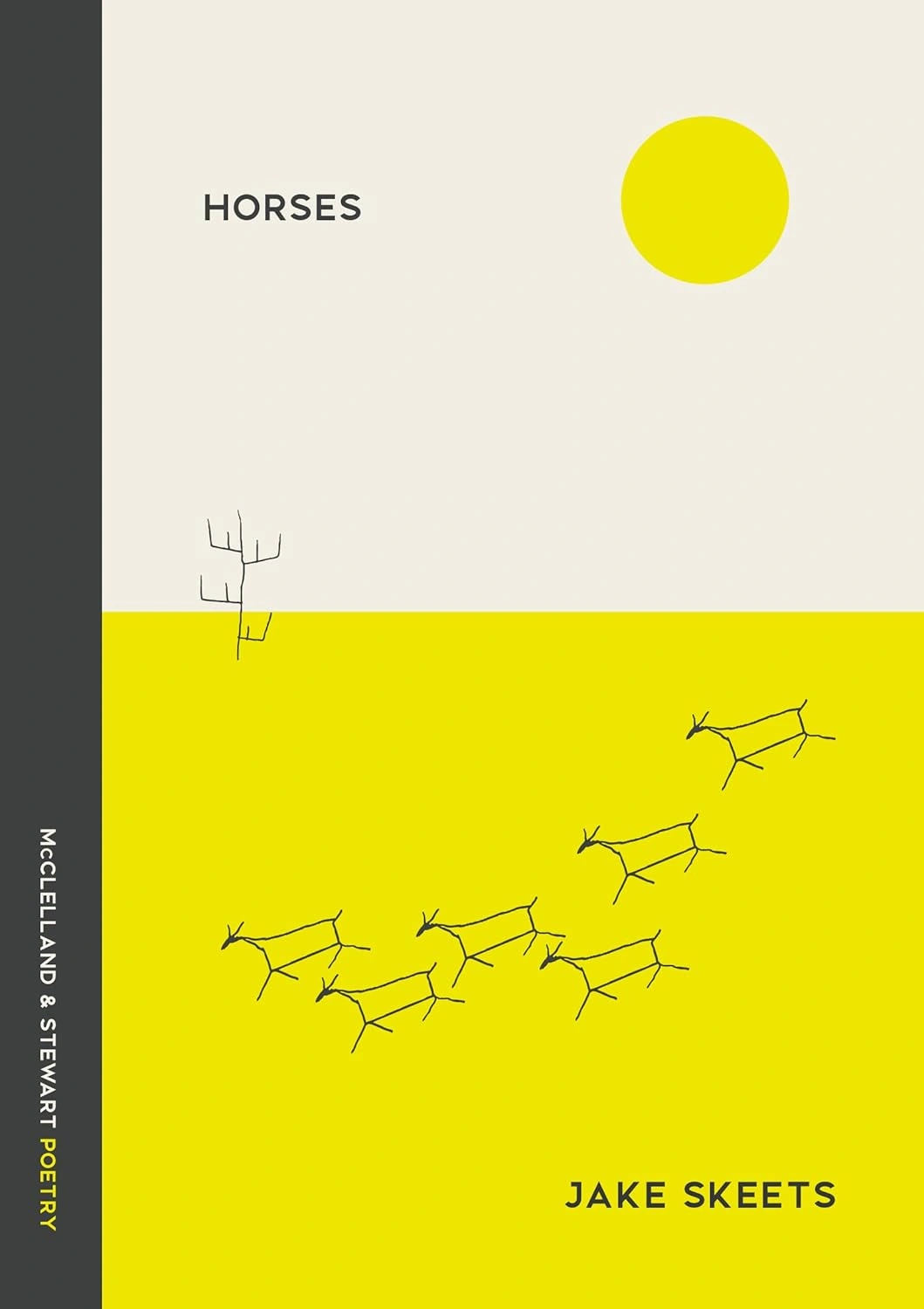
Horses by Jake Skeets
Two hundred horses were found dead near a dried-up pond in Northern Arizona. Searching for water, fighting against thirst, they met nature denying them life. Do we always take away from the land, and does land always reclaim its gifts? Is apocalypse an end to all or a start to new? A highly anticipated poetry collection from Navajo Nation Poet Laureate Jake Skeeets, Horses invites its readers to witness the changes in nature and land, the destruction that creates new ways of life and inevitable passing of the present.
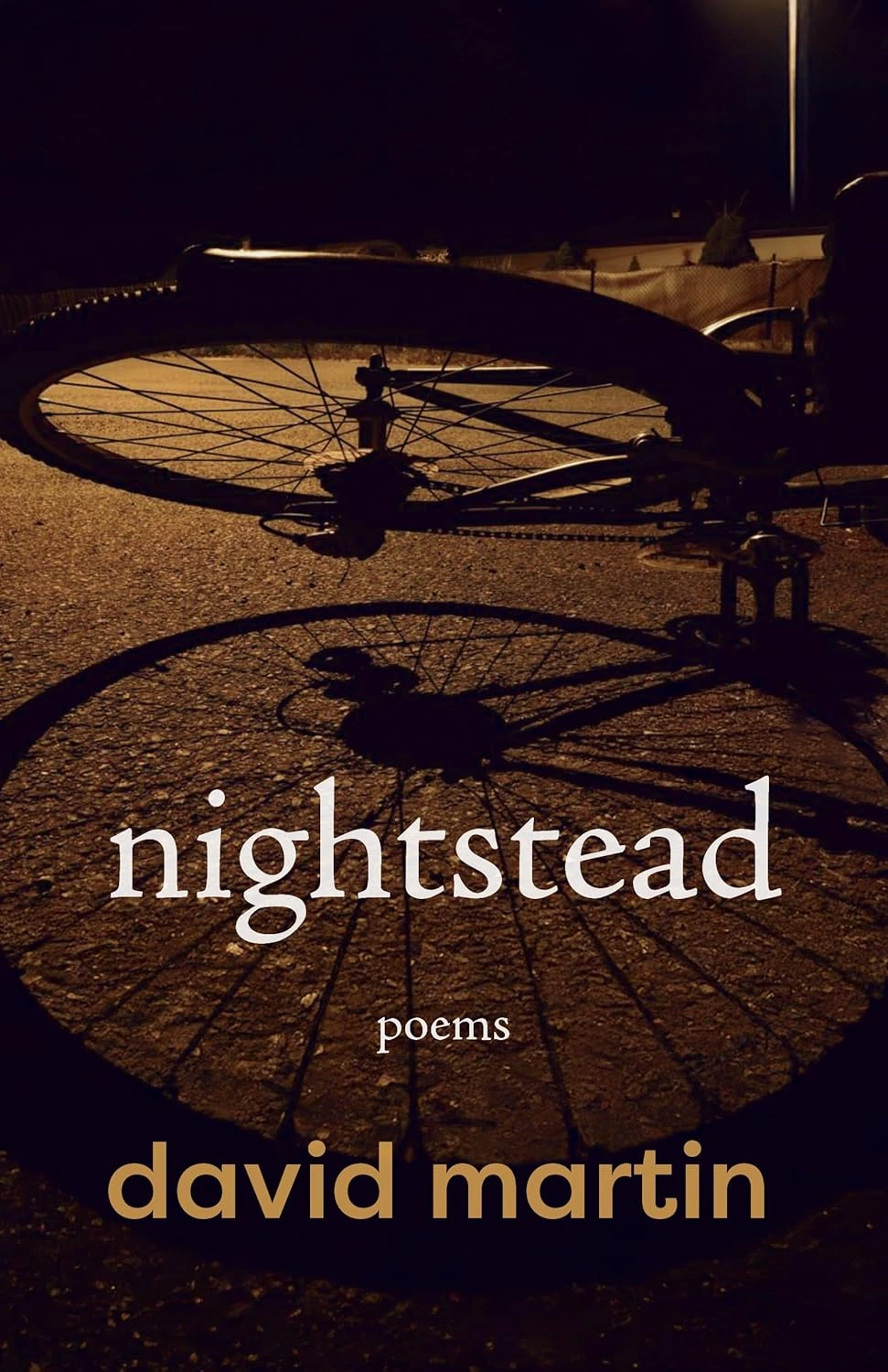
nightstead by David Martin
nightstead is a deeply personal memoir capturing brotherhood and loss. David Martin dedicated this collection to his brother who took away his live at the age of twenty-three. The elegy recollects on happy moments juxtaposing them with grief through complex poetic storytelling and honest verses that create an emotional and devastating memorial for the beloved one. This collection of poetry haunts readers till the end.
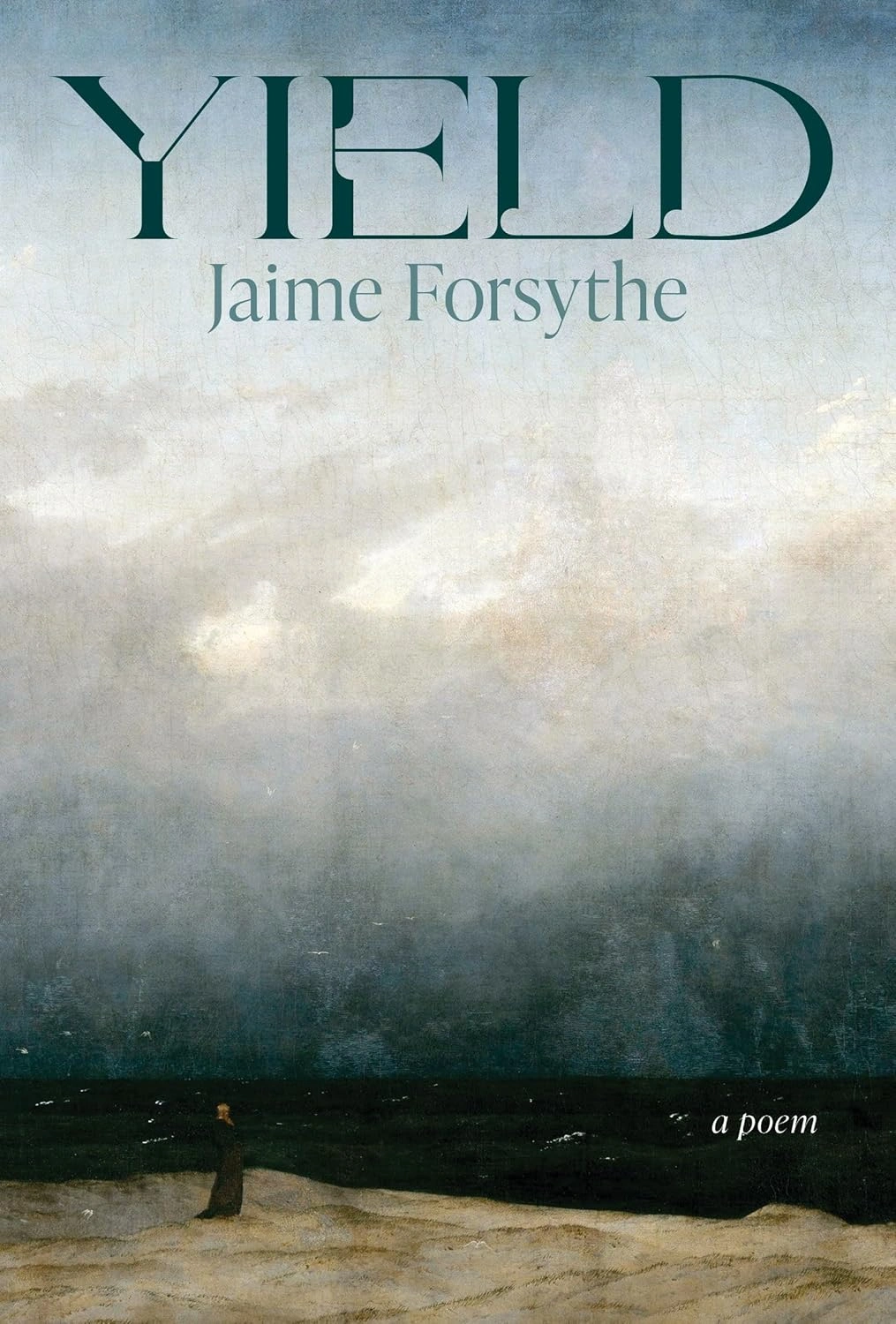
Yield by Jamie Forsythe
Yield is a collection by a Nova Scotian poet Jamie Forsythe of a mother living in solitude along a seashore. The long poem is a tale of a woman coping with postpartum depression. Being isolated from the land and from the sea, she feeds her memories and strengths to the child, while fading away. The long poem mimics the nature of sea, creating vivid images and emotional fluctuations that devastatingly represent the struggle of a lost in a void woman.
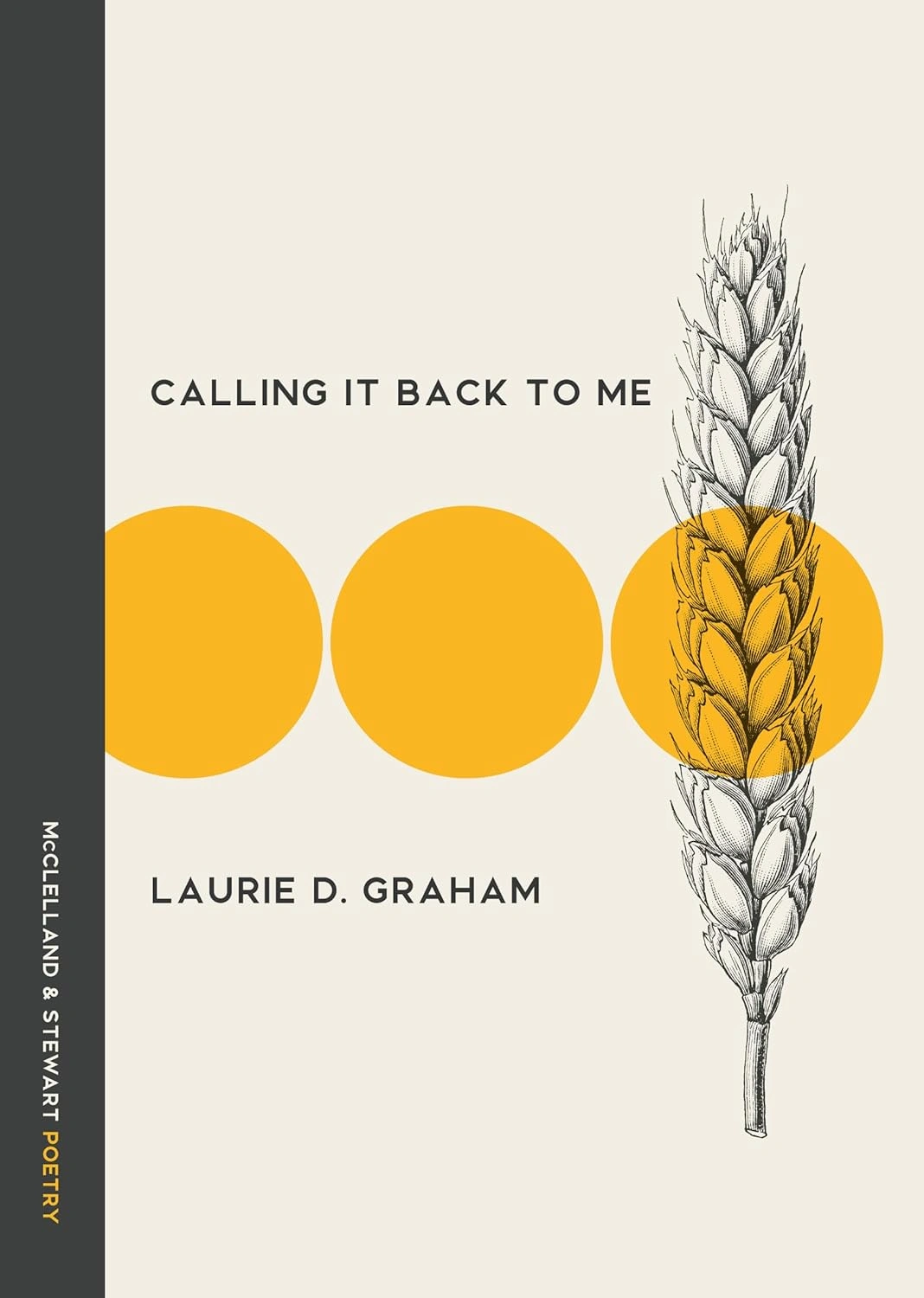
Calling It Back to Me by Laurie D. Graham
When Laurie D. Graham’s great-grandmother stepped on this land, she forever changed the history and memory of next generations. Calling It Back to Me looks back at colonization within the author’s own family and traces the forgotten memories, names, people and places. How can one be homesick for a homeland she never called home? Can we be truly honest about what has been forgotten and hidden? Through these poems, Graham recollects and regains family knowledge with intricate details bringing it back to life, facing the rights and wrongs of poet’s beloved ones.
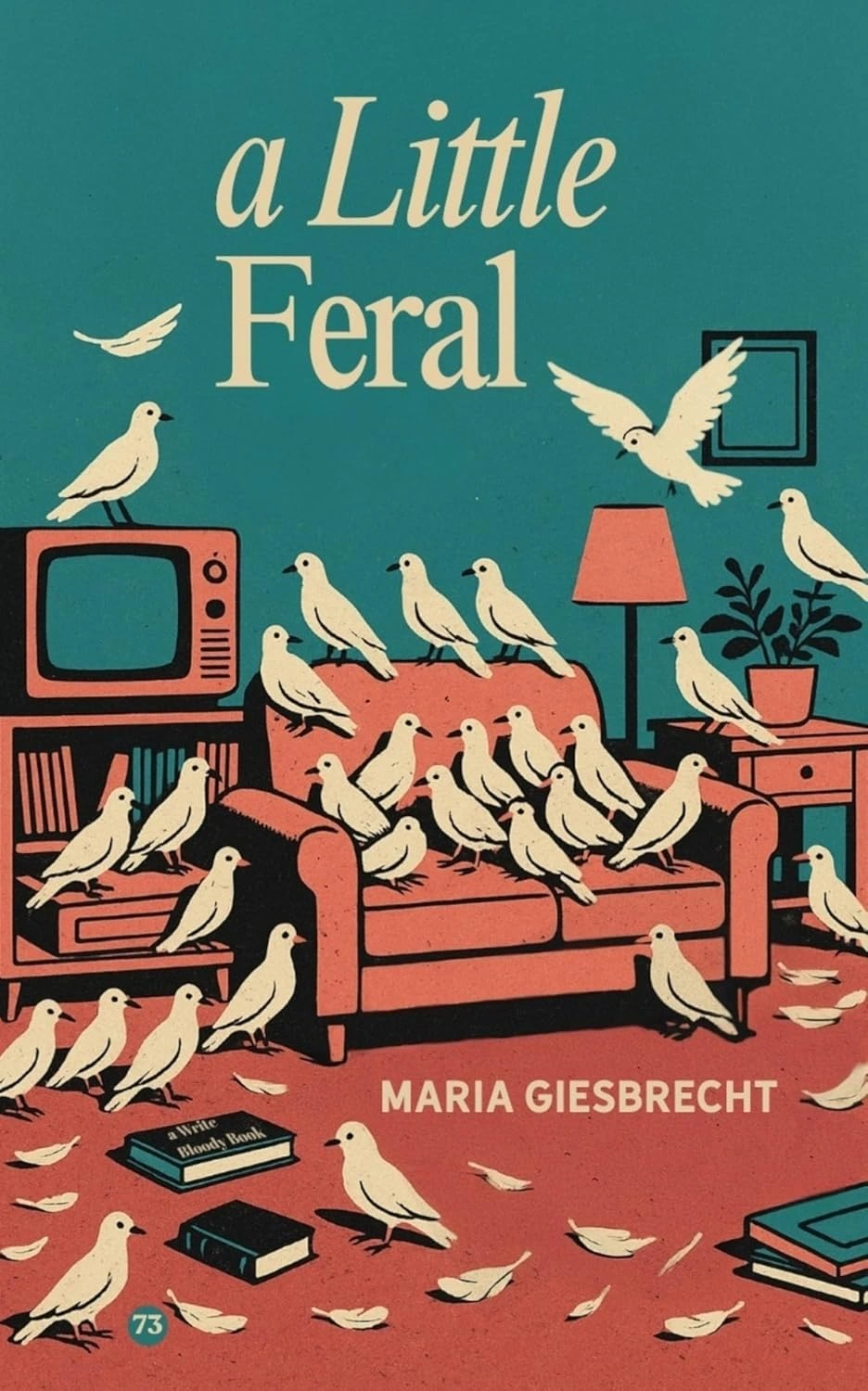
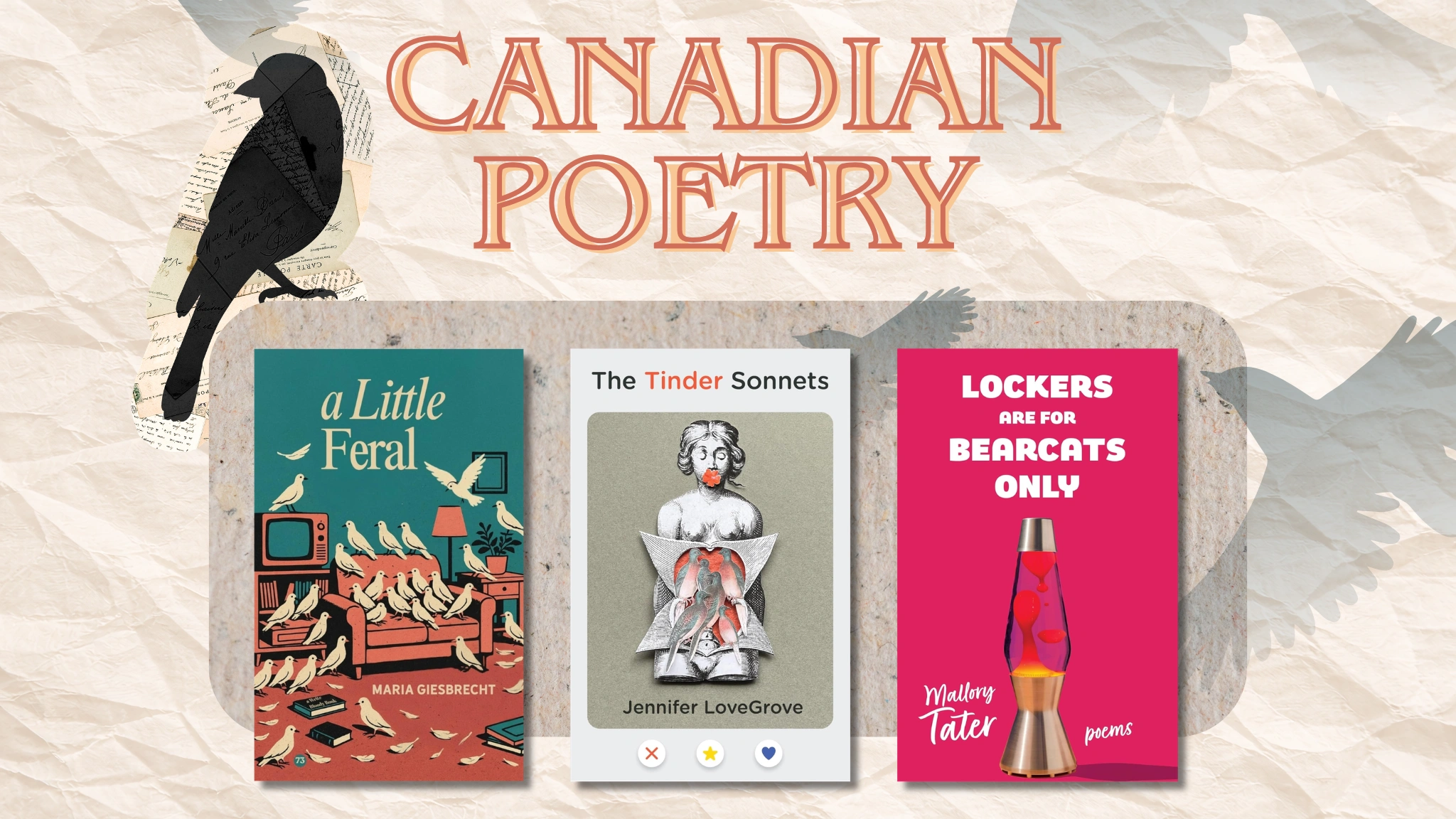
A Little Feral by Maria Giesbrecht
In her debut collection, A Little Feral, Marie Gisbrecht depicts the the rebellion against the safety and discomfort of the world that she was supposed to inherit. The poems explore deep ties of both family beliefs and escapism from conservative upbringing in honest and lyrical language that ties the author’s life to ancestral memory.
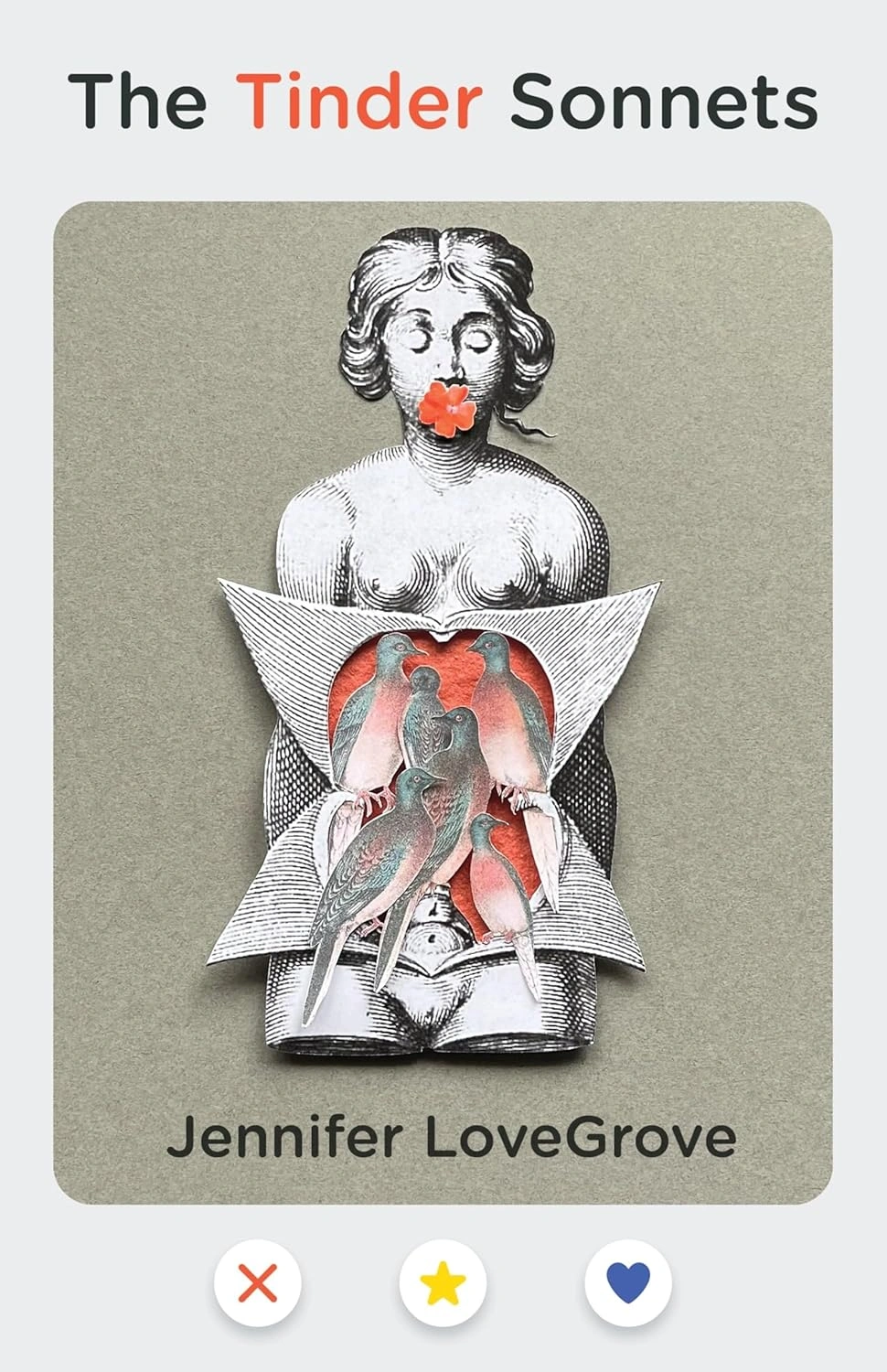
The Tinder Sonnets by Jennifer LoveGrove
The Tinder Sonnets is a collection of spicy poetry that reflects on Jennifer LoveGrove’s dating experiences, each poem being an essay on a problem occurring with each passing year of dating life. The conservative nature of sonnets meets radical and brutally honest world of contemporary search for love as a middle-aged woman with sexual desires, insecurities and longing to be left alone, safe from deeply engraved misogyny in our everyday lives. Jennifer LoveGrove invites her readers for a playful ride of joyful and angry, erotic and disappointing.
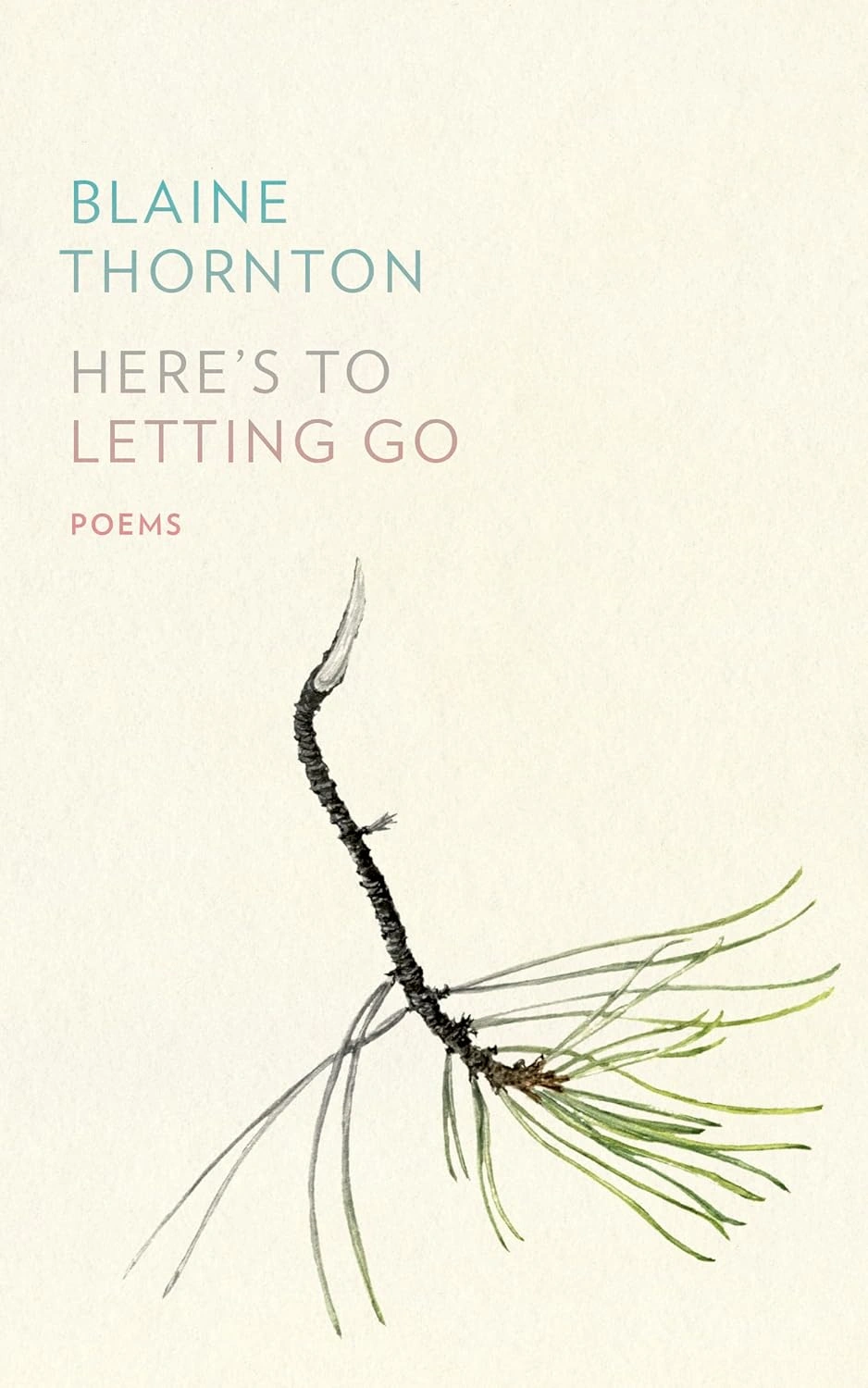
Here’s to Letting Go by Blaine Thornton
Blaine Thornton’s collection grabs our hands and takes along to look somewhere people refuse to put their glances on. Here’s to Letting Go combines poetry and prose to talk about lives of people who could not find Home among their families and were bound to sleep in sketchy houses, in parks and afterthought places. Through resilient narrative, Thornton connects stories of queerness, homelessness, mental illnesses and the dangers that come with choosing Love over survival and survival with Love.

Lockers Are for Bearcats Only by Mallory Tater
After losing her close friend, Mallory Tater found refuge in swimming which drastically influenced her perception of water and grief. The escapism and meditation of losing herself in swimming laps started a poetry collection Lockers Are for Bearcats Only, a reflection on the author’s life and problems that remained suppressed until memory met water. Through her poems, Tater explores her past, addictions, girlhood, religion and losses that keep haunting and teaching on further path in life.
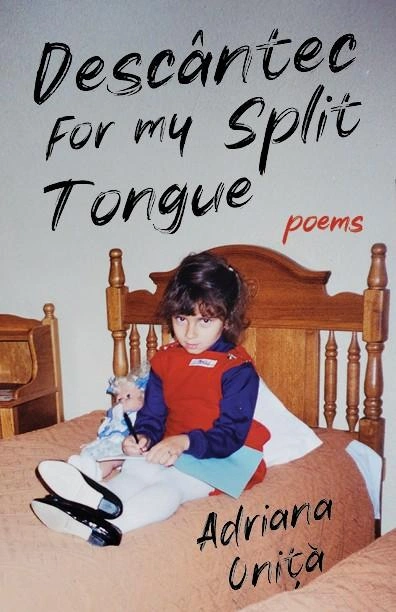
Descântec For My Split Tongue by Adriana Oniță
Descântec For My Split Tongue by Adriana Oniță explores language as a part of human identity and losses that come with immigration from one culture to another. The book collects English-Romanian poems that define and paint the meanings of words that cannot be translated. How these words limit the author’s expression to others but connect warmly to the homeland and sense of self. Having immigrated from Jilava to Edmonton, Oniță writes a descântec — part incantation, part prayer, part spell — about her culture, language and healing of an immigrant self.
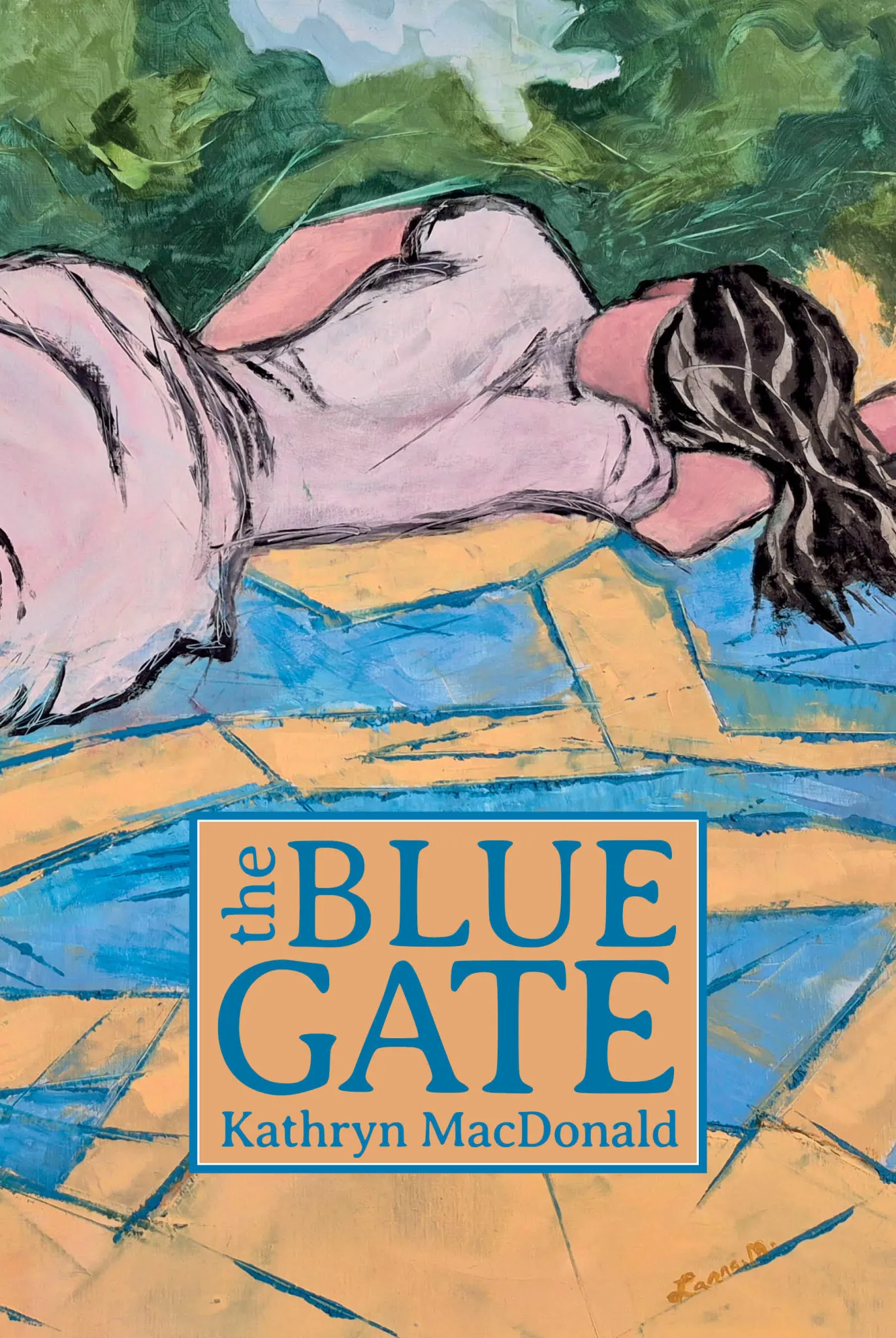
The Blue Gate by Kathryn MacDonald
Kathryn McDonald’s The Blue Gate is a poetic journey into passions of unconventional love, grief for the loved one and finding acceptance in nature. MacDonald’s narrator captivates from the first lines of the love verses that lead into loss and loneliness occupying her reality. The detail and overwhelming feeling connect Canada and Africa in vulnerable poems, while the reader navigates the narrator’s search for consolation and life after love.
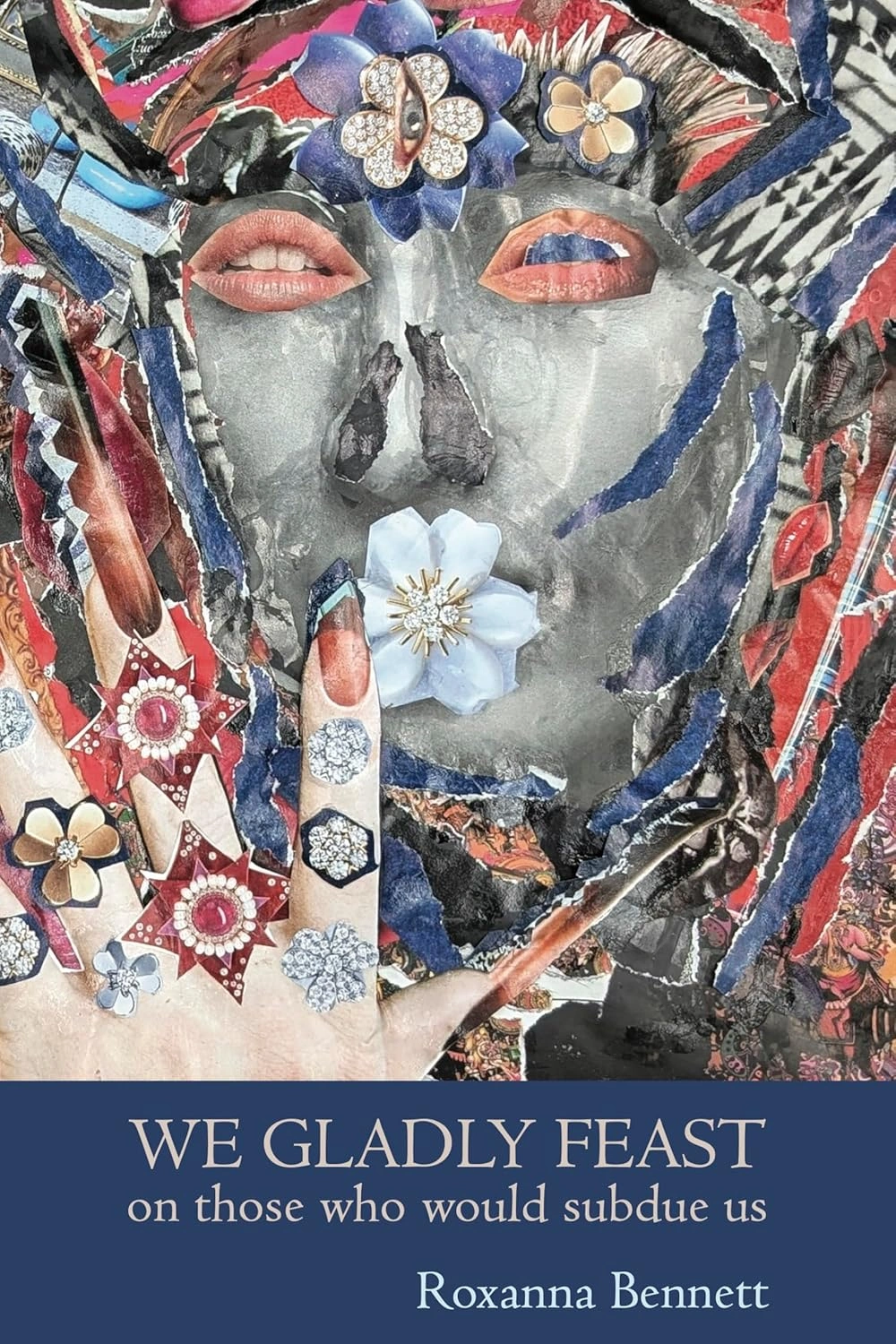
We Gladly Feast on Those Who Would Subdue Us by Roxanna Bennet
An award-winning poet Roxanna Bennett steps outside of the usual poetic habits to fully immerse her readers into disabled persons’ burden of navigating the world that wasn’t built with them in mind. The author’s insightful and strong narration utilizes collages to represent the unstructured life within quite structured but inaccessible society. The collection powerfully speaks up on everyday fight for survival and often inconsiderate world.
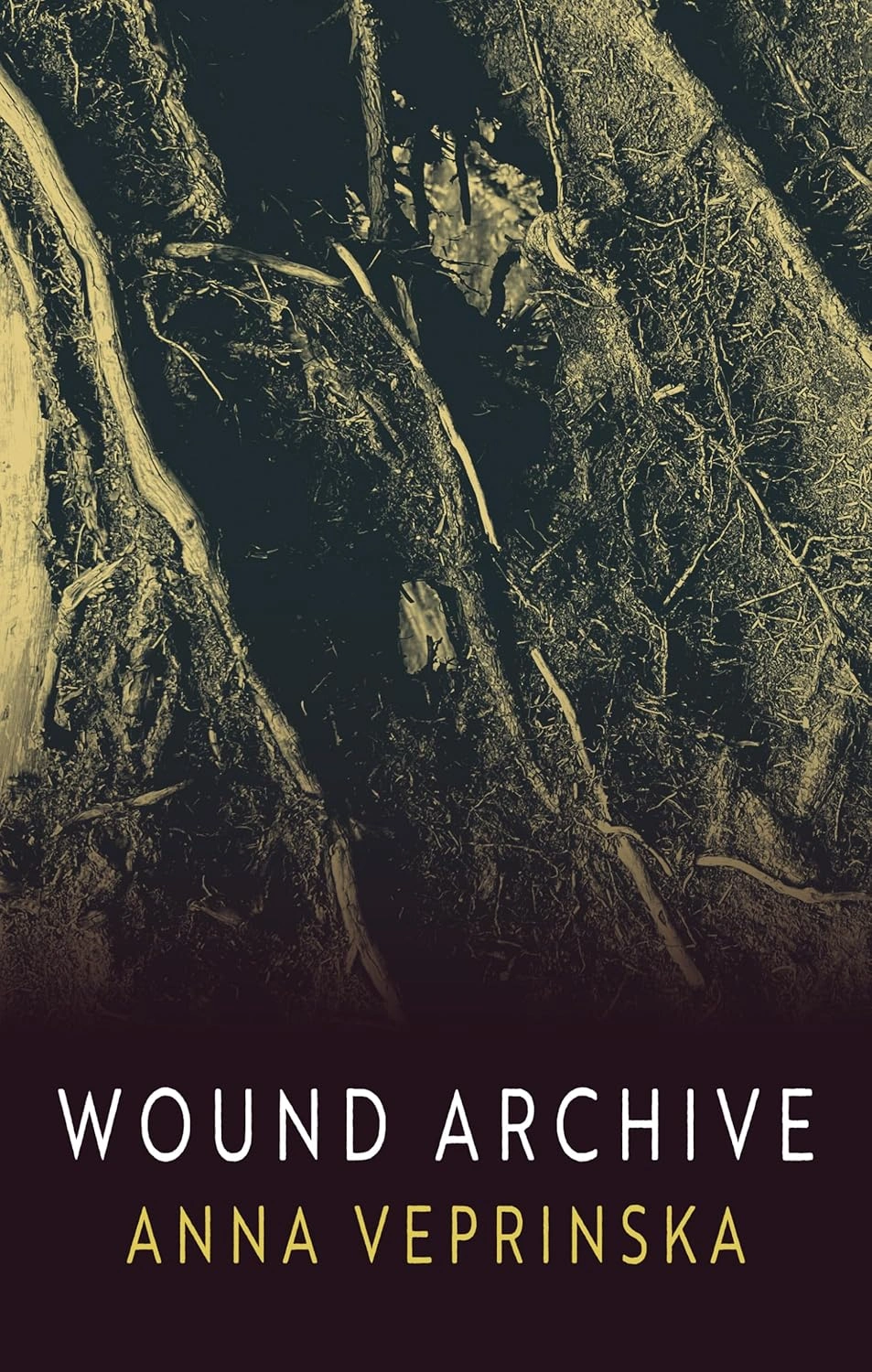
Wound Archive by Anna Veprinska
Wound Archive weaves the pain of body and soul together in intricate minimalistic poetry. Verpinska’s representation of corporeal and invisible illnesses depicts body as a barer of adversities that guide on path to higher sense of self. The poet’s language becomes part of the body she is ready to wound and heal with her poetry.
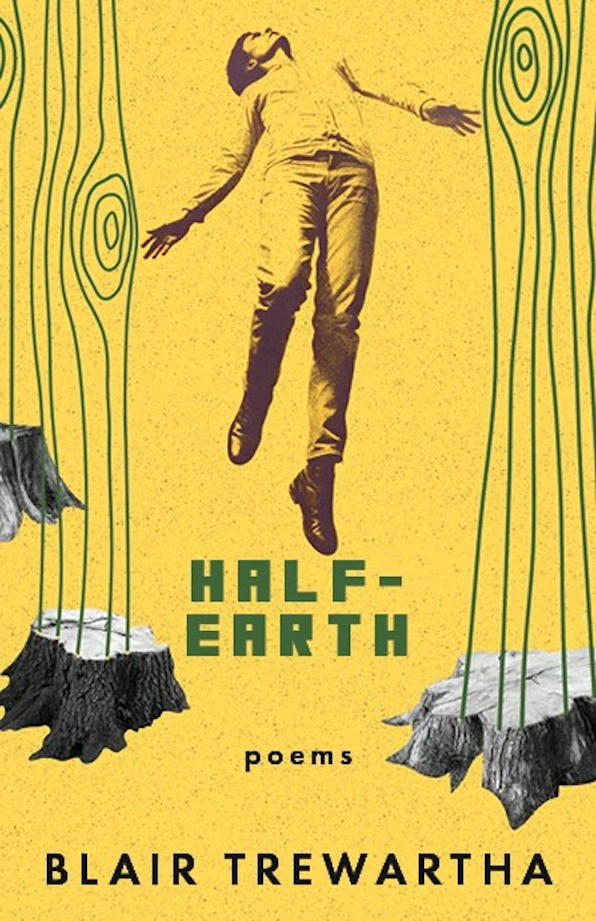
Half-Earth by Blair Trewartha
Through vivid depictions of apocalyptic scenes, Half Earth ponders on living in a pandemic world and teaching young minds to think in the age of Artificial Intelligence. The poet questions reality by presenting past and future in indistinguishable tandem, taking the readers to the furthest corners of Earth. The poetry collection is an exploration of surviving and building the family in the world that tries to doom itself more and more every year.
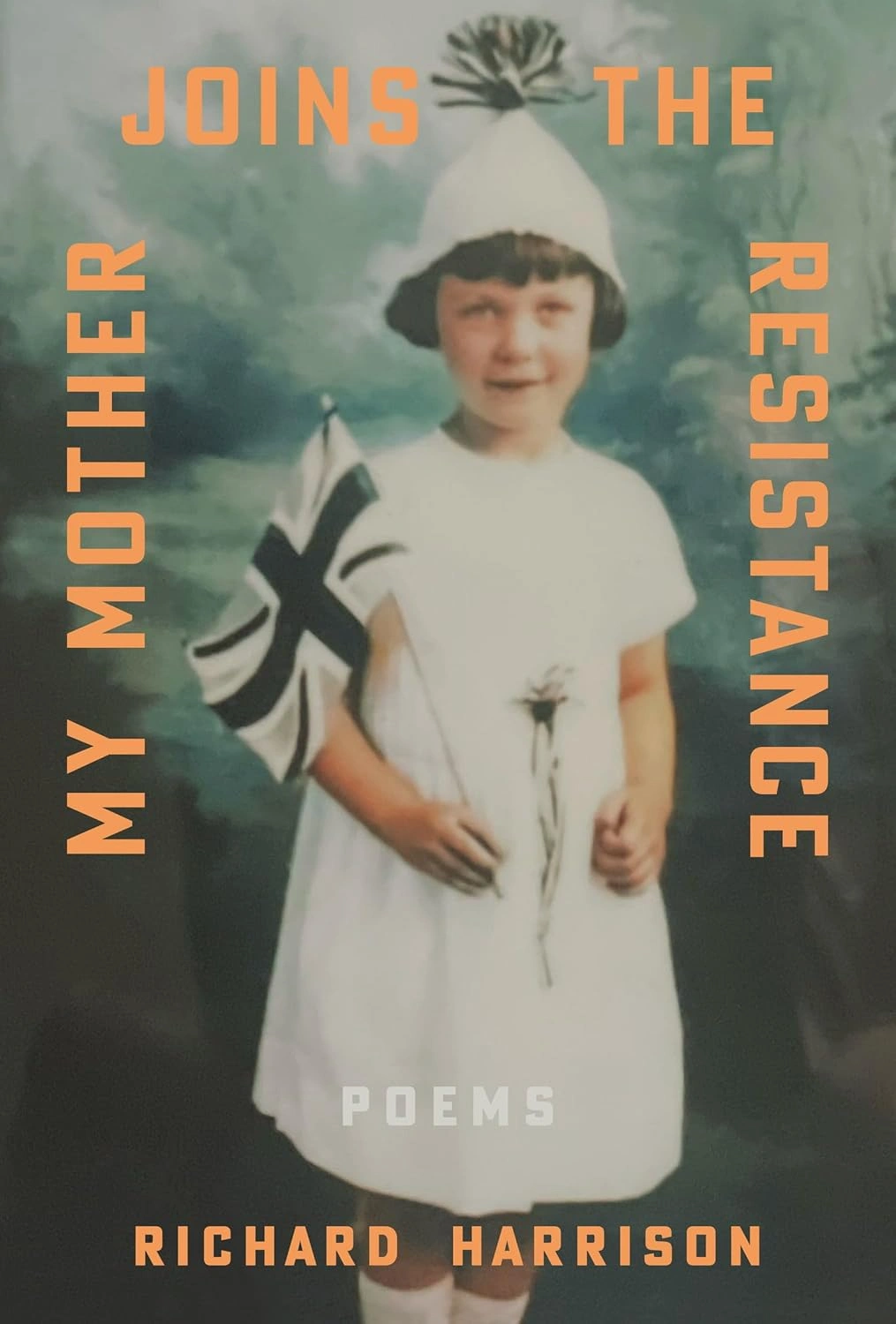
My Mother Joins the Resistance by Richard Harrison
After winning the Governor General Award with his collection On Losing My Father’s Ashes in the Flood, Richard Harrison honours the life of his other parent in My Mother Joins the Resistance. The poet explores the experience of a child in WWII, gracefully depicting his mother and building the profile of a courageous woman through precise, elegant and sensual poetry. This highly anticipated collection warmly hugs the ones that experienced loss.
National Poetry Month is not limited to simply reading poetry — it is an opportunity for literary citizens to broaden our perspectives, listen to what poets of diverse backgrounds have to say, and most of all, share those pieces with people we love. Happy reading!