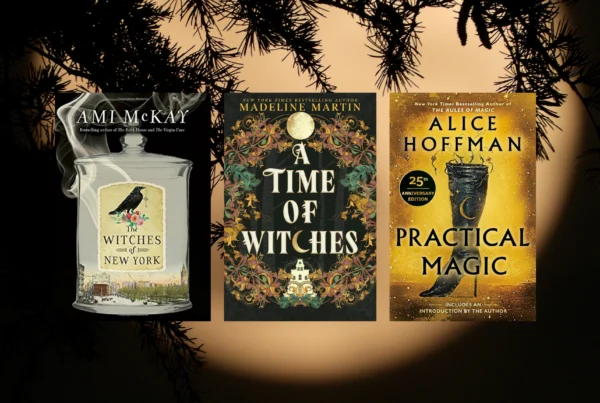
When I first had the idea to write a suspense novel about a struggling psychic-witch who, hoping to escape the poverty and loneliness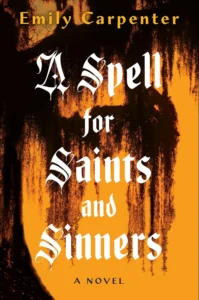 crushing her, allows herself to be taken in by the wealthiest family in Savannah, I knew I wanted the brand of witchcraft she practices to be as realistic as possible. As much as I adore and revere Practical Magic, I was going for something a bit less lyrical and a bit more grounded. The book I wanted to write was going to exist in a different world than the one Alice Hoffman so brilliantly created.
Rather than the folksy, superstition-infused, and (mostly) foolproof magic of the Owens women, my protagonist Ingrid practices a magic that exists in our world—a frustratingly uncertain place where cause and effect is a harder thing to parse. There is no Book of Shadows for Ingrid; all she has is the homespun, light-based chaos magic her grandmother handed down to her when she was a child. As she works her spells, there are results, but she’s never completely sure if they’re a result of her efforts or other forces at play.
This book was a long time coming for me—the result of a lifetime of consuming reams of dark and supernatural media. Since I was a kid, I’ve always been obsessed by the gothic, what goes on behind the veil, and the eternal question of who or what is actually controlling what happens to us. But I am not a witch, so I had a lot of research to do, to get comfortable in the world of spells and rituals, and to accurately inhabit the mind of a young woman who operates in this world. I used several reference books when it came to the specific ritual work that Ingrid does, but there were a handful of novels (and one memoir) that formed the foundation of who Ingrid was, where she came from, and what motivates her.
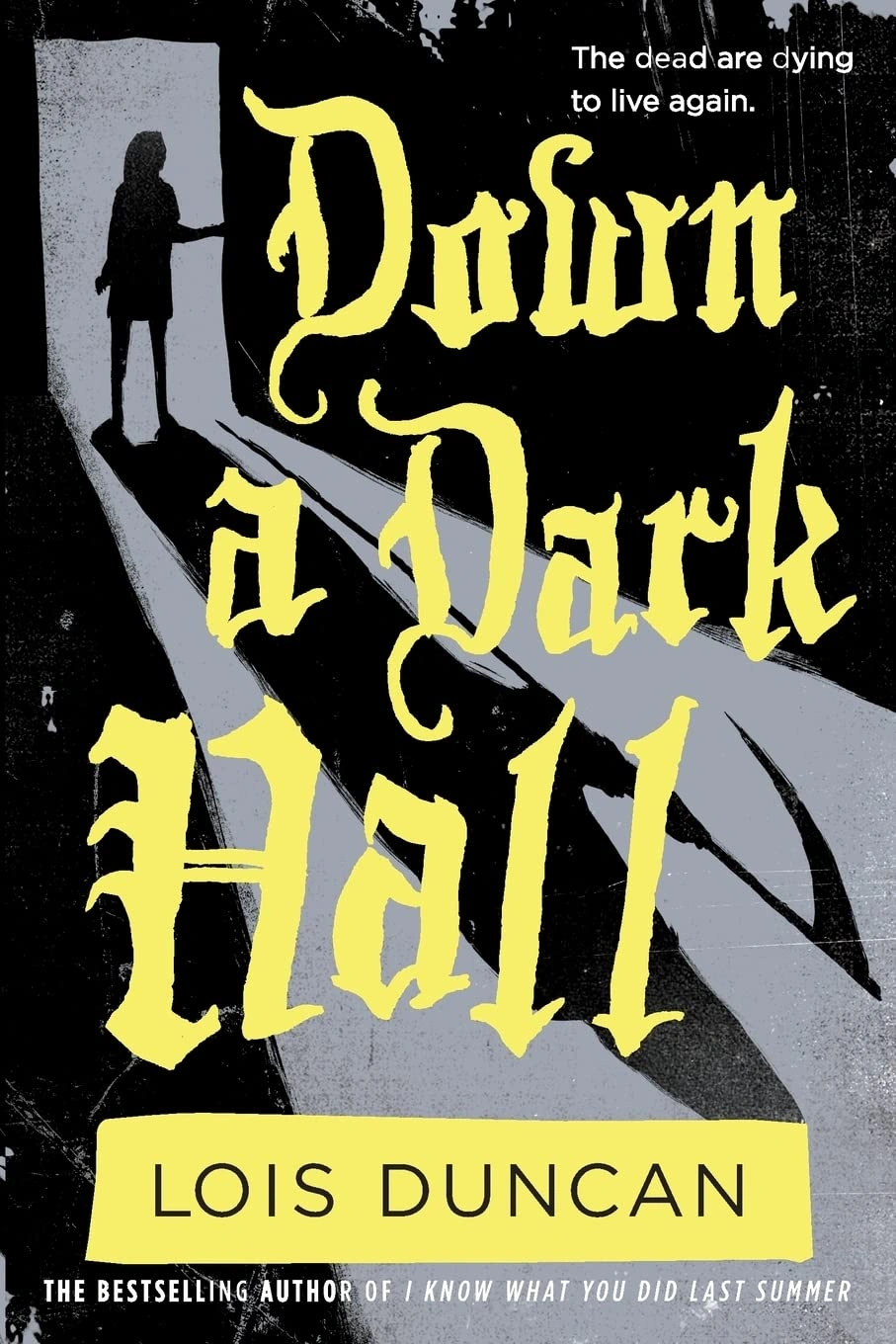
Down a Dark Hall by Lois Duncan
In the words of Sarah McLean and Jen Prokop of the Fated Mates podcast, this 1974 YA banger is the book that “blooded” me, hooking me on gothic literature forever and setting me on the path of writing novels filled with evil houses, suspect spirits and unsuspecting heroines. The book was reportedly written by Duncan because her publisher wanted a gothic horror for teens, but at the time I read it, it felt made just for me. We are introduced to the most gothic of gothic boarding schools, an exclusive but dubious place called Blackwood, where our main character Kit, a girl gifted with psychic sensitivities, is dropped off by her mom. Turns out the faculty’s got a whole operation going at Blackwood, using witchcraft to channel the spirits of long-dead artists, those cut down in their prime, into unsuspecting students so the kids make new art these artists would have made, should they have lived longer. Let me tell you, my ten-year-old self was seated for this one, jaw perpetually dropped. I keep a copy on my bookshelf to this day, for the occasional reread.
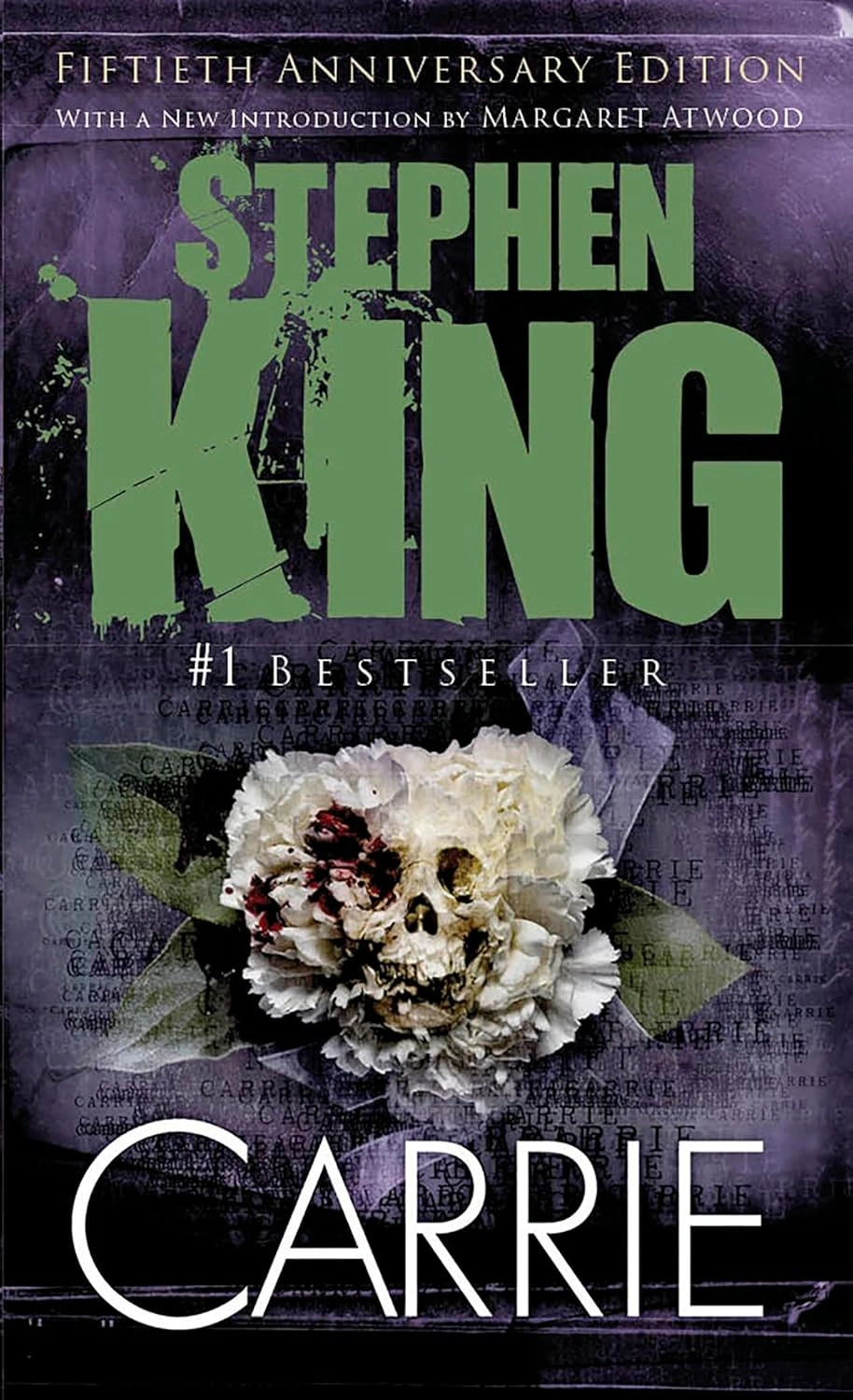
Carrie by Stephen King
Carrie White may not be a witch, but she does have possess powers, specifically an incredibly powerful telekinetic ability to move objects. The danger exists in the fact that she’s like an unstable gas…she hasn’t learned how to properly harness her gifts and when combined with other elements, all hell tends to breaks loose. Because of her oddness and maybe even because of her powers, Carrie is ostracized and isolated, and the heartbreak of this iconic classic is watching a girl who only wants to be loved, lash out at her tormentors, including her own mother. I think what people forget to talk about when the book — and movie — is brought up is just how massive Carrie’s intrinsically female power is and how we never know if the person we’re shunning could be similarly capable of such an unimaginable level of destruction. In an homage to this all-time favorite book, I based Ingrid on Carrie, giving her the same last name.
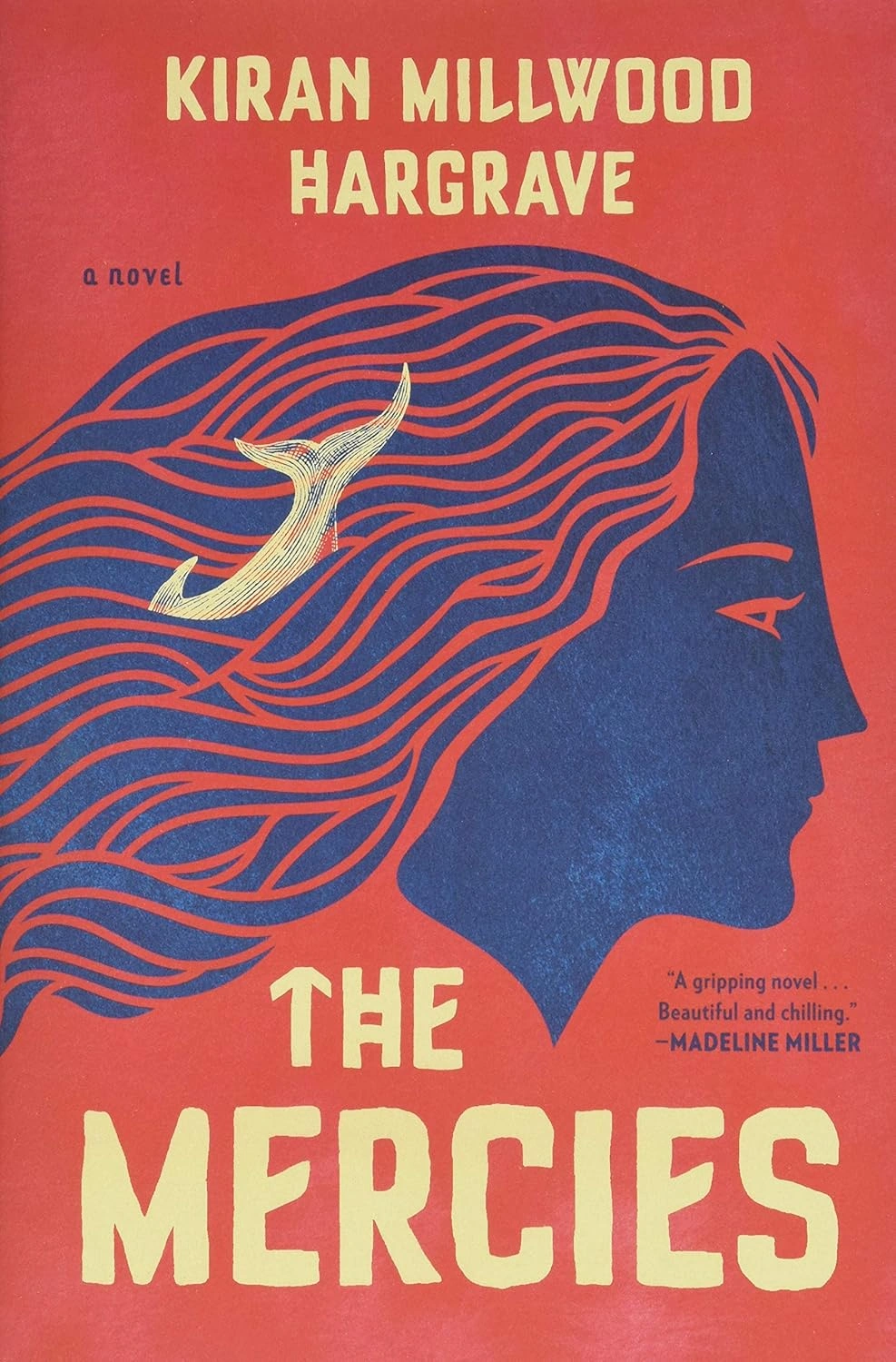
The Mercies by Kiran Millwood Hargrave
This 2020 historical novel based on the real-life witch trials in 1617 Norway riveted and terrified me. With lyrical and mesmerizing prose, it meticulously paints a picture of the very real danger women have been in throughout history, blamed for natural events in the most preposterous but deadly of ways. The Arctic island village was a fascinating and isolating setting that pulled me in from the start and watching how the women adapted to hardship and tragedy was immensely compelling. There is almost no instance of women surviving and thriving in days of old without a resulting accusation of witchcraft coming in hot on its heels, and not unexpectedly, the same thing happens here. The accusers, male and religious — as well as female and jealous — appear, and believing themselves to be agents of the Almighty, concoct charges that have sweeping consequences.
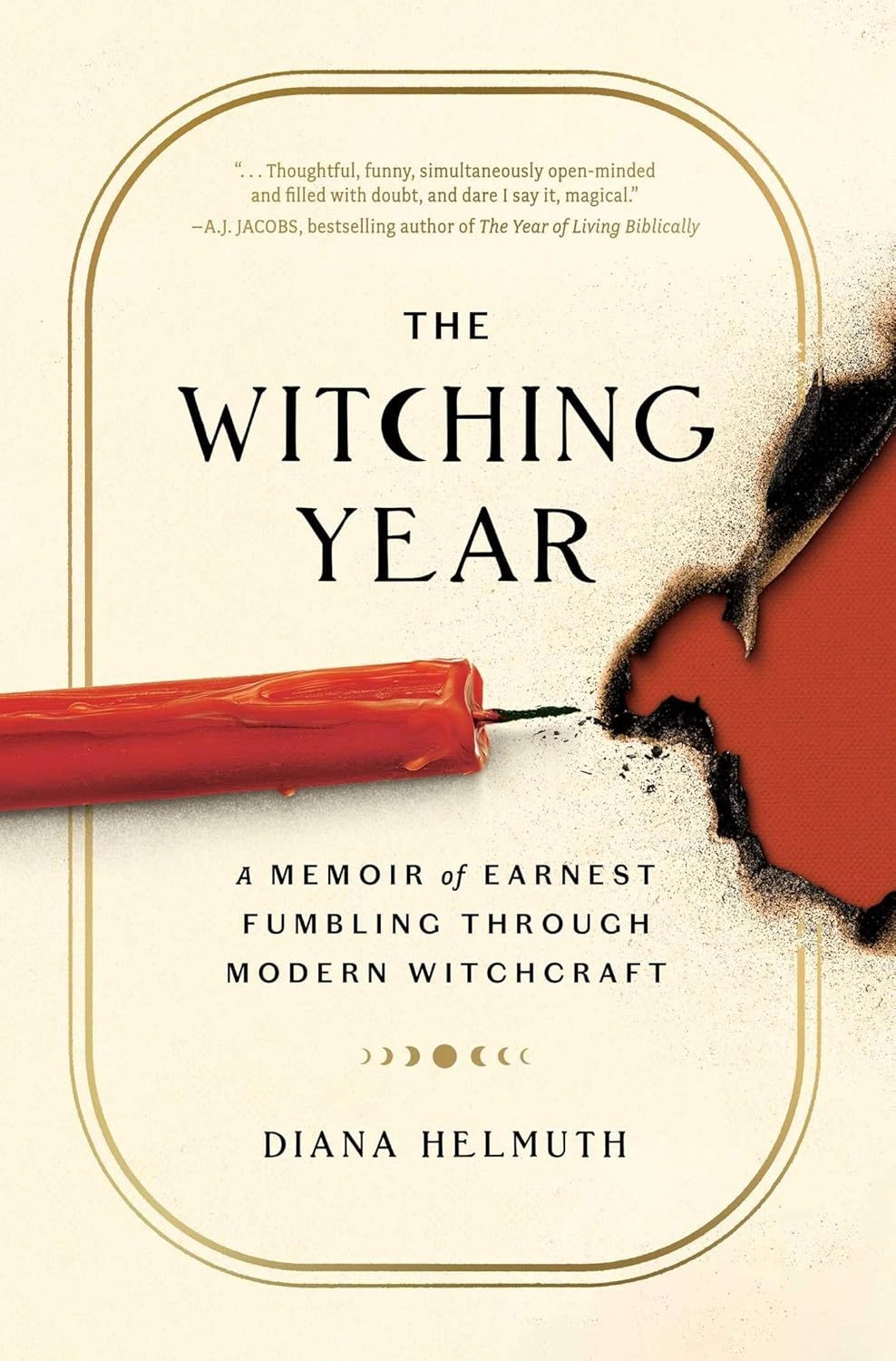
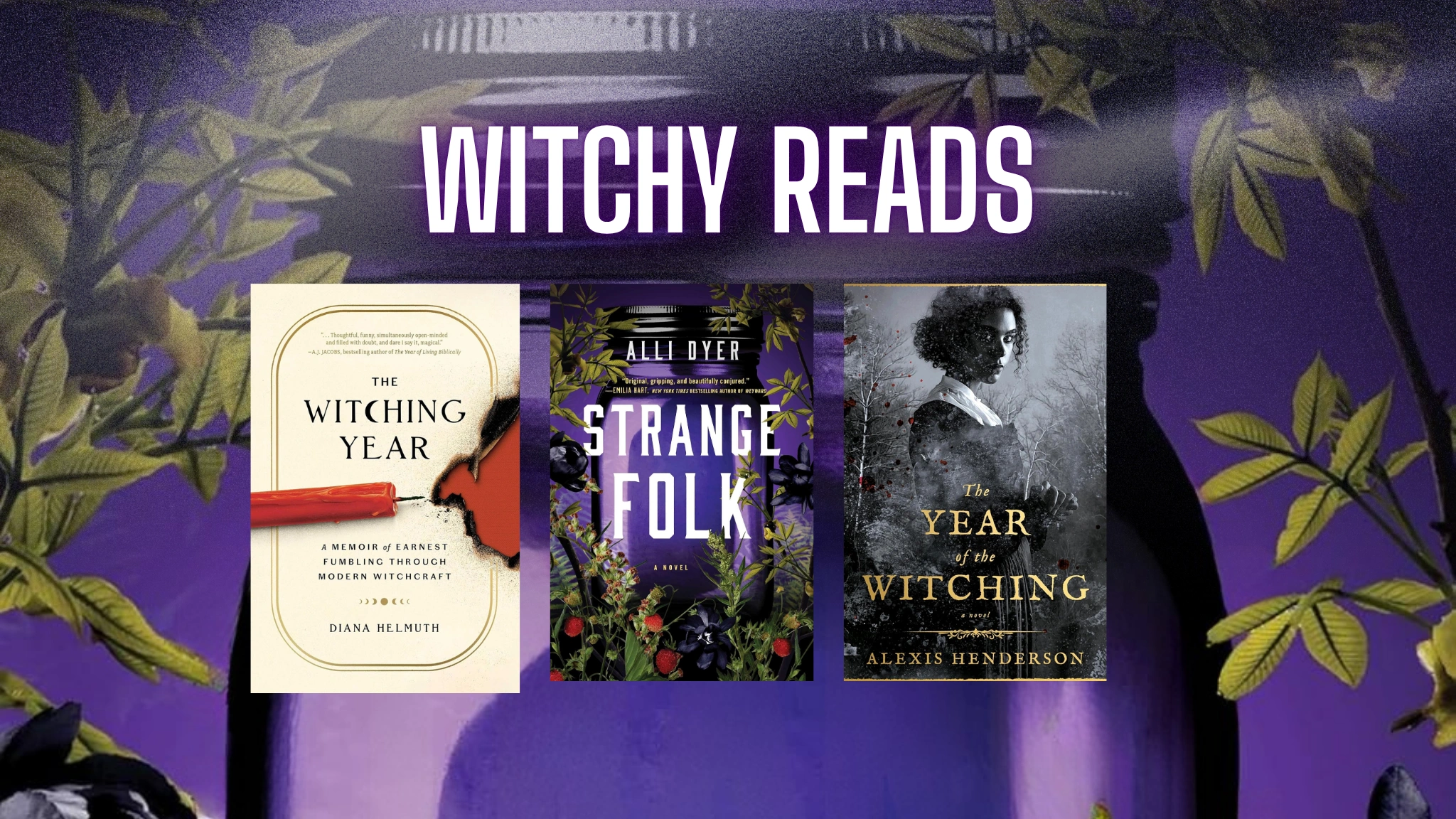
The Witching Year: A Memoir of Earnest Fumbling Through Modern Witchcraft by Diana Helmuth
When I decided I was going to write a book about a real psychic-witch, I knew I needed a bridge that would connect me to an authentic modern practice of witchcraft. I wanted to create a believable magic system for my main character Ingrid that would be evocative and draw the reader in, without being overly complicated. This book was my first stop, and it ended up being an invaluable resource, describing the year-long journey Helmuth went on, researching witchcraft and attempting to follow a personal practice. It was invaluable helping me understand and employ the nuts and bolts of a practice, giving me a great overview of spell work as well as an empathetic and heartfelt snapshot of what it is to start and maintain a practice of your own.
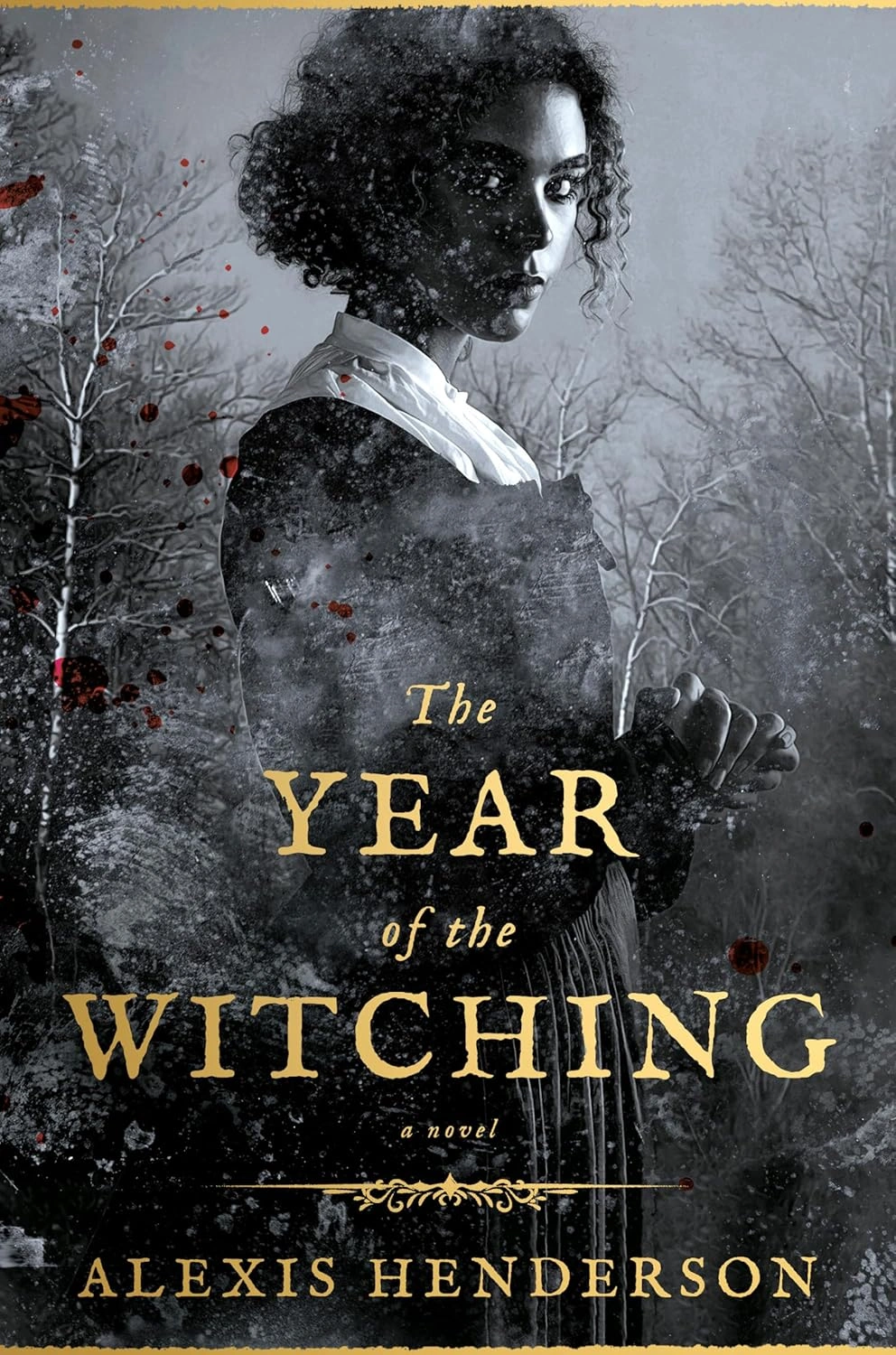
The Year of the Witching by Alexis Henderson
This gem of a novel absolutely knocked my socks off. The setting reminded me a bit of the setting of The Handmaid’s Tale or The Hunger Games — an impossible to place time and location, both of which are familiar enough to trigger that feeling of recognition and dread I got when I first read those other books. Is this the future or the past? Is Bethel, the cult-like community, tucked away in some hidden corner while our real, current world chugs away or does it exist in a post-apocalyptic era? This novel really speaks to the danger of fighting the patriarchy, the precariousness in flouting power and how religion feed into cycles of violence. I was so inspired by the juxtaposition of Father of Light and Mother of Darkness and how they need each other to be balanced. And how upsetting that balance throws everything into chaos.
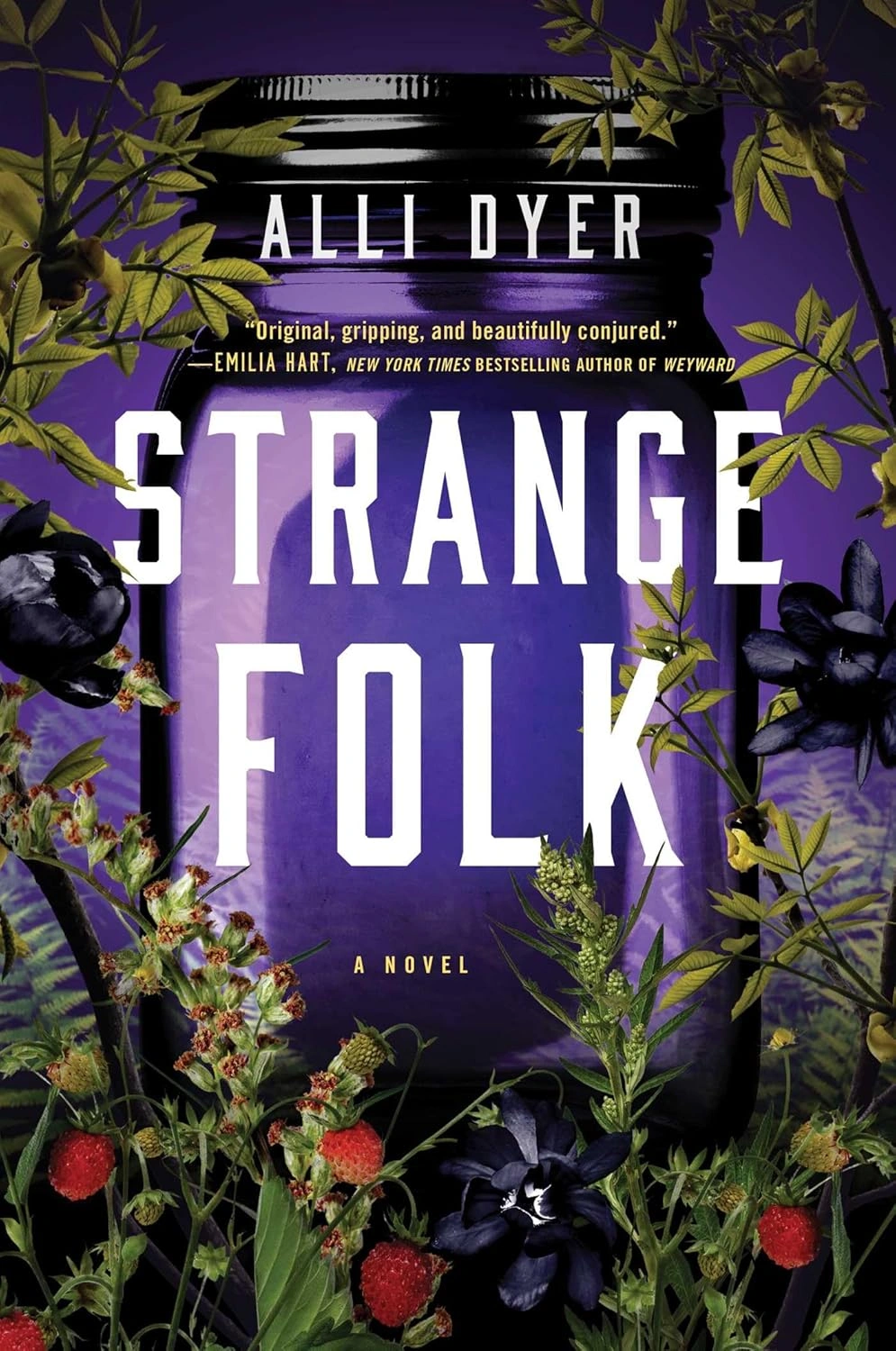
Strange Folk by Alli Dyer
This rugged beauty of a novel — think Demon Copperhead with spells — uses magic as a metaphor for generational trauma. The issues in this completely grounded and yet fantastical story have blood and gore and grit, but it presents the question for anyone who has a gift, will we be healers or harmers? Magic doesn’t fix the very real problems of parents who hurt children or solve cycles of addiction, but even in the midst of the hurt, it provides a light at the end of the tunnel. A way out and a hope of binding our brokenness.