What inspired you to write When Waiting Becomes Life and share the stories of your patients dealing with infertility?
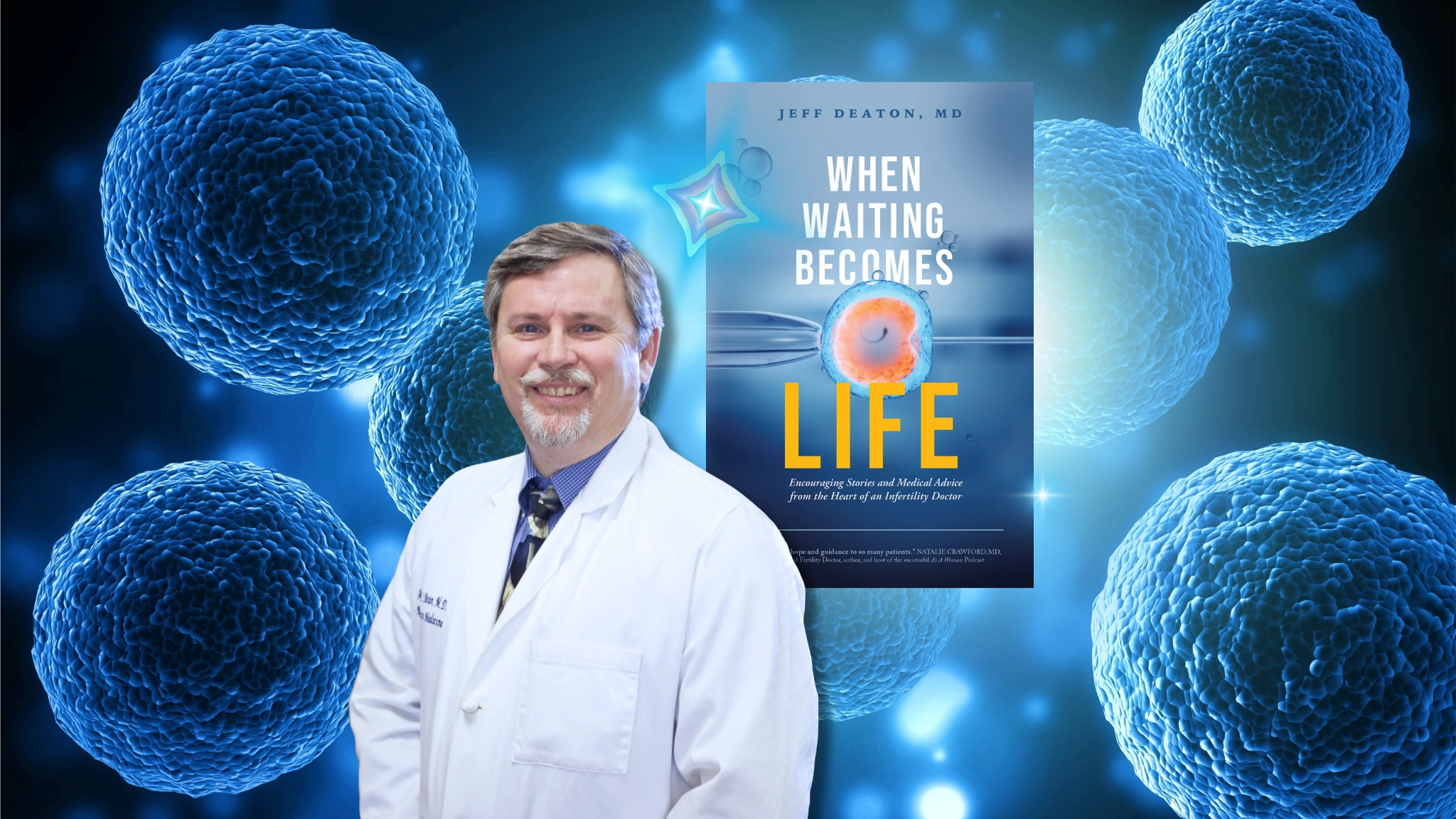
I enjoy telling stories, and writing has often been my way of reflecting on the emotional side of medicine. In my practice, I’ve seen it all, but what stayed with me wasn’t just the charts — it was the people. The inspiration for When Waiting Becomes Life came from a simple realization: when we acknowledge the heartbreak of the journey, the medical outcome becomes part of a much deeper healing process. I wanted to take these stories out of the exam room and share them with the world to show that no one has to wait alone.
In your experience, what are some common emotional challenges that individuals and couples face during their infertility journey, and how can they effectively cope with these challenges?
While every journey is deeply personal, I’ve observed several common threads over the years. Infertility is often the greatest stressor a couple will ever face because it strikes at the very heart of both their individual identities and their shared future. It brings an agonizing loss of control over what feels like life’s most fundamental purpose, often leaving both partners feeling profoundly inadequate — as if their bodies are failing a ‘natural’ task.
To navigate this, I always advise three things: first, radical communication. You must be honest with each other and your medical team. Second, define your boundaries and keep living your life. Determine your emotional and financial finish lines early, whether that means a successful pregnancy or finding peace through other paths to parenthood. And third, do not walk this path in isolation. Finding the right fertility expert and supportive community can turn a lonely struggle into a shared journey.
You discuss the concept of shame in connection with infertility; can you elaborate on how this feeling impacts individuals and what strategies you recommend for overcoming it?
Shame is truly diabolical because it convinces you that you are fundamentally ‘less than.’ It manifests as a deep-seated sense of inadequacy that leads to isolation; many feel so ‘defective’ that they withdraw from partners and friends to hide their perceived flaws. But the antidote to shame is an understanding of your worth, even if you choose not to pursue parenthood.
First, you must internalize that your inherent worth is independent of your reproductive status. You are whole, and you ‘measure up’ exactly as you are. Second, break the silence — not with the whole world, but with a few ‘safe’ people who can hold your story with care. Third, refuse to let infertility put your life on hold. Buy the house, take the trip and pursue the career move. By continuing to live fully, you reclaim your identity from the grip of shame. And finally, if the weight feels too heavy, a skilled counselor can be an essential partner in your healing.
Your book integrates personal stories as well as medical insights. How do you balance the emotional aspects with the medical advice provided?
We often talk about ‘balance’ in medicine, but that implies the emotional and the clinical are on opposite sides of a scale. I believe they are a single thread. Dealing with the ‘wounding of the soul’ isn’t a secondary task; it’s the most important task. When a patient is emotionally compromised, their ability to receive and act on medical advice is diminished. Integration means recognizing that a healthy emotional state is the foundation upon which sound medical decisions are built.
Could you share examples of how open discussions about infertility can help reduce the stigma associated with it and create a supportive community?
Stigma dies when it meets the light of a shared story. With one in six women facing infertility, this isn’t an uncommon condition — it’s a common human experience. By speaking openly in trusted circles, you don’t just find a community; you build one. This transparency allows those who have already walked the path to reach back and guide others, replacing a culture of silence with a culture of support. The key is finding that safe harbor where your story can be heard without judgment.
Throughout your three decades of experience, how have you seen the landscape of infertility treatment change, and what does the future hold in this field?
In my thirty years in this field, I’ve witnessed a total metamorphosis of the landscape. We’ve moved from invasive hospital-based surgeries to streamlined, office-based procedures that are significantly safer and more comfortable. The clinical shift has been matched by a cultural one: insurance coverage is expanding, and I often urge patients to advocate for these benefits with their HR departments.
But most exciting, the ‘ceiling’ for success has been shattered. Innovations like ICSI and egg freezing have increased access, while genetic testing has pushed success rates from 25% to nearly 70% per embryo transfer. Currently, 3% of all children born in the US are from IVF.
Looking ahead, the future is incredibly bright. We are moving toward proactive fertility care, as evidenced by egg freezing for cancer patients and those women not ready to have children. And the frontier of genetic medicine offers the hope of not just identifying but eventually correcting genetic defects in embryos. We aren’t just treating infertility anymore; we are mastering reproductive health!
What message do you hope readers take away from your book as they navigate their own paths to parenthood or consider the possibility of a child-free life?
I want patients to take back their power. So often, infertility makes people feel ‘defective’ or out of control, but that is a lie. This is a medical hurdle that requires the right team — so find a reproductive endocrinologist you trust and build a plan that fits your goals. More importantly, don’t stop living while you wait. Communicate openly, protect your worth and remember that this season will eventually yield to the next. You will get through this, and you will find your way to the family — and the life — you desire.