
Some novels hinge on a single protagonist’s rise or fall. Others are built on something far more volatile: characters shaped by different codes, different wounds or different beliefs — moving through the same world toward radically different ends.
In these stories, morality isn’t abstract. It’s forged in childhood kitchens, locker rooms, orphanages, prep schools and prison cells. One character clings to rules. Another rejects them. One believes in honor. The other survives by instinct. Their lives may run parallel, collide or intertwine — but the tension between them becomes the engine of the story.
From literary classics to psychological thrillers and crime epics, the following novels explore what happens when two paths begin near each other and then sharply diverge — revealing just how fragile, and how powerful, a moral foundation can be.
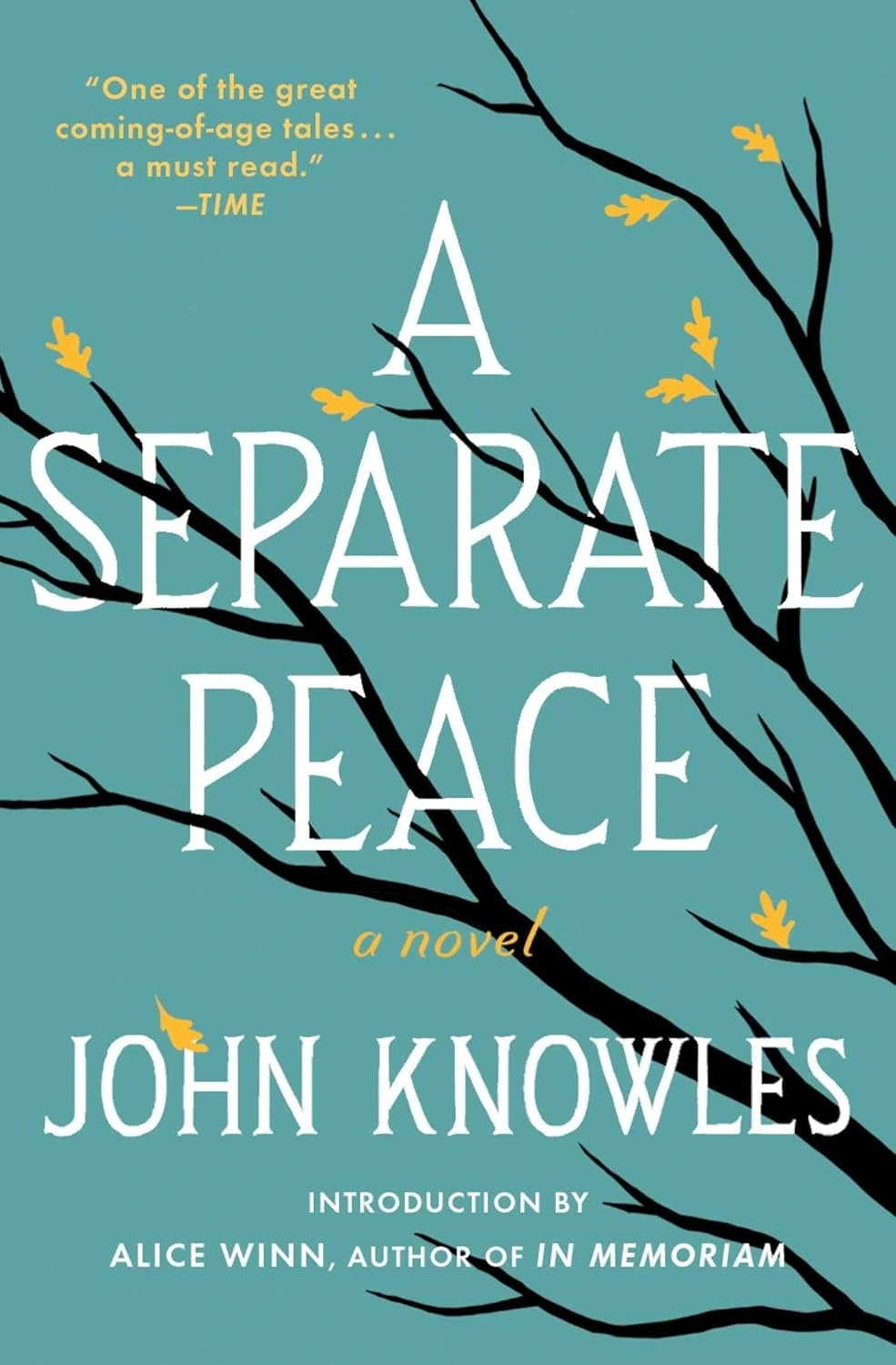
A Separate Peace by John Knowles
Set at the Devon School during the summer session of 1942, against the looming backdrop of World War II, A Separate Peace follows Gene Forrester and his roommate Phineas (Finny). Gene is intellectual and quietly insecure; Finny is athletic, charismatic and seemingly rule-defying. A single impulsive act alters both of their futures and forces Gene to confront guilt, envy and moral responsibility.
Unlike the crime-driven contrasts elsewhere on this list, Knowles’ novel explores moral divergence through psychological tension. The fracture between Gene and Finny emerges not from ideology, but from jealousy and internal conflict — proving that moral collapse can begin in the most privileged and orderly environments.

Mystic River by Dennis Lehane
As boys in a Boston neighborhood, Jimmy, Sean and Dave share a tight friendship — until Dave is abducted and abused by two men posing as police officers. The trauma reshapes their lives in different ways. Decades later, when Jimmy’s teenage daughter is murdered, suspicion and buried history resurface, pulling the three men back into one another’s orbit.
Lehane’s novel powerfully illustrates how a single childhood rupture can produce radically different adult identities — avenger, investigator, damaged survivor. Among the titles here, Mystic River most starkly shows how shared origins do not ensure shared morality, and how unresolved trauma can distort justice into something tragically personal.

Hell’s Sweet Nectar by Edward Neely
Spanning decades of American upheaval from the Great War through the Korean era, Hell’s Sweet Nectar traces the sharply divided paths of Kenneth “Kenny” Colvin and Ed — two men shaped by radically different childhoods. Kenny grows up steeped in church teachings, sportsmanship and his father’s uncompromising code: no foul language, no stealing, no dishonor. Ed, by contrast, survives domestic violence, orphanage brutality and humiliation that hardens into resentment.
When crime, scandal and courtroom drama engulf their lives, the contrast between structured morality and trauma-forged survival becomes devastatingly clear. Unlike the other titles here, this novel layers personal downfall against sweeping American political and cultural change, making its moral duality not just intimate, but generational and national in scope.

The Goldfinch by Donna Tartt
After surviving a terrorist bombing at the Metropolitan Museum of Art that kills his mother, young Theo Decker impulsively takes a small Dutch painting — The Goldfinch — that becomes both burden and talisman. Drifting between Las Vegas and New York, he forms a powerful bond with Boris, a reckless, self-reliant survivor shaped by instability.
Theo is haunted and guilt-ridden; Boris is pragmatic, opportunistic and oddly loyal. Their divergent responses to loss drive the novel’s moral tension. Unlike the community-centered contrasts of other books on this list, Tartt’s Pulitzer Prize–winning epic explores ethical divergence through art, grief and temptation, asking whether conscience is a liability — or salvation.

These Violent Delights by Micah Nemerever
Set in 1970s Pittsburgh, this dark psychological novel follows Paul, a lonely and uncertain college freshman, and Julian, a charismatic, intellectually domineering classmate who believes morality is an illusion. Their obsessive bond intensifies as Julian persuades Paul to embrace increasingly transgressive ideas, culminating in violence.
The novel examines how ideology, insecurity and devotion intertwine. Unlike the generational and community-spanning contrasts in other entries, These Violent Delights narrows its focus to two young men locked in philosophical and emotional entanglement. Its moral divide is not born of childhood trauma or social scandal, but of influence — showing how one worldview can slowly reshape another’s ethical boundaries.

The Paperboy by Pete Dexter
Set in 1960s Florida, The Paperboy centers on brothers Ward and Jack Jansen. Ward, a determined investigative reporter, returns home to cover the case of Hillary Van Wetter, a man on death row for murdering a local sheriff. Jack, younger and adrift, becomes entangled in the investigation alongside Ward and a woman who believes in Van Wetter’s innocence.
As corruption, obsession and violence escalate, the brothers’ differences sharpen: Ward is driven and idealistic; Jack is susceptible and morally unmoored. Unlike novels rooted in childhood divergence, Dexter’s story examines how temperament — not upbringing — can split siblings onto radically different ethical paths under pressure.
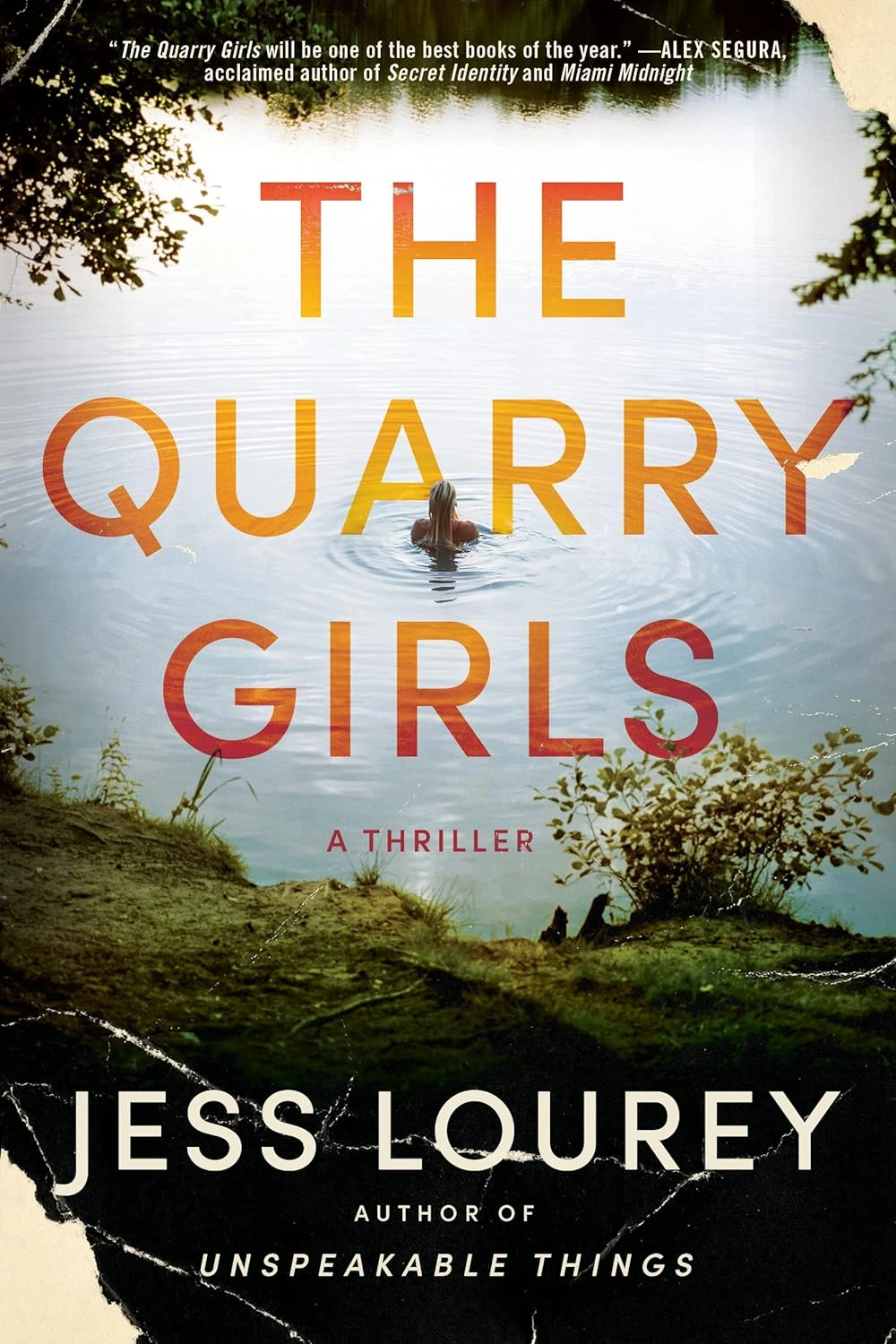
The Quarry Girls by Jess Lourey
Set in 1977, St. Cloud, Minnesota, The Quarry Girls follows best friends Heather and Brenda as their town is shaken by the disappearance and murder of local girls — inspired by real events. Heather becomes increasingly wary and observant as secrets surface; Brenda pushes against the town’s suffocating expectations in riskier ways.
Lourey explores how repression, fear and silence shape young women differently. Distinct from the male-centered moral fractures elsewhere on this list, this novel examines how community denial and social pressure can divide even the closest friends, proving that moral divergence flourishes in environments determined to preserve appearances.