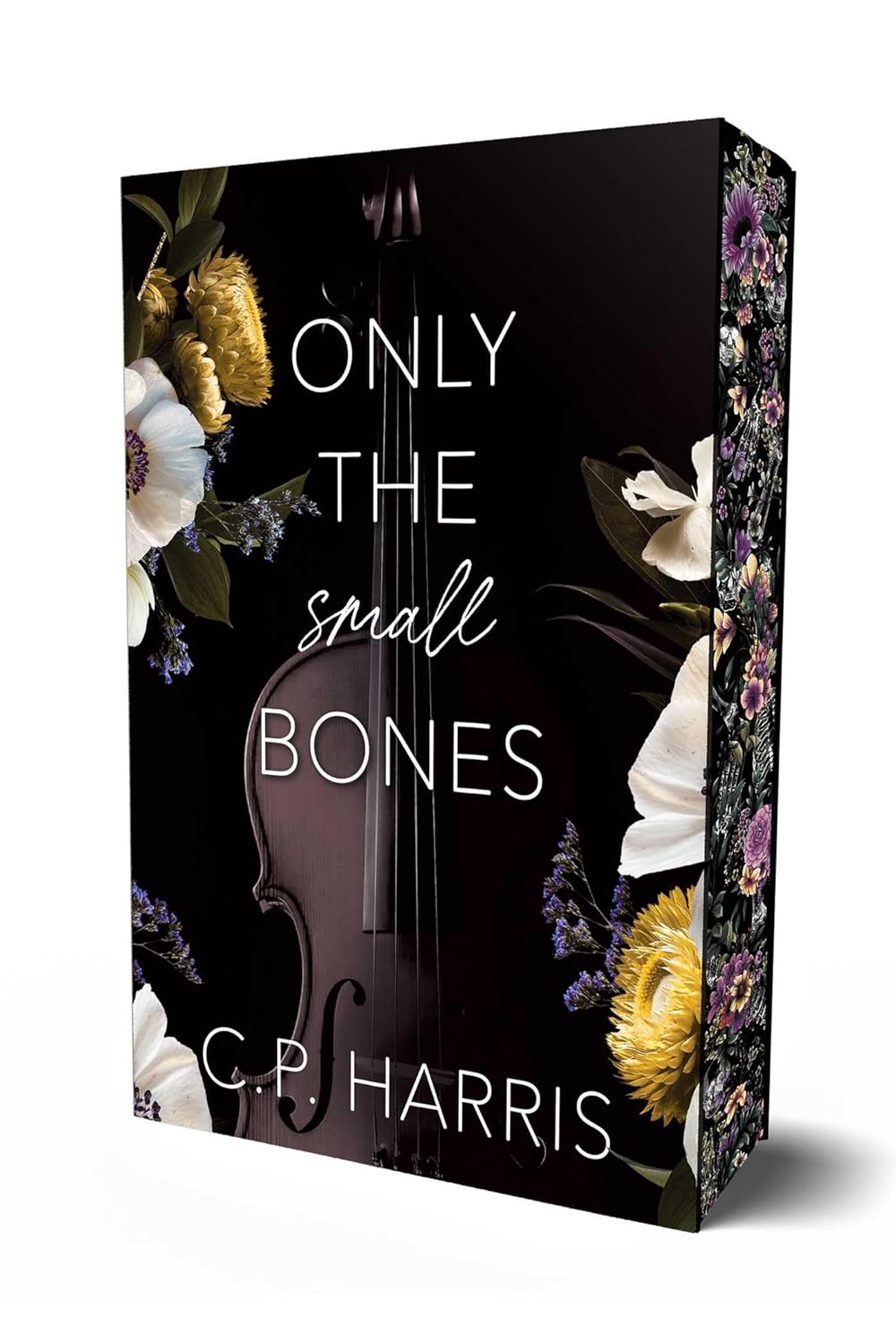
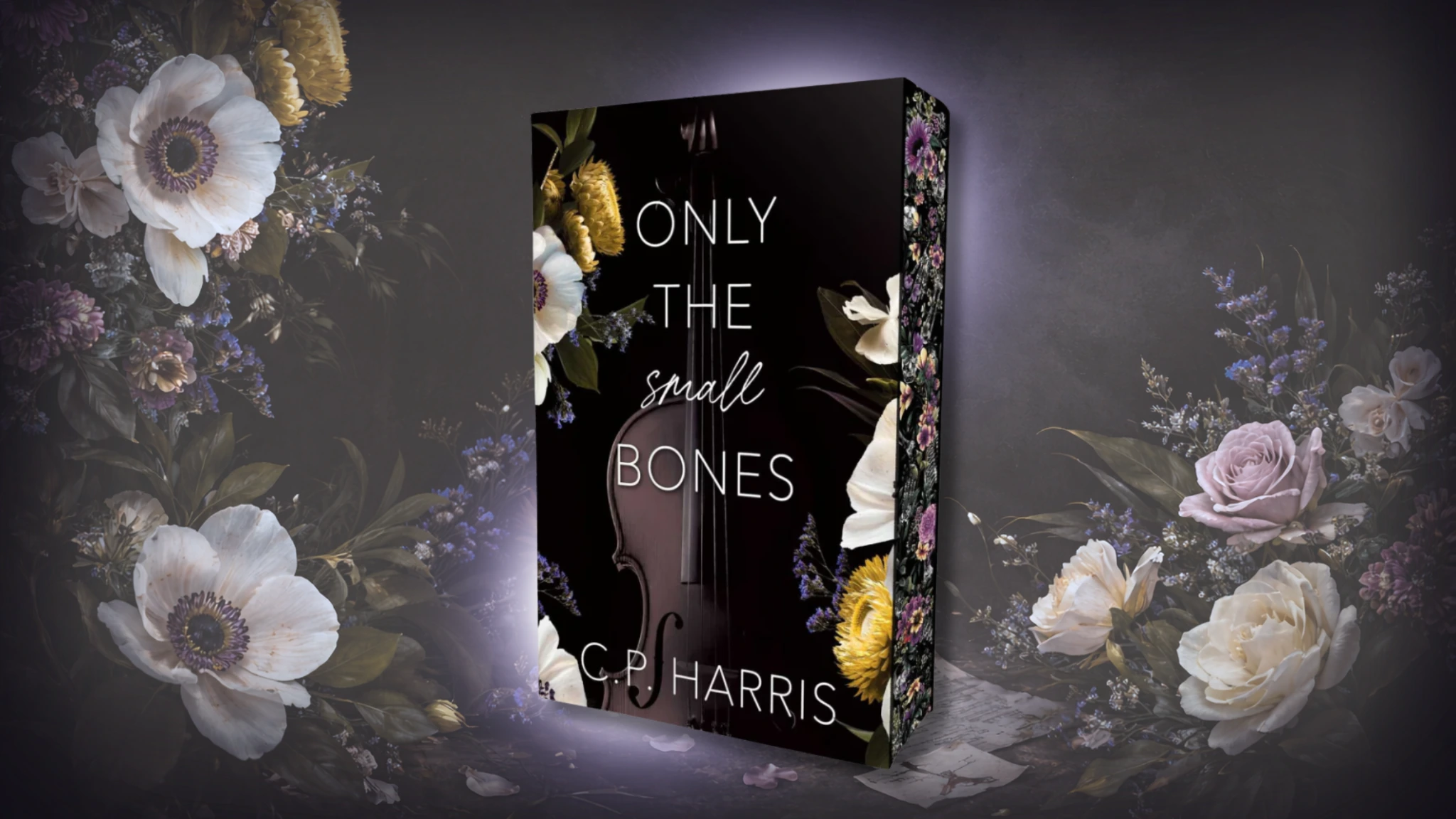
Only the Small Bones by C.P. Harris
Some romances race toward the first kiss. Only the Small Bones by C.P. Harris takes the longer road — the one lined with rules that exist for a reason. Do not touch. Do not push. Do not demand words that will not come. Harris opens her tale with urgency, then settles into something more intimate: the hours after crisis, the strange quiet after survival, and the painstaking work of redefining what “safe” means.
William Mayes is a celebrated composer who also founded Safe Haven, a refuge for trafficking survivors. He works alongside law enforcement, advocates for legislation and funds recovery efforts. He is controlled, capable and accustomed to walking into rooms where pain has already happened. Then he arrives at the hospital and meets a young man strapped to a gurney, blood on his skin, terror in his eyes, unable — or unwilling — to be touched. The staff has a name that gets a response. Ryan.
William has witnessed trauma before, but something about Ryan unsettles him. Harris wisely refuses to paint that pull as saintly. William wants to help. He also wants control. He wants Ryan safe. He also wants Ryan close. The tension between those impulses drives the novel, and it never feels manufactured.
Control, Consent and Complicated Desire
When Ryan cannot tolerate institutional care, William makes a decision that shifts everything: he brings him home.
That premise could have veered into savior fantasy. Instead, Harris builds the relationship through structure. Routines matter. Boundaries matter. Consent matters. The story becomes an intense study of shared space — two men negotiating distance, silence and trust. Ryan communicates in glances, flinches, written notes and incremental gestures. A small yes costs him something. The intimacy grows in inches, not miles, and that deliberate pace makes every step forward feel earned.
The isolation isn’t romanticized. It’s tense. William is not a neutral caretaker; he is a man with his own fractures. His sleep deteriorates. His past resurfaces. His protectiveness sometimes edges toward possession. Harris captures how easily “I want to protect you” can slide into “I need you to behave.” William recognizes that slide — and must learn to correct it.
Ryan, meanwhile, is never reduced to a mystery box. The novel plants questions about his identity and history, but when answers arrive, they feel emotionally grounded rather than sensational. His silence is not a quirk to be solved. It is armor. The book respects the cost of building it.
Harris also resists turning Ryan into a symbol of victimhood. He is angry. He can be sharp. He withholds. He also has humor, preferences and flashes of warmth that emerge on his terms. Recovery appears in fragments: a favorite meal scribbled on paper, improved spelling, a tolerated touch, a chosen routine. These details give the healing arc credibility.
Love as a Daily Decision
Music threads organically through William’s interior life. As a composer, he listens for rhythm and harmony; he fears emotional dissonance. In a story preoccupied with the limits of language, music becomes another form of expression — and another lens through which William processes love.
The external world never disappears. Safe Haven, political advocacy, trafficking investigations — these elements keep pressure on the narrative and prevent the story from collapsing into domestic isolation. The danger that shaped Ryan’s trauma remains real. That tension raises the stakes.
The story does not shy away from pain — but it does not wallow in it either. Nor does the romance feel like an escape from all that has happened. It feels like a decision — imperfect, deliberate and shared. Secrets surface not for shock value but because intimacy demands honesty.
Only the Small Bones will resonate with readers who appreciate M/M romance with a dark edge, a slow-burn structure, and a relationship built through negotiated trust. The complexity of Harris’ characters and themes elevates Only the Small Bones from genre fiction to something more profound — a story about boundaries, relapse, growth and love that learns to wait.
About C.P. Harris