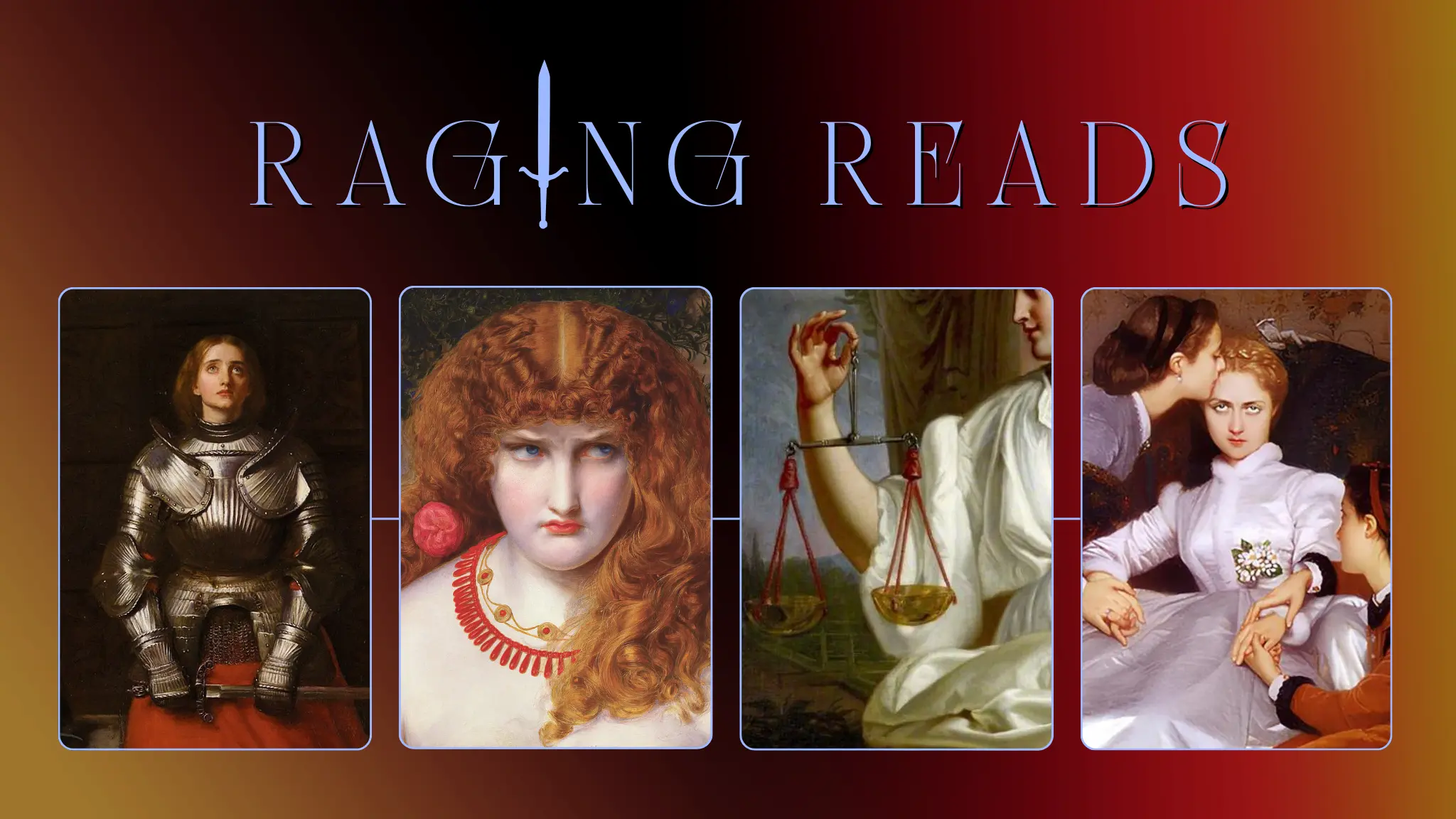
Angry about the state of the world? That might just be main-character energy.
From political spectacle to academic precarity, from Tudor courts to domestic betrayal, fictional women are no longer swallowing their fury — they’re reshaping it. The rage of women has moved from subtext to spotlight, and our TBR stacks are brimming with revenge plots, institutional reckonings, dark satire, and long-simmering resentment finally breaking through. So much so that it was hard to narrow our list to just a few books!
These aren’t cautionary tales about hysteria. They’re stories of provocation and power — of women underestimated, erased or cornered too long. Some strike back. Others strategize. All refuse to stay silent.
If you’re looking to explore your own outrage without torching your real life, consider this your safe outlet. Live vicariously through these Machiavellian main characters and quietly combustible protagonists instead.
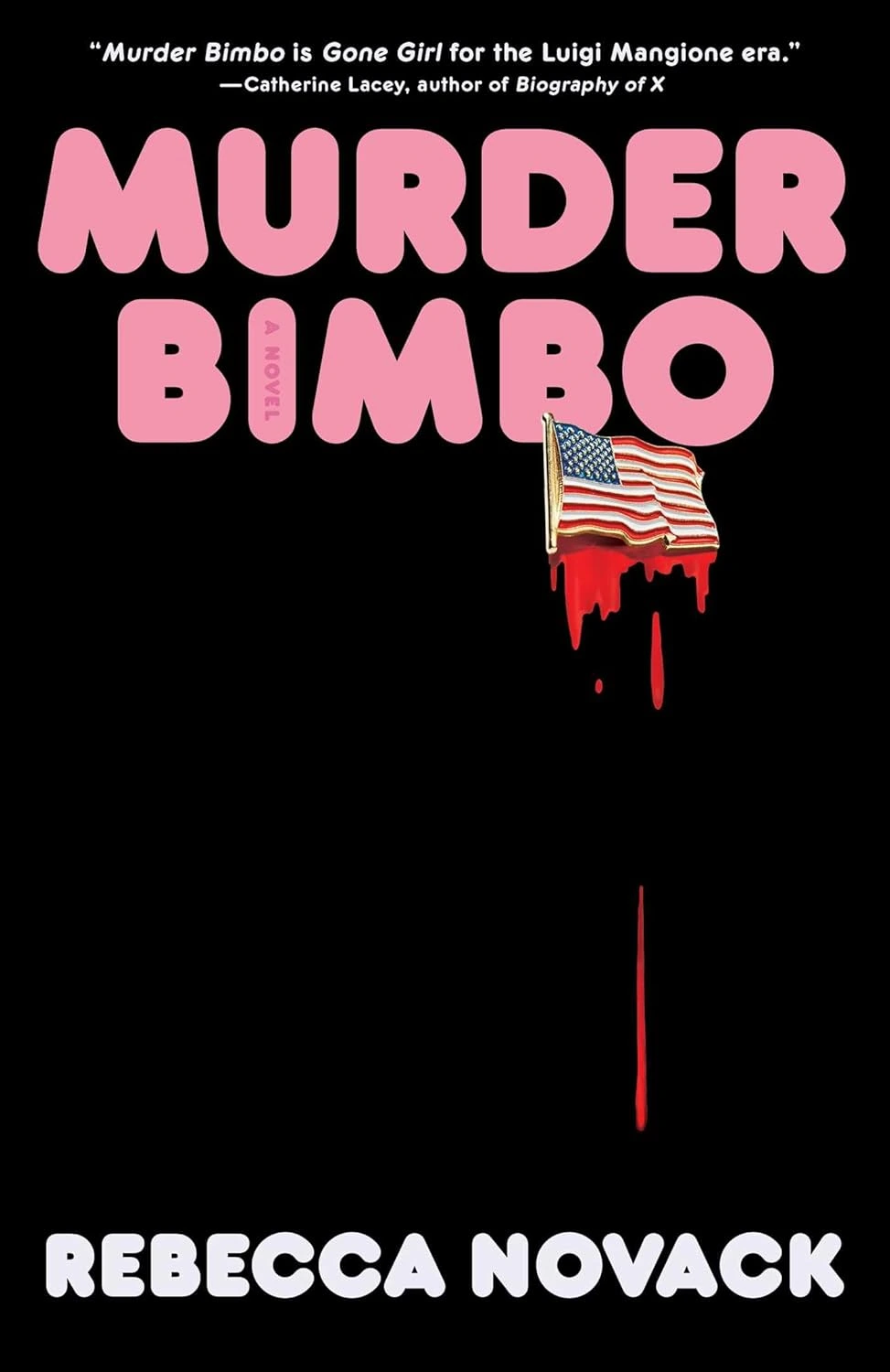
Murder Bimbo by Rebecca Novack
Rebecca Novack’s Murder Bimbo launches with a shocking act — a sex worker kills a notorious right-wing figure and must navigate the fallout. Told through shifting perspectives and metafictional twists, this satirical thriller interrogates how society perceives women who reject victimhood and embrace agency, however chaotic. The protagonist’s voice is sharp, subversive and unrepentant, holding a mirror to misogyny, media spectacle and political hypocrisy.
This book earns its place on a list about female fury because its narrator literally detonates the expectations placed on women, weaponizing stereotypes to survive and control her own story. It’s fierce, funny and incredibly original — a modern riff on crime fiction with feminist bite.
Read Also
If you’re drawn to satire that slices as sharply as it entertains, Maneater by Ellie Graves similarly leans into predatory metaphor and gender politics, while Femme Feral by Sam Beckbessinger channels performative femininity into anarchic, irreverent rebellion. Where Murder Bimbo plays with narrative structure and media spectacle, these titles double down on visceral metaphor and unapologetic excess.
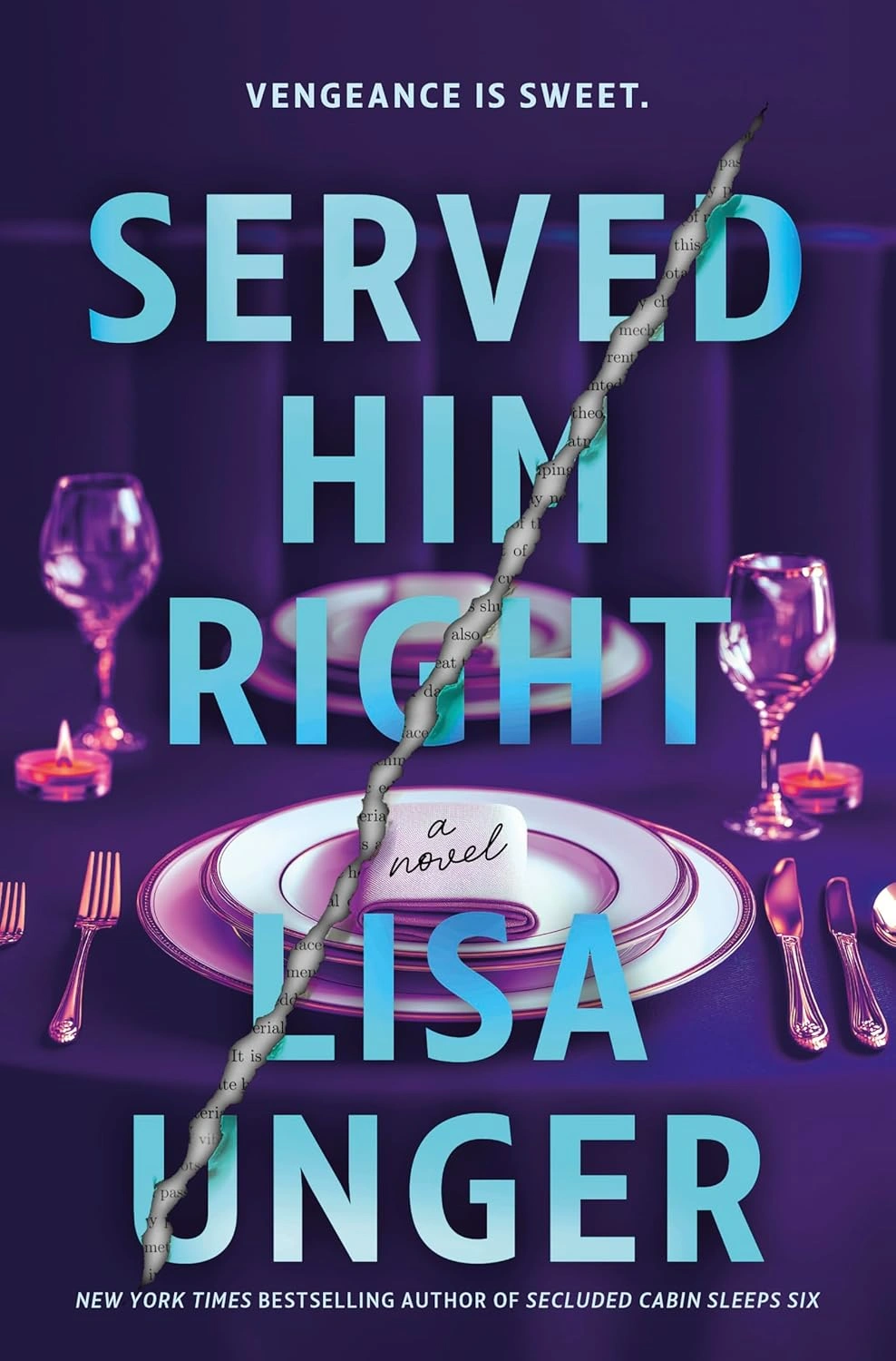
Served Him Right by Lisa Unger
In Served Him Right, Lisa Unger weaves a domestic thriller that begins innocuously — a celebratory brunch after a breakup — but swiftly spirals into suspicion, betrayal and hidden motives. When shocking developments upend the protagonist’s carefully curated life, secrets leak and tensions escalate, blurring lines between perception and reality.
It’s exactly the kind of story where simmering resentment and buried anger become the fuel for psychological suspense. Unger peels back the polished surface of relationships to reveal how betrayal can fester into something dangerous, making this a compelling pick for a list about women pushed to their limits and forced to fight back.
Read Also
For more domestic unraveling, Lady X by Molly Fader explores identity and reinvention through the lens of secrets and female agency, while Cruelty Free by Caroline Glenn takes betrayal into darker, bloodier terrain — skewering celebrity culture and beauty politics along the way. If Unger’s novel is a slow, strategic simmer, these companions either sharpen the psychological edge or amplify the satirical bite.

Henry Tudor Must Die by Jillian Laine
Henry Tudor Must Die reimagines Tudor history from a fiercely revisionist angle, centering a protagonist who refuses to be sidelined by patriarchal narratives. In an era defined by political machinations, alliances and betrayals, this novel embraces a woman’s strategic fury as she navigates courtly power structures.
If traditional historical fiction privileges kings and male heirs, Laine’s book turns that on its head — positioning feminine ambition and retribution at the core of its drama. Its inclusion here speaks to an enduring truth: even across centuries, women’s anger and drive have been forces of change, often hidden in plain sight.
Read Also
If you crave women rewriting the rules of history, The Star Society by Gabriella Saab offers female ambition set against the paranoia of postwar Hollywood and the Red Scare, while Yesteryear by Caro Claire Burke layers historical reflection with personal reckoning. Where Laine foregrounds strategic defiance in a royal court, these novels explore how women navigate power in eras equally hostile — but differently constructed.
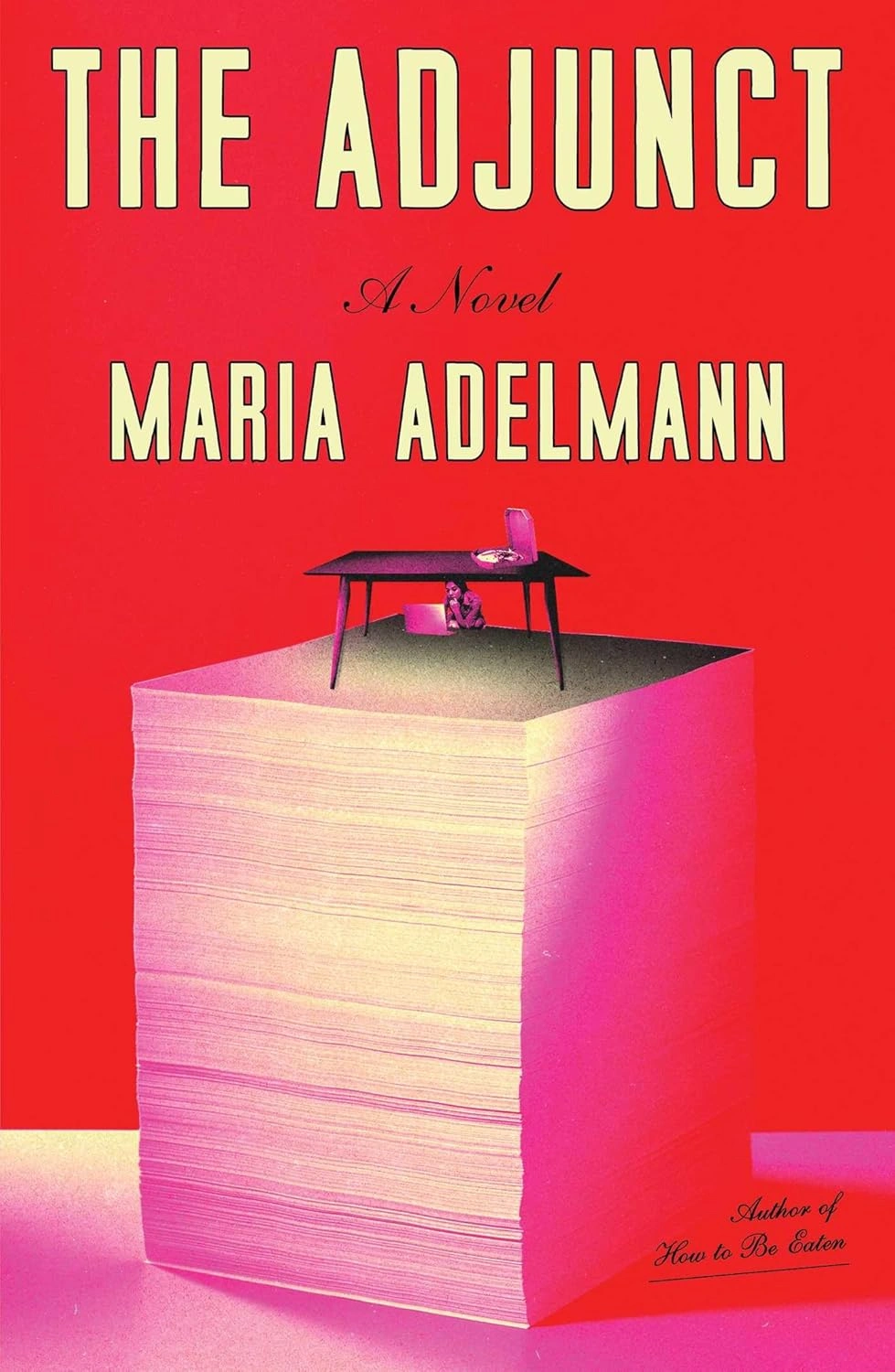
The Adjunct by Maria Adelman
Maria Adelman’s The Adjunct turns an unflinching eye on academic precarity and the structural forces that grind away at a woman’s ambitions. In this novel, the protagonist’s frustration with institutional disregard, economic insecurity and perpetual marginalization becomes more than simmering discontent — it’s an indictment of systems that profit from her labor while denying her stability.
While its setting may be staid rather than violent, the emotional stakes are high: rage here is born from erasure, exhaustion and the quiet fury of perpetually being undervalued. Adelman’s sharply observed prose captures the claustrophobia of intellectual labor and the subtle violence of being underestimated.
Read Also
Readers who connect with institutional frustration may find resonance in Whidbey by T Kira Madden, which blends memoir and introspection to interrogate identity and belonging, and On Sundays She Picked Flowers by Yah Yah Scolfield, which explores emotional repression and generational tension. Where The Adjunct indicts systemic professional marginalization, these works widen the lens to examine personal and cultural displacement.
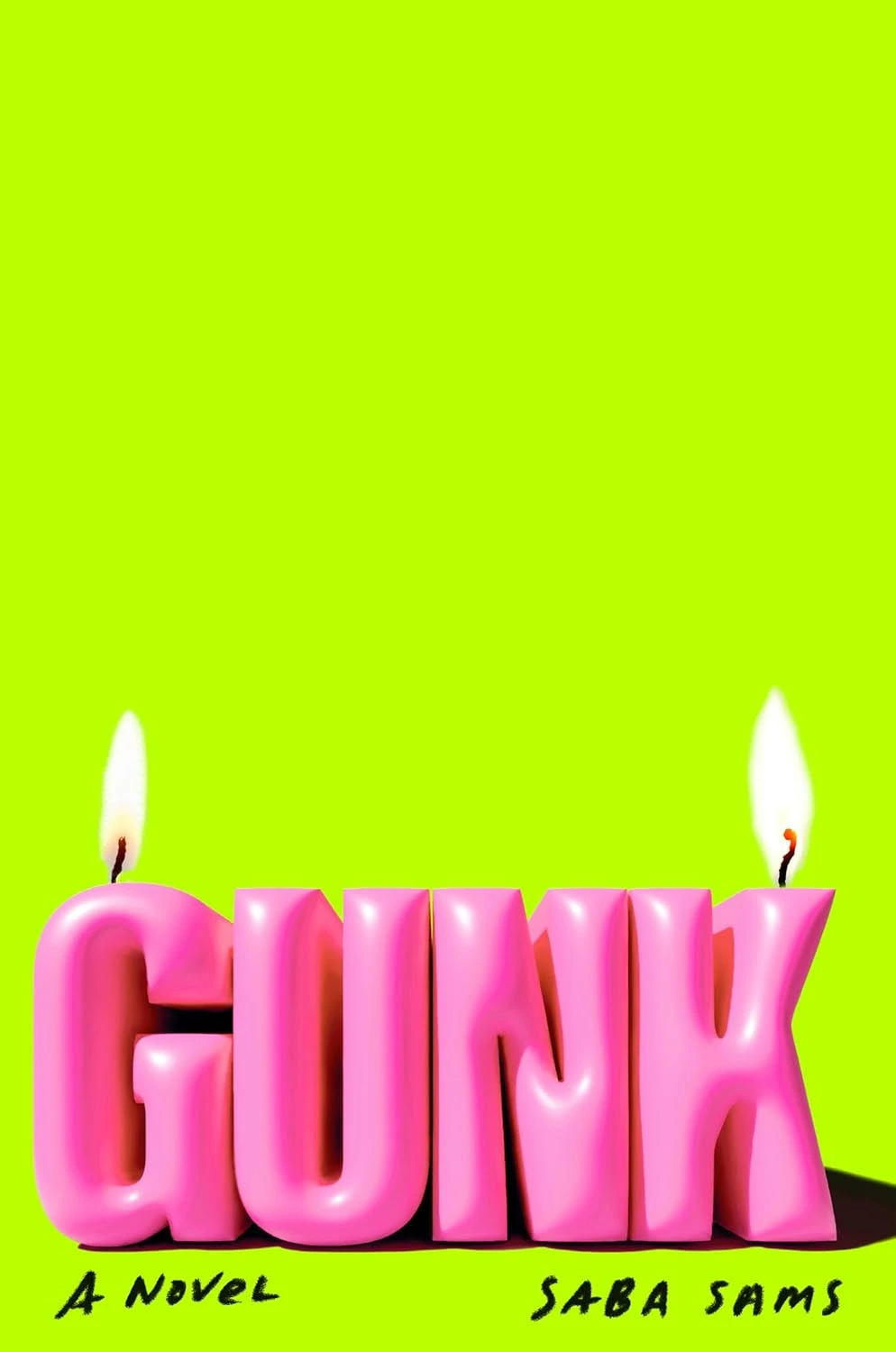
Gunk by Saba Sams
Saba Sams’s Gunk is less a thriller and more an intimate, emotionally charged exploration of unconventional family and feminine identity. Opening with Jules — a divorced nightclub manager unexpectedly caring for a newborn abandoned by its mother, a young woman tied to Jules’s ex — the novel unpacks longing, betrayal, desire and the messy realities of motherhood.
Though not revenge-driven in the traditional sense, Gunk channels furious energy through its protagonist’s internal tensions: disillusionment with failed relationships, societal expectations of women and the raw ache of unmet dreams. The fury here is quieter but no less potent — born of yearning, defiance and the refusal to conform to tidy roles.
Read Also
For more emotionally raw explorations of feminine interiority, Honeysuckle by Bar Fridman-Tell examines desire, control and psychological unraveling, while Whidbey by T Kira Madden channels lived experience into lyrical confrontation with memory and selfhood. If Gunk pulses with messy maternal and relational tension, these titles deepen the inquiry into identity under pressure.