

Every February 17, Random Acts of Kindness Day invites us to believe something deceptively simple: small gestures matter. A compliment. A helping hand. An unexpected second chance.
In life, those moments can feel fleeting. In fiction, they often become the hinge on which entire stories turn. A single act of compassion can redirect a lonely life, protect someone in danger, or quietly defy cruelty.
The eight novels below remind us that kindness is rarely grand or cinematic. It’s awkward. Risky. Sometimes inconvenient. But in each of these stories, one choice — to step forward instead of away — alters everything.
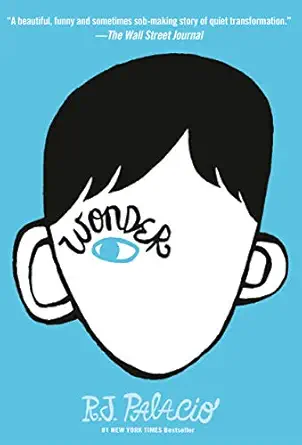
Wonder by R.J. Palacio
In Wonder, August “Auggie” Pullman, a boy born with severe facial differences, enters mainstream school for the first time in fifth grade. The novel’s emotional turning points don’t come from dramatic speeches, but from small, deliberate choices by his classmates.
Jack Will choosing to sit with Auggie when others won’t. Summer deciding to befriend him simply because she wants to. Even moments of public defense during a school trip shift the social dynamics in ways that reshape Auggie’s experience.
These gestures aren’t sweeping heroics — they’re social risks taken by kids navigating peer pressure. And that’s precisely the point. Palacio shows how everyday courage and kindness can create belonging where there was isolation.
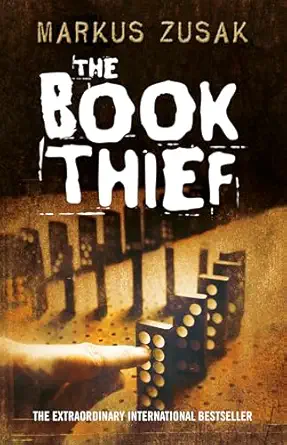
The Book Thief by Markus Zusak
Set in Nazi Germany and narrated by Death, The Book Thief centers on Liesel Meminger, a foster child living with Hans and Rosa Hubermann. One of the novel’s defining acts of kindness occurs when Hans comforts Liesel during her nightly nightmares — patiently sitting with her and teaching her to read.
An even greater risk comes when Hans and Rosa hide Max Vandenburg, a Jewish man, in their basement. This quiet decision to shelter him places the entire family in danger.
These acts do not change the course of history, but they change the course of individual lives. In a regime defined by cruelty, kindness becomes resistance — intimate, dangerous and deeply human.
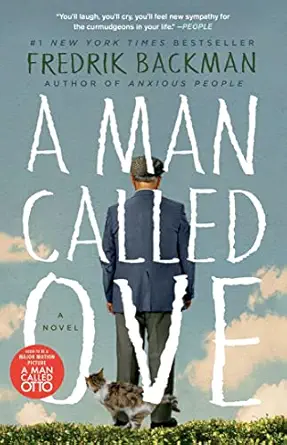
A Man Called Ove by Fredrik Backman
Ove is a widower determined to end his life after losing his beloved wife, Sonja. His plans are repeatedly interrupted by his new neighbors — especially the irrepressible Parvaneh, who asks for help with everything from backing up a trailer to fixing radiators.
What appears to be intrusion slowly reveals itself as stubborn compassion. The neighbors’ refusal to treat Ove as invisible — their insistence on including him — becomes the quiet force that draws him back into community.
Backman structures the novel around these interruptions: each small request for help becomes a lifeline. Kindness here is persistent, practical and transformative.
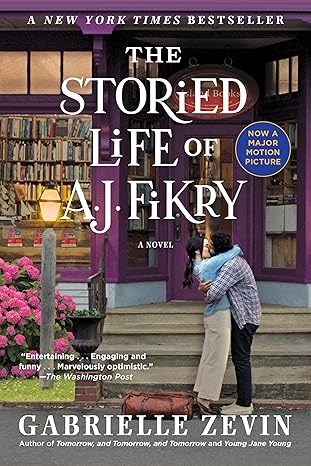
The Storied Life of A.J. Fikry by Gabrielle Zevin
A.J. Fikry is a widowed, prickly bookstore owner on Alice Island whose life seems to be narrowing into isolation. After his rare copy of Poe’s Tamerlane is stolen, things only worsen — until a toddler named Maya is left in his bookstore with a note asking that she be raised among books.
A.J.’s decision to keep Maya is neither easy nor sentimental. But that act of unexpected generosity reshapes not only his future, but the emotional landscape of the island community around him.
Zevin’s novel argues that kindness doesn’t always begin as selflessness — sometimes it begins as responsibility. And sometimes responsibility becomes love.
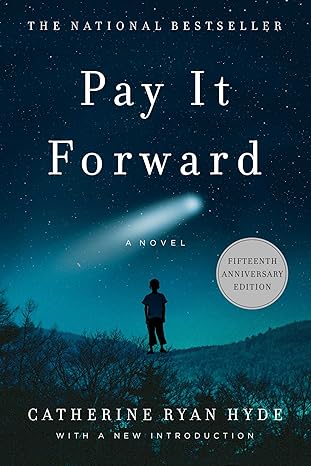
Pay It Forward by Catherine Ryan Hyde
In response to a social studies assignment, seventh-grader Trevor McKinney devises a simple plan: instead of repaying kindness, recipients must “pay it forward” to three new people.
Trevor’s own acts — helping a homeless man, encouraging his struggling mother, and intervening in situations where others might stay silent — spark a chain reaction beyond his control.
Hyde’s novel explores how an idea, carried out imperfectly by ordinary people, can ripple outward in ways no one anticipates. It’s perhaps the most direct literary embodiment of Random Acts of Kindness Day’s philosophy.
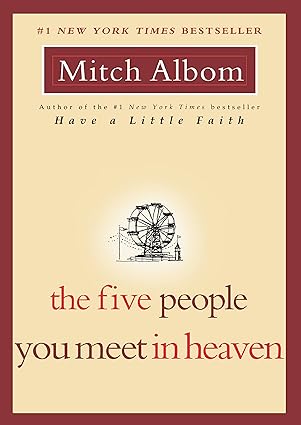
The Five People You Meet in Heaven by Mitch Albom
Eddie, a maintenance worker at a seaside amusement park, dies while attempting to save a young girl from a falling ride. In heaven, he meets five individuals whose lives intersected with his own — sometimes in ways he never understood.
Several revelations hinge on moments of unintended consequence or unseen kindness. Actions Eddie barely remembers — or never knew mattered — profoundly shaped others’ lives.
Albom reframes kindness as something whose significance may not be visible in the moment. The novel’s quiet thesis: no life, and no small act within it, is insignificant.
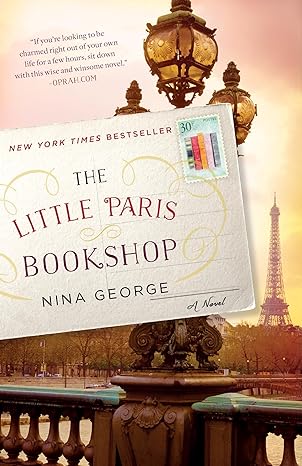
The Little Paris Bookshop by Nina George
Jean Perdu calls himself a “literary apothecary,” prescribing books to mend emotional wounds from his floating bookstore on the Seine. For years, however, he cannot heal his own heartbreak over a lost love.
When he finally reads the letter she left behind, Perdu embarks on a journey through France, offering books — and compassion — to strangers and fellow travelers along the way.
The kindness in this novel is intimate and intellectual: the right story placed into the right hands at the right moment. George suggests that listening and understanding can be radical acts in themselves.
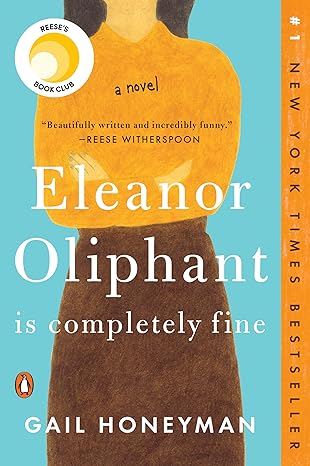
Eleanor Oliphant Is Completely Fine by Gail Honeyman
Eleanor Oliphant lives a rigid, isolated life structured by routine and vodka-fueled weekends. Everything begins to shift when a coworker, Raymond, befriends her with simple decency — inviting her to lunch, helping her after minor embarrassments, treating her without judgment.
Together, they assist an elderly man who collapses on the street — another small but pivotal moment that deepens connection.
As Eleanor confronts buried trauma, it’s not grand therapy breakthroughs that save her. It’s ordinary friendship. Honeyman powerfully illustrates how patient, consistent kindness can gently dismantle loneliness.