Family life is changing, and so are the ways we think about having and raising children. From declining birth rates and the pressures of modern parenting to the influence of technology and the importance of community, today’s families face challenges that previous generations could hardly have imagined. These five thought-provoking books explore the social, emotional and psychological factors shaping parenthood, offering fresh perspectives on what it means to raise children, build meaningful relationships and find fulfillment in an increasingly fast-paced world.
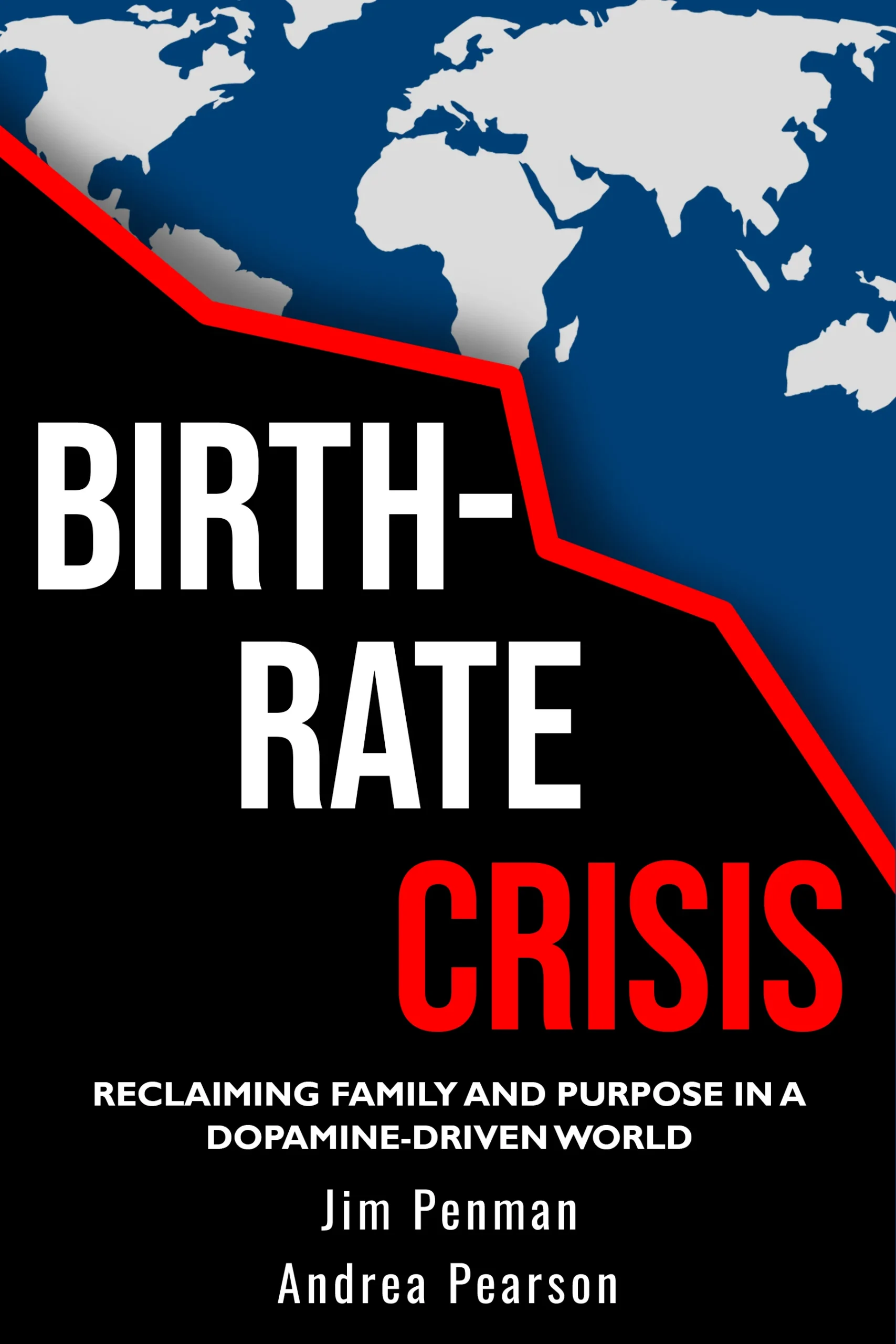
Birth-Rate Crisis: Reclaiming Family and Purpose in a Dopamine-Driven World by Jim Penman and Andrea Pearson
In Birth-Rate Crisis, Jim Penman and Andrea Pearson explore why people are having fewer children and how modern lifestyles may be contributing to population decline. Combining demographic research, neuroscience and personal experiences, the authors examine the effects of digital distractions, changing family dynamics and diminishing community support. Offering practical parenting advice and a thought-provoking biological theory, this book challenges conventional explanations for declining birth rates and explores ways to make family life more rewarding.
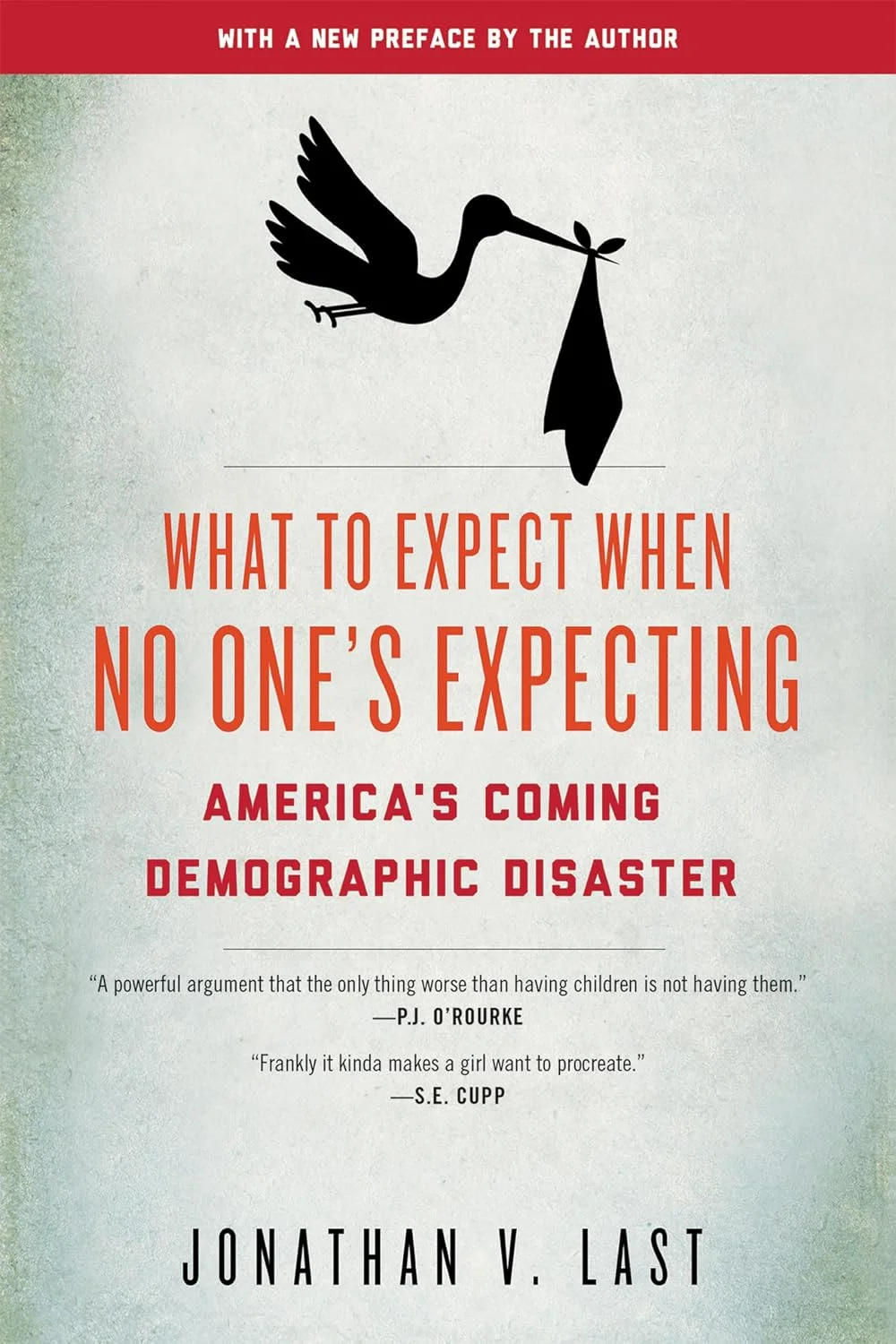
What to Expect When No One's Expecting: America's Coming Demographic Disaster by Jonathan V. Last
In What to Expect When No One’s Expecting, Jonathan V. Last explores the surprising consequences of declining birth rates and what they mean for society’s future. Examining demographic trends, economic pressures and shifting cultural attitudes, Last investigates why people are choosing to have fewer children and how shrinking populations could reshape communities, economies and everyday life. Blending research with engaging commentary, this thought-provoking book challenges readers to reconsider the importance of family, parenthood and population growth in an increasingly uncertain world for future generations.
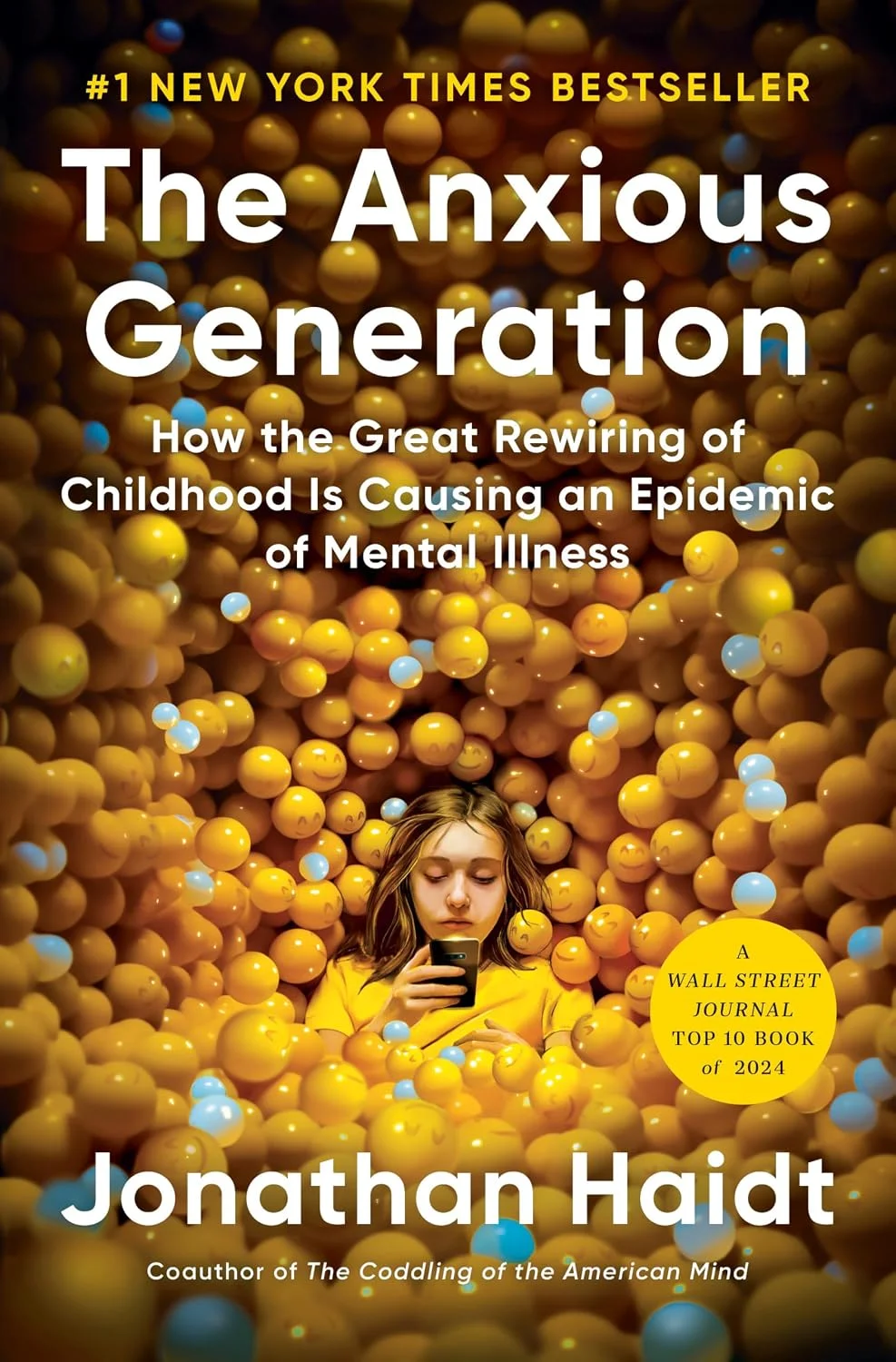
The Anxious Generation: How the Great Rewiring of Childhood Is Causing an Epidemic of Mental Illness by Jonathan Haidt
In The Anxious Generation, Jonathan Haidt explores how smartphones, social media and changing childhood experiences have contributed to rising rates of anxiety and depression among young people. Examining the shift from play-based childhoods to phone-based lifestyles, Haidt reveals how technology affects emotional development, relationships and mental health. Drawing on psychological research and cultural trends, he offers practical solutions for parents, educators and communities seeking to restore healthier childhood experiences and help the next generation thrive in an increasingly digital world.
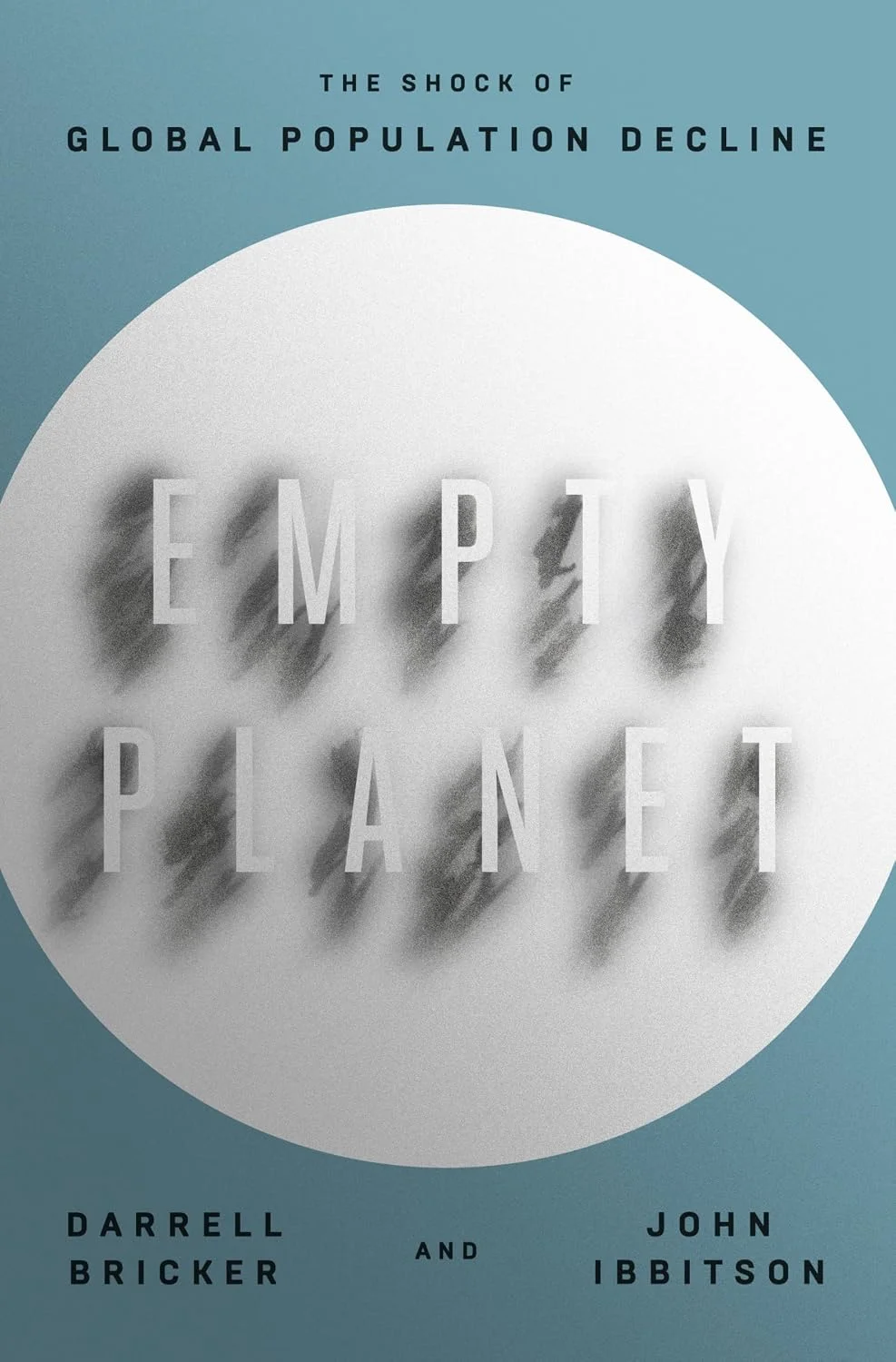
Empty Planet: The Shock of Global Population Declinericker and John Ibbitson by Darrell Bricker and John Ibbitson
In Empty Planet, Darrell Bricker and John Ibbitson explore a surprising demographic shift: the possibility that the world’s population could begin shrinking sooner than expected. Through interviews, research and global observations, the authors examine how urbanization, women’s education and changing priorities are contributing to smaller families. They explore the potential consequences of population decline for economies, communities and future generations, offering a perspective on how falling birth rates could reshape the world.
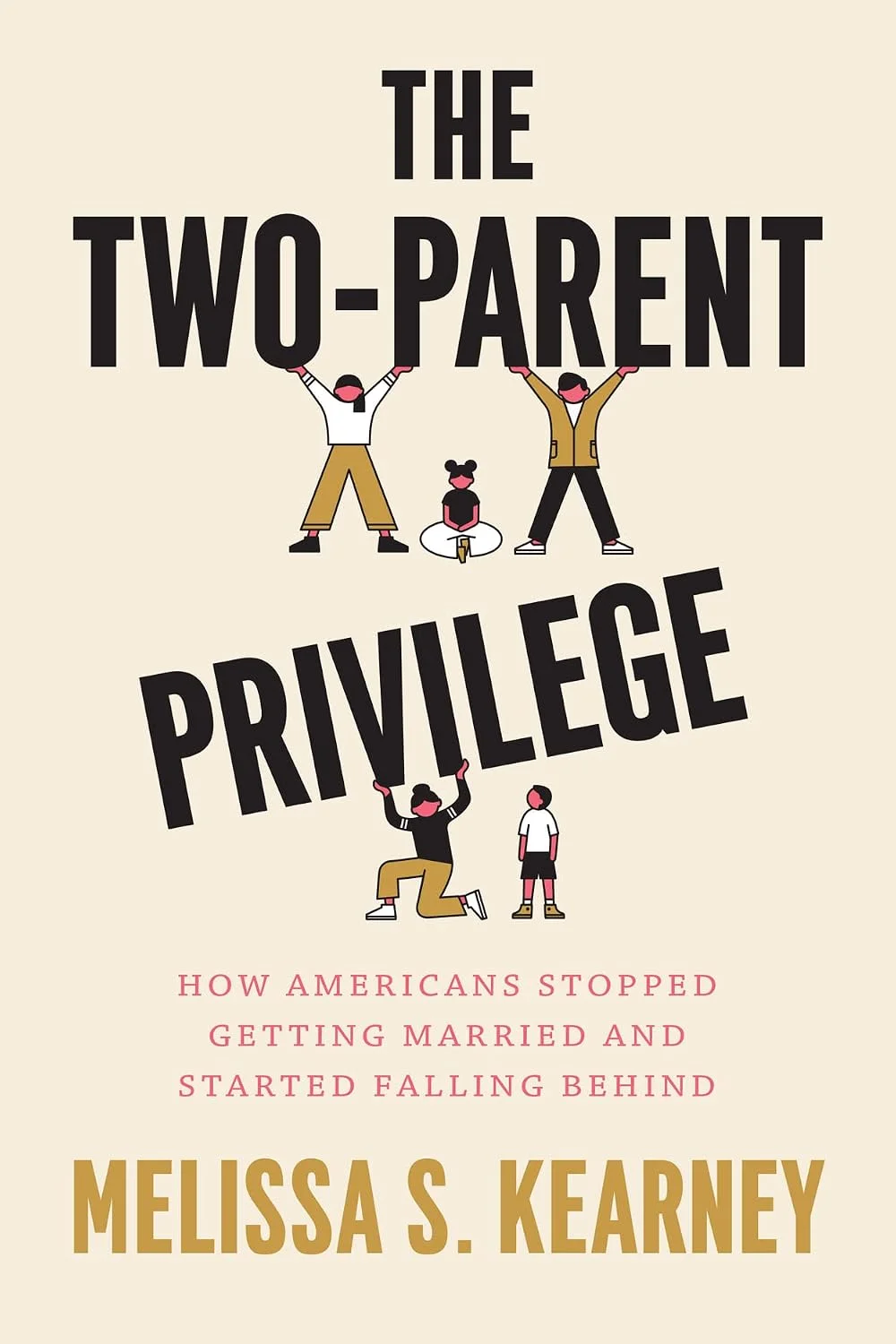
The Two-Parent Privilege: How Americans Stopped Getting Married and Started Falling Behind by Melissa S. Kearney
In The Two-Parent Privilege, economist Melissa S. Kearney examines how declining marriage rates and changing family structures are affecting children and economic inequality in America. Drawing on extensive research, she explores the financial and social challenges facing single-parent households and the advantages associated with stable, two-parent families. The book offers a thought-provoking look at how relationships, economic opportunity and family stability influence the next generation.