I pondered a lot on this topic.
Mostly, because I wondered, why shouldn’t a 71-year-old woman be the main character of a novel? In real life, there are as many people who are 71 as there are 34-year-olds or 52-year-olds. A decade ago, an older main character might have seemed like a novelty in a book, but those days are long gone.
Today, readers’ favorite stories and media are filled with a healthy dose of maturity. That news is rather refreshing, coming from a soon-to-be 60-year-old who writes about older people.
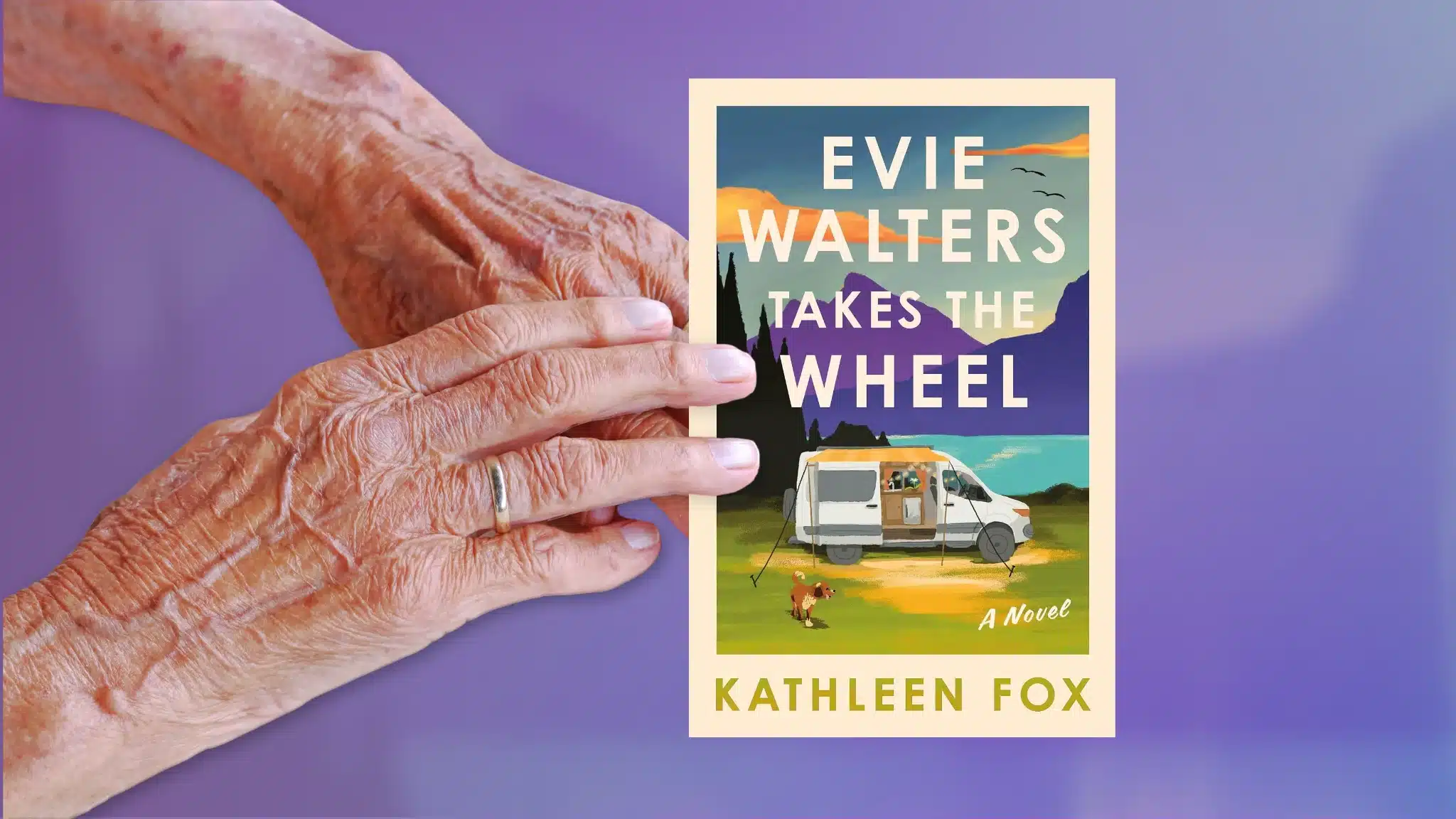
Prior to the submission of my novel Evie Walters Takes the Wheel, I received feedback from my writing circle, my agent, and a small group of readers. One of the most pressing questions — is my main character, Evie Walters, too old? At that point, I’d made Evie 74. Most felt a little uncomfortable with that number. So, as we sometimes wish for in real life, I turned back the hands of time by three years.
But it does warrant a bigger question. How old is too old for readers to thoroughly connect to a vibrant character? Can connection be swayed by age?
Too often, stories and media portray older people as grumpy, stuck in their ways, and out of touch—as though their best years and their relevance belong to the past.
By making Evie Walters 71, I had the opportunity to redefine what “old” looks and feels like. Writing a mature main character gave me a tremendous amount of freedom. With seven decades of life, Evie experienced far more than someone in their 20s or 30s. That made it easier to have her make choices based on earlier life experiences and be challenged when it came to newer things like technology and social media. It also gave me the chance to build conflict, contrast and tension using cross-generational complexity — with it came oodles of funny material.
Many authors create unforgettable stories with characters in their sixties and seventies. Fredrik Backman’s A Man Named Ove and Britt-Marie Was Here both showcase the depth and heart of characters in their last acts. Remarkably Bright Creatures (Shelby Van Pelt), The Correspondent (Virginia Evans), and The Thursday Murder Club (Richard Osman) weave in different-aged characters and voices, but at the core is an older protagonist—one who readers relate to on a level that makes these books some of the most popular novels currently on the market.
Older women are carving out different lives for themselves in unexpected ways. That’s pretty much my gig. Maybe my slogan should simply be “older, not over.”
Septuagenarians still can change and take risks. Their third act isn’t really an end. They might not take bold in-your-face risks, but they can still be life-changing risks—falling in love, making mistakes, or trying something new. Moving through those elements feels more like a starting point for a mature character, one that’s filled with possibilities. We, writers, LOVE possibilities!
With age comes wisdom; that’s the familiar adage. Adding vulnerability to that wisdom makes for a wonderfully complex character. Older people might understand concepts better than someone half their age, but an older protagonist is still going to feel the same universal emotions as everyone else — joy, uncertainty, loneliness, discomfort or stubbornness. Those commonalities connect all generations.
Having my character be 71 gave me the chance to dive a bit deeper into the perspective of time. 20- and 30-year-olds rarely think about time, and if they do, their priority is more Will she call? Does the party last until dawn? Am I having children, and who do I have them with? Where is this career going?
Someone in their 60s or 70s — or even 80s — doesn’t have those concerns. It was engaging for me as a writer to raise those ever-present later in life questions about memory, mortality, legacy, forgiveness, and what makes a meaningful life. It gave Evie Walters a richer sense of self, and I have to believe that resonates with readers of all ages.
All these “mature” qualities come together to create a likable older complex character. One who invites readers to take a seat, buckle up, and join Evie on a surprising road trip — where every page brings something new to discover and experience. And when readers reach the final page and close the cover, they may find themselves changed — reminded that age is not an ending but an invitation to keep growing and exploring.