
The best books for travel are not a random stack grabbed on the way out the door. A four-hour train, a week at the coast, and a month abroad ask for different pacing, different weight, and a different kind of company. Writers who have lived that range often turn the miles into fiction. Match the book to the trip before you choose the title.
Get the BookTrib Brief for fresh reading lists.
This guide sorts books for travel by duration, destination, and the mood you want in the bag. It points toward fuller BookTrib lists when one trip type deserves its own shelf. Think of it as a packing plan, not a catalog of every travel memoir in print.
How to Choose Books for Travel
Start with the hours you will actually have, not the fantasy version of the trip. A weekend with two dinners and a museum leaves one quiet evening. A long-haul flight can swallow a whole novel. That only works when the book is easy to hold and easy to reopen after the seat-belt sign.
Then name the mood you want beside you. Some trips want a story set in the place you are visiting, while others want the opposite: a mystery that ignores the itinerary, or a funny book that makes a delay feel shorter. Readers who like a place-matched story can start with BookTrib’s Tall Poppy Writers post, nine novels that travel the world. Come back here to decide what else belongs in the bag.
Pack for interruptions, because airport lines, ferry horns, and shared rooms break concentration. Short chapters, a clear plot, or a familiar narrator are kinder than a dense epic you only touch at bedtime. If you want that epic, save it for the long stay and bring a lighter second book for the moving parts of the day.
Weight still matters, since one paperback you will finish beats three hardcovers you will resent by day two. E-readers solve the weight problem, but a paper book still wins when you expect patchy Wi-Fi, a dead battery, or a sunny deck. Bring the format you will actually open, not the one that only looks impressive in a photo.
Match the Book to the Length of the Trip
Trip length is the cleanest filter. It tells you whether you need one absorbing novel, a handful of essays, or a series you can leave behind and still feel you got somewhere.
A weekend
Plan on one book, and make it one you already want, because a novella, a slim mystery, or a story collection fits a Friday-to-Sunday window. You will read in pieces, on the train there, over a slow breakfast, and on the ride home, so choose a book that still makes sense if you only get ninety minutes total.
A week away from home
A week can hold one full novel plus a backup. Put the novel you are most curious about in the outside pocket, and keep the second book short, funny, or familiar. A bad travel day should not strand you with a book you are forcing. Beach weeks and cabin weeks both reward this pair: one story to sink into, and one to rescue a rainy afternoon.
Two weeks or a full month
Now you can pack range. Bring one book tied to the destination and one that has nothing to do with it. Add something you can read in short bursts on buses and boats. A series works if the volumes are light. A single long literary novel works if the days have real quiet. Do not pack four “important” books and no fun. The trip will pick the fun one anyway.
| Trip length | What to pack | What to skip |
|---|---|---|
| Weekend. | One slim novel, mystery, or story collection. | A trilogy or a heavy hardcover stack. |
| About a week. | One main novel and one short backup. | Four new books you have not started. |
| Two weeks or more. | A place-matched book, an unrelated novel, and a short-burst read. | Only dense books with no easy re-entry. |
Let the Destination Pick the Genre
Once the length is set, let the place narrow the genre. You do not need a guidebook novel for every city. You need a lane: road, rail, coast, city, or wild country. BookTrib already keeps deep lists in several of those lanes. Use them instead of rebuilding the same shelf here.
Road and highway
A driving trip wants friendship, bad decisions, and a horizon. BookTrib’s Tall Poppy Writers article, six novels about road trips, stays on that open-road feeling. Think unlikely pairs in an old car, or friends who leave a highway stop and do not come back on schedule. Read that list when the trip itself is the plot. This guide only tells you when a road book belongs in the bag. That means long driving days, passenger hours, and motels where you want one more chapter before turning off the light.
Trains, ferries, and city hops
Rail and ferry days are built for a book you can open and close. Chapters that end cleanly beat a plot you must track across a noisy car. For stories that treat the train as the adventure, BookTrib’s eight novels of train travel is the deeper shelf. Pair one of those with a city novel if the trip is a string of stations rather than one scenic line.
Coast, Europe, and wild parks
A beach or pool week leans lighter, but it does not have to be empty. BookTrib’s summer beach-bag list is the place for that specific pack-and-lounge mood. A Europe trip can follow BookTrib’s Women’s Fiction Writers Association article, books that carry a European vacation. That list stays on place and atmosphere instead of trip logistics. If the plan is trails and park lodges, novels set in America’s national parks keep the wild setting. This page does not turn into a park-by-park catalog.
City breaks are the odd case. You may read less than you hoped, because the days are scheduled. Pack one book you can read in a cafe line and on the flight home. A sharp mystery or a slim literary novel usually beats a family saga you will not open until the return gate.
Pack for the Mood, Not Just the Map
The map gets you to the shelf. The mood decides which book you will still be reading on day three. Name it before you pack, in plain words.
- Choose escape when you want to leave the itinerary behind. Pick a story set somewhere else, or a plot so gripping that gate announcements fade. A tense mystery on a beach chair fits this mood, and so does a speculative novel on a red-eye.
- Choose company when you are traveling alone, or the group is noisy and you want a quiet friend. A warm narrator, a found family, or a memoir with a clear voice works well. Save icy, bleak books for a trip that already has enough silence.
- Choose place when you want the book and the street to talk to each other. Read a novel set in the city or on the coast you are visiting, then walk that neighborhood after a chapter. One place-matched book is plenty, because two can start to feel like assigned homework.
- Choose humor when delays, tiny seats, and group travel need a lighter tone. A comic novel or a light essay collection is the backup that earns its weight when the serious book stalls.
- Choose a reset when a long trip needs a book about staying rather than going. Nature writing, a quiet domestic novel, or a book about personal development can fit a month away better than another adventure plot. Bring that mood only if you want it, not as an obligation.
If you are stuck between two moods, pack both and let the first day choose. The book you open in the taxi is the real pick, and the other one is allowed to come home unread.
A Simple Way to Build the Stack
Use this order when the suitcase is open and the choices feel random, because a sequence keeps the bag honest.
- Write the trip length on a note: weekend, week, or longer.
- Circle one genre lane: road, rail, coast, city, or wild country.
- Name one mood: escape, company, place, laugh, or reset.
- Choose the main book that hits at least two of those three.
- Add one backup that is shorter or funnier than the main book.
- Stop once the backup is in, and let a third title earn its weight.
That last rule is the one people skip, because extra books feel like optimism when they are often just ballast. A reader who finishes one good novel on a trip remembers the trip as a reading trip, while a reader who hauls five books and opens none mostly remembers the weight.
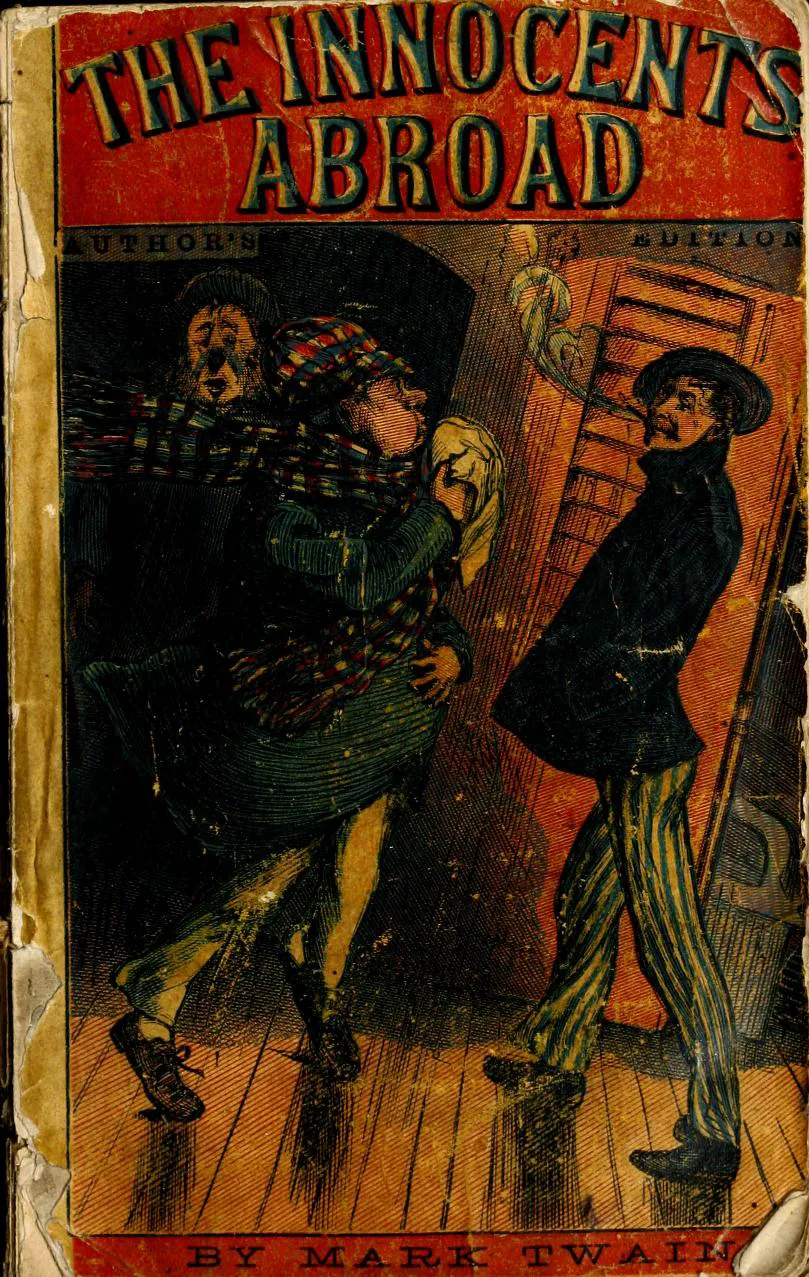
Older travel writing still earns a spot when the mood is place and the days are long enough to stay with one voice. Mark Twain’s The Innocents Abroad, published in 1869, follows an American excursion through Europe and the Holy Land, mixing jokes with sharp observation. Project Gutenberg’s text of The Innocents Abroad keeps that public-domain book available, which is a useful reminder that “what should I read when I go” is an old question. You do not need a nineteenth-century volume in a carry-on. You do need the instinct those readers used: choose a companionable voice for several days, not a book you pack only to admire.
When you want a staff-style nudge about where a book feels best, use BookTrib’s what to read where, which pairs specific titles with a bed, a beach, a cafe, a plane, or a campfire. Treat that piece as a mood check, and use this page when the question is the trip itself.
If a list here sends you toward a genre you have not tried, stay on BookTrib instead of starting over on a blank search. The discover books page is the front door to more reviews and interviews. A book club that wants a shared travel read can look at the BookTrib Book Club Network and pick one main title from this matching method, so the group is not dragging five different hardcovers.
What Not to Pack
Leave behind the book you are finishing out of guilt, because a trip is a poor place to push through a title you already resent. Also leave anything you cannot stand to lose, bend, or splash, since a paperback or a library copy you have already renewed travels better than a signed first edition.
Avoid a second book in the same mood, because two bleak novels, or two intricate fantasies with large casts, compete for the same attention. One demanding book and one easier book cover more real days. Skip guidebooks you will not annotate, since a reliable map app plus one story you love almost always beats a thick destination manual and nothing else.
Also drop the idea that books for travel must be about travel. The phrase sends people toward memoirs of famous journeys, and those are wonderful when the mood is place. They are not the only answer. A courtroom thriller on a train, a romance at a lakeside cabin, and a fantasy novel in a rainy city help the time pass pleasantly. The trip decides the container. The book decides whether you look up.
Browse Lit Picks for a first chapter to sample.
Frequently Asked Questions
What are the best books for travel if I only have a weekend?
Bring one slim book: a novella, a mystery, or a story collection with chapters you can finish in a sitting. A weekend rarely gives you a full novel’s worth of quiet. A short book you finish beats a long one you abandon at chapter three.
Should books for travel be set in the place I am visiting?
Only if you want that conversation. One novel set in the city or landscape can make walks richer. If you would rather leave the itinerary behind, choose escape or humor instead. You do not owe the destination a matching book.
How many books should I pack for a week-long trip?
Two is the useful number for most people: one main novel and one shorter backup. Add a third only on a longer trip, and only if it is lighter than the main book. Unread hardcovers are just souvenirs you paid to carry.
What should I read on a long travel day with lots of stops?
Pick short chapters and a plot you can rejoin after interruptions. Story collections, mysteries, and comic novels handle ferries, security lines, and seat changes better than a book that demands a silent hour. Save the denser novel for the settled part of the stay.
Where can I find more BookTrib lists by trip type?
Start with the road-trip novels, train-travel novels, European vacation books, and national-park novels linked above. For a beach week, use the beach-bag list. For a “where should I sit with this book” question, use the staff picks on what to read where.