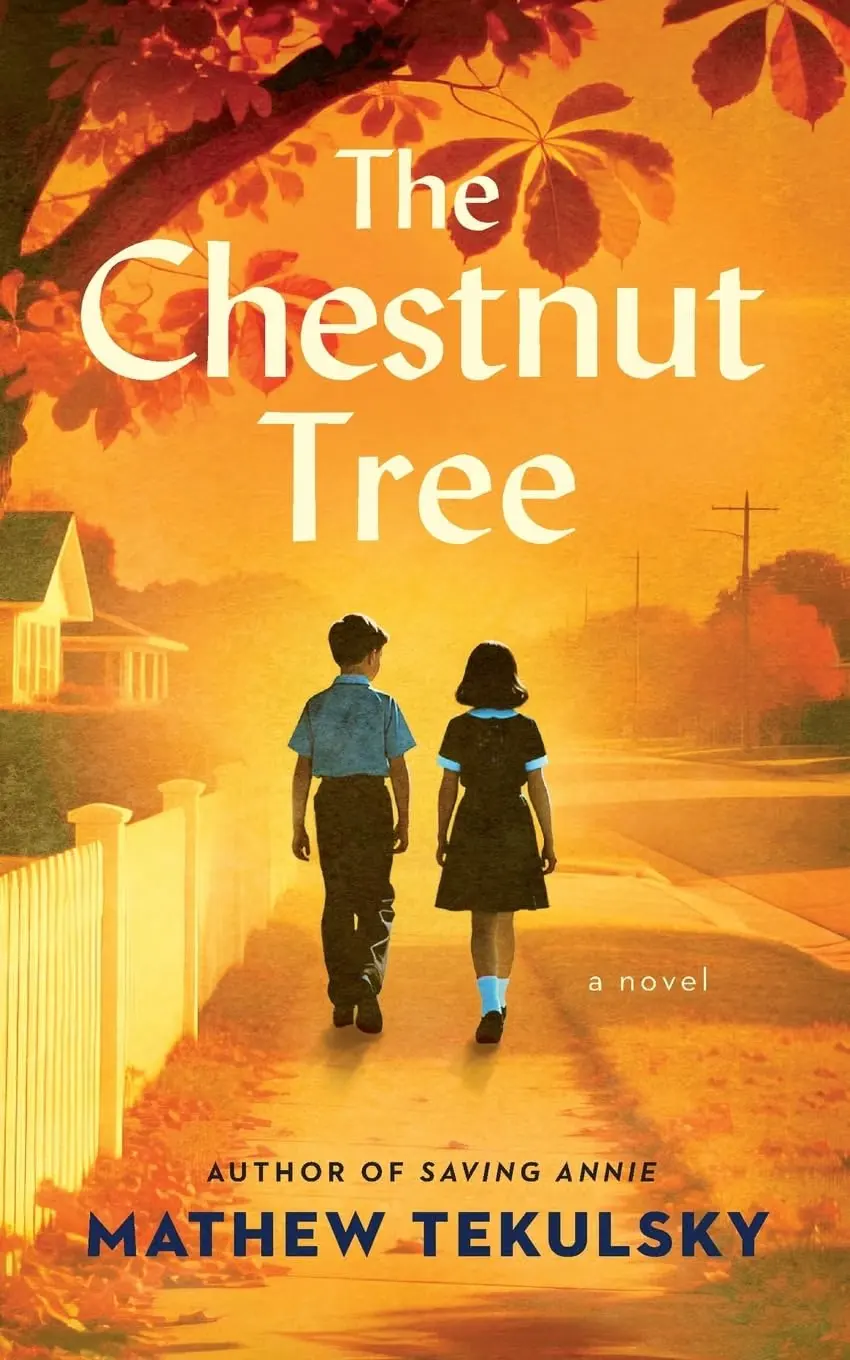
The Chestnut Tree by Mathew Tekulsky
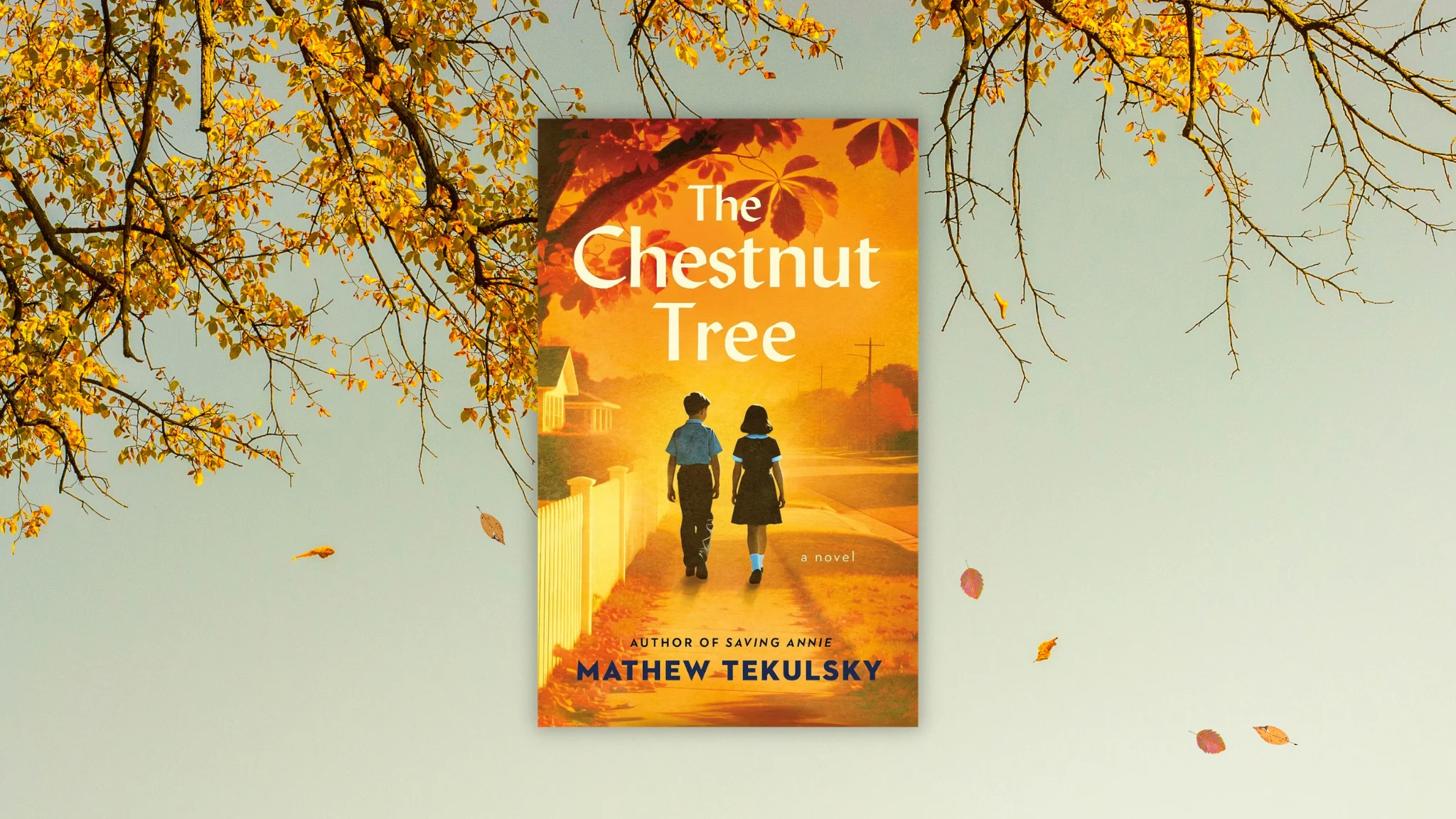
Mathew Tekulsky‘s The Chestnut Tree tackles some of the biggest questions of a generation. Set in the fictional Westchester suburb of Beachmont during the fraught, electric years of 1966 and 1967, the story is narrated by twelve-year-old Adam, a dry cleaner’s son who is a lovestruck kid, budding photographer and aspiring writer. His crush on Sally blossoms into something richer: a story about friendship, mentorship, identity and the awakening of a moral conscience against the backdrop of the Vietnam War and the Civil Rights Movement.
Gladys McKinley is the reclusive, once-blacklisted children’s author living behind the chestnut tree of the title. Gladys is a widow still mourning her husband and a woman with ties to the era’s cultural and political currents who dispenses hot chocolate and hard truths about procrastination being “the curse of the writer” in the same breath. Through her, Adam and Sally get pulled into something bigger than themselves: printing anti-war flyers at the local newspaper, listening to advance copies of Peter, Paul and Mary records on Gladys’s turntable and eventually standing in the pews of Riverside Church to hear Martin Luther King Jr. deliver his landmark address against the Vietnam War. We see a child’s first stirrings of political awareness as the lens through which we experience 1967’s most consequential moments.
What makes the book work so well is how naturally Tekulsky braids the personal and the historical together. Adam’s story is full of details of growing up in that era including Playboy magazines smuggled into a reed clubhouse, transistor radios playing “Groovin'” and “Windy,” root beer handed out in a small-town newspaper’s print room and a 1964 Biscayne sedan bought through a family connection. At the same time, cultural touchstones such as Pete Seeger’s music, the Mets at Shea Stadium and Walter Cronkite’s war reports anchor the fiction in a vividly rendered historical moment. The novel trusts its young narrator’s voice to carry the weight of the era.
Adam is the son of a German-Jewish father who escaped the Holocaust, growing up self-conscious about his family’s accent and modest means in a neighborhood of doctors and lawyers. His preparation for his bar mitzvah runs alongside his political awakening, and the novel draws a parallel between the concept of “mitzvah” and the anti-war organizing he takes part in with Sally and Jimmy. Meanwhile, Sally’s Catholic upbringing and her parents’ political differences, and Jimmy’s status as the “slow kid” everyone underestimates, round out a small-town social world. Tekulsky never moralizes; he simply lets these kids ask honest questions about love, fairness, and courage, and lets the adults around them answer as best they can.
Tekulsky has a good ear for period dialogue and an even better sense of pacing. And the ending, with Adam heading off to summer camp having found both his voice as a writer and his first taste of real purpose is satisfying.
The Chestnut Tree is a real pleasure. It’s a book about how a twelve-year-old’s small, local acts of decency can connect him to the largest moral movements of his time. Tekulsky has written a love letter to first love, first courage and the writers and mentors who help us find our own words.
About Mathew Tekulsky:
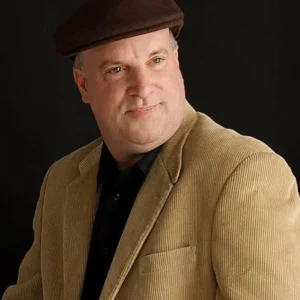 Mathew Tekulsky is an award-winning and best-selling author, screenwriter, photographer, and nature writer whose work spans fiction, nonfiction, and film.
His novels include The Chestnut Tree; Saving Annie, a Feathered Quill Book Awards Gold Winner in Adult Fiction and an American Book Fest Best Book Awards finalist; and Bernie and the Hermit, a finalist in the William Faulkner–William Wisdom Creative Writing Competition.
Tekulsky has also published short stories in literary magazines and numerous nonfiction books on nature, photography, gardening, and Americana. A native of Larchmont, New York, he earned a B.A. in History with a minor in English from the University of Rochester.