I never planned to write fiction. I’m a physician who has worked across rural and remote emergency departments and inner-city health for fifteen years. I’ve met tens of thousands of patients, and while they might come to me with the flu or a sprained ankle, there are always more important stories underneath.
Doctoring, when done correctly, is mostly about listening. In exam rooms and emergency department bays, I’ve heard similar themes over and over: people tell me they don’t really know what they want anymore. Their phones are always pinging. Life feels too fast. They’re tired, and often sad, and this has been going on a long time.
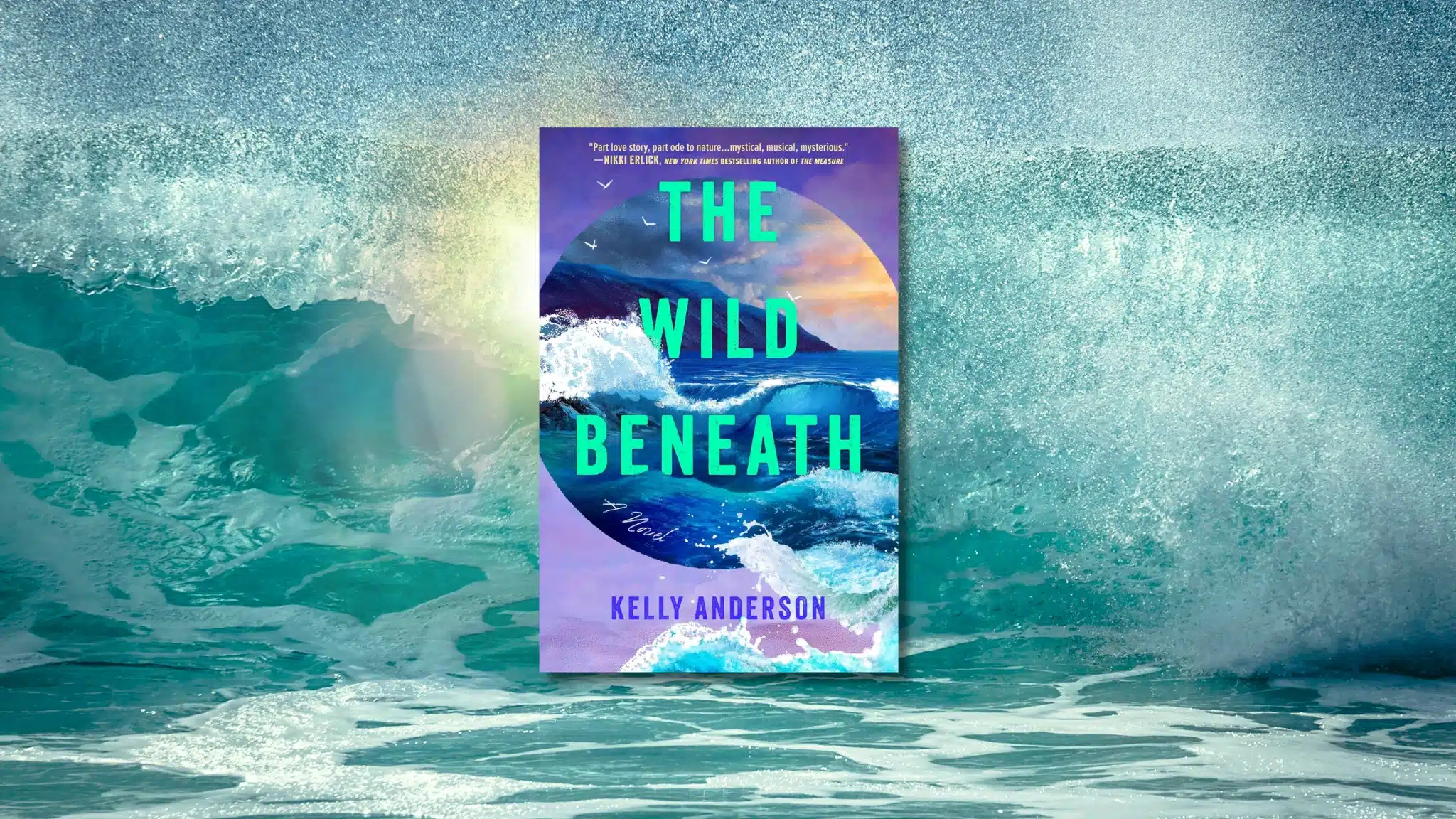
For many years, I agreed with them. In the decade before I wrote The Wild Beneath, I was drowning inside my own life. On the outside, I appeared fine — successful, capable — but inside, I felt mechanical and flat. I worked constantly, traveling to remote emergency departments, booking clinic after clinic, answering an unrelenting inbox. I tried more exercise, less sugar, vitamin D, therapy. Nothing really helped.
As a child, I used to write stories that buoyed me. I wrote about sea creatures, women with telepathic powers, underground kingdoms. I filled legal pads with fairy tales and drew primordial creatures in the margins. Somewhere in adolescence, I traded those stories for things that would help me fit in — straight As and sports teams. Over time, I increasingly believed in what I was told rather than the fairy tales that lived inside me.
Sometimes, sadness can be a messenger that a part of our life needs to change.
By 2019, I had spent over a decade feeling not myself. One winter morning, I was doing a three-point turn in my driveway. The sun was too bright against the fresh snow, and I’d forgotten my sunglasses. Out of nowhere, the idea for The Wild Beneath arrived. In the coming months, I began writing a novel about metamorphosis, about humans turning themselves into other things.
I started wondering if the fairy tales I believed as a child were truer than everything I’d been taught about how my life should look. I wondered if, as an adult, I had been handed someone else’s sheet music to play and inadvertently forgotten my own songs.
Writing characters that navigate a vast, wild landscape in my novel let me consider how our over-scheduled, disconnected lives might be harming us, robbing us of an underneath knowing we’re all born with. It let me discover how our bodies can say yes and no — instinctually — with physical sensation. Annie — the physician character in the book — helped me write my way out of an old version of my life and toward a new possibility. I wrote a new wild life for her, and slowly, I was able to change my own life into something that feels like yes.
Every morning, I open my notebook and write myself a series of things that feel true, a list of what feels like yes or no inside my own life. Seeing the truth on paper isn’t always comfortable or easy. I’m still learning. Our assignment isn’t to know all the answers, but rather, remember we have a body with messages for us. They’re available when we listen carefully. We can create new sheet music. The most important stories we tell ourselves can be of our own making.