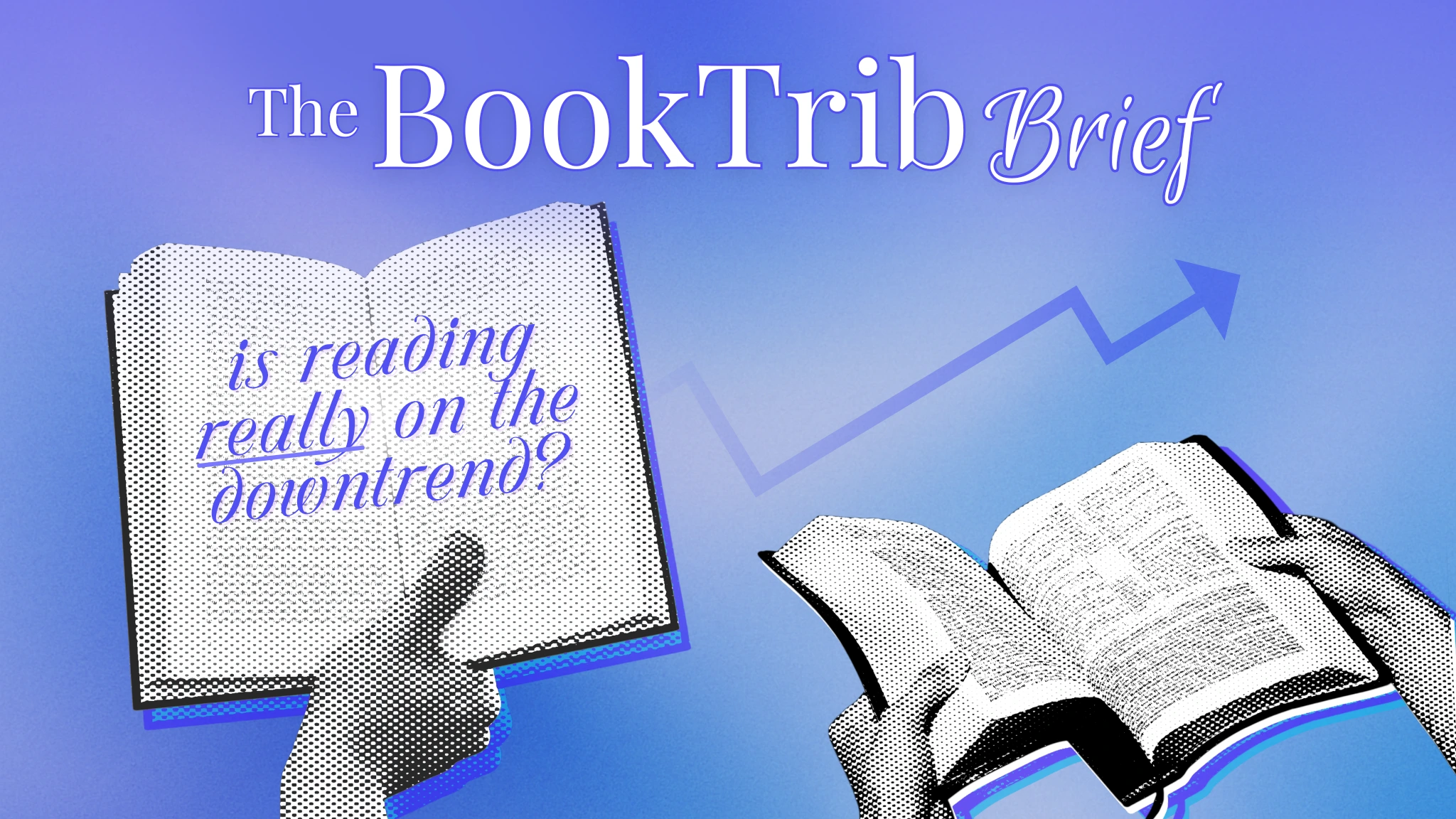
This week’s Atlantic Magazine cover story suggested we mourn reading like a death in the family. The argument is compelling and the anecdotes and history are interesting, but the industry-level numbers tell us a much less bleak story than a “postliterate collapse” into the dark ages.  Let’s start with the market itself. If reading were truly dying, the book business should be shrinking. It isn’t. Global book market revenue is on track to hit roughly $142.72 billion in 2025 and is projected to grow toward $156 billion by 2030. In the U.S. alone, print book sales actually rose slightly in 2025, reaching about 762 million units — still well above pre-pandemic levels, even after cooling from the pandemic-era peak.
Follow the Crowds
The good news is bookstores are multiplying, not disappearing. The data is clear: the U.S. now has more than 43,000 bookstore locations generating close to $24 billion a year, and independent bookstore counts have been climbing for over a decade, not shrinking. People aren’t just buying books online in isolation — they’re showing up in person, at author events and reading clubs, in a format that was supposedly obsolete.
Audiobooks are where the real growth story lives. Rather than proving that people have stopped engaging with long-form text, the audiobook boom suggests they’ve just changed how they take books in. Audiobook sales grew more than 20% in 2024 and kept climbing into 2025 — a format substitution, not an extinction event. Commuters, gym-goers, drivers and multitaskers are absorbing full-length books at a pace that a purely print-based statistic would never capture. Fiction is thriving, especially among the young. Romance and romantasy unit sales have surged in the BookTok era, and genre fiction overall still commands roughly a third of total book revenue. And people are still showing up in person for books, by the hundreds of thousands.
 If reading were a dying practice, literary festivals would be shrinking relics. Instead, they’re multiplying and drawing crowds that rival major cultural events. The Los Angeles Times Festival of Books, the largest in the country, pulls in more than 150,000 attendees annually. Chicago’s Printers Row Lit Fest draws over 100,000 visitors for a weekend of author panels and book stalls, and San Francisco’s Litquake now runs some 100 events with roughly 600 participating authors each year.
A Rising Trend
These aren’t outliers — dozens of cities and regional book festivals now run annually across nearly every state, from the Decatur Book Festival in Georgia to the Texas Book Festival in Austin to the Brooklyn Book Festival, alongside major international fairs like Frankfurt and Bologna. New ones keep launching, too, including a brand-new Laguna Beach Literary Festival in 2026 and a Black Authors Festival that expanded this year from one flagship event into pop-ups across six U.S. cities. People don’t turn out by the tens of thousands, city after city, for a form of culture they’ve abandoned.
The marquee example arrives this summer. The Library of Congress’s National Book Festival returns August 22, 2026, at the Walter E. Washington Convention Center in D.C., with a lineup that reads like an awards-show ticket, not a niche literary gathering: Cynthia Erivo, Martin Scorsese, Kate McKinnon, and Ann Patchett headline more than 80 authors and speakers across fiction, memoir, history, and poetry. It’s grown big enough that, for the first time in the festival’s history, organizers are requiring free tickets just to manage the crowd — a crowd Library officials put at roughly 45,000 people a year. That’s not the RSVP list for a dying art form. The obituary may be premature. Happy Reading!

Meryl Moss, Publisher, BookTrib
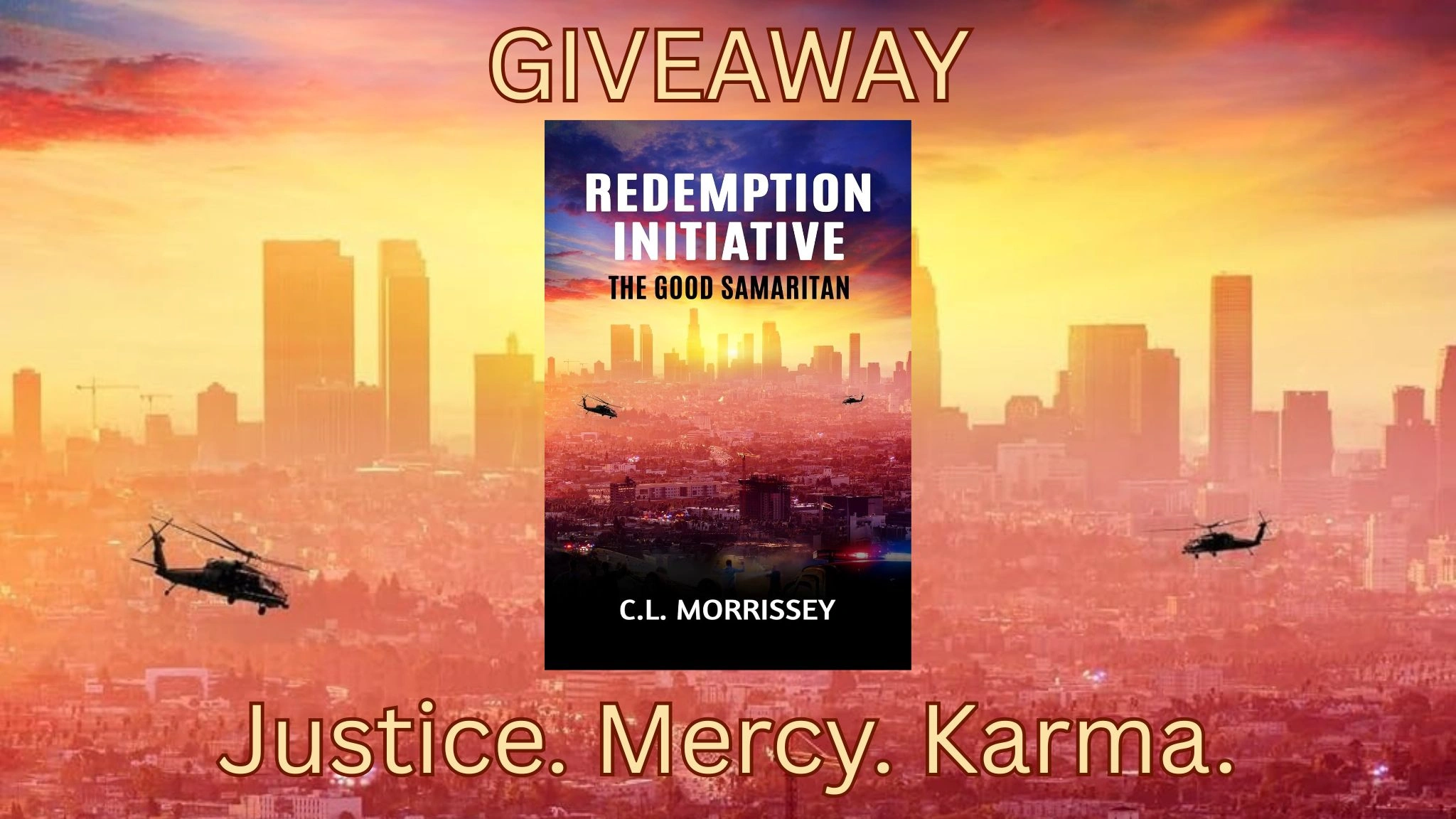
GIVEAWAY: A Thriller That Asks What If Justice Didn’t End at Conviction?
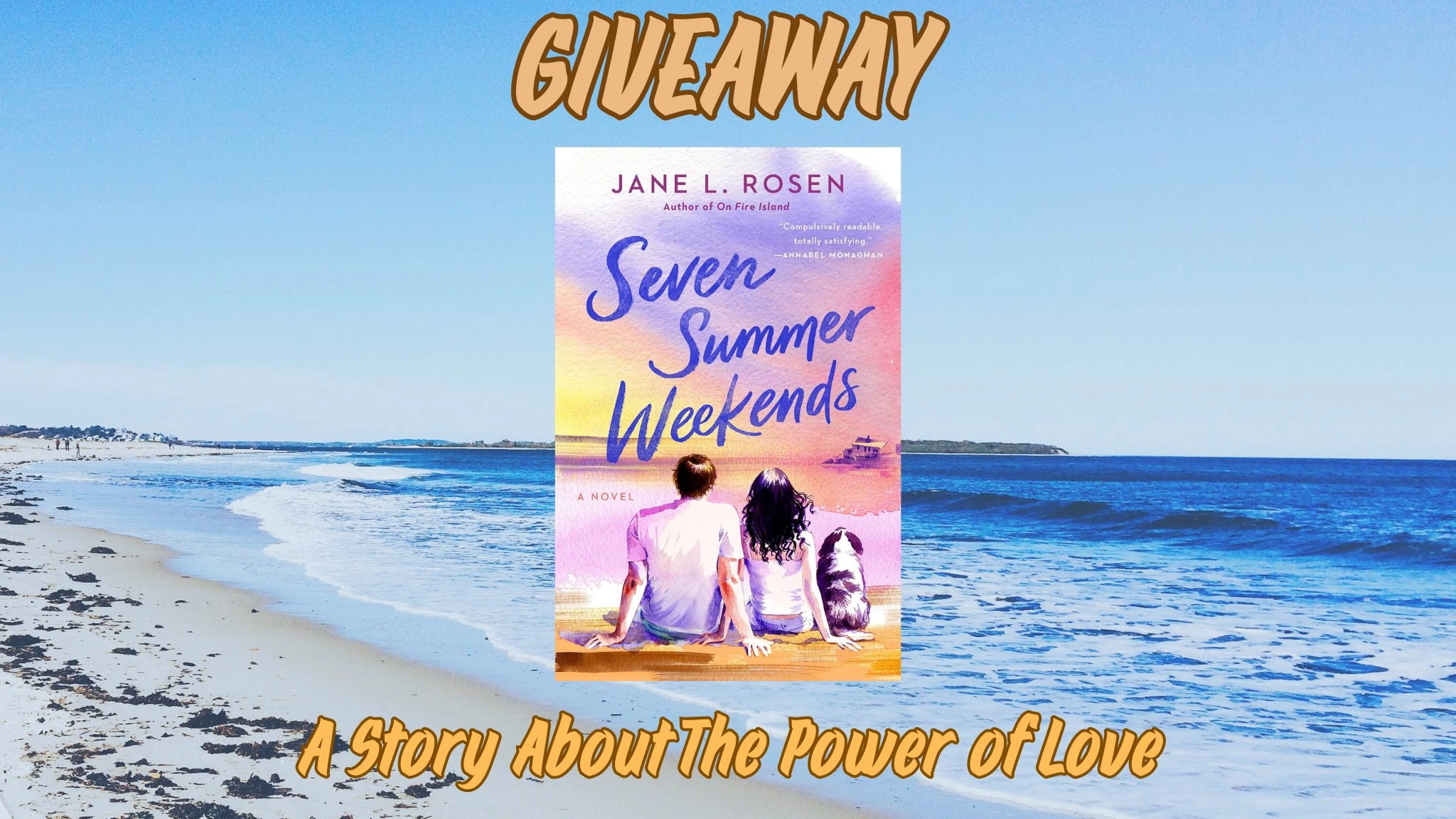
GIVEAWAY: Starting Over on Fire Island

BOOK CLUBS: Claim Your FREE Access Codes to This Month’s Full-Cast Audio Drama
Stay in the Loop!
Be among the first to receive our weekly book recommendations. Sign up for our newsletter here.