

When a therapist appears on the pages of a novel, readers wonder who to trust. The unreliable patient with their history of trauma and instability? Or the healing therapist who holds the key to change and transformation? It is this question of reliability that drives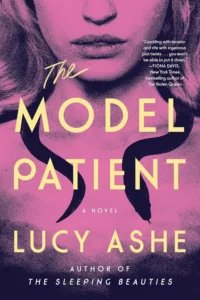 many novels about mental health, treatment and care. But can we trust this character who is an expert on reaching inside vulnerable parts of their patients’ minds?
For many of us, therapy is a safe space to explore the most tender, hidden parts of ourselves. Why, then, are we attracted to stories about therapy gone wrong? Perhaps they thrill us from a safe distance, acting as an invitation to glance at our own inner demons within the containing space of fiction.
To peek inside this strange and intimate relationship has an enduring attraction for readers. For writers, too, the fallibility of both a patient and therapist’s account of the same conversations, each carrying with them the patterns of their pasts and the imprint of their desires, is a gift for storytelling. When writing The Model Patient, my novel about a housewife in 1960s London who develops a dangerous obsession with her psychotherapist, I was endlessly fascinated by transference and countertransference, and the delicate balance of care and manipulation.
Below are seven fascinating novels that center around a complex patient-therapist relationship.
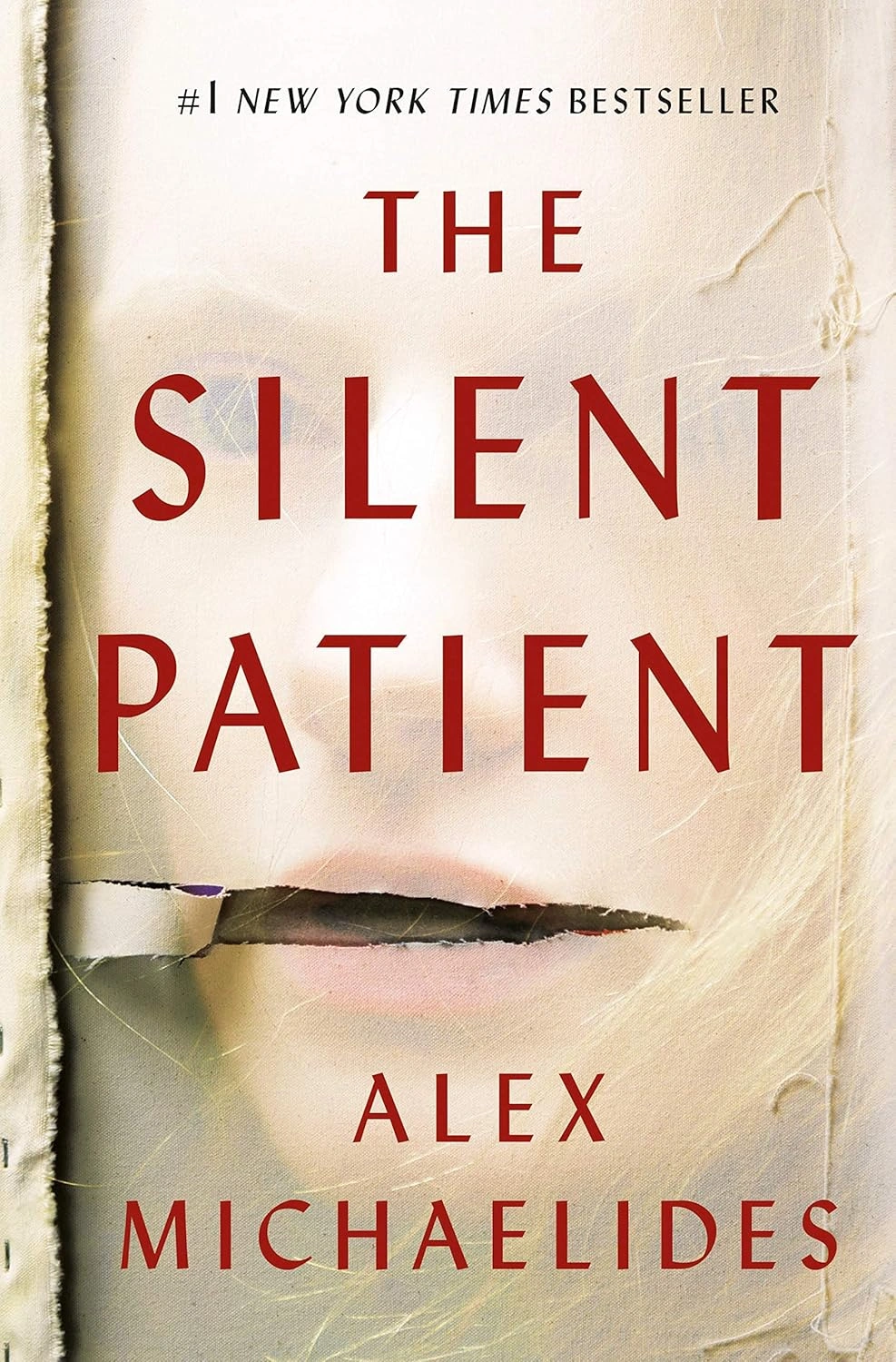
The Silent Patient by Alex Michaelides
The Silent Patient is a psychological thriller about a psychologist who becomes obsessed with his patient, Alicia. Accused of murdering her husband, Alicia has not spoken a word for years, and psychotherapist Theo Faber cannot resist breaking professional boundaries to learn more about her and the motives behind her crime. Building to a shocking twist, Alex Michaelides writes with addictive prose, exposing the dangerous past that leads Theo to make so many surprising and unethical choices. The unreliability of the therapist’s voice makes this a fascinating page-turner.

A Good Enough Mother by Bev Thomas
I adored this domestic drama about a psychotherapist whose professional judgement slips when she starts working with a patient who reminds her of her missing son. The novel examines the perils of unchecked countertransference, and the danger of letting difficulties in the personal life of the therapist interfere with the therapy. The author, Bev Thomas, brings her own expertise as a clinical psychologist to the novel, handling the complexity of the patient-therapist relationship with sensitivity.

The Bell Jar by Sylvia Plath
Plath’s novel, published in 1963 (the year that I set The Model Patient) is the first book I remember reading as a teenager that explored mental health. The way Esther Greenwood experiences work, love, relationships, and interactions with authority figures all spoke to me, and I returned to the novel when writing The Model Patient. Esther’s descent into mental illness is made worse by her treatment from the cold and rigid Dr Gordon who uses electroshock treatment which traumatises her rather than heals her. It is only when she starts seeing a caring female psychiatrist, Dr Nolan, that she starts to heal. The contrast between Dr Gordon’s condescending refusal to explain the treatment and Dr Nolan’s practical and supportive conversations was inspirational to me when writing the therapist character in my novel.
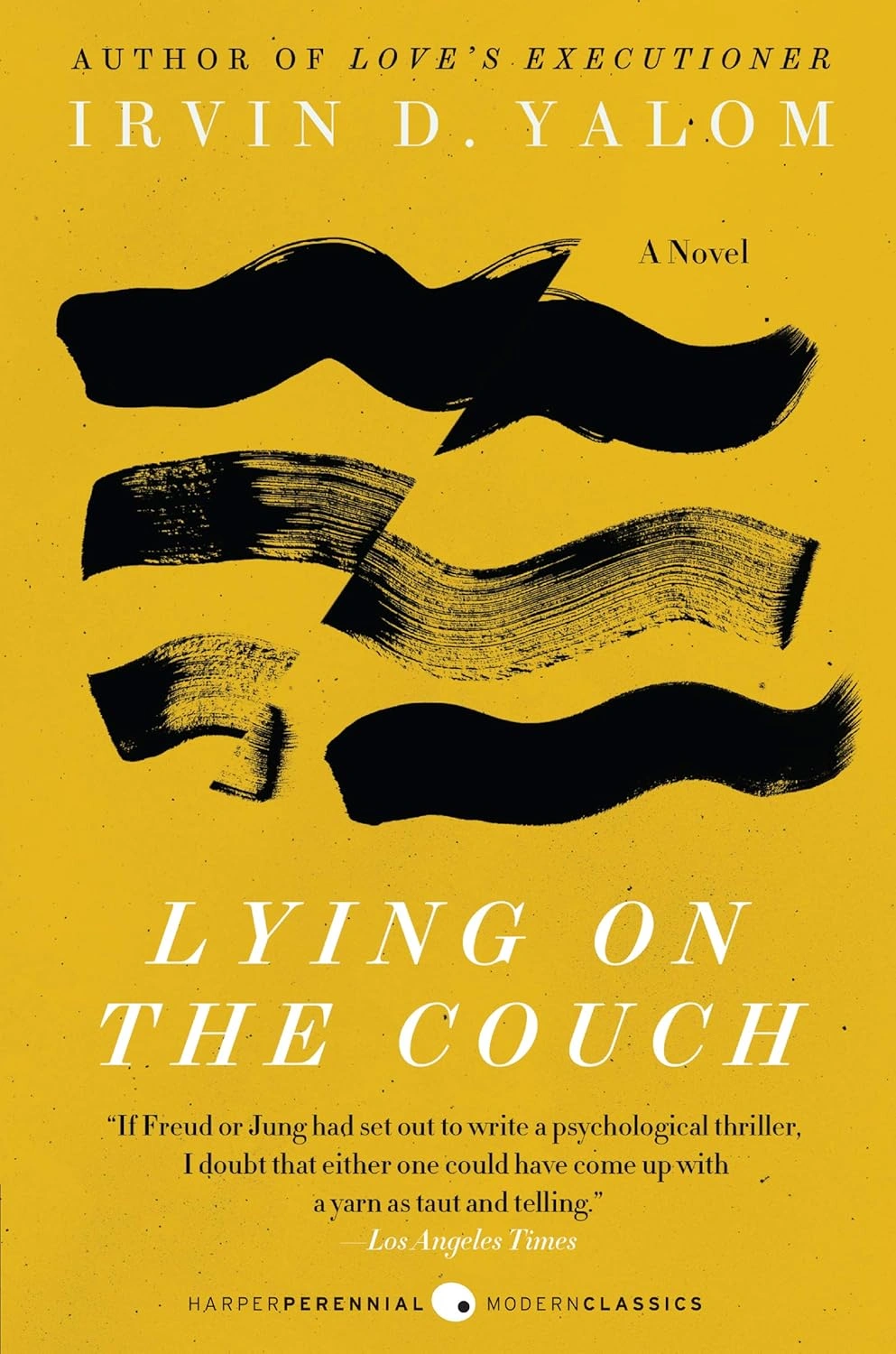
Lying on the Couch by Irvin Yalom
Psychotherapist Irvin Yalom is perhaps better known for his non-fiction books about therapy, particularly Love’s Executioner which delves into his experiences with ten patients and their work together to help them understand their ‘existence pain’. Lying on the Couch is a fascinating novel about three therapists and their unconventional relationships and treatment methods with their patients, exposing the lies that patients and therapists tell one another, and how manipulation works both ways. Yalom’s experience and his openness with interrogating the psychoanalytic method makes this an authentic and eye-opening read.

Anna O by Matthew Blake
This is an entertaining and unsettling novel about a forensic psychologist attempting to wake up a sleeping patient so that her alleged crime can be investigated. Boundaries slip quickly, and the line between sleep science and criminal justice begins to crumble. With a complex plot and sinister atmosphere, I enjoyed the twists and turns of this thriller, another novel where authority figures, particularly those in the mental health sector, struggle to stay within the ethical lines of their profession.
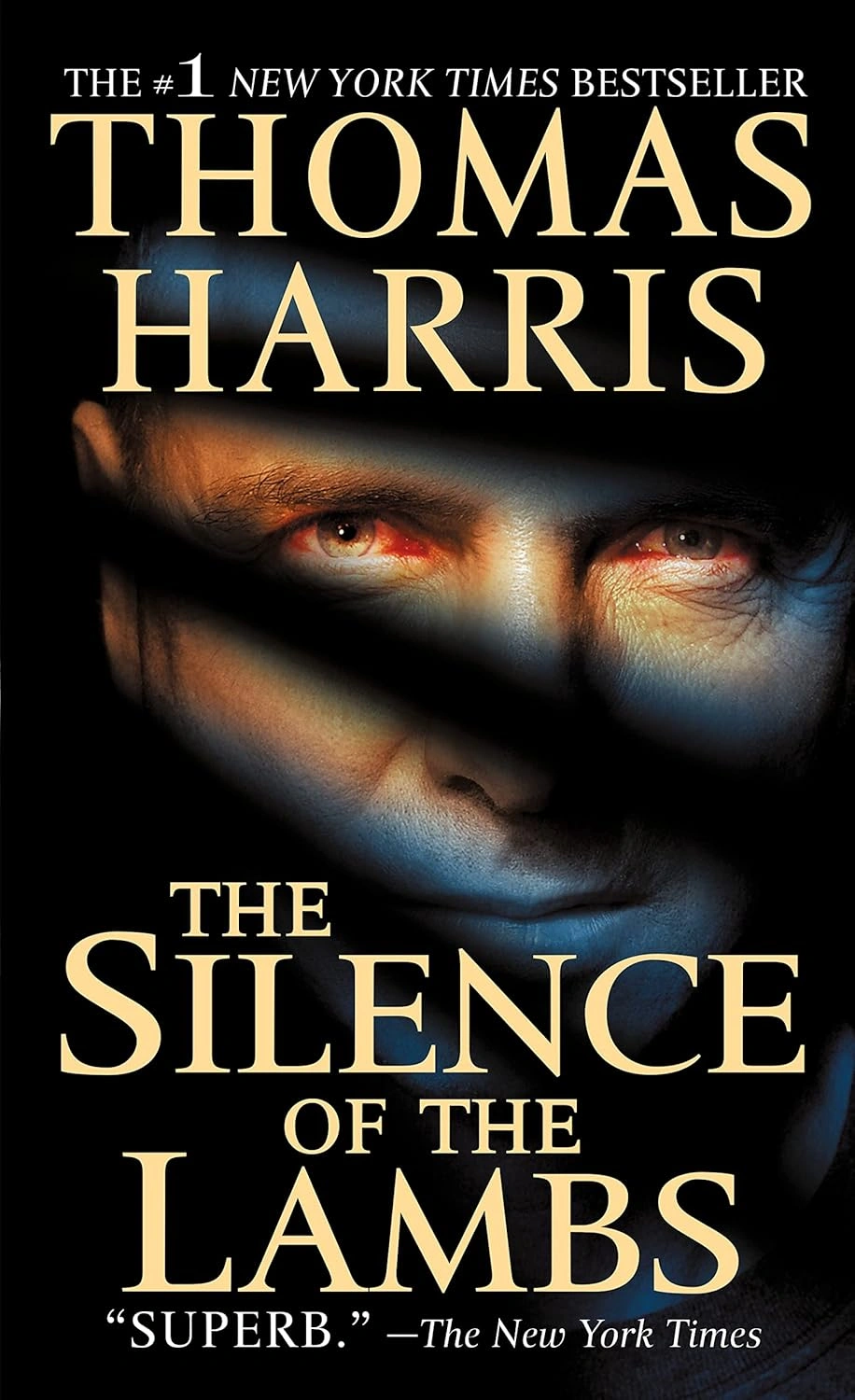
The Silence of the Lambs by Thomas Harris
Surely the most famous and most horrific therapy novel, The Silence of the Lambs is a psychological horror novel where the therapeutic method is weaponised by the frighteningly intelligent Dr Hannibal Lecter. In his meetings with FBI agent Clarice Starling, he draws on his skills as a therapist to manipulate her, targeting trauma from her past and turning this strange therapeutic space into a negotiation. Thomas Harris expertly reveals the dangers of the therapeutic ‘talking cure’ method when placed in the wrong hands.
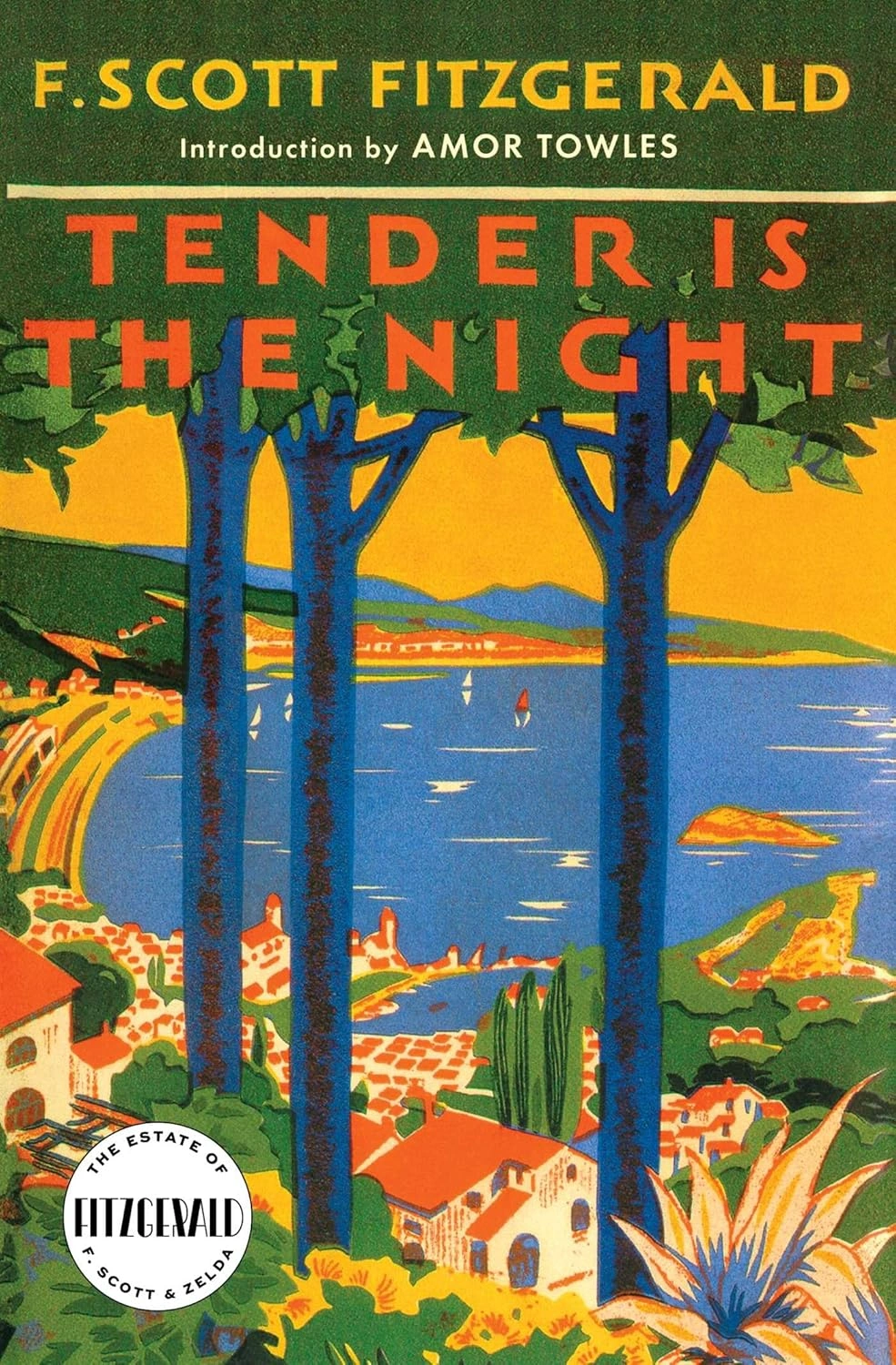
Tender is the Night by F. Scott Fitzgerald
Drawing on his own marriage to Zelda and her declining mental health, F. Scott Fitzgerald’s French Riviera novel explores the challenges of navigating a complex relationship that began as therapist and patient and changed into husband and wife. Dick Diver, a young psychiatrist, marries his wealthy patient, Nicole, and what follows is a gradual disintegration of their marriage as the initial spark of their romance falls apart. By marrying Nicole, Diver breaks the therapy frame and turns transference into toxic dependence. His career falls apart, and he cannot shift his role as healing therapist into the mutual love and care needed for a successful marriage. A classic of the Jazz Age, Fitzgerald’s novel explores the danger of unhealthy dependency.