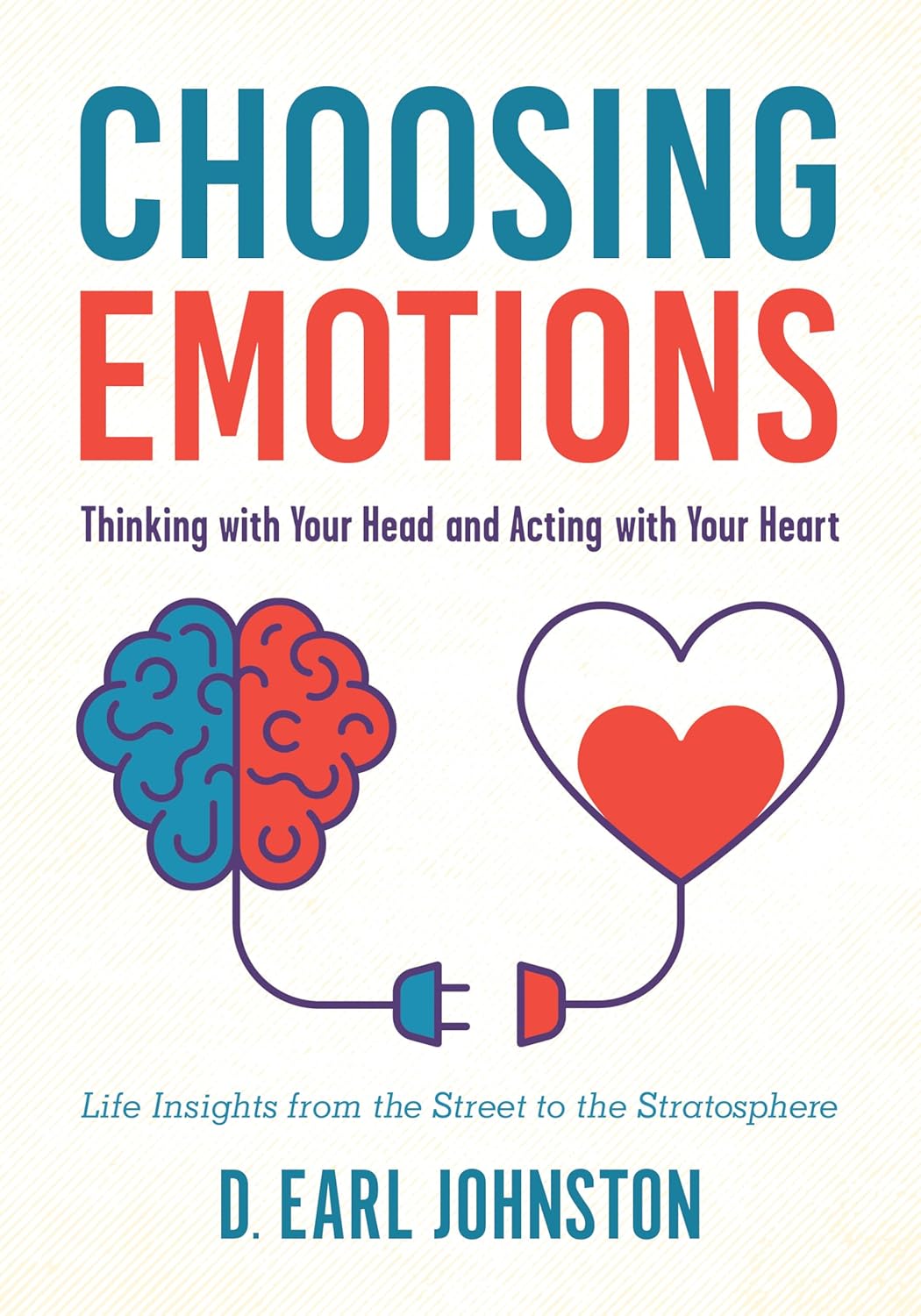
Choosing Emotions by D. Earl Johnston
Choosing Emotions: Thinking with Your Head and Acting with Your Heart by D. Earl Johnston, is a 378-page reference that sets out to define 272 emotional states with unusual clarity and range.
At first glance, the book feels like an entertaining compendium. You can open to any page and find a clean definition, familiar “street” phrases, and a rich set of quotations drawn from thinkers across centuries. Spend more time with it, and the deeper academic structure becomes clear. Johnston is building something closer to an “emotionary,” a hybrid of dictionary, cultural phrasebook and research briefing.
An Emotionary Built for Real Life
Each entry begins with a direct definition, then widens into the language people actually use. That move is part of the book’s charm. We speak about feelings constantly, yet many of our most common emotional expressions never appear in formal psychology references. Johnston treats idioms and everyday phrases as legitimate emotional markers, not linguistic clutter.
This is where the Shakespeare connection becomes especially fun. The book reminds readers that lines we still say without thinking, phrases like “wild goose chase,” “heart on your sleeve,” “good riddance,” and “brave new world,” entered English through Shakespeare. Johnston extends that legacy by showing how emotional language lives not only in clinics and textbooks, but also in conversation, theater and daily life.
Where Head Meets Heart
The subtitle promises a meeting of intellect and feeling, and the structure delivers it. Johnston builds each emotion with precision, then deepens it with lived resonance. Entries often run only a page or two, designed for quick orientation. You can read straight through, but the book works just as well when opened at random during a tense moment, an argument, or what one early reader called an “emotional emergency.”
For readers who enjoy both practical usefulness and depth, the appendices are where the book’s scholarly ambition really shows. Appendix C introduces a linguistic idea that frames emotion as an “adverbial driver” of behavior. Thoughts describe what we do. Emotions describe how we do it. Change the emotional adverb, and the action changes too. It is a simple concept, but it lands with force.
Johnston draws from an unusually wide contributor pool, ranging from ancient philosophers to modern neuroscientists, spiritual writers, artists and clinicians. The tone stays inclusive and broadly accessible, and the quotes create a sense of conversation across time. You may find Marcus Aurelius beside Rumi, or a modern therapist beside a playwright, all circling the same emotional terrain with different language.
A Reference That Entertains and Equips
What makes Choosing Emotions stand out is its blend of readability and seriousness. The book is easy to browse, yet it carries real intellectual weight underneath. Writers and speakers will find a gold mine of quotable language. Educators, counselors and coaches will appreciate the definitional clarity. Readers interested in psychology, spirituality or communication will discover a structured way to name what they feel with more precision.
Johnston’s guiding line is disarmingly direct: “Think with your head, and act with your heart.” That captures both the ambition and the achievement here. By restoring care and breadth to emotional definition, Choosing Emotions invites readers to become more articulate, more coherent and more intentional about the forces shaping daily life.
For anyone who has ever struggled to explain what they feel, or wished for better words in a hard moment, this “emotionary” offers something rare: a definitional foundation that is both useful and genuinely enjoyable to read.
About D. Earl Johnston:
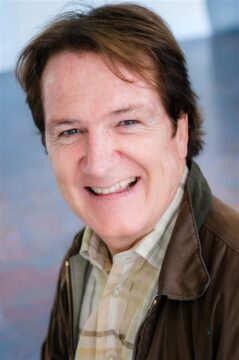 D. Earl Johnston is a former corporate executive and world champion sailor with deep interests in emotions and motivation. His colleagues and career mentors have included: the founder and CEO of the largest private company in Los Angeles, an Olympic gold medalist and 12-time world champion athlete from the Midwest, one of the first female vice presidents in Texas business history, a revered high school coach and languages teacher from Wisconsin, and a North Carolina executive twice voted the most admired bank CEO in America.
Choosing Emotions is his expanded second book on 272 emotional conditions as viewed by insightful professionals from all walks of life. The book includes three times as many emotions, as supported by more than ten times as many expert quotes, as any comparable reference work. While researching the book he served as a volunteer speaker to dozens of high school Advanced Placement classes across Southern California, and was voted Speaker of the Year among over 1000 speakers.