“Guess what month March is?”
“Nope, that’s not it.”
“Still missing the point.”
“Women’s History Month?”
“Wow! Finally!”
“Okay, cool. But what does it mean? When did it begin, and what’s it got to do with historical fiction and publishing?”
Well, here’s the deal. In the United States, Women’s History Month started as a grassroots effort to address a problem: women’s contributions were often missing from textbooks and public discourse.
What began in 1978 as a grassroots week in California became a federally recognized month in 1987 — a testament to how advocacy reshapes national memory. The idea spread as educators and advocates supported it in schools and communities nationwide.
In 1980, President Jimmy Carter issued the first presidential proclamation recognizing National Women’s History Week. By 1987, after sustained advocacy by the National Women’s History Project, Congress officially declared March Women’s History Month.
In the late 1990s, I worked for a nonprofit that supported women business owners and advocated for equitable government contracting. Advocacy for women’s visibility—including support for the Women’s History Museum in D.C.—was part of my daily work.
A World Economic Forum analysis highlights that women’s share of published books grew from around 20% in the 1970s to over 50% by 2023, with women surpassing men in annual book publication by 2020. This shift reflects not only market trends but also decades of cultural advocacy advocating for women’s stories to be told—and sold.
Major publishers have created campaigns for Women’s History Month. Book influencers, online outlets, and retailers create “Best of” and Women’s History Month recommendation lists, while libraries and literary organizations curate educational resources such as NYPL’s March book list.
In short, Women’s History Month not only celebrates women’s achievements but can also influence content on social media platforms, magazine and newspaper book sections, etc.
And that’s where historical fiction enters the conversation. When textbooks left women out, fiction stepped in—filling gaps, restoring voices, imagining interior lives that history failed to record.
Now that we know how Women’s History Month came to be, let’s talk about how we can honor it—through reading
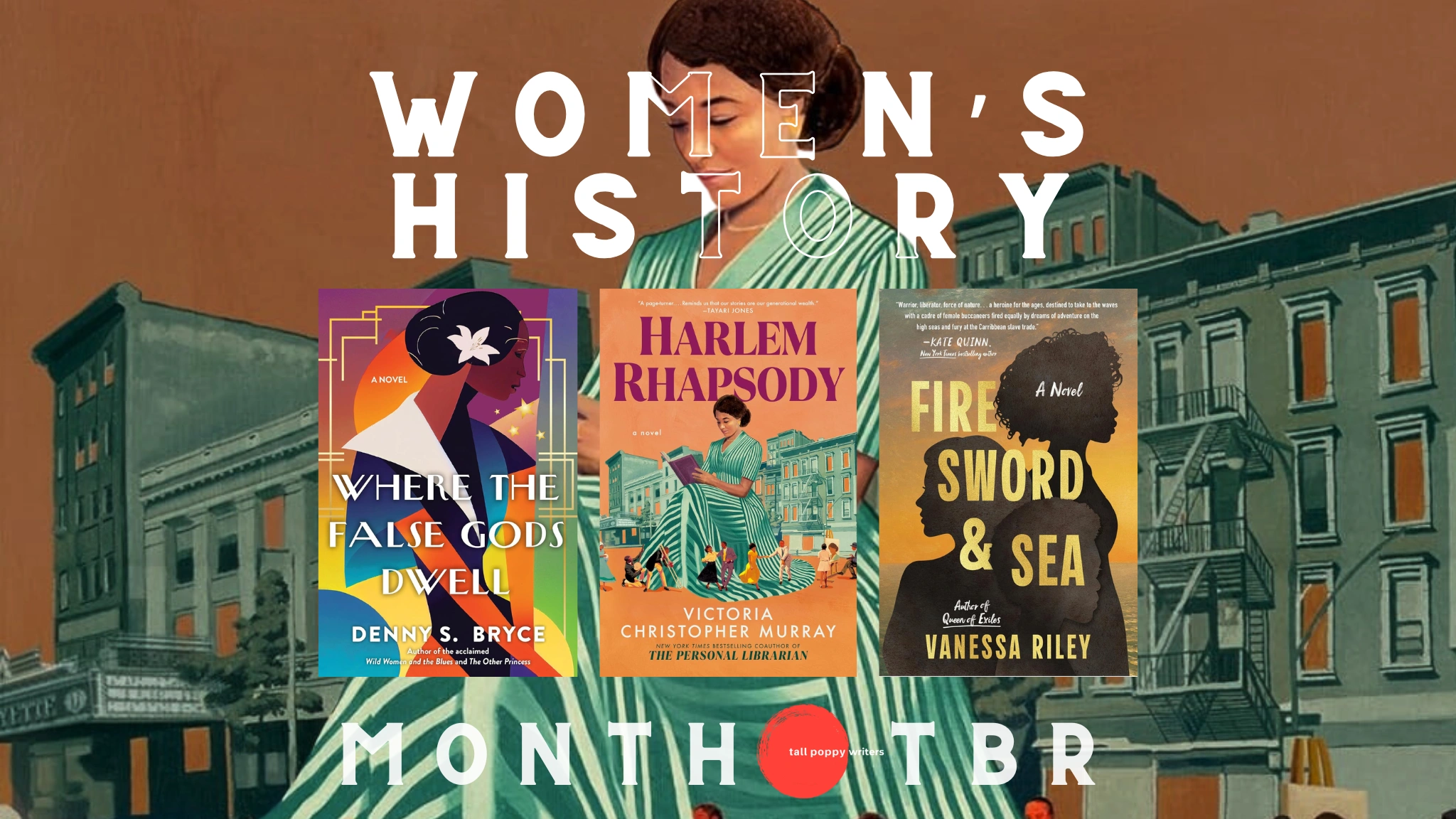
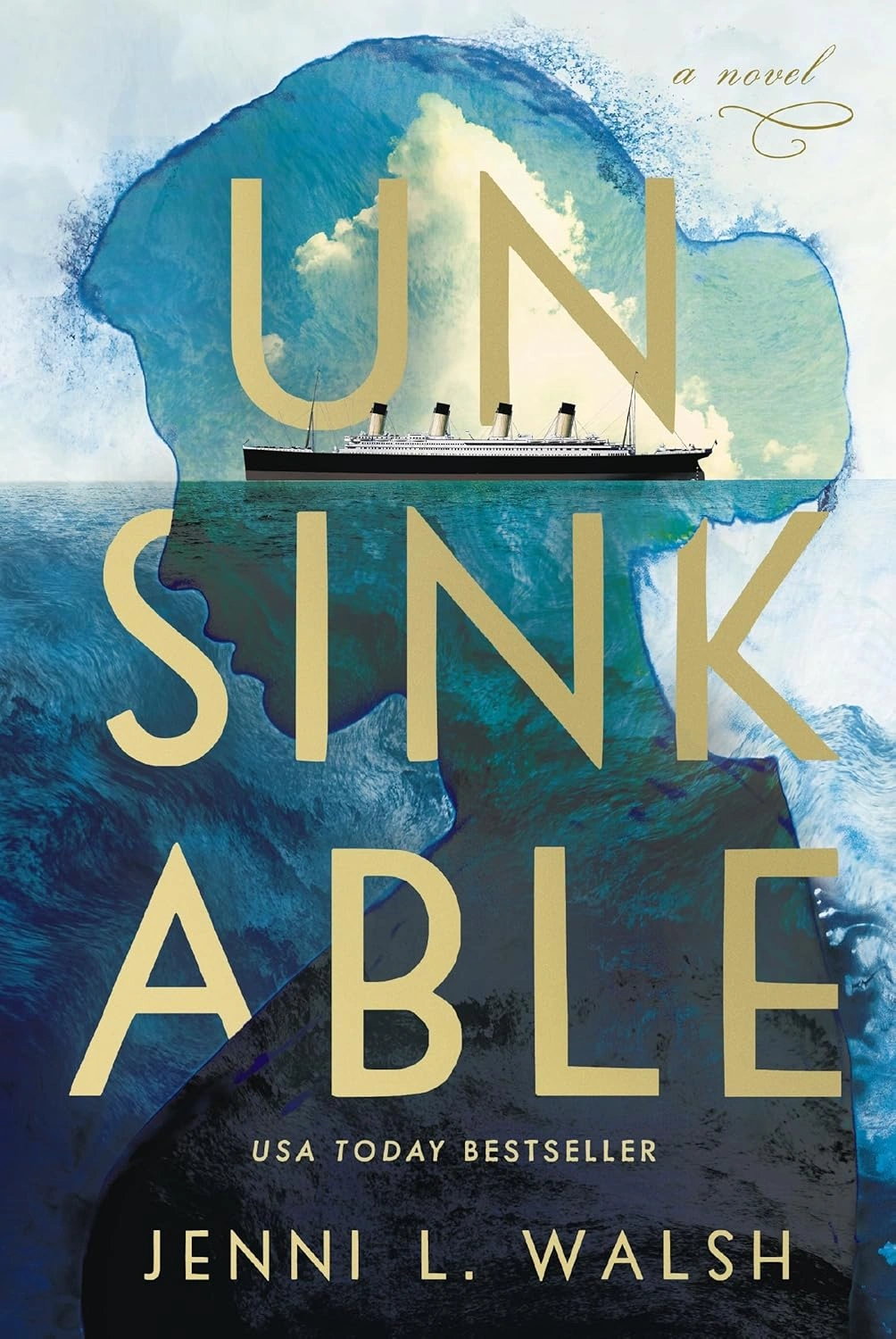
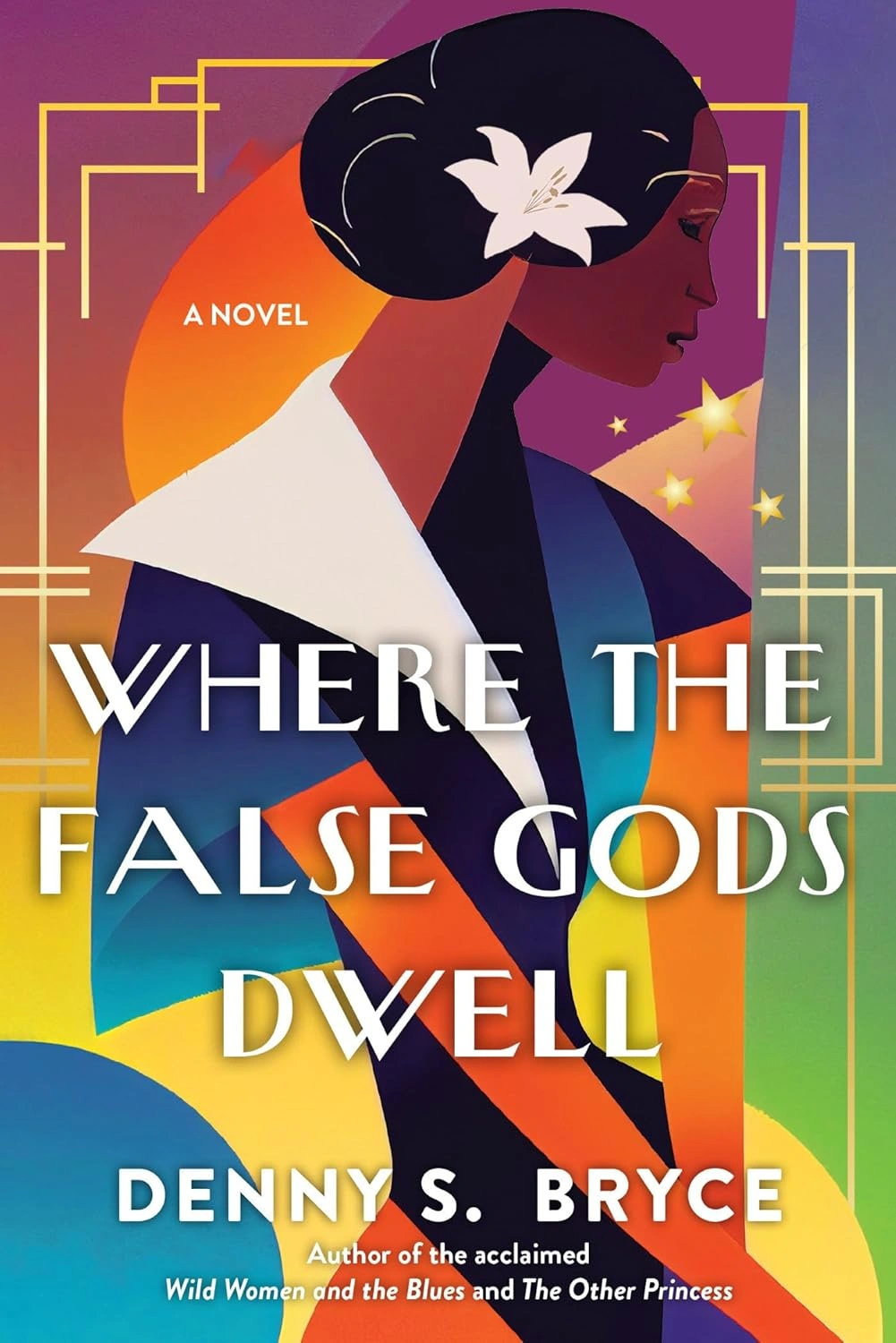
I’m excited to share some titles from my recommendation list for Women’s History Month 2026. Not all of these are new releases, and I’m not saying you have to read them all this month—just add them to your TBR and share your thoughts on the ones you’ve already read! This month should be celebrated with books, books, and more books!
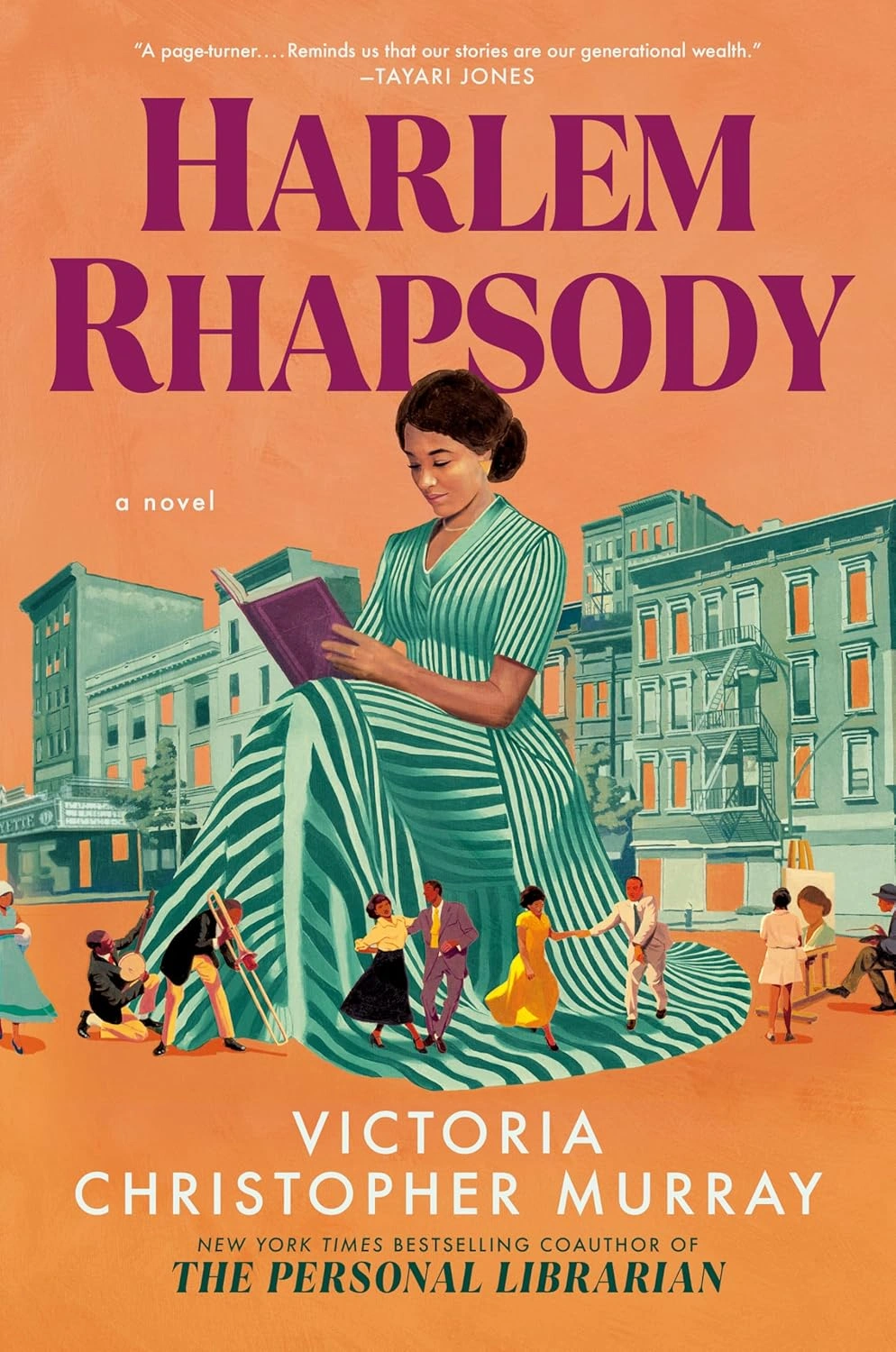
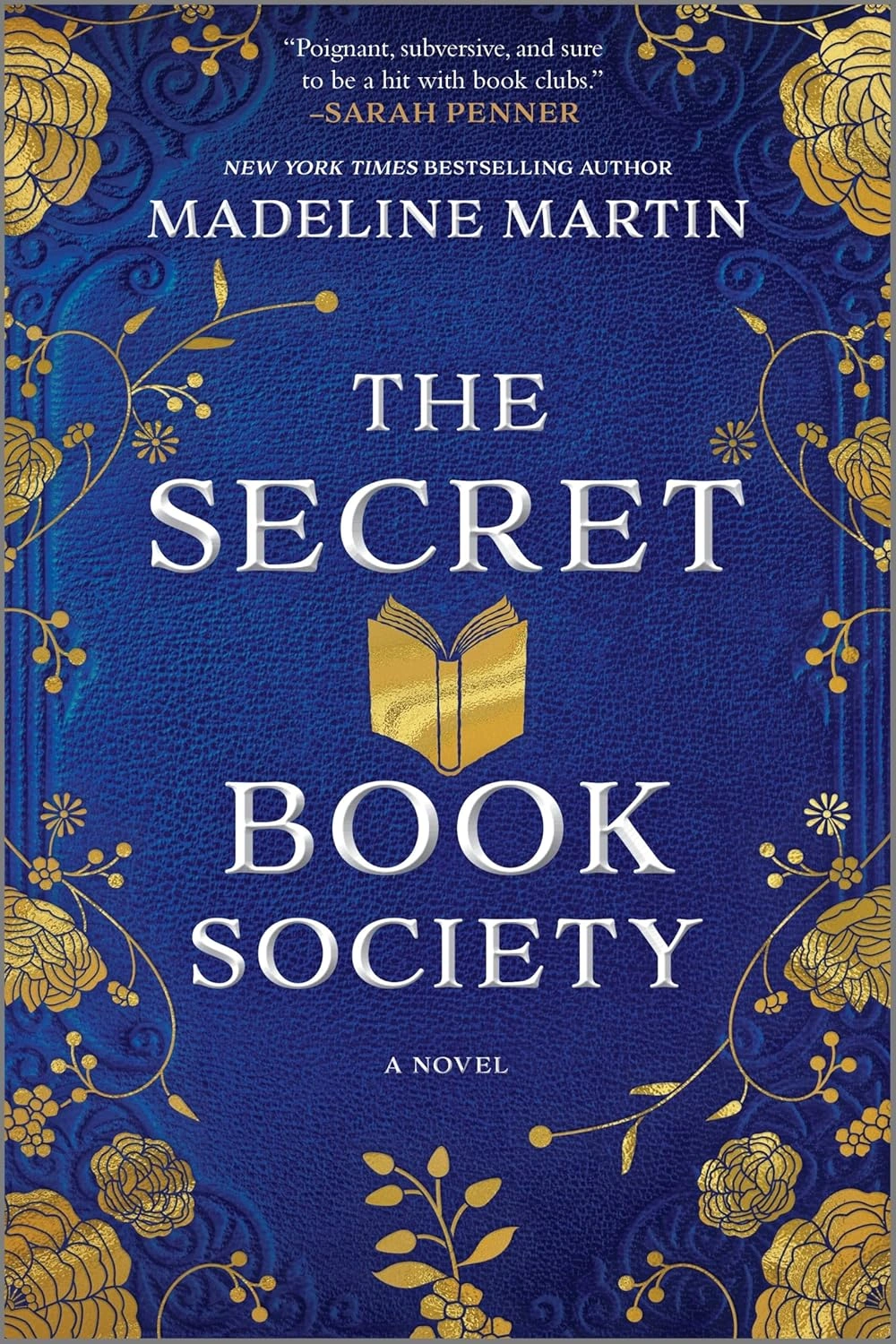
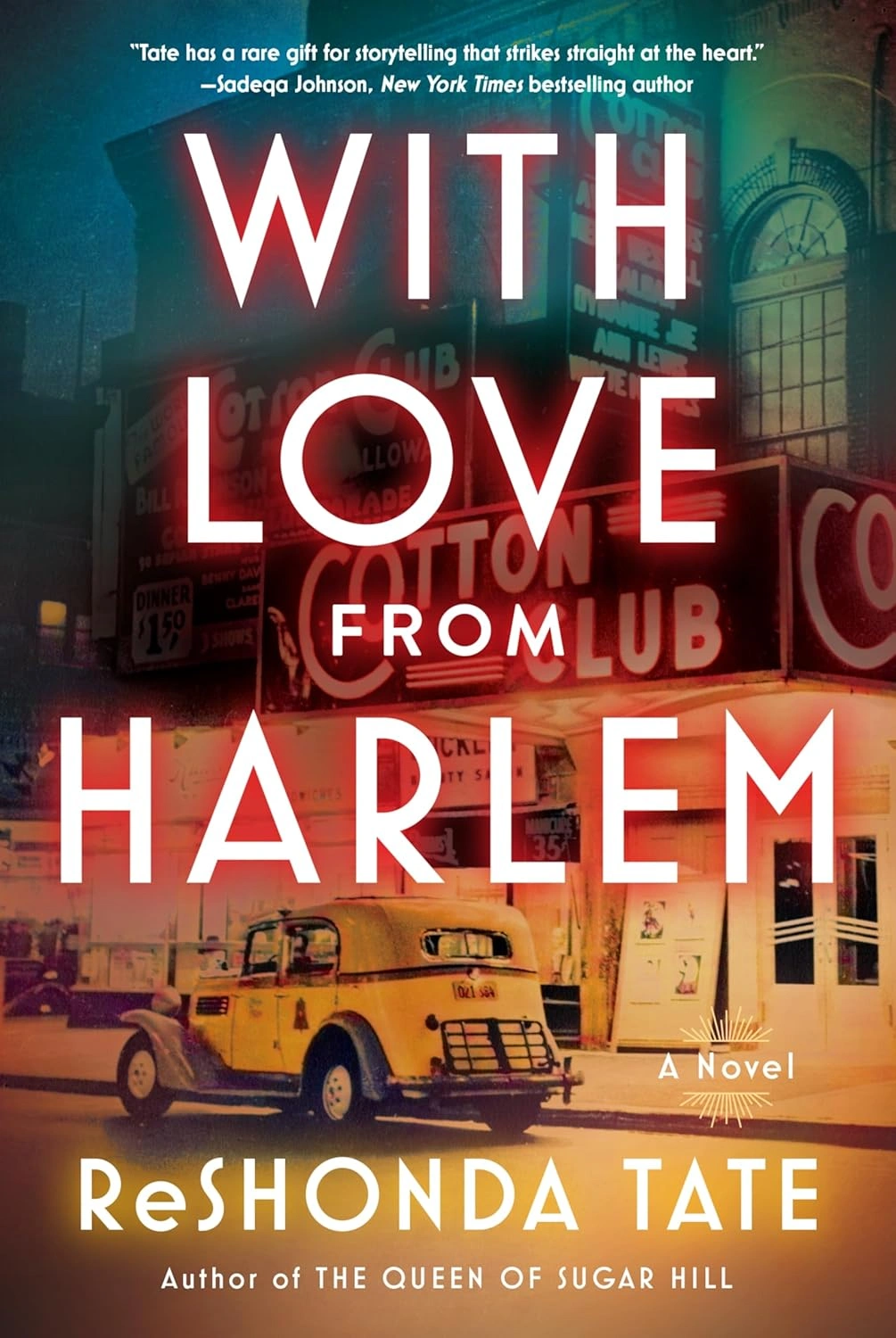
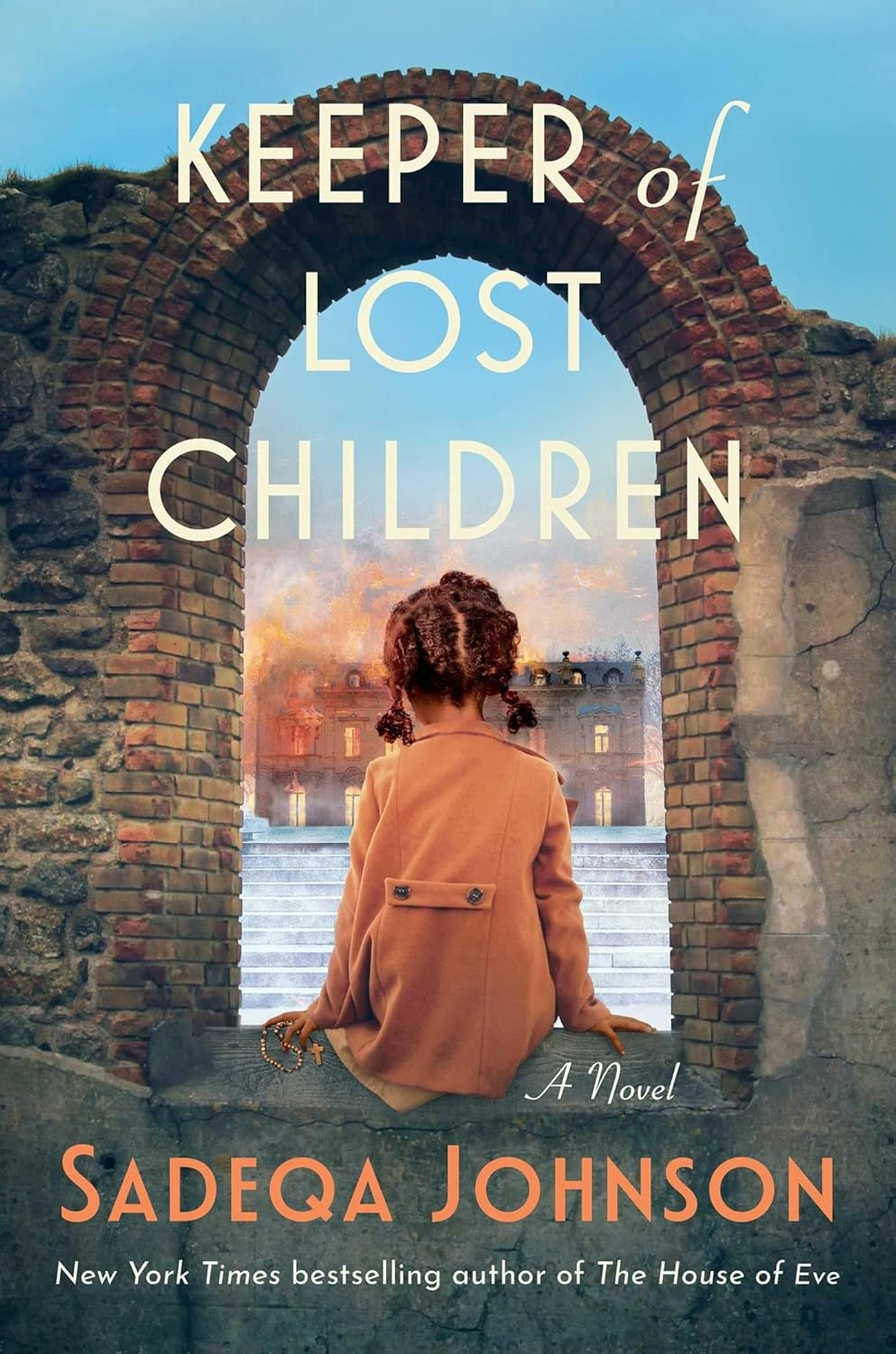
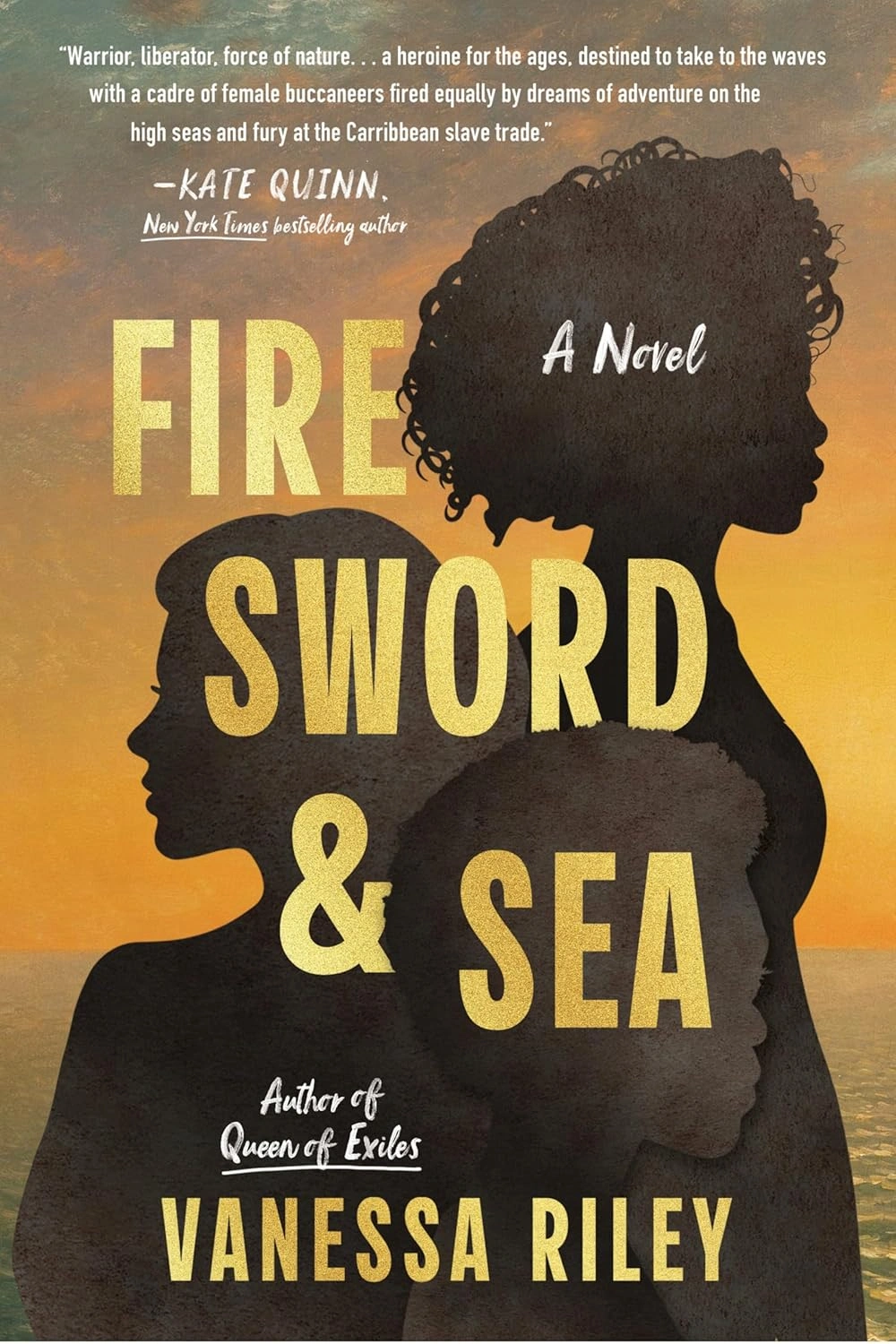
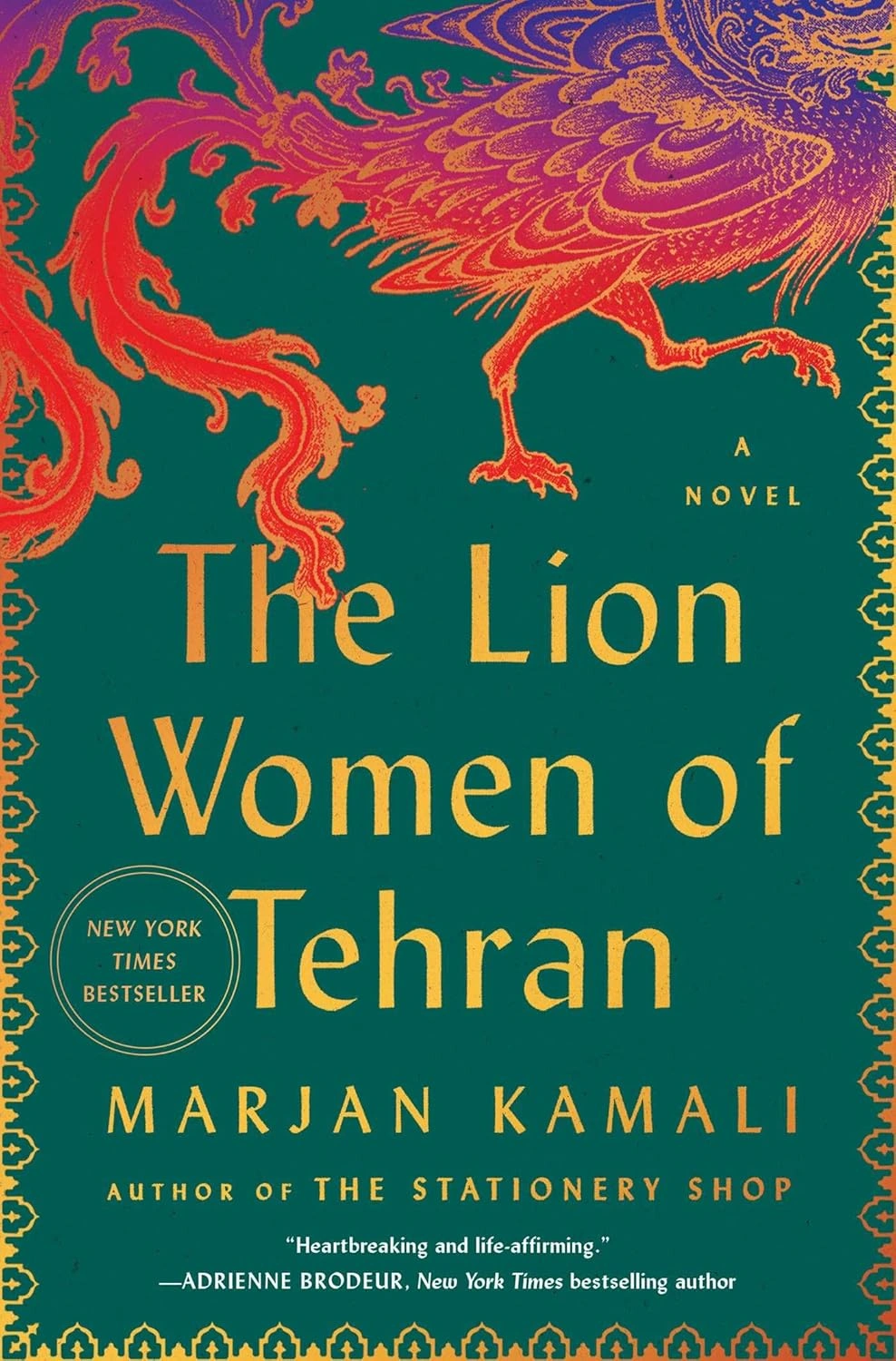
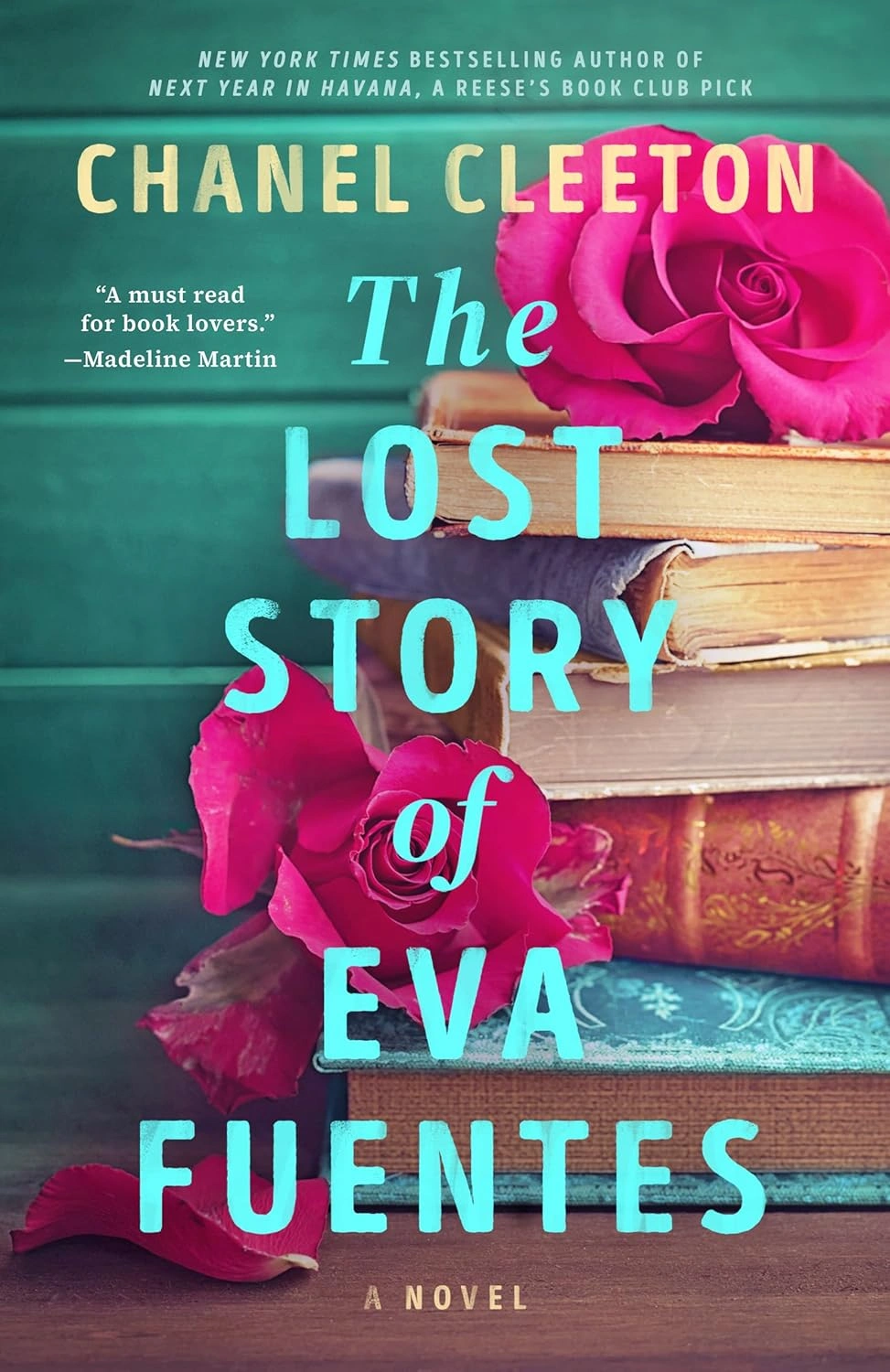
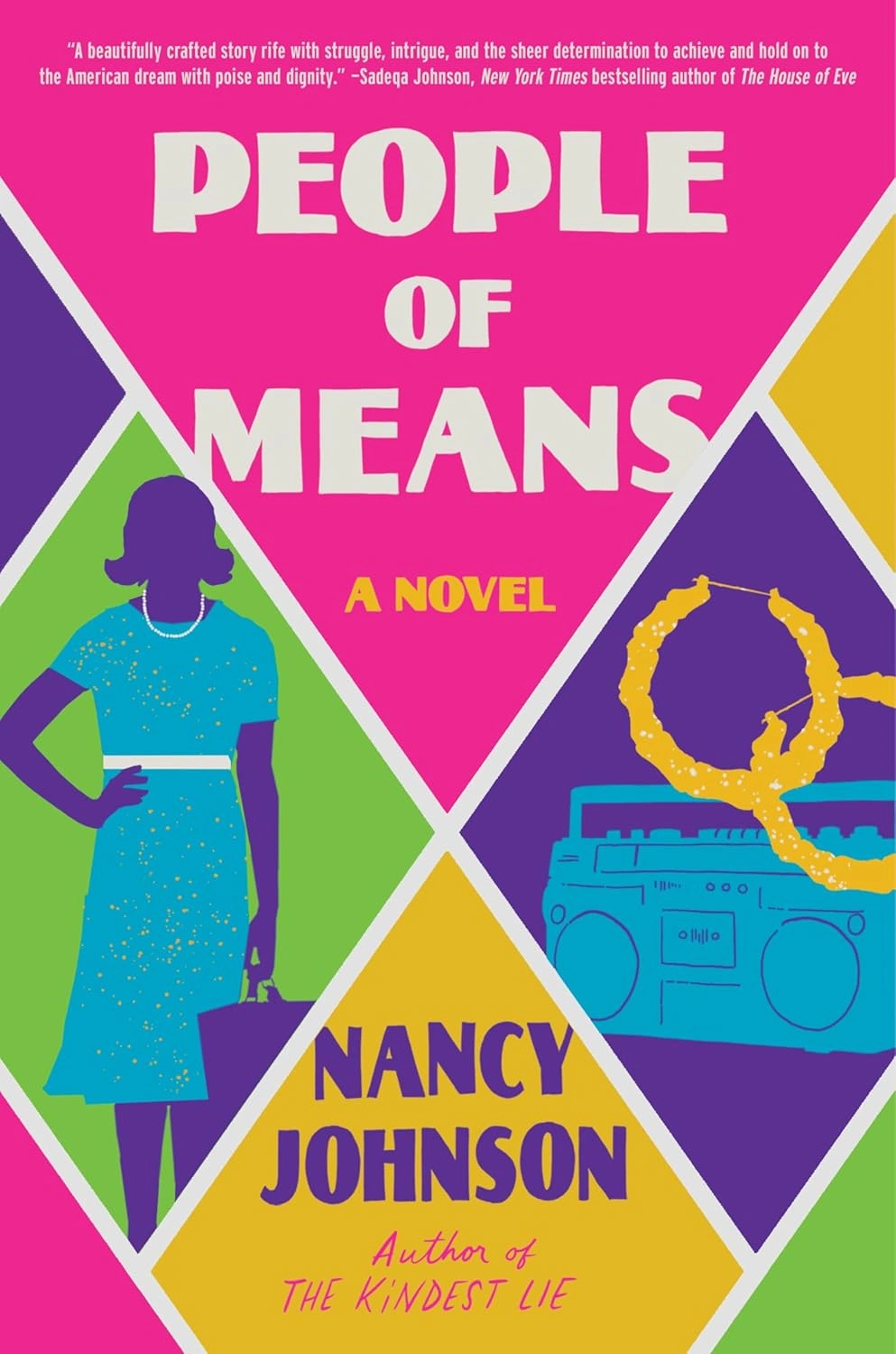
And as always, read—diversely, enthusiastically and with a commitment to honoring women’s history.
Where the False Gods Dwell is available now wherever books are sold.