When I set out to write Wayward Girls, I was pulled into the Vietnam era. My childhood memories centered around the nightly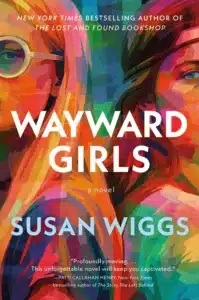 news with Walter Cronkite. I wasn’t really focused on the texture of daily life during that seismic decade: the music, the grief, the quality of American restlessness and the way ordinary people were affected by the news of the day. My research took me down that path, and Wayward Girls took some unexpected turns. We meet a group of girls confined to a reform school in Buffalo, cut off from the world yet shaped by it in ways they couldn’t fully see. In addition to scouring history, I dove into books I’d long meant to read and some I’d never heard of. The books were as layered and contradictory as the era itself. They’re complicated and impossible to set aside. The books below stayed with me. They paint a portrait of a decade that remade the world. If you’ve ever wondered what it actually felt like to live through that era, start here.
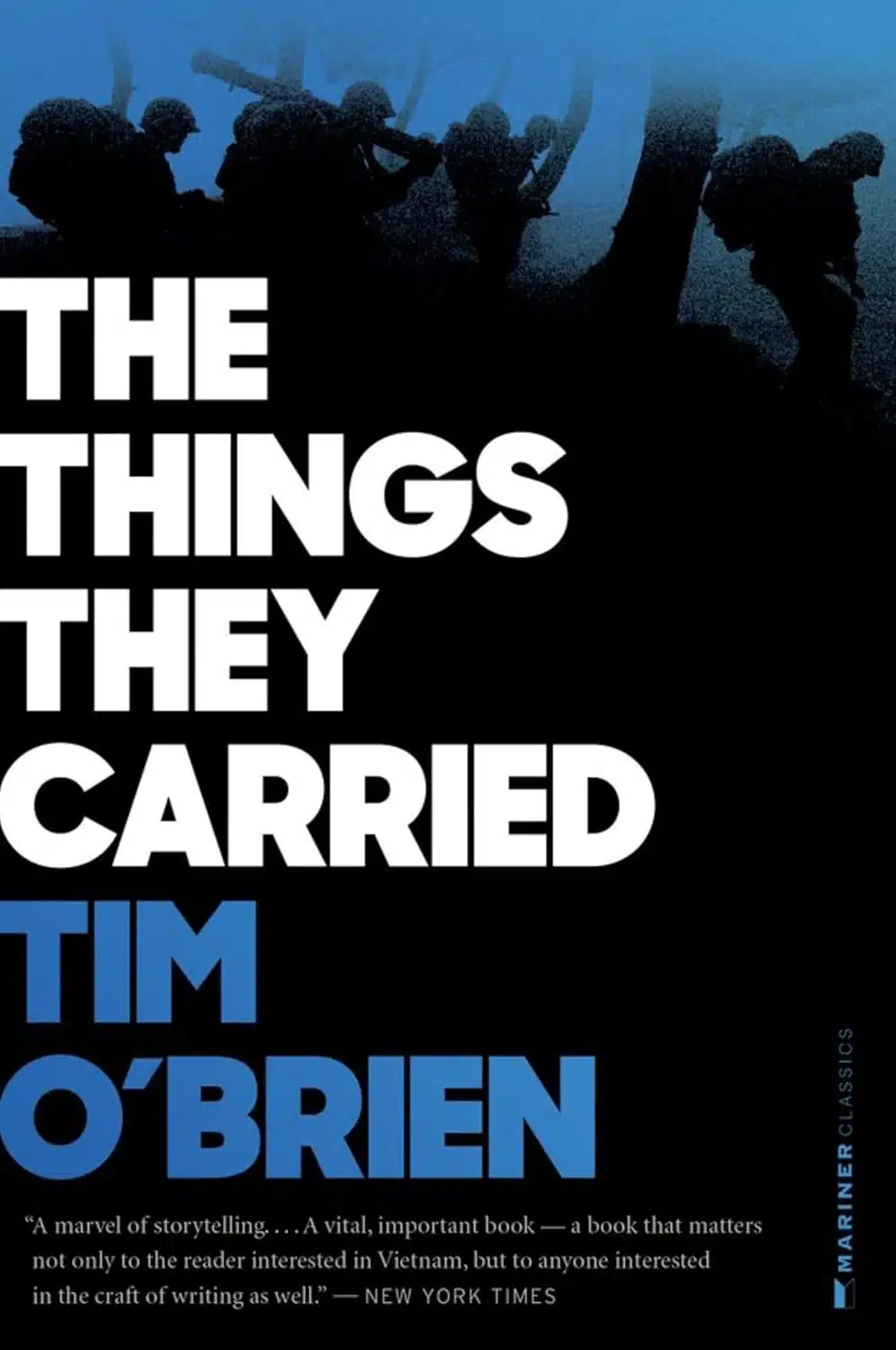
The Things They Carried by Tim O’Brien
No list of Vietnam literature is complete without O’Brien’s seminal work, regarded as a classic. Part memoir, part fiction, these linked short stories explore the physical and emotional burdens carried by the men of a platoon of soldiers. O’Brien masterfully illustrates that the heaviest things these soldiers lugged through the jungle weren’t just M-16s and C-rations, but the weight of memory, guilt and the terrifying need to be brave when they felt anything but. Decades after it was first published, this book is still studied and admired by readers and scholars.
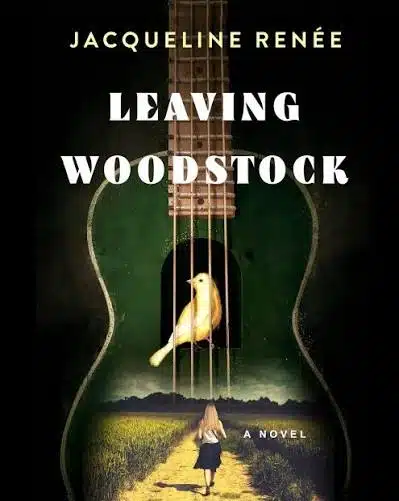
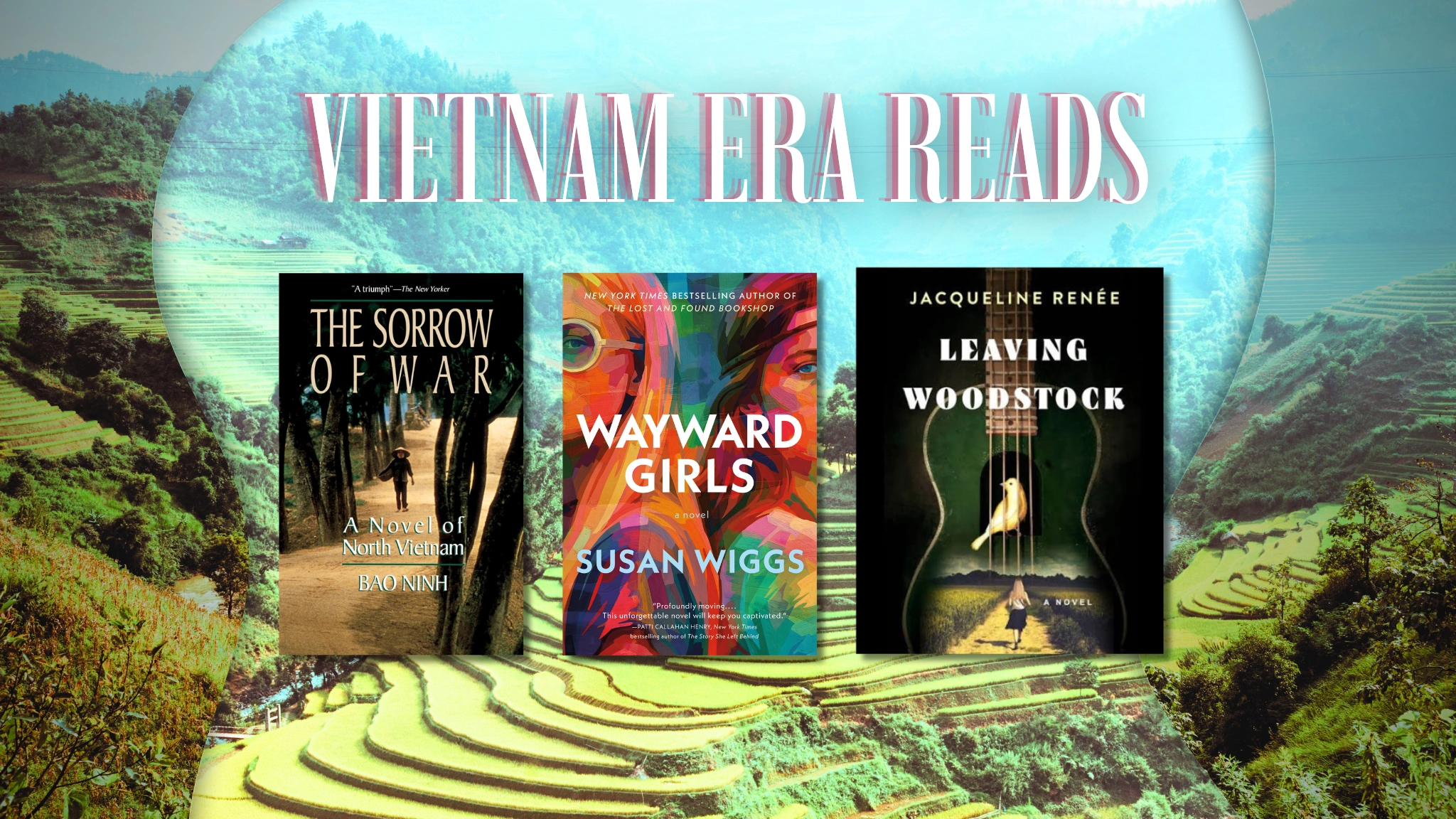
Leaving Woodstock by Jacqueline Renee
This novel will be published later this year by Kensington Books, but I wanted to tell readers about it in advance because it’s just so good. In this heart-wrenching journey through the mud and the music of 1969, Jacqueline Renee captures the poignant moment when the innocence of a girl meets the upheaval of a nation. The main character, Emma Joy Ryder, is a heroine, a wayward girl, a woman like us — brave, bruised and breathtakingly real. I loved it.
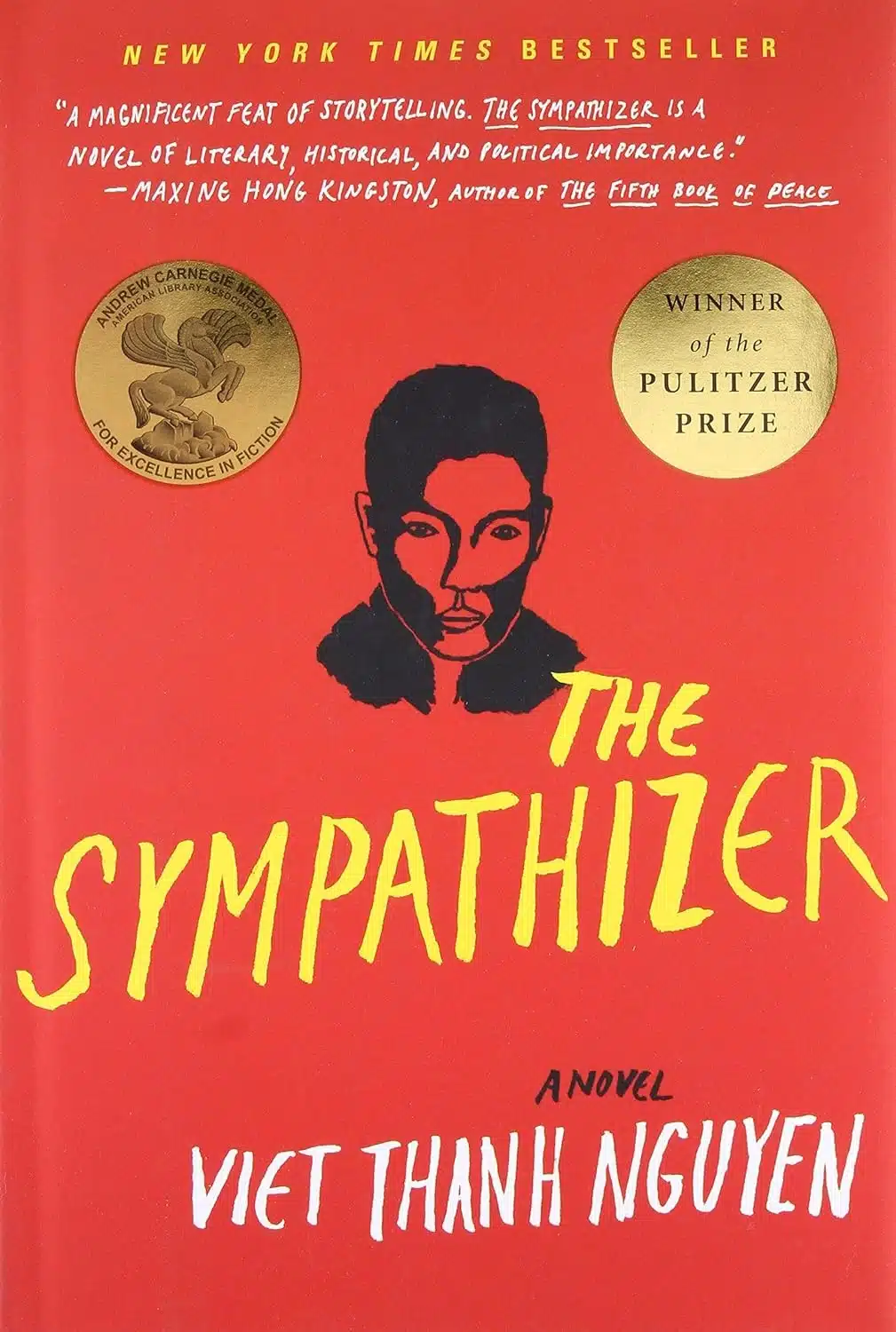
The Sympathizer by Viet Thanh Nguyen
This was a tough but rewarding read that challenged my Western-centric view of the conflict. The narrator is a man of divided loyalties, a half-French, half-Vietnamese army captain who is also a communist sleeper agent. As he flees to Los Angeles after the Fall of Saigon, the book becomes a brilliant, biting exploration of identity, colonization and the mind tricks required to survive the past and move to the future. The book won a Pulitzer Prize and was adapted into a streaming series.
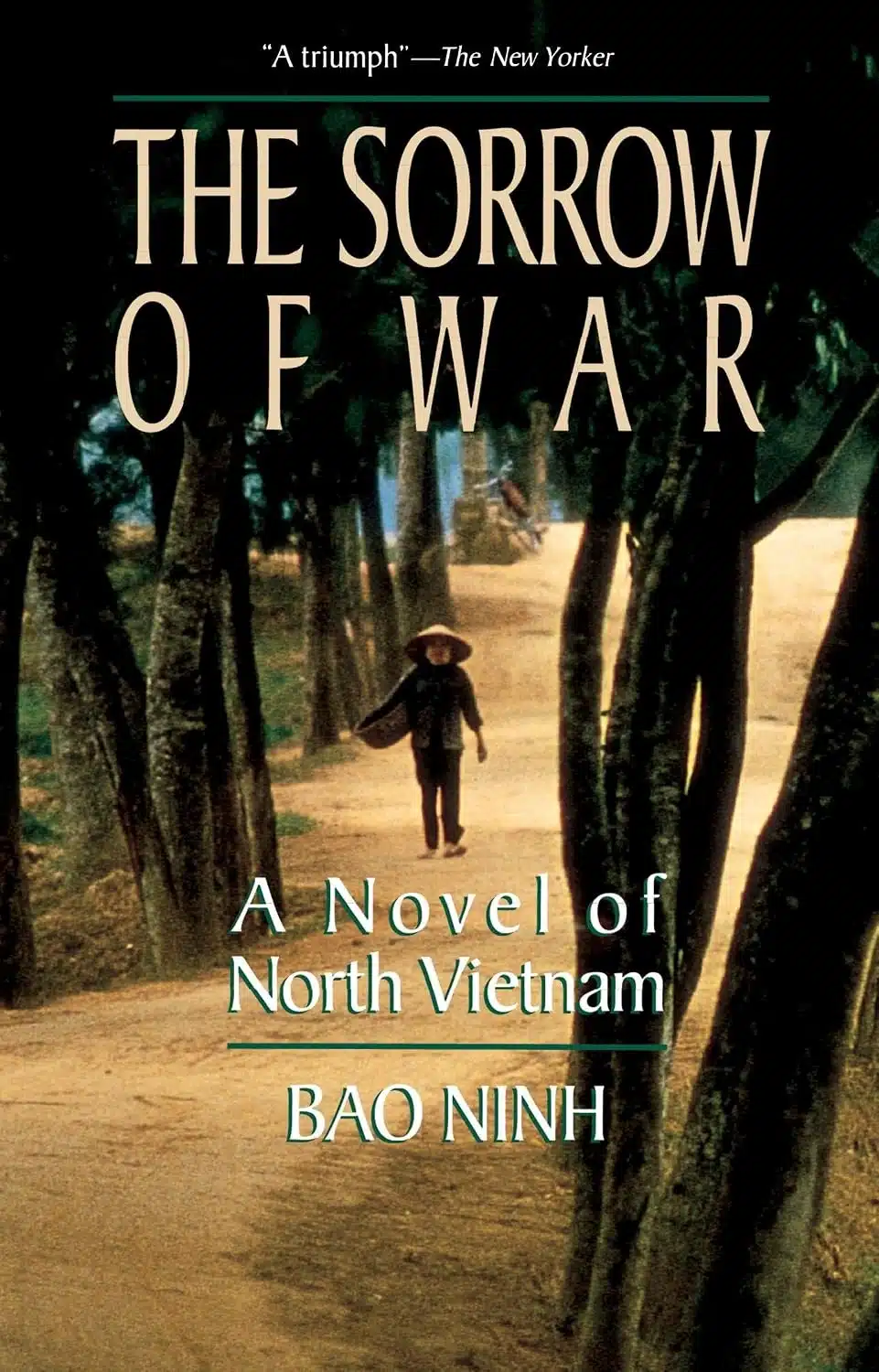
The Sorrow of War by Bao Ninh
Originally published against the wishes of the Vietnamese government, this novel would be a good companion read with The Things They Carried. This one is a raw, non-linear account of the war from the perspective of a North Vietnamese soldier. After surviving the Glorious 27th Youth Brigade, the main character wanders through his memories of lost love and the gruesome reality of the conflict from a different perspective. It’s a haunting reminder that the trauma of the era was a universal weight, shared by enemy and ally alike.
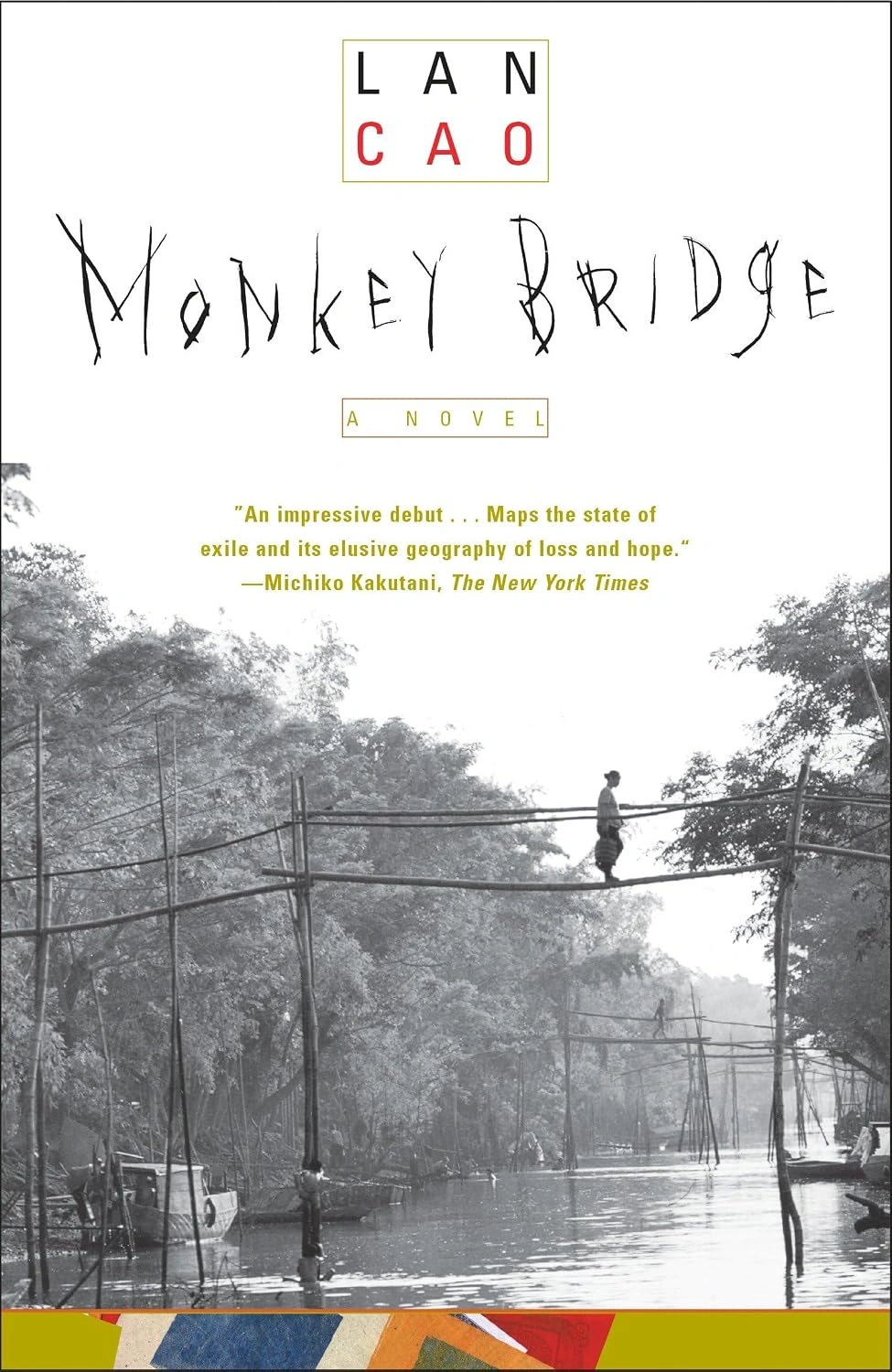
Monkey Bridge by Lan Cao
This novel, by a Vietnamese American attorney and professor, explores the immigrant experience through the eyes of Mai, a young Vietnamese girl, and her mother as they struggle to adapt to life in Virginia after 1975. It is a beautiful, lyrical look at the bridge between the old world and the new, detailing how the secrets of the war follow families across oceans and continue to shape the lives of the next generation.
These books motivated me to learn more about the Vietnam Era. It was more than a series of battles. It created a fundamental shift in the American soul. I could see this in my mom and her friends, gathered in our living room to write postcards of protest and design placards. It’s a chapter of American history that merits a closer look. Whether through the eyes of a soldier, a nurse or a young woman fighting for her future in a reform school, books like these ensure that the voices of those who lived through the fracture are never silenced.