
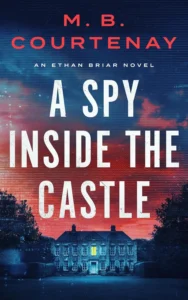
When I was writing A Spy Inside the Castle, I kept thinking about the hidden hands that shape history — the quiet decisions made in secure rooms that steer nations toward peace or disaster. Most of us never see that world, but we live in its consequences every day. The intelligence community has always been the unseen force behind the scenes — sometimes preserving order, sometimes creating chaos.
My novel lives in that shadow world — a place where truth is managed, not found. To understand how it really works, I turned to three books that look behind the curtain at the people and institutions who have shaped global power in the modern era. Each one helped me see how fragile “world order” really is — and how much depends on those we’ll never meet.

The Mission by Tim Weiner
Weiner tells the real story of the CIA — its triumphs, its blunders, and its lasting influence on how America sees itself. From the Cold War to the war on terror, he shows that intelligence work is never clean or certain. Reading The Mission reminded me that behind every great event — from the Bay of Pigs to the fall of Kabul — there are people making impossible choices in the dark. His book captures that tension between idealism and consequence that I wanted to bring into A Spy Inside the Castle.
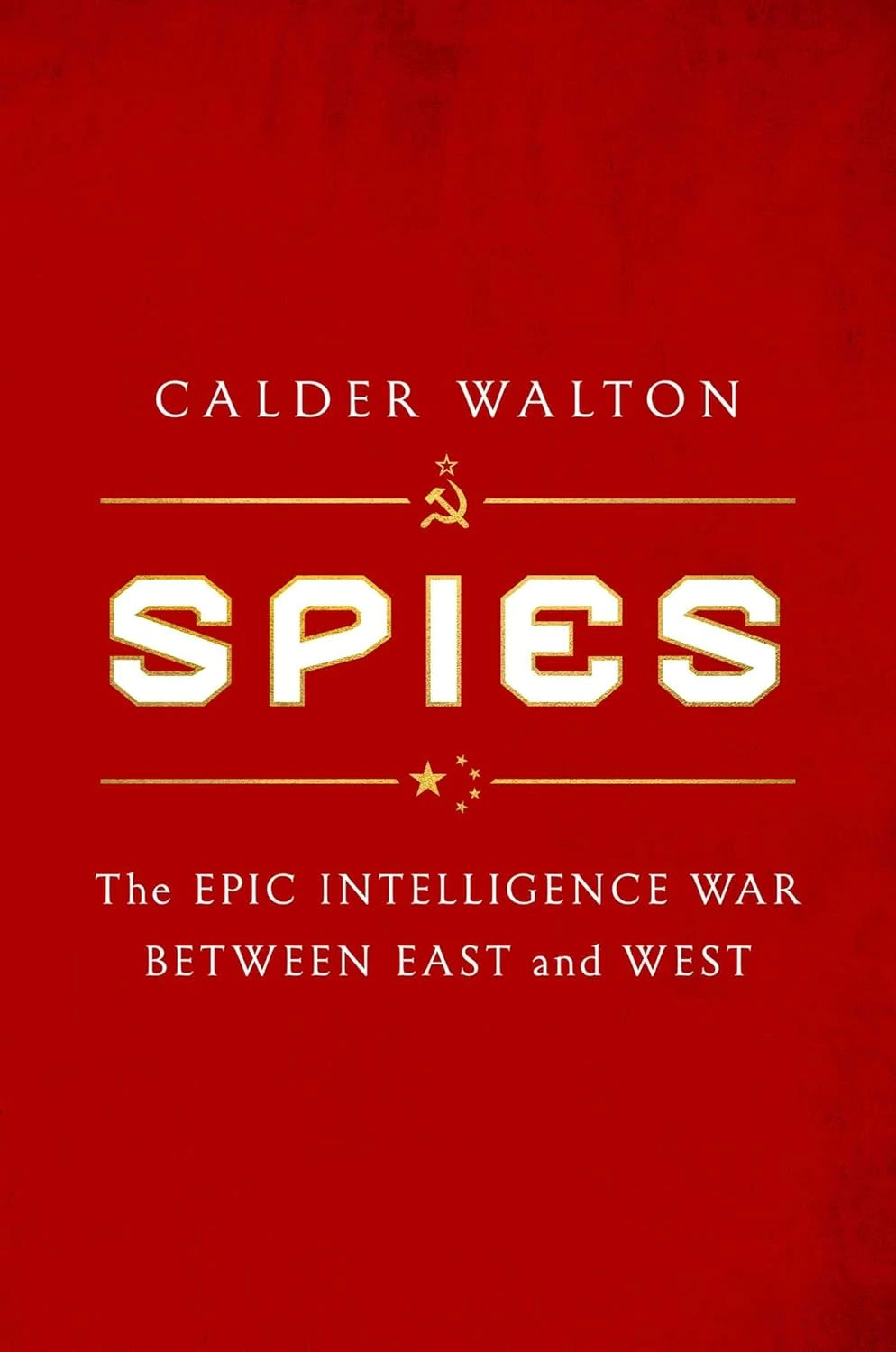
Spies: The Epic Intelligence War Between East and West by Calder Walton
Walton traces a century-long struggle between East and West — a battle fought not on open fields, but in whispers, codes, and surveillance. He shows how the Cold War never truly ended; it just moved online. Spies explains how secrets became the currency of global power. When I read it, I realized that the labyrinth I was writing about in my novel wasn’t fiction at all — it’s the hidden system that still decides what the public gets to know.
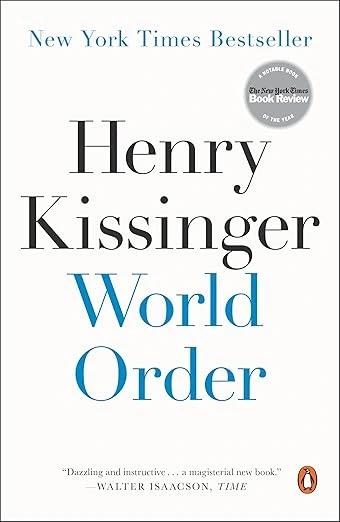
World Order by Henry Kissinger
Kissinger’s World Order looks at how nations try to create stability in an unstable world. He argues that peace is never permanent — it’s managed through constant negotiation, pressure, and compromise. That idea runs through my book: even advanced technology and perfect intelligence can’t eliminate chaos. Power can predict, influence, and contain — but it can’t control. Kissinger reminds us that order is always temporary, and someone, somewhere, is deciding what balance looks like.
The World We Can’t See
These books helped me see the world as it really is — a series of quiet confrontations between those who know and those who don’t. We may never learn the full truth about what happens in the hidden corridors of power, but we can sense their presence. The labyrinth is real. The architects are real. And their choices continue to shape our lives in ways most of us will never see.