
Some stories don’t need the end of the world to feel urgent. They make their case in classrooms and courtrooms, across kitchen tables and from behind pulpits. These are the novels that cut into the muscle of culture and belief, stories that sit at the crossroads of morality and personal truth without hiding behind dystopia or science fiction. They prove that the most destabilizing upheavals often happen close to home, not in an imagined wasteland, but in neighborhoods and congregations where the rules are changing faster than anyone is prepared to admit.
The following novels are for readers who crave narratives that are unafraid to confront the shifting landscape of faith, identity and power. These books don’t offer easy answers, but they will make you look twice at the forces that shape us — and the people who refuse to stay quiet.
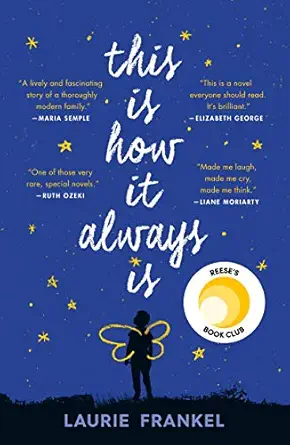
This Is How It Always Is by Laurie Frankel
Frankel’s novel tackles the turbulence of raising a transgender child in a world that’s still learning how to respond. Instead of leaning on plot shocks, it anchors itself in love, trial, error and the questioning glances of the communities we’re conditioned to depend on. The novel beautifully mirrors the quiet rebellion against social structures that aren’t built to accommodate lived reality, showing what happens when a family refuses to hibernate in secrecy or shame.
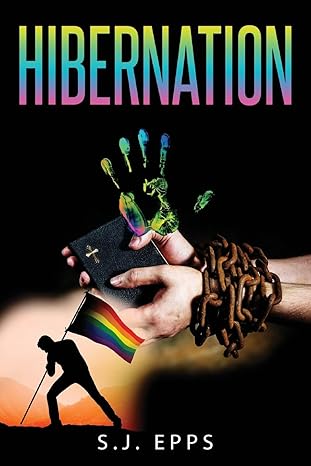
Hibernation by S.J. Epps
Epps imagines an America turning itself inside out after the legalization of same-sex marriage, where pastors and preachers find themselves at war with a new cultural order. As the LGBTQ community rises from metaphorical slumber, the novel zeroes in on the collision of faith, freedom and the fear of being replaced. It’s not dystopian drama, but a visceral clash between past and future, built from the same tension many readers will recognize in real life.
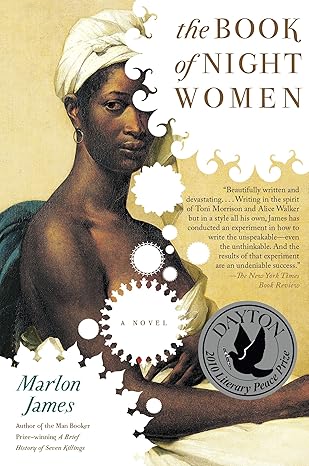
The Book of Night Women by Marlon James
Set in the brutal backdrop of 18th-century Jamaica, James crafts a narrative about enslaved women who refuse to accept the roles forced upon them and quietly plan a rebellion under the cover of night. This is a story rooted in resistance against an oppressive system justified by faith and fear. It probes who gets to define morality, and what happens when the people oppressed by that morality decide it’s time to fight back.
Small Great Things by Jodi Picoult
Picoult dissects prejudice from several angles by placing a Black labor and delivery nurse at the center of a courtroom clash after she’s barred from caring for a white supremacist couple’s newborn. Once tragedy strikes, everyone’s convictions collapse into a moral battleground. It’s a tense novel about the fragility of belief systems and the devastating chain reactions born out of unacceptable rules in supposedly just institutions.
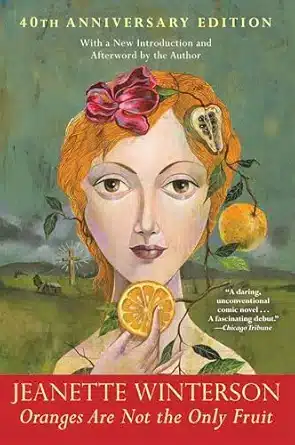
Oranges Are Not the Only Fruit by Jeanette Winterson
Winterson channels her own coming-of-age within a Pentecostal community that refuses her emerging lesbian identity. The novel is equal parts personal and political, a testament to the clash between dogma and lived truth. It’s a slim book that hits sharply, exposing the dissonance between sermons on unconditional love and the reality of conditional acceptance.