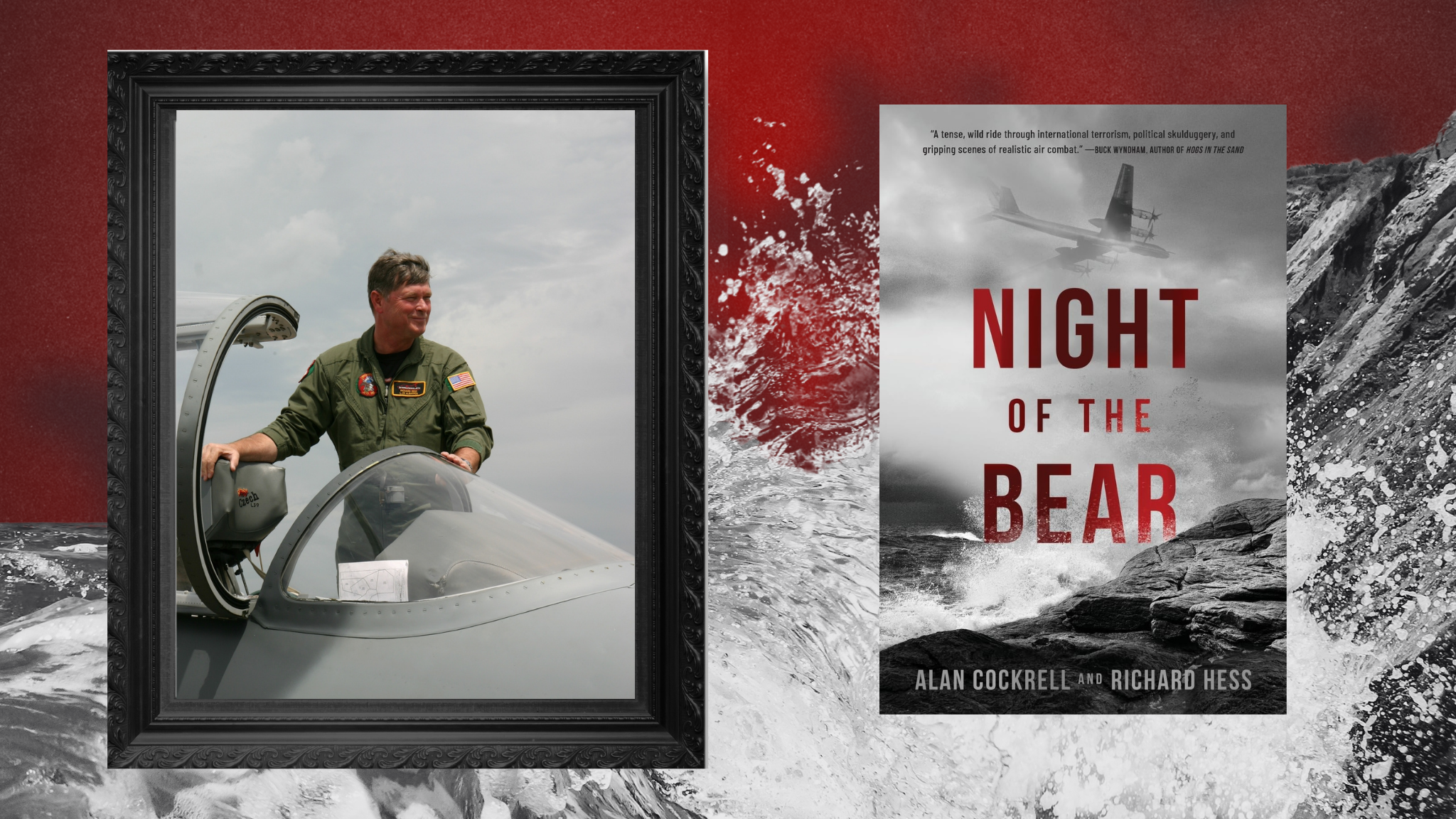
Inspired by real-world vulnerabilities and shaped by the authors’ extensive military and aviation experience, the novel explores how belief, whether in God, country, or ideology, can be both a source of strength and a weapon of manipulation.
In this Q&A, co-authors Richard Hess and Alan Cockrell discuss the creation of their unforgettable antagonist, the real-life events that sparked their plot, and the high moral stakes woven through their narrative.
Bobby Chatman is a strikingly original character—a magnetic televangelist who is secretly a Russian asset. What led you to explore the overlap between religion, politics, and espionage in creating him?
The reality of TV preachers personally flying their own business jets (yes, they are out there) is the perfect starting point to build a character as compelling as Chatman. But he comes at a price. As Christians, we walked a precariously thin line between storytelling and heresy. He is so captivating you can imagine he really does hold to the Christian Faith while plotting the deaths of thousands of innocent human beings. Chatman’s Machiavellian cunning, talents and persuasiveness encompass all the traits we needed to allow him to ingeniously orchestrate an operation bordering on the impossible.
The novel grapples with themes of disinformation, manipulation, and the fragility of truth in a hyper-mediated world. How do these ideas reflect the current cultural or political moment?
These ideas dovetail superbly with the current distrust of government and institutions. People, hungry for truth that they perceive is not forthcoming, flock to the podcasters, bloggers and influencers who feed them non-stop real-time “news,” while seldom demanding and critically examining sources.
Faith, both religious and ideological, plays a major role in this story. How did you approach the theme of belief—whether in God, country, or cause—and its potential for both inspiration and manipulation?
We approached it with prayer, as did our fictional President Andrew Phillips. Faith plays a major role in every aspect of our lives. Even atheism is a form of faith. Phillips structures not only his life but his administration around his faith in God—blindly it seems to many of his advisors who regard him as naive. Yet upon finishing Night of the Bear, the reader might ask, “What good did it do him?” Phillips prayed fervently that God would deliver his people and his country from destruction. The answer to that prayer is subtly embedded in an early chapter in a scene in Moscow. Readers who took notice will decide for themselves if that event was meant to be coincidental or Providential.
The novel features multiple points of view, including military, political, and intelligence perspectives. How did you manage these diverse voices, and what did each bring to the narrative?
The military voices were easy. Combined, the authors have over 50 years in uniform; we were practically born in the cockpit. Some quality movies involving historical intelligence and intrigue played a role in our governmental character development. But the biggest challenge was the Russian psyche. Basically, we cast off all the briefings we’ve had over the years about how different Russian military people are from us and reached for the similarities. A fighter pilot is a fighter pilot. We tuned those voices for acceptance and even empathy. Some readers will find themselves bonding with the Russian characters, which generates a measure of conflict between the desire to see the “good guys” prevail while appreciating the humanity of the foe. A bonus is that Richard Hess’ son was once married to a Russian and Richard has also run an aviation business that has dealt with Russian and Eastern Block companies for the last 16 years. He knows them well.
Much of the plot centers around exploiting overlooked weaknesses in American defense systems. Was there a particular real-world event or vulnerability that sparked this aspect of the story?
Our backgrounds as both military and commercial airline pilots have given us a unique perspective on the vulnerability of American airspace. There is no freer airspace system on the planet, but it comes with a risk. Night of the Bear reveals that vulnerability. Most people are familiar with the major events of 9/11, but few know of the “deer-in-the-headlights” confusion and chaos that pervaded the haunts of our administrators and commanders. The same thing happens when Chatman’s LUCIFER/INBLUE plan for a new world order is unleashed.
Ultimately, Night of the Bear asks big questions about identity, allegiance, and truth. What lasting thoughts or conversations do you hope this story sparks for your readers?
We didn’t set out to ask the “big questions.” We wanted to entertain while educating. But the story generated undertones of faith/sacrifice/courage/fear/self-interest and narcissism. We hope readers will evaluate their own standing in matters of moral courage and the potentially heavy price they may have to pay for it.
About the Authors:
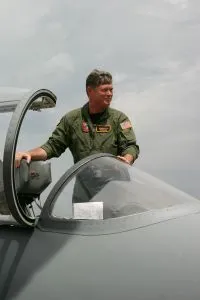
Richard Hess
Richard Hess and Alan Cockrell are both former military aviators. Between them, they have almost a century of military and commercial flight experience.
Richard has been an international military adviser through the State Department for 15 years. He has written dozens of articles for Warbird Digest on aircraft safety and maintenance, as well as international ferry missions.
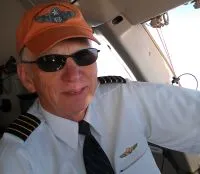
Alan Cockrell
Alan is the author of three other books, including his novel, The Restless Earth, and Tail of the Storm, a book about his and other US pilots’ Desert Storm experiences. He’s also been featured on the show Air Warriors on the Smithsonian Channel.