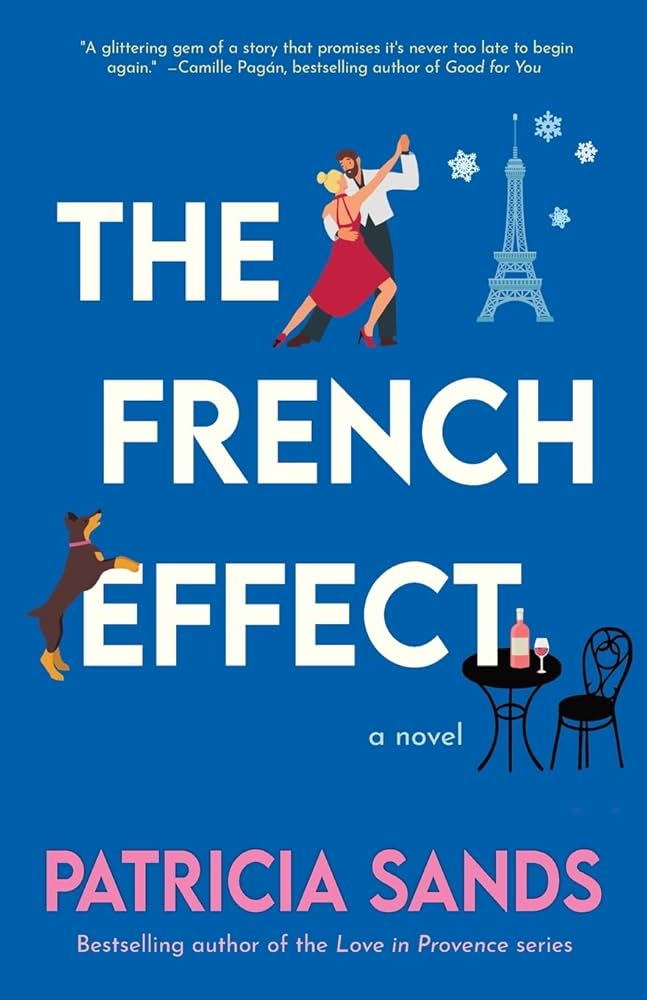
 Christmas is coming! Joyeux Noël! I’m certain we all have our favorite place to spend this special holiday. It may not come as a surprise that France happens to be mine. In my new novel, The French Effect, I loved setting the story in December and January so I could write about the way France comes alive in December … not only in Paris, but also in Provence. Two unforgettable styles.
A Glittering Noël in the City of Light
Paris, the City of Light (not Lights, as it is often mistakenly referred to), shines even brighter than usual in December. From the grand avenues to petite ruelles, the city transforms with sparkling displays. Stunning decorations cover the facades of elegant centuries-old buildings. The major department stores are not only glittering and festive inside, but their windows are filled with colorful, imaginative, animated displays eagerly awaited by young and old. Roasting chestnuts are sold on street corners, and the entire Champs-Elysées is draped in shimmering lights that change color and sparkle in rhythm.
The Hôtel de Ville, City Hall, turns its grand square into a winter village with gold and white lights, wooden chalets and a skating rink, becoming a popular gathering place filled with laughter and joy rather than political demonstrations.
The towering Christmas tree in front of Notre-Dame is lit with LED lights and elegant ornaments in blue, gold and silver symbolizing peace, and carol singing is often on the schedule.
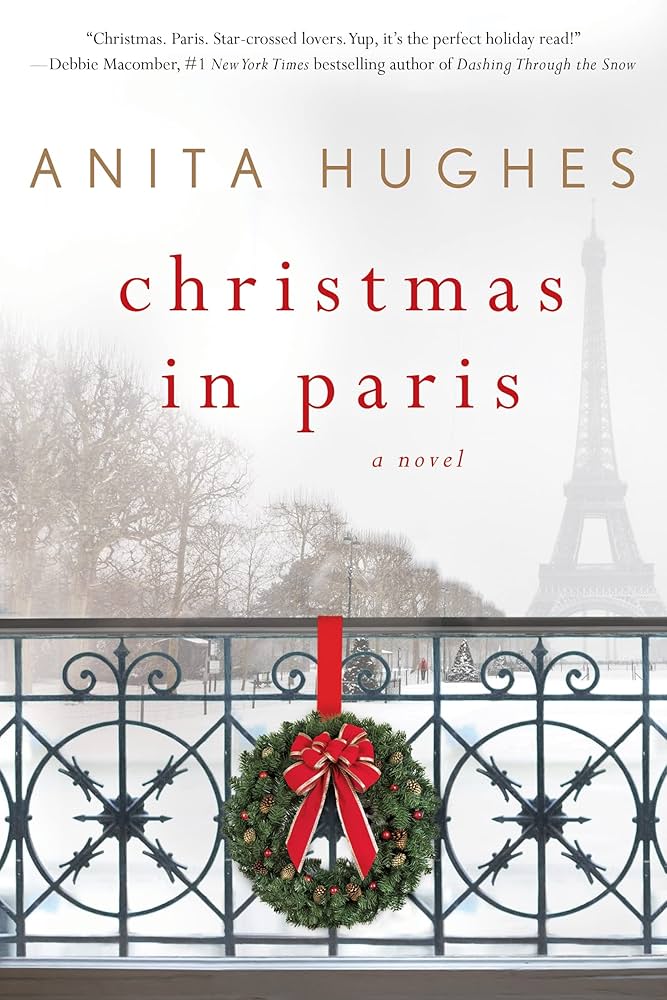
Throughout the city, lively Marchés de Noël overflow with festive cheer. Stalls are laden with crafts and delicious food, among a grand assortment of regional delicacies and seasonal treats. The atmosphere embraces each visitor, and the aromas of mulled wine, gingerbread, crêpes, raclette and fondue mingle with tantalizing hot chocolate and gourmet coffee. It wouldn’t be Paris without including Champagne bars. For readers who want to experience all of this vicariously, I thoroughly recommend the novel Christmas in Paris by Anita Hughes, which captures all of this magic.
But beyond the glitter, Paris at Christmas is about light, art, love and shared humanity. Strangers greet each other as they enjoy the brilliance of their city. Families and friends gather for traditional meals to be shared and celebrated. Everywhere, one will end the Christmas meal with a rich, delicious bûche de Noël or Yule log cake decorated with buttercream to resemble a log embellished with sugary or meringue berries. This yule log represents the ancient tradition of burning a log at Christmas.
A Rustic Christmas in the Heart of Provence
December in Provence speaks directly to my heart with its more intimate, rustic charm. Traditions are steeped in folklore and family rituals.
Decades ago, I fell in love with the Santons of Provence when friends introduced me to their collection. These small, hand-painted clay figurines feature in the Provençal crèche de Noël (nativity scene). As well as the traditional Christmas story, some figurines represent everyday characters in a village in Provence and bring the crèche to life in a local and cultural way. In fact, today, there are often political characters to be found. Special santonniers pass down the craft through generations, and there are several major fairs throughout the towns, including the largest in Marseille. Collections increase each year for many and hold a special place in family treasures.
Rather than lavish garlands, woven olive branches, small sprigs of greenery and pine cones are frequent decorations. Fairy lights and ribbons may be entwined. Nativity scenes featuring the santons are the main type of decoration in store windows as well as homes.
The “cache-fio” is a traditional log that is carried around the dinner table three times by the eldest and youngest family members on Christmas Eve before dinner. Then it is sprayed lightly three times with wine and set on fire. It is often a time for storytelling with warm family memories shared.
The meal traditions in Provence are closely adhered to with the Gros Souper (actually a humble, meatless meal) served on Christmas Eve before midnight mass, possibly followed by the 13 Desserts. This is not as extravagant as it sounds! Symbolizing Christ and the 12 apostles, the assortment consists of a sweet brioche, brown and white nougat, four types of dried fruits and nuts and a selection of sweets. This is usually laid out to be enjoyed over three days. The number three figures prominently in Provençal Christmas traditions; the table is set with three white tablecloths and three white candles to represent the Holy Trinity, and it remains like this for three days, as well.
After midnight mass Le Réveillon begins: a feast of grand proportions that often carries on into the morning, featuring foie gras, oysters, roast meats, cheese, champagne and the bûche de Noël. The 13 Desserts may also be served at this time. With the changes in church hours and eating habits these days, some families are adjusting the serving schedules for these meals, but serve them they do.
The crèche that is set up in all villages sometimes features live animals and humans. Locals consider it an honor to be part of this, and families often vie to be included.
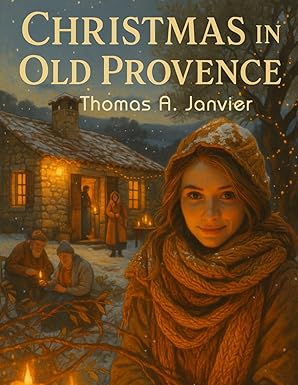
In Provence, Christmas is a journey from simplicity to celebration. I was thrilled to discover a beautifully restored edition (first published in the early 20th century) of Christmas in Old Provence by Thomas A. Janvier. More than a collection of stories, Janvier’s evocative storytelling transports readers on a sensory journey through the ancient traditions celebrated in the soulful, authentic countryside.
Despite the differences between the glitter of Paris and the long-held traditions of Provence, children throughout France leave their shoes out on Christmas Eve in the hope of a visit from Père Noël.
Bonne fête tout le monde!