
What will you be when you grow up? In some imagined futures, that question has already been answered. Your career, social standing and even your partner have been selected by authorities who insist they know best. Perhaps a childhood test seals your fate. Perhaps the circumstances of your birth settle the matter before you are old enough to even speak.
The societies in these six dystopian novels use different methods to keep people in their places. Some promise happiness. Others offer a chance to prove yourself, as long as you survive the process. Trouble begins when someone discovers what those arrangements actually cost — and decides the future they’ve been assigned is no longer acceptable.
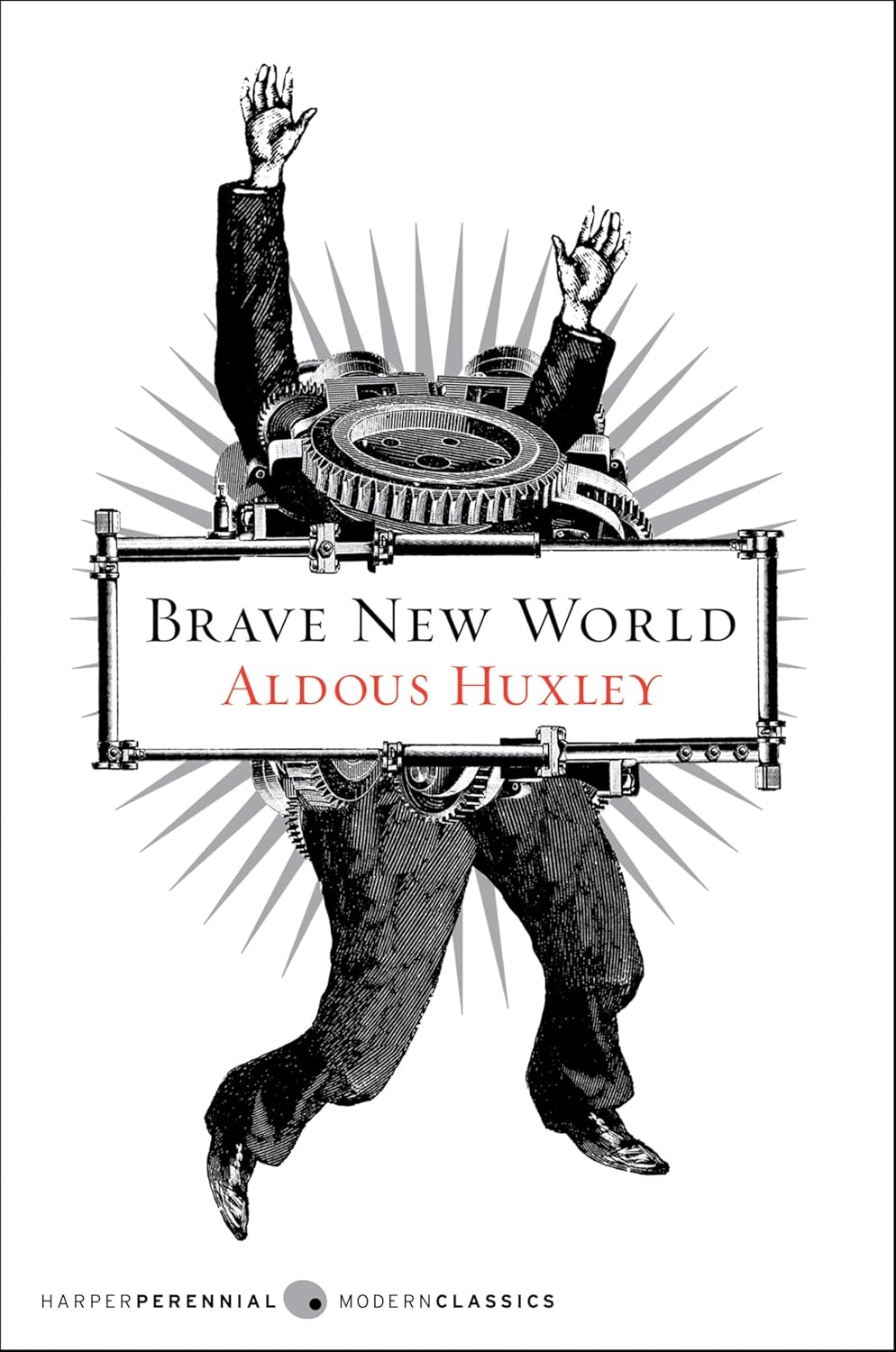
Brave New World by Aldous Huxley
Why rebel against your assigned place when you have been engineered to enjoy it? In Aldous Huxley’s World State, human beings are produced for predetermined castes and conditioned to accept the lives prepared for them. Consumer pleasures and the drug soma help maintain stability, while family and private attachments have been pushed aside. Bernard Marx’s dissatisfaction and his encounter with John, a man raised outside the system, expose the limits of its manufactured happiness.
Published in 1932, Brave New World places the concept of assignment at its earliest point; control begins with the creation of the individual. The state shapes both people’s capabilities and their willingness to obey. Huxley’s classic novel depicts a population trained to find fulfillment in its restrictions, making the desire for freedom itself a threat to the social order.
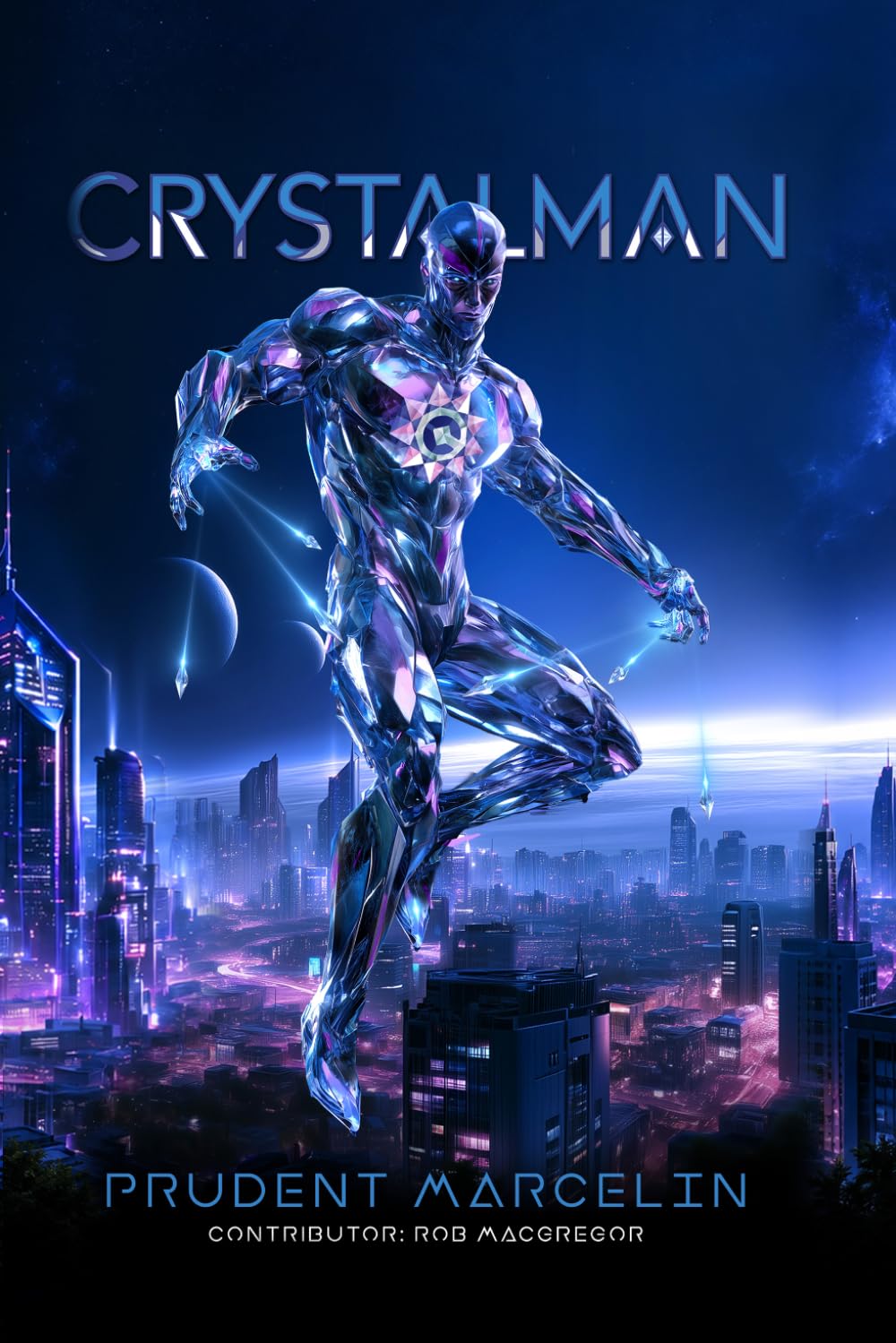
Crystalman by Prudent Marcelin
On Zemly, turning ten means having your future assigned. Every child receives a score that determines their place in society — and can mean being taken from their family. Kole Finley’s score is higher than anything the Scoring Center has encountered. Raised by the Resistance and guided by Master Yao, he discovers a connection to the planet’s crystals that leads toward his transformation into Crystalman.
Prudent Marcelin gives this dystopian premise a superhero dimension, bringing extraordinary powers into a struggle for freedom and equality. But the scoring system’s reach makes the conflict deeply personal: its authority extends beyond career and social standing to who raises children and toward what end. That places an unsettling question beneath the adventure: What right does a society have to claim a child’s future before that child can choose it?
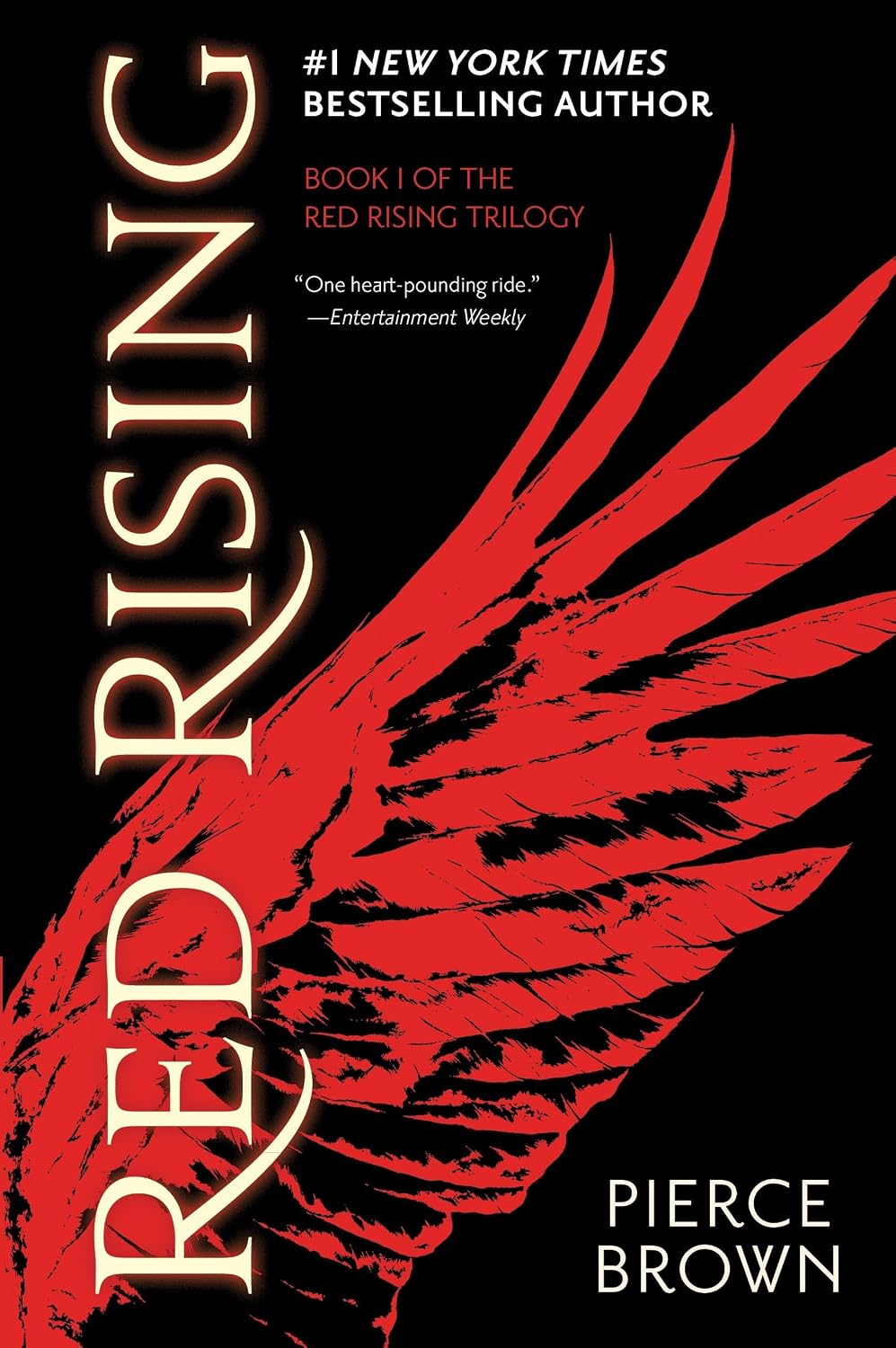
Red Rising by Pierce Brown
Darrow works beneath the surface of Mars, believing his labor will help make the planet habitable for generations to come. As a Red, he belongs to the lowest caste in a society organized by color codes. Then he discovers the surface is already inhabited — and that his people’s sacrifices sustain a ruling class living in luxury.
Pierce Brown turns a predetermined future into a story of infiltration. Darrow enters the Institute, where members of the dominant Gold caste compete to become society’s next rulers, and must learn to survive among the people who benefit from his oppression. The distinction here is inherited status: ambition and hard work cannot free someone from the role their caste imposes. To challenge that arrangement, Darrow has to enter the privileged world built to keep him out.
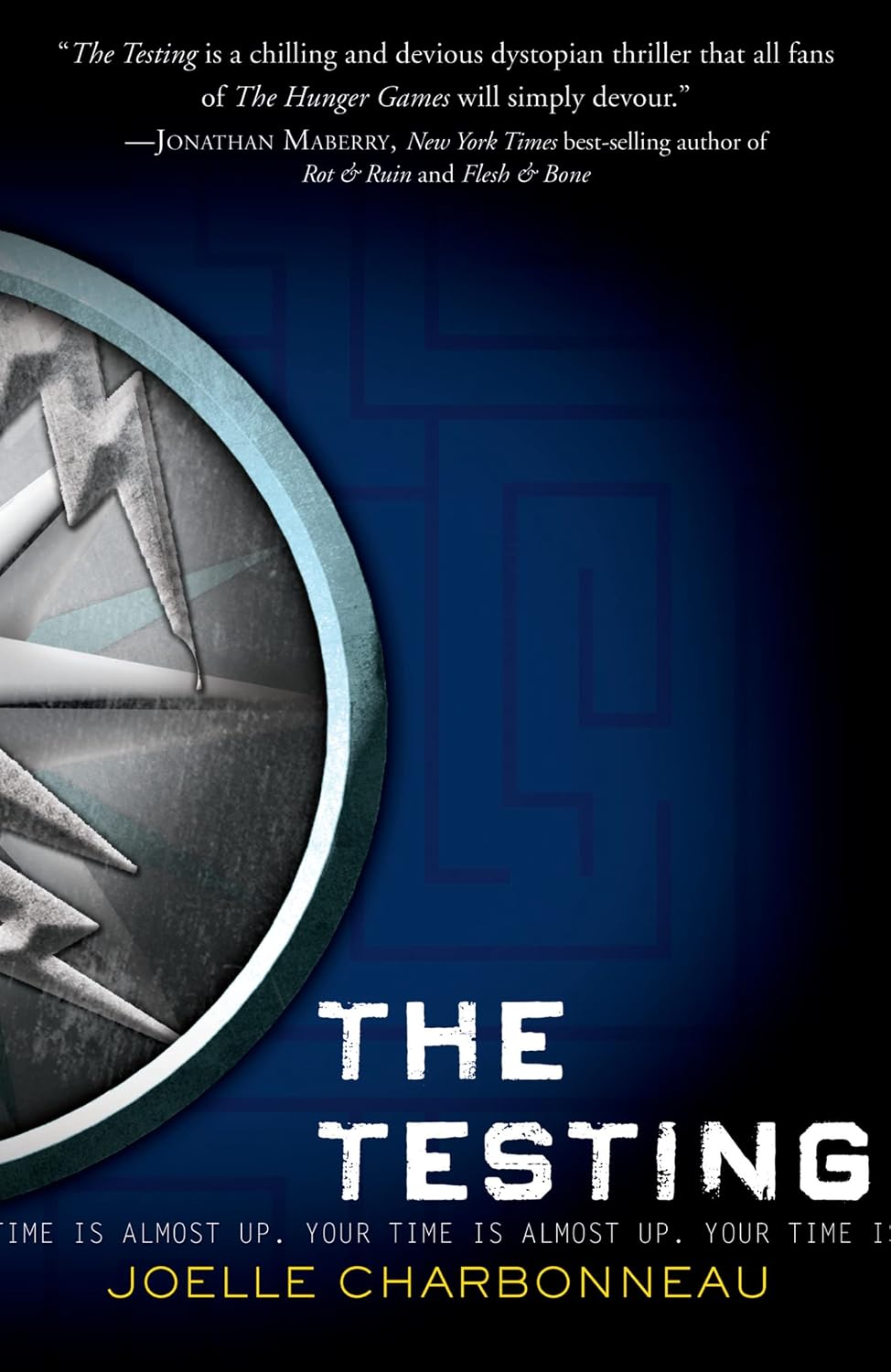
The Testing by Joelle Charbonneau
Cia Vale thinks being selected for the Testing is an honor. In a world devastated by war, the process offers promising young people their chance at a university education and a place among the leaders rebuilding civilization. Then her father sends her off with a warning: trust no one. What follows turns academic ambition into a struggle to survive, with even a familiar face offering no guarantee of safety.
Joelle Charbonneau examines the promise of meritocracy: work hard, prove your abilities and earn a better future. Here, the institution defining success also controls who gets the opportunity to pursue it — and subjects candidates to deadly trials. Cia’s predicament gives the theme an educational focus, exposing the violence beneath a system that presents itself as a search for the best and brightest.
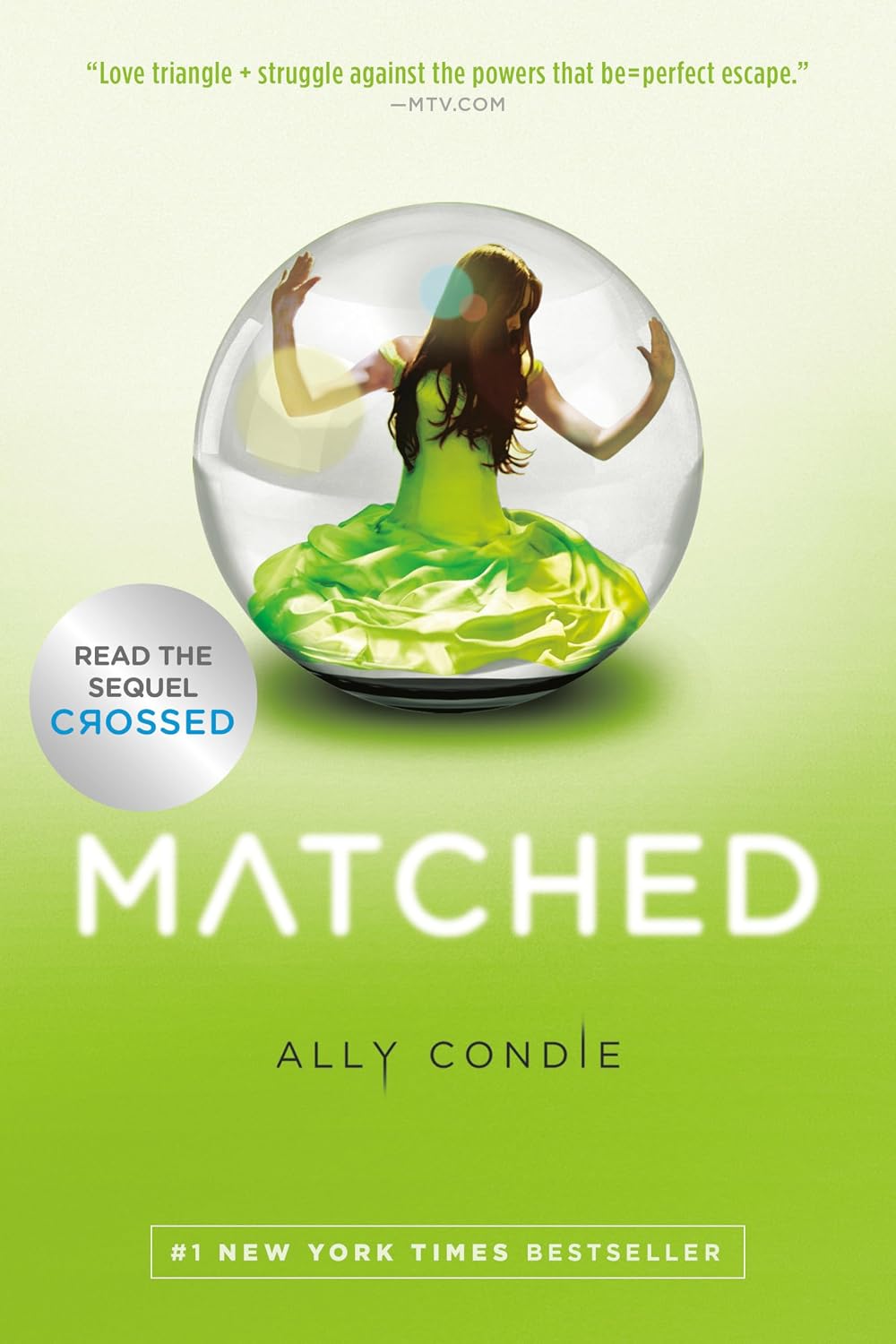
Matched by Ally Condie
Cassia trusts the Society to find her perfect partner. When her friend Xander appears at her Matching ceremony, the choice seems reassuringly right — until another boy’s face flashes briefly on the screen. That moment introduces a possibility she has scarcely needed to consider: the officials planning her life might be wrong.
In Ally Condie’s dystopia, government authority reaches into the most intimate decisions, determining whom citizens love and when they die. Cassia’s growing interest in Ky Markham makes the conflict personal, as attraction puts her in opposition to the future selected for her. Here, even the prospect of falling in love comes with an official seal of approval. Choosing someone for herself becomes a challenge to an entire social order, and a supposedly ideal match exposes how little room that order leaves for individual desire.
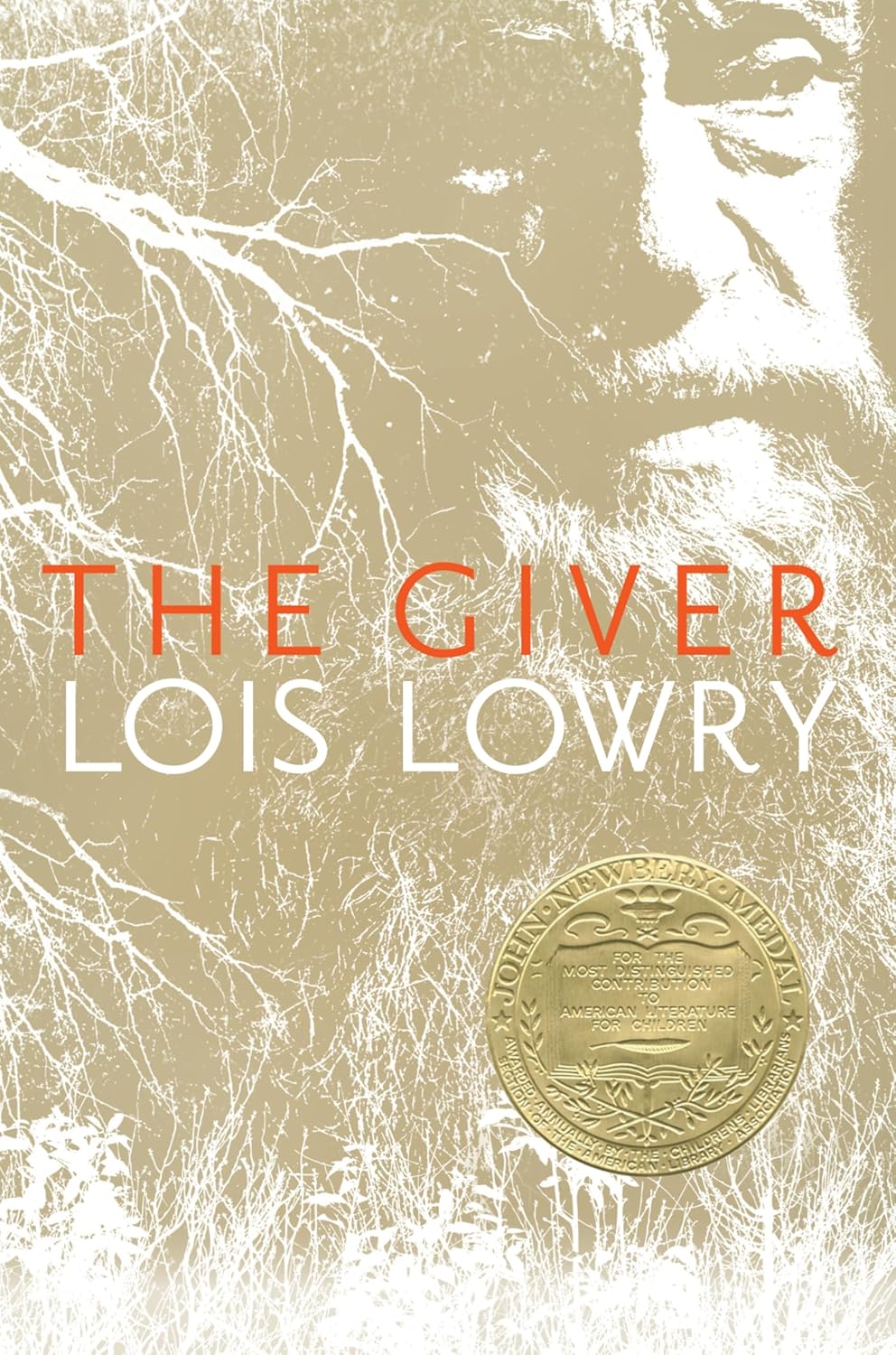
The Giver by Lois Lowry
In Jonas’s community, growing up means waiting to be told who you will become. At twelve, children receive the roles they will occupy as adults, selected by Elders who claim to know what is best for everyone. Jonas is chosen for an unusual responsibility: receiving the memories held by an older man known as the Giver. His training introduces him to pleasures and suffering that his carefully regulated world has excluded.
Lois Lowry approaches the loss of freedom through the erasure of shared experience. Without access to the past, how can people recognize what their supposedly perfect society has taken from them? As Jonas learns more, the comfort of having every decision made for him begins to look very different. His assigned future gives him the knowledge to question whether anyone should have that authority.