If you’re anything like most readers out there right now, you can’t get enough of reimagined classic stories (cue Jane Austen’s romances, Frankenstein, The Odyssey, The Wonderful Wizard of Oz, and Daphne du Maurier’s Rebecca).
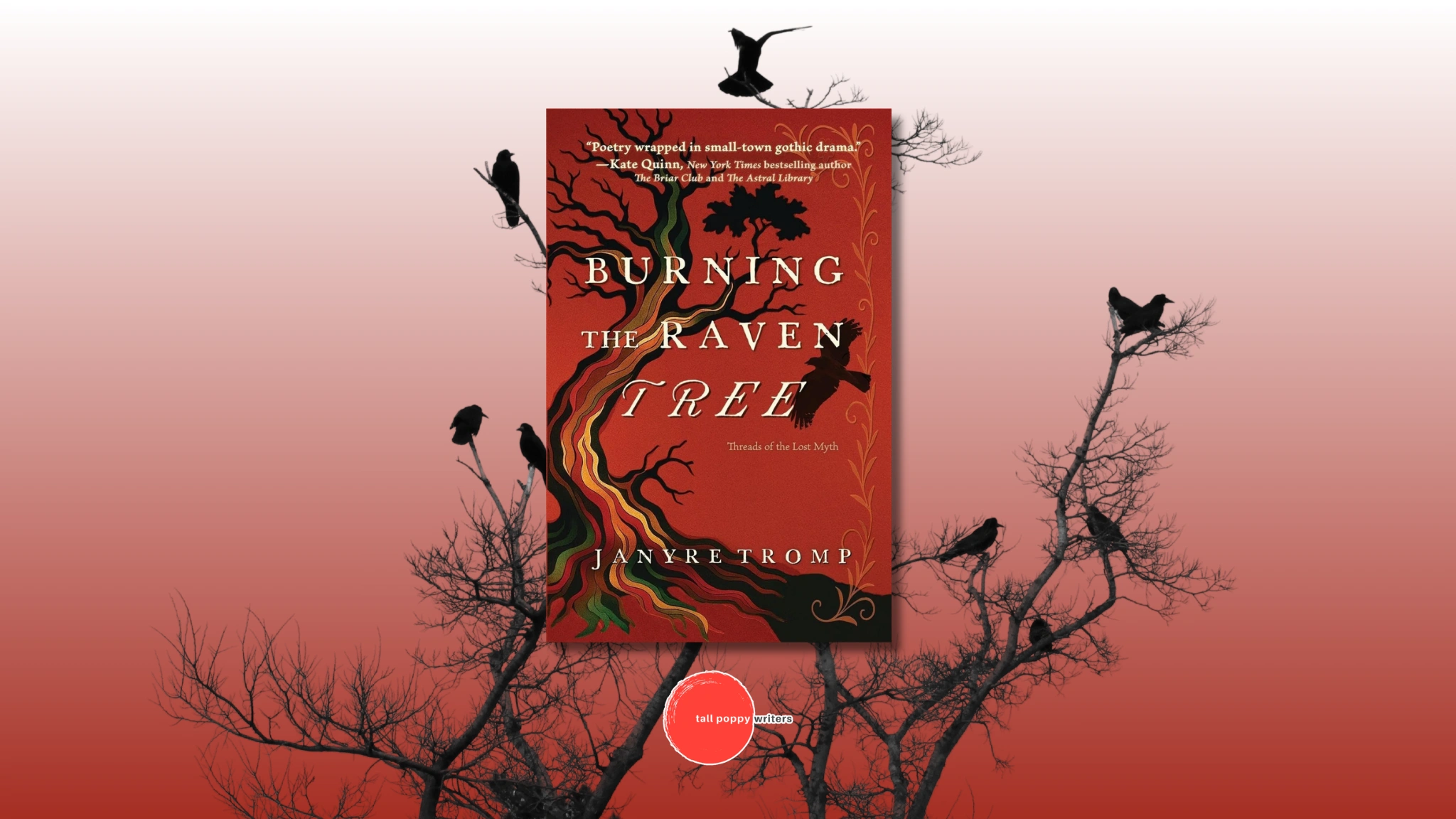
I understand the appeal. While writing my own novel, Burning the Raven Tree, I found myself borrowing some of the Gothic DNA of Rebecca and weaving it together with Ukrainian folklore — particularly Baba Yaga and the World Tree — to create something entirely new: a Gothic cold-case mystery set in 1960s Michigan.
It made me curious about the many ways other authors are doing something similar — not simply retelling the classics, but taking them apart, shifting the perspective, moving them across time and place, or combining their familiar bones with something entirely unexpected.
Perhaps we’re all fascinated with these stories because they already live in our collective memories. And while we readers tend to prefer the book over the movie, authors are increasingly taking the classics apart and putting them back together in surprising and entertaining ways.
The result? Gorgeously reimagined new stories that stand on their own, even if you’ve never read the originals. But for those who have, recognizing the layers underneath adds an extra layer that will have bibliophiles adding to their TBRs with happy abandon.
And authors are approaching the old stories in wildly different ways.
Some retell a classic story through an entirely new lens, time, or place.
In No Friend to This House, Natalie Haynes reclaims the Greek myth of Medea, the woman abused and abandoned by Jason of the Golden Fleece fame. Irreverent and psychologically sharp, the novel gives voice to the woman at the heart of the myth and asks us to reconsider those history calls heroes.
Barbara Kingsolver moves David Copperfield from Victorian England to contemporary Appalachia in Demon Copperhead, replacing Dickens’s social concerns with the modern issues of Appalachian poverty, foster care, exploitation, and the opioid crisis. The result is a compassionate but devastating tale of survival in a system that fails the vulnerable.
For Jane Austen fans, June Hur borrows the familiar relationship dynamics and social tensions from Austen and transports them to 1798 Korea in Behind Five Willows. The atmospheric romance explores decidedly Austen-esque questions of a woman’s agency, family obligation, and the tension between personal desire and duty.
Other stories hand the proverbial microphone to overlooked characters.
Percival Everett tackles Huckleberry Finn through the eyes of Jim in James, opening a portal into an untold, unseen reality of history. The result is subversive, darkly humorous, and deeply unsettling.
Aunt Em may have spent little time on page (or screen) in The Wonderful Wizard of Oz, but where would Dorothy have been without her? Hazel Gaynor imagines Em’s life before Dorothy arrives in Before Dorothy, a tender work about belonging, resilience, and the ways ordinary people shape the lives of others.
And still others toss pieces of the stories we know and love into the literary blender to create something entirely new.
Jenni L. Walsh takes the real women who inspired The Great Gatsby’s Daisy and Jordan and drops them into an Agatha Christie-style closed-circle mystery in Death Was Not on the Guest List. It’s a delightful whodunit with a fascinating cast of female detectives.
You’ll also see flashes of Orpheus and Dante in R. F. Kuang’s blockbuster Katabasis, which takes the traditional journey of a living person into the underworld and builds an entirely new dark-academia adventure.
Maybe the stories we love endure because they were never meant to remain untouched. Each generation picks them up, turns them over, and finds something the last storyteller missed. Perhaps that’s the real magic of reimagined classics: not that we get to read the same story again, but that we get to discover how much more it still has to say.
So whether you prefer your classics faithfully reimagined, turned inside out, or tossed into the literary blender, there’s something irresistible about discovering a familiar story in an unexpected place.
Which one will you uncover next?
More articles by and about Tall Poppy Writers