The 1976 album titled Boston by the band with the same name resonated with me; the lyrics took me to a place my narrow life lacked; the music energized my young soul. I was hooked; I still am.
In my pre-teen days, my parents’ record player was the only way I could listen to music. Later, when my teenage years faded into college, I listened to music on a cassette player with headphones. I thought I was cool; we all did. Looking back, the peak of my coolness was closing my eyes to breathe in “Foreplay” before they rolled into “Long Time.”
Not everyone shared my love of Boston. There were those who dismissed the band, saying “they are nothing but a studio band that can’t play live.”
That criticism didn’t faze me then; it doesn’t bother me today. They played the music; they sang the songs; devaluing their work misses the mark. But what if the circumstances that exist today had been present in 1976 when the album came out? Would people accept their work?
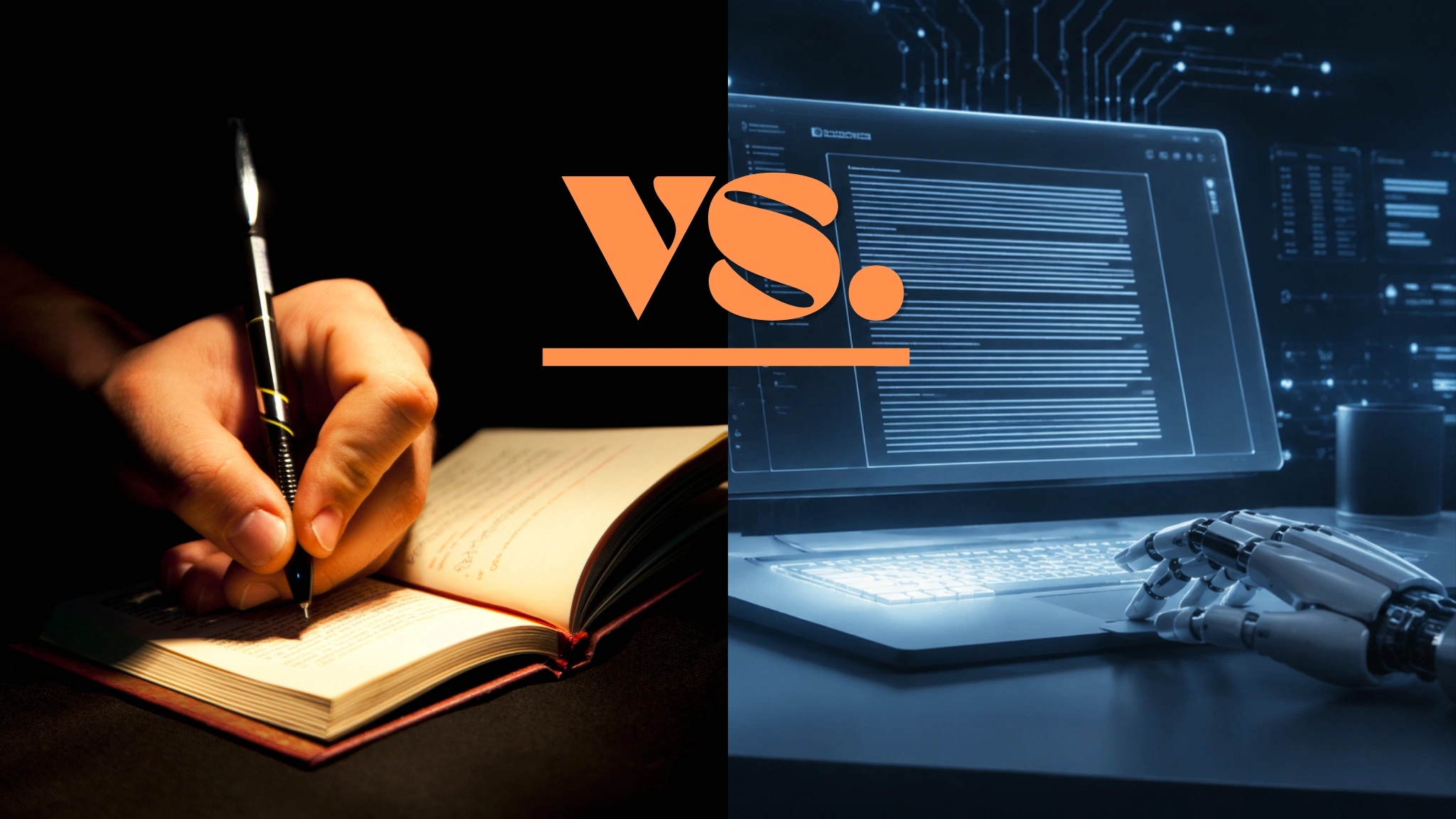
It is an interesting question; you can thank artificial intelligence for that. In case you haven’t noticed, AI can write lyrics and music. Technology can even perform the song. If a band today released a studio album and their reputation was that they performed poorly on stage, the world would likely conclude their music wasn’t theirs.
If the music we listen to is suspect, what about the books we read? AI can write a book with alarming speed and produce quality work. At a minimum, AI could offer a great initial draft that an “Author” could then edit.
To me, this is an alarming situation. As a writer, I want to convey what is in my mind. To use words to paint pictures and offer the imperfection that comes from fallible humans. Literature has evolved not because someone created a piece exactly as before, but because someone wrote something that steered typical paragraphs and their construction to a new place.
My reading preferences represent the most diverse aspect of my life. I could never experience the wide range of ideas that books can offer. It is for that reason that I enjoy reading books that capture the intent of the author. When an author writes well, I imagine I can feel their emotions during the writing process. Occasionally, I read a sentence and pause, letting the words sink in. I don’t want to just read it; I want to ingest it. Maybe AI can do that. Maybe it can write a sentence worthy of reflection. I doubt it.
As passionate readers, what are we to do? We can demand that the book industry protect readers by validating each book and the author. That is a reasonable expectation, but an unreasonable assumption. It is only a matter of time before AI secretly writes a published book, assuming it hasn’t already happened.
I don’t think I am out of line to proclaim zero tolerance for AI-written books. Anything less will open Pandora’s box. It has already happened in business. The prevalence of AI-drafted material is stunning; CEOs use AI to write shareholder letters, internal documents are AI-generated, lawyers use AI to produce legal briefs. Why write it yourself when an AI tool can do it in minutes?
Writing a book is hard; harder than I thought it would be. I’m not sure why I assumed it was easy; a book takes hours of work, of private anxiety and insecurity. I have read many outstanding books that were delivered because of the author’s extraordinary work, providing a window into deep thought. Of course, it was hard. What I now know is that when an author writes something, they are opening their inner sanctum for all to explore. They are leaving an everlasting record; the stress they feel is human. A machine can’t deliver that.