
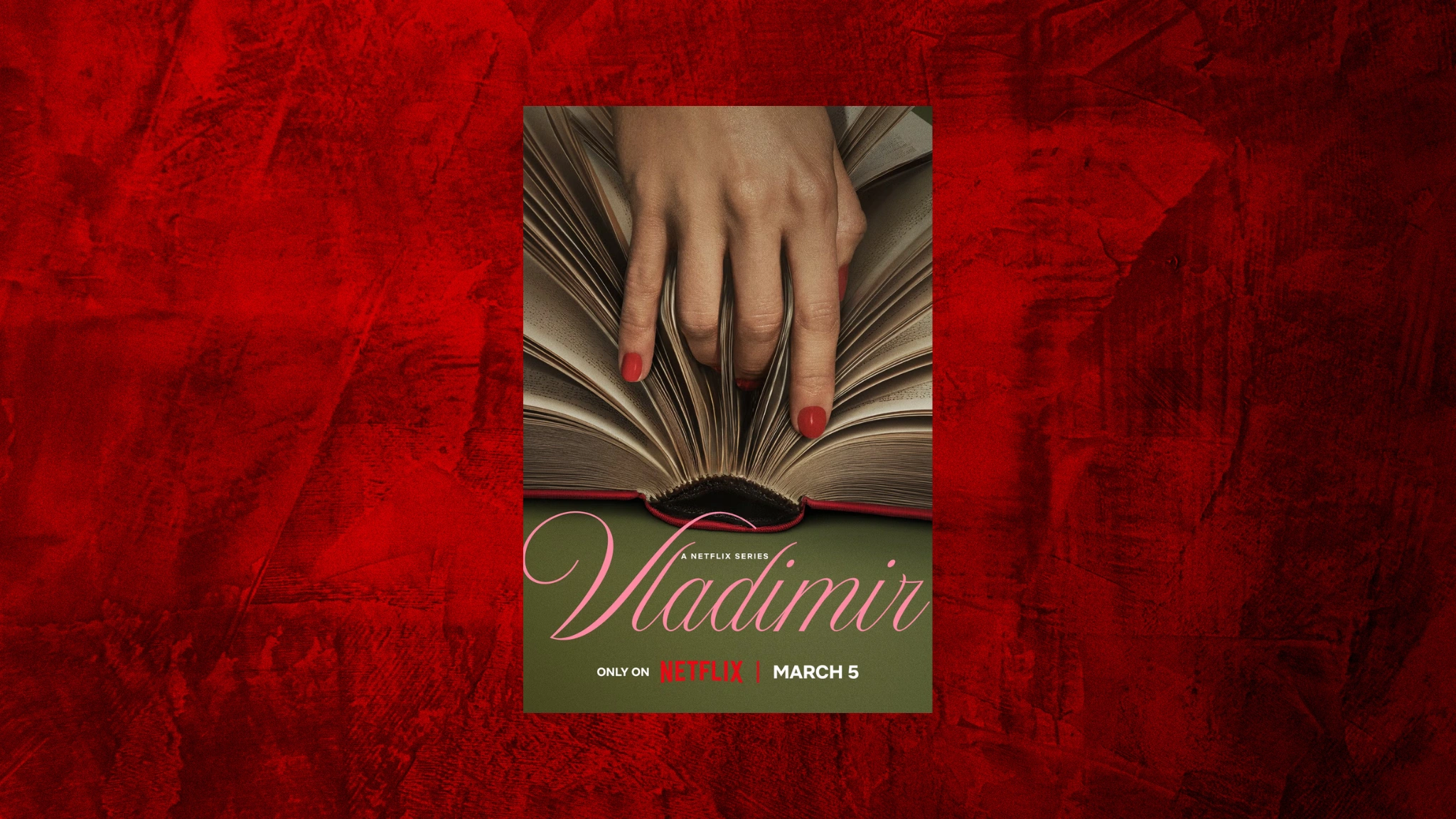
Why Vladimir Is the Smart, Steamy Academic Drama Everyone Is Talking About
For me there’s always something irresistible about stories set in academia. The ivy-covered buildings, the sharp conversations in seminar rooms, the collision of ambition, intellect and ego — universities have long provided the perfect backdrop for stories where ideas and emotions run equally high or hot in this case.
That is exactly the world captured in Vladimir, the provocative drama now streaming on Netflix starring Rachel Weisz. Smart, witty and undeniably steamy, the series traces its origins to the acclaimed novel Vladimir by Julia May Jonas, a book that quickly became a sensation for its razor-sharp voice and fearless exploration of desire, power and identity in academic life.
At its heart, Vladimir is about a woman at a crossroads…and obsession.
The story centers on a mid-career English professor whose carefully constructed world begins to unravel after her husband — a fellow academic — is caught in a scandal involving past relationships with students. As campus politics swirl and reputations crumble, she finds herself grappling with questions about loyalty, aging, relevance and the complicated dynamics of attraction and power.
Then a new colleague arrives.
Vladimir, a handsome, charismatic and brilliant younger professor, quickly becomes the focus of fascination across the department. For the narrator, however, the intrigue becomes far more personal. What begins as curiosity evolves into an obsession that forces her to confront her own desires, insecurities and assumptions about the boundaries between admiration, longing and self-reinvention.
What makes Vladimir stand out — both as a novel and as a streaming series, I totally binged it, — is its unique blend of intellectual sharpness and emotional heat. The story thrives in the tension between the cerebral environment of academia and the messy, very human impulses that exist beneath it.
That contrast is part of what made the original book such a compelling read and drew praise for its biting humor and daring perspective, offering readers a narrator who is self-aware, flawed and unapologetically candid about the complexities of desire and identity.
The novel walks a delicate line between satire and psychological drama, skewering academic culture while also revealing how deeply personal the battles fought within it can be.
For viewers who enjoy character-driven dramas filled with sharp dialogue and complex emotional stakes, Vladimir offers something very refreshing.
In the streaming landscape crowded with dark crime thrillers and fantasy epics, Vladimir reminds audiences that sometimes the most compelling drama unfolds in quieter places — like a university office, a faculty party or the charged silence between two people.
It’s proof that when a bold literary voice meets the right visual storytelling, the result can be as intellectually engaging and very stimulating.