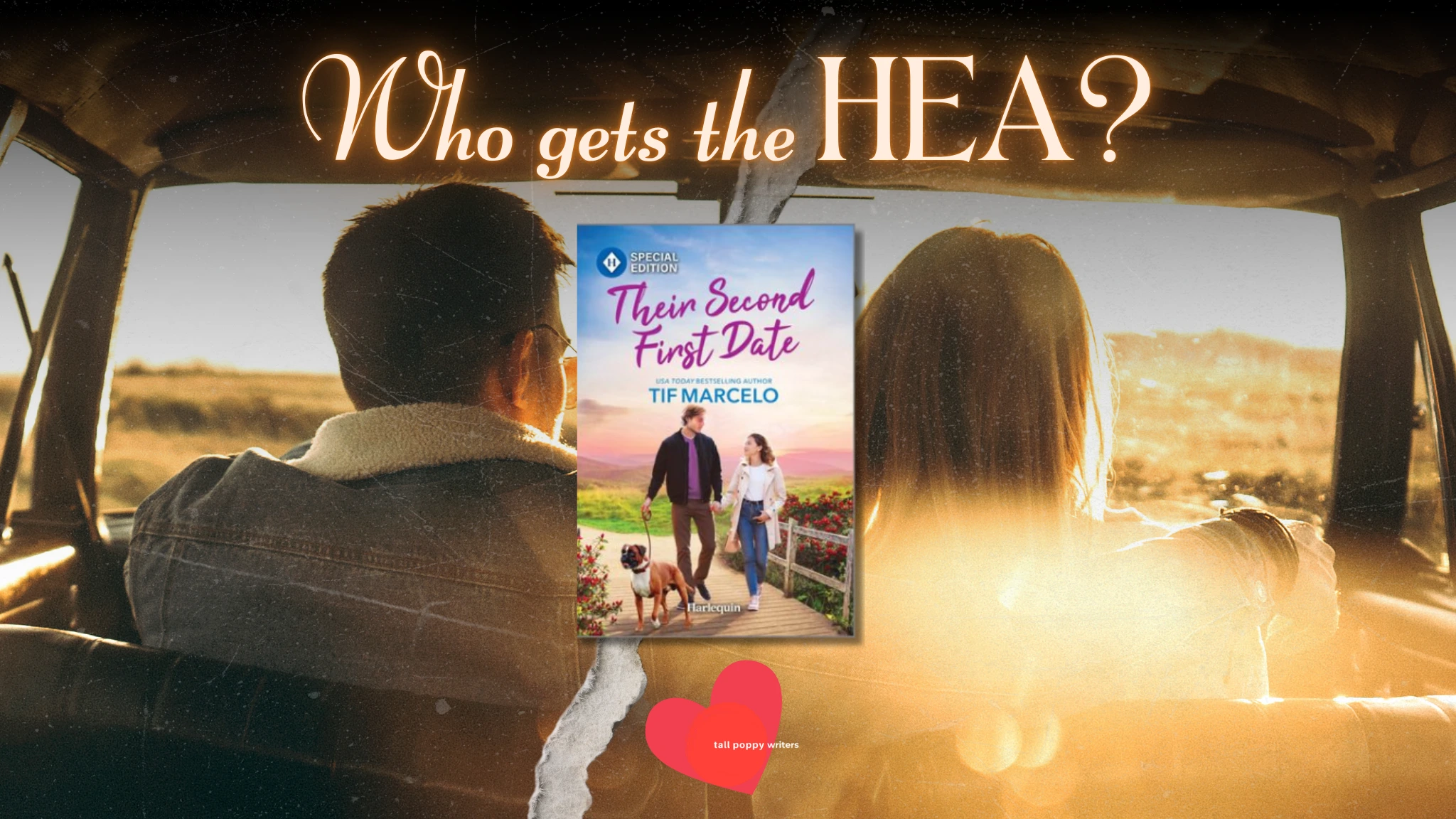
Who does the HEA, or happy ever after, in romance novels pertain to? Is it simply for the young and carefree single person, the character who appears on the page with their hearts wide open and ready for love? Or, can it also be for the late-in-life character, who had their hearts once broken before? And can it also be for someone who thought they’d had their HEA and lost it, in a previous marriage?
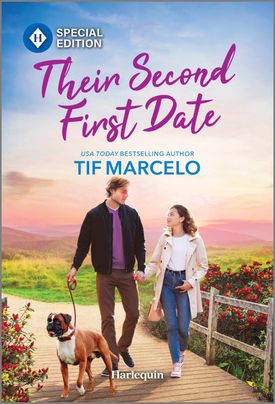
In my upcoming release, Their Second First Date, I wanted to explore what a happy-ever-after would look like for two single parents who were both previously married. As the first book in the Single Hearts Club series, where each book focuses on single parents finding love — and who happen to be in the same elementary school PTA — I grew to appreciate the experiences and obstacles a previous marriage might place upon a character blindsided by new love. Writing this book also prompted me to look among my peers who are writing about love after divorce, and what makes these books special.
Previously married characters brought a rich and nuanced backstory to arcs and storylines that compel and hook the hearts of readers. Rachel Lacey, in her most recent release Margin of Error, has a 47-year-old divorced character, Marin, who married young, before she truly understood herself. Part of embracing her authentic self today, of being a lesbian, is growth that speaks to every person’s desire to feel seen and accepted. Lacey says, “It’s satisfying to see Marin finally find true love, knowing she waited so long to experience it.” And, by reading it in a romance novel, readers become invested; they empathize; they feel.
But what follows a character’s backstory are the struggles they must overcome and that should be conveyed within the text: the anger, fears, the misconceptions. Mona Shroff, who has written numerous novels with divorced characters, most especially If You Can’t Stand the Heat, asserts that her divorced characters ultimately must believe that they deserve love after divorce. She says, “The character has to…believe in their own happiness, to be able to fall in love.” While painful to experience on the page, upon seeing the struggles characters are up against, readers relate. They accept that love can bloom even after a marriage’s deep heartbreak.
Oftentimes, a divorced character, because of this prior marriage, comes as a package. Children, ex-in-laws, or other family members can be added stressors that could hinder or encourage new love. In Their Second First Date, the children of my divorced characters are matchmakers. In Nina Crespo’s book, Expecting a Fortune, Devin, the male protagonist, is a coparent with his ex with their 13-year-old daughter, though becomes a father again with a woman who he has a one-night stand with. All of it — the new baby, his current parenting partnership, and his new romantic relationship — is pressure that requires Devin to act and show his true self.
Not only does it all push the plot forward, but readers get to know and root for characters and for their happy ever after.
Writing divorced characters, however, can pose challenges. Just as each love story has its own path, one’s backstory should be treated with nuance. Crespo researched divorce and fatherhood to give Devin a well-rounded backstory. Shroff pointed out that it was important to show her characters dealing with their grief, with their trust issues, with their own personal values before their own HEA could be achieved—there is no denying that it must be shown on the page. To make a divorced character’s love story believable, extra care must be taken to address the character’s total personality and growth.
But once love is found, it’s that much sweeter with these previously married characters. Shroff says romance novels with divorced characters are important, to show that “settling doesn’t have to be an option,” which instills hope that one is deserving of love, and that love isn’t in short supply. It’s also important for our current romance novels to reflect the real struggles that people face. Crespo echoes this by saying, “Modern romance novels should portray how love and family can show up and operate in different ways.” Finally, Lacey asserts, “Everyone deserves to see themselves in a book.”
And this author fully agrees.