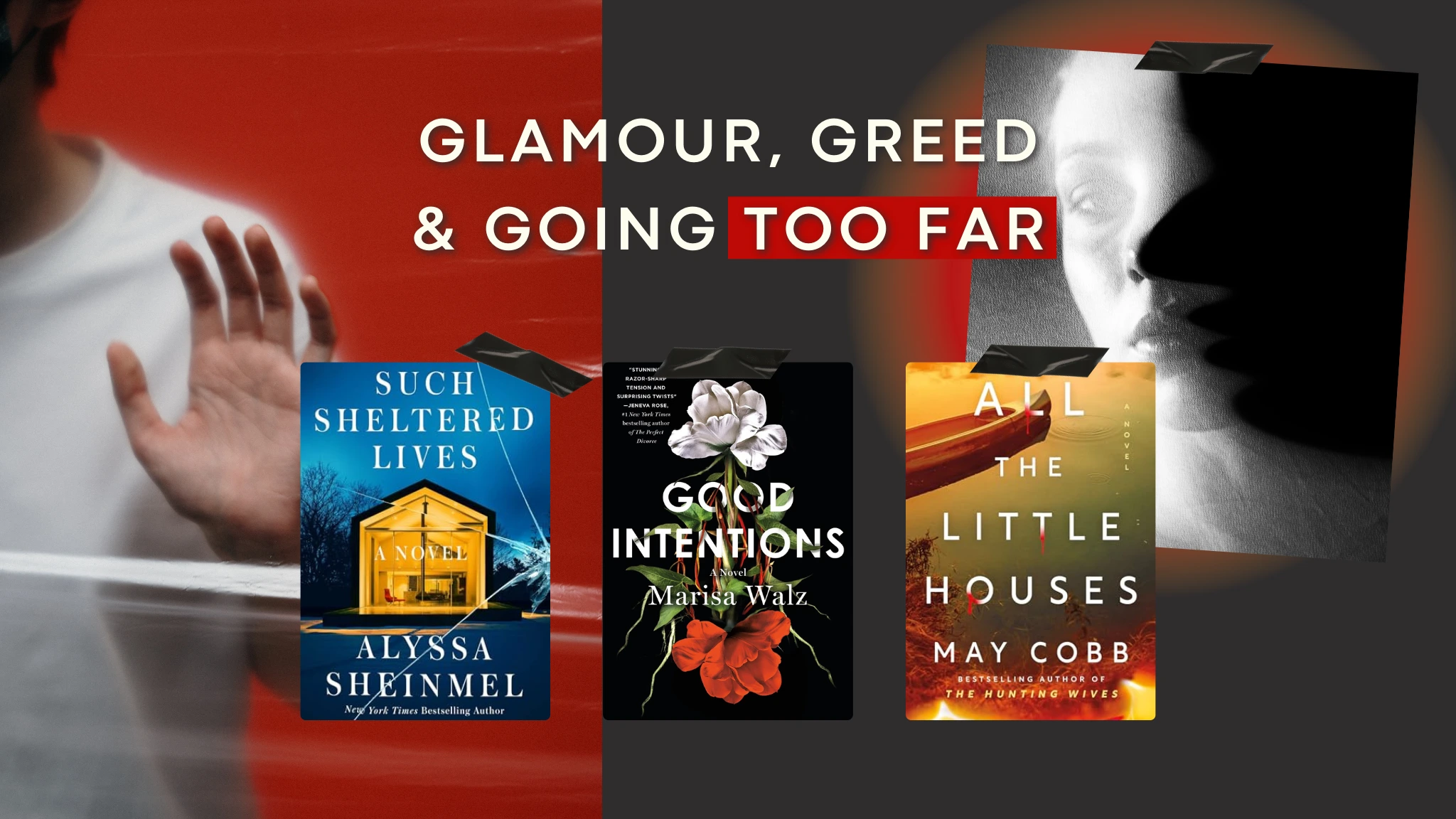
Money buys silence. Status buys patience … And reputation? Well, that buys second chances. The following novels understand this all too well, and dismantle the privileged systems without mercy. Set among rehab centers built to protect the famous, towns that quietly adjusted to old crimes and communities governed by image and inheritance, these stories aren’t asking who’s guilty. They’re asking who’s protected, who’s expendable and how long can the illusion of control hold …
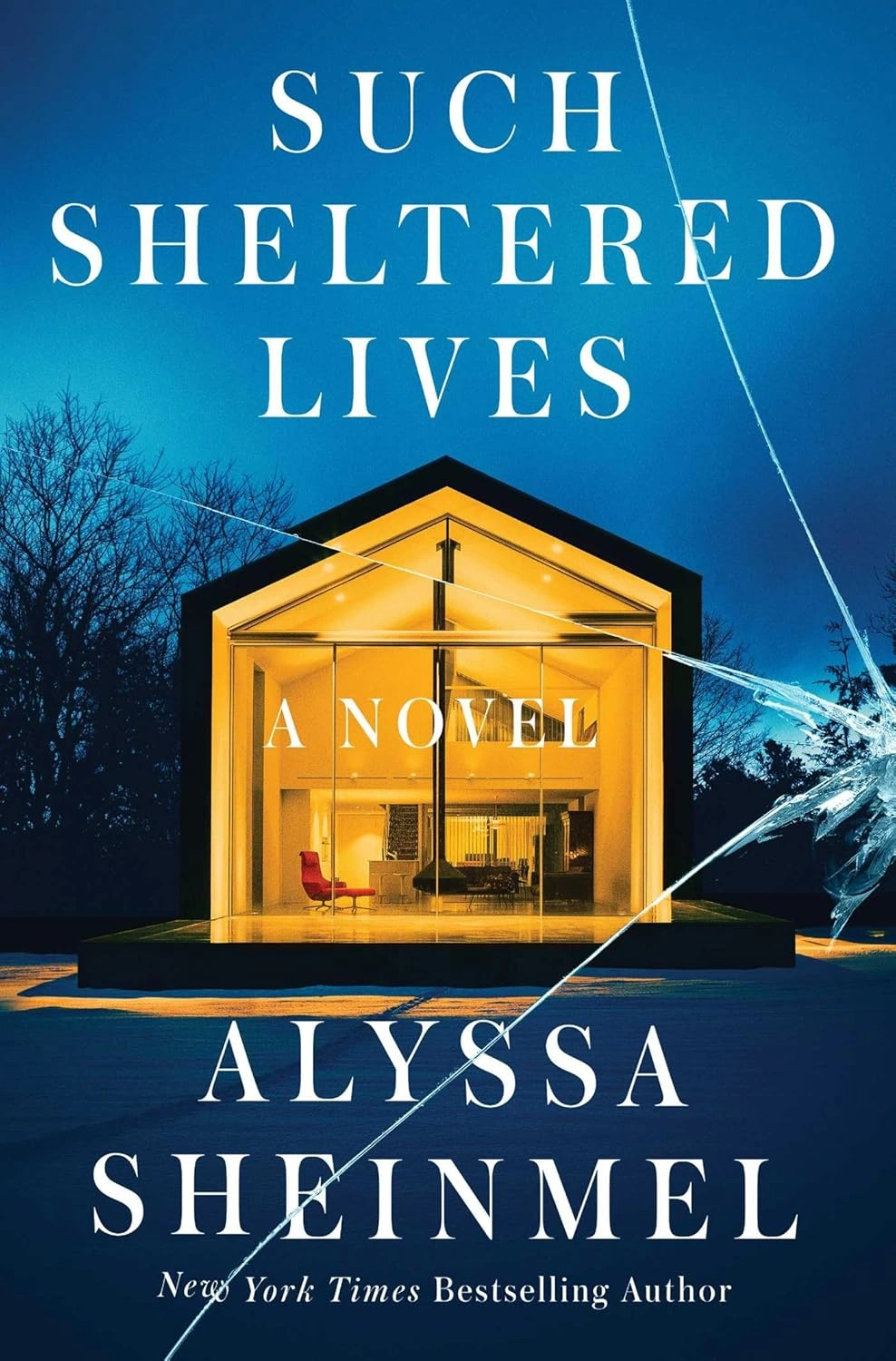
Such Sheltered Lives by Alyssa Sheinmel
Rush’s Recovery sells discretion as a luxury good. Its clients aren’t just wealthy, they’re curated, protected and managed, their addictions framed as personal crises rather than public liabilities. Sheinmel uses this closed ecosystem to explore what happens when care becomes transactional and boundaries exist only for show. The celebrity patients may be reckless, but the institution itself is far more dangerous: a place designed to absorb bad behavior without consequence. As tensions escalate and a death cracks the veneer, Such Sheltered Lives reveals how easily harm hides behind professionalism, wellness language, and brand reputation.
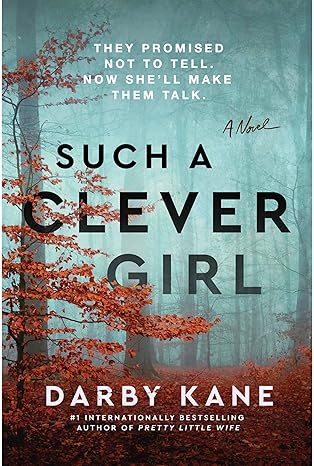
Such a Clever Girl by Darby Kane
Fifteen years ago, the Tanner family disappeared, and the town did what towns often do: it adapted. Kane’s brilliance lies in her refusal to romanticize that passage of time. When Aubrey Tanner returns, hardened and unreadable, the question isn’t whether the past will resurface, but how much of it was deliberately buried. The story unfolds through three women whose lives have been shaped by that night — women who understand that survival sometimes requires moral compromise. Kane writes suspense with restraint, trusting implication over spectacle and the result is far more unsettling than a simple whodunit.
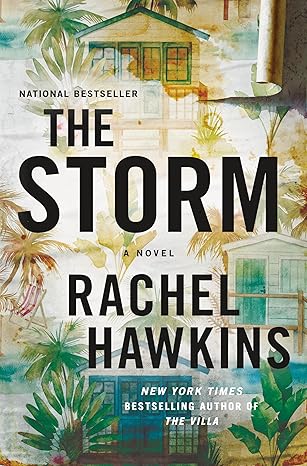
The Storm by Rachel Hawkins
St. Medard’s Bay thrives on its own mythology. A decades-old murder, a glamorous accused woman and a hurricane that sealed the town’s notoriety have become part of its identity. Hawkins is less interested in reopening the case than in interrogating why the town needs the story to stay frozen in time. As another storm approaches, the narrative tightens around legacy, profit and selective memory. The Rosalie Inn stands as a symbol of endurance, but also of refusal to change. The Storm is about who controls the narrative and what happens when the person at its center decides to rewrite it.

All the Little Houses by May Cobb
Cobb excels at exposing the social mechanics of small towns, where power is inherited, appearances are policed and kindness often comes with strings attached. Set in 1980s East Texas, All the Little Houses pits two families against one another in a battle that’s less overtly violent than it is psychologically ruthless. Charleigh Anderson is a woman who clawed her way into relevance and intends to stay there no matter the cost. Cobb dissects maternal ambition, social currency and the damage inflicted when status becomes a zero-sum game. The tension builds not from overt threats, but from watching adults behave badly with absolute conviction.
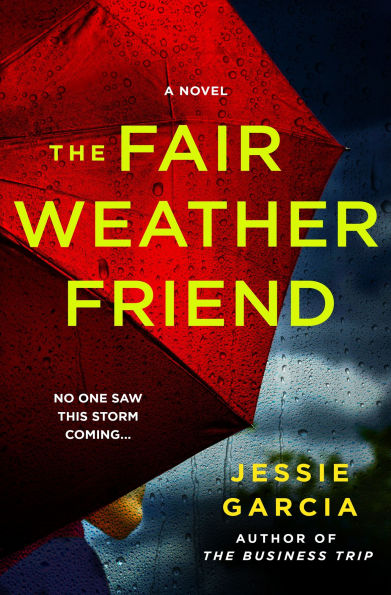
The Fair Weathered Friend by Jessie Garcia
Faith Richards built her career on approachability. As a local TV meteorologist, she was familiar, reassuring and impossible to dislike … or so everyone thought. Garcia’s multi-POV structure reveals how public warmth can mask deep resentment, professional envy and private grudges. When Faith is murdered, the investigation exposes not a single clear villain, but a web of motivations that feel uncomfortably understandable. Garcia’s pacing is brisk and controlled, letting each perspective complicate the last. The result is a thriller that questions the cost of being perpetually pleasant … and who benefits from that performance.
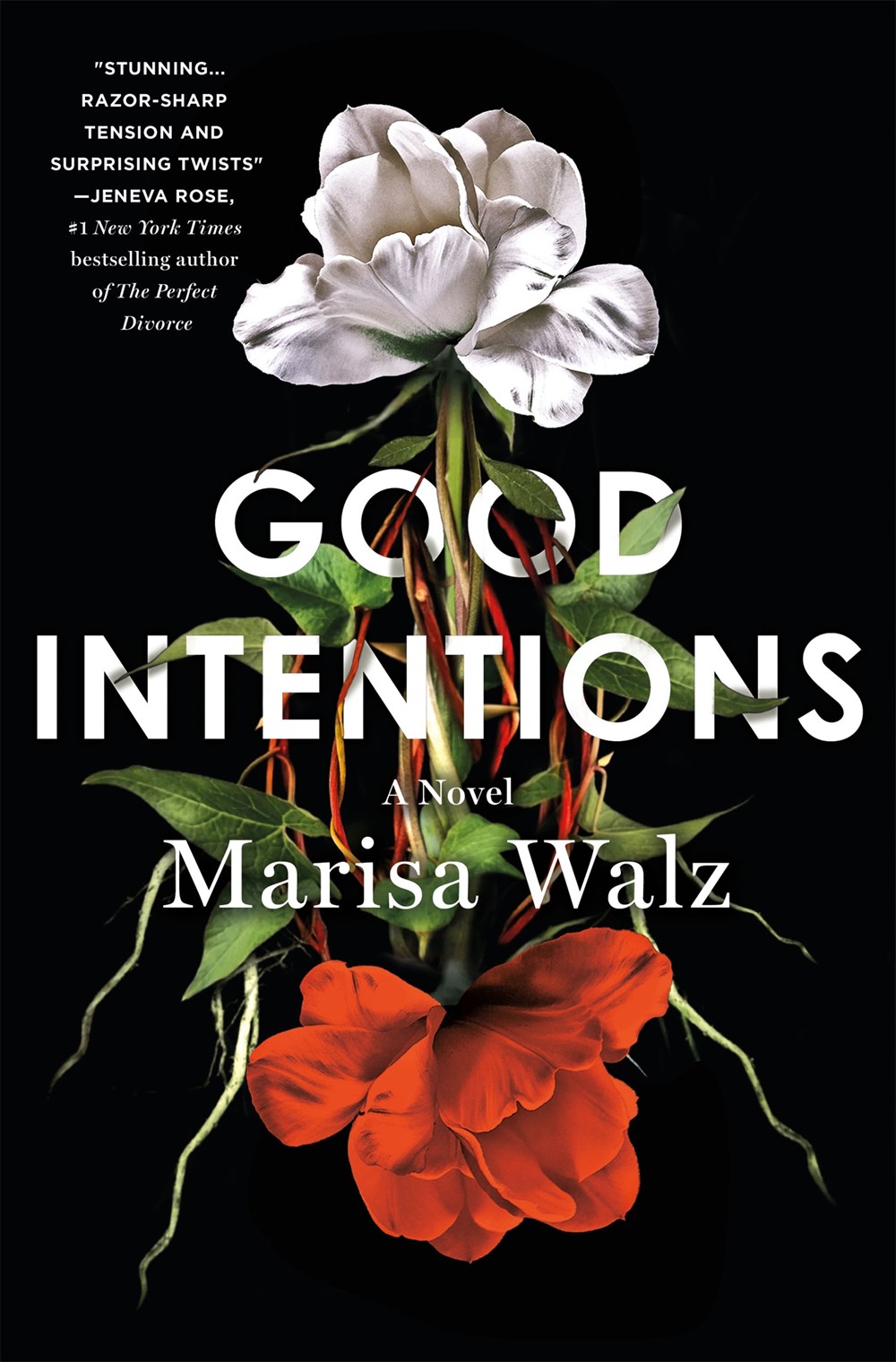
Good Intentions by Marisa Walz
Walz’s debut is the quietest novel on this list … and arguably the most disturbing. After losing her twin sister, Cady becomes fixated on Morgan, a grieving stranger she met in a hospital waiting room. What begins as empathy slowly curdles into something possessive, driven by Cady’s need to impose meaning on her loss. Walz handles this psychological descent with precision, never sensationalizing grief or obsession. Instead, she explores how easily care becomes control and how moral certainty can be used to justify deeply unsettling behavior. This is suspense that operates internally, lingering long after the final page.