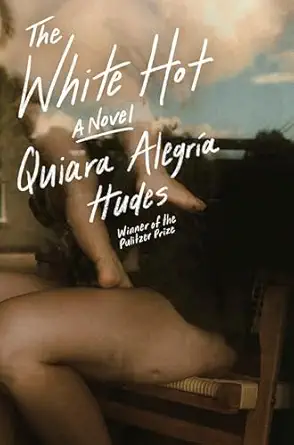
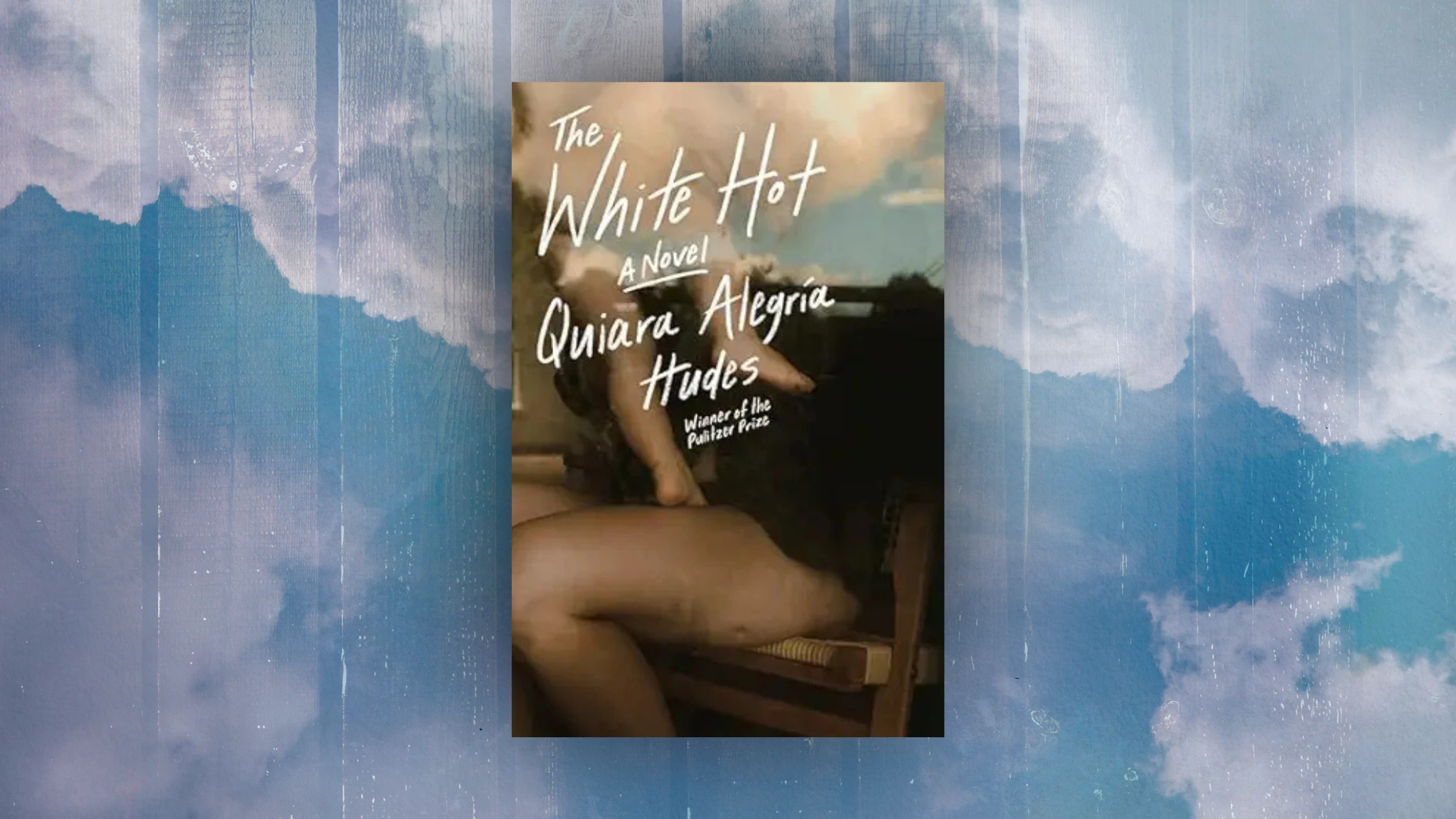
The White Hot by Quiara Alegría Hudes
In her debut novel, The White Hot, playwright and memoirist Quiara Alegria Hudes tackles the complexity of an emotion that few dare to explore: the explosive power of female rage.
The story is told in the form of a letter written by a mother to her daughter on her 18th birthday. The letter is an explanation from a mother who abandoned her daughter on what started as a ten-day journey towards self-discovery. It is a letter filled with hope for forgiveness, but it is not a letter filled with regret.
Hudes tells a complicated story of womanhood and the built-up rage it takes to break down harmful generational cycles.
Like Mother Like Daughter
The White Hot follows April Soto, a young mother raising her daughter in a multi-generational Philly-Rican household with her mamá and her abuela.
This household of women is plagued by the men who have left them without a second thought. It has made Abuela Omara and Mamá Suset subservient and submissive. It has made April and her daughter, Noelle, angry.
April has long tried to bottle up her rage. She watches her grandmother shamelessly cater to her every need, and her daughter grow up an intelligent young girl seemingly destined to throw her life away, just like April did.
After one explosive dinner, April can’t stand it anymore. She runs away, setting off on a ten-day journey that changes the lives of the Soto women forever.
The Weight of the Title: Mom
The White Hot tells the story of female suffering and male privilege in a way that is as obvious as a punch in the face, yet as subtle as walking past someone that you used to know.
Hudes portrays generational trauma through the contrast between the Soto women’s submission and their rageful rebellion.
April watches the men leave to find themselves a nice, happy life, while the women are stuck with no chance of self-discovery, their selves already consumed by the needs of those around them. Even after April runs away, she is burdened by guilt, another thing that men seem immune to.
A Mother’s Coming-of-Age
April refers to her anger as a white hot flash that overcomes her and takes control. Her anger raises the stakes. One wrong move and she will dare to break that cycle like the many noses she has broken in the schoolyard. April barrels through life like a tornado; her only hope is that this destruction can lead to new growth.
It is this white hot anger that leads April on a journey across Pennsylvania, where she finds what it means to live.
Through April, Hudes proves that a mother can still have a coming-of-age. She discovers a life outside of the one that seems to haunt her. She discovers herself in nature, music, sex and books. Once this discovery begins, it cannot be stopped.
White Hot Rage
Hudes’s writing is lyrical, violent and raw. She manages to make April and Noelle’s anger a tangible thing, as if it were a fully formed character in the story. It has a mind of its own, and it is hell-bent on wreaking havoc everywhere it goes. The anger consumes April in a powerful physical sensation that Hudes describes in a way that will unleash a long-forgotten primal sense within you.
The White Hot is a complex story that is entirely morally gray. It is a story of reclamation, but also of sacrifice and the good, the bad and the ugly that can come from finding yourself.
When have you ever found yourself rooting for the mother who abandons her child to go off on her own? In April Soto’s story, you just might.
About Quiara Alegría Hudes:
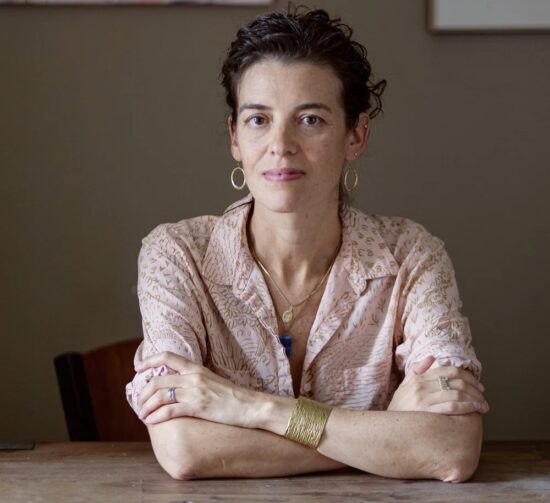
Photo by Emma Pratte.
Quiara Alegría Hudes is a Pulitzer Prize–winning playwright, essayist, and author whose work bridges theater, literature, music, and spirit. Her plays and musicals, including Water by the Spoonful, Elliot, A Soldier’s Fugue, and In the Heights (Tony Award for Best Musical), have been performed around the world. Her acclaimed memoir, My Broken Language, was longlisted for the Andrew Carnegie Medal and featured on numerous “Best of 2021” lists. Her debut novel, The White Hot (November release), earned a starred Kirkus review calling it a “staggering gut punch.” A trained composer and pianist, Hudes has collaborated with artists such as Lin-Manuel Miranda, Michel Camilo, and The Cleveland Orchestra. Her essays have appeared in The New York Times, The Washington Post, The Cut, and The Nation. Co-founder of the Emancipated Stories prison writing program, Hudes hails proudly from West Philadelphia and writes where rhythm, language, and lineage converge.