It’s easy to feel overwhelmed by the sheer scale of the climate crisis — melting ice caps, raging wildfires, record-breaking heat. But understanding climate change means more than analyzing data points or scrolling through headlines. It means grappling with how we got here, imagining what comes next, and rethinking our place in the world we share.
These books do exactly that. From sweeping scientific overviews and radical reimaginings of the planet’s future to deeply human stories of resilience, innovation and hope, they each offer a way to engage with the crisis — and to see possibility within it. Whether you’re looking for practical steps, moral clarity or a new way to envision life on a warming planet, these reads will expand both your knowledge and your imagination.
Because addressing climate change isn’t just about survival — it’s about transformation.
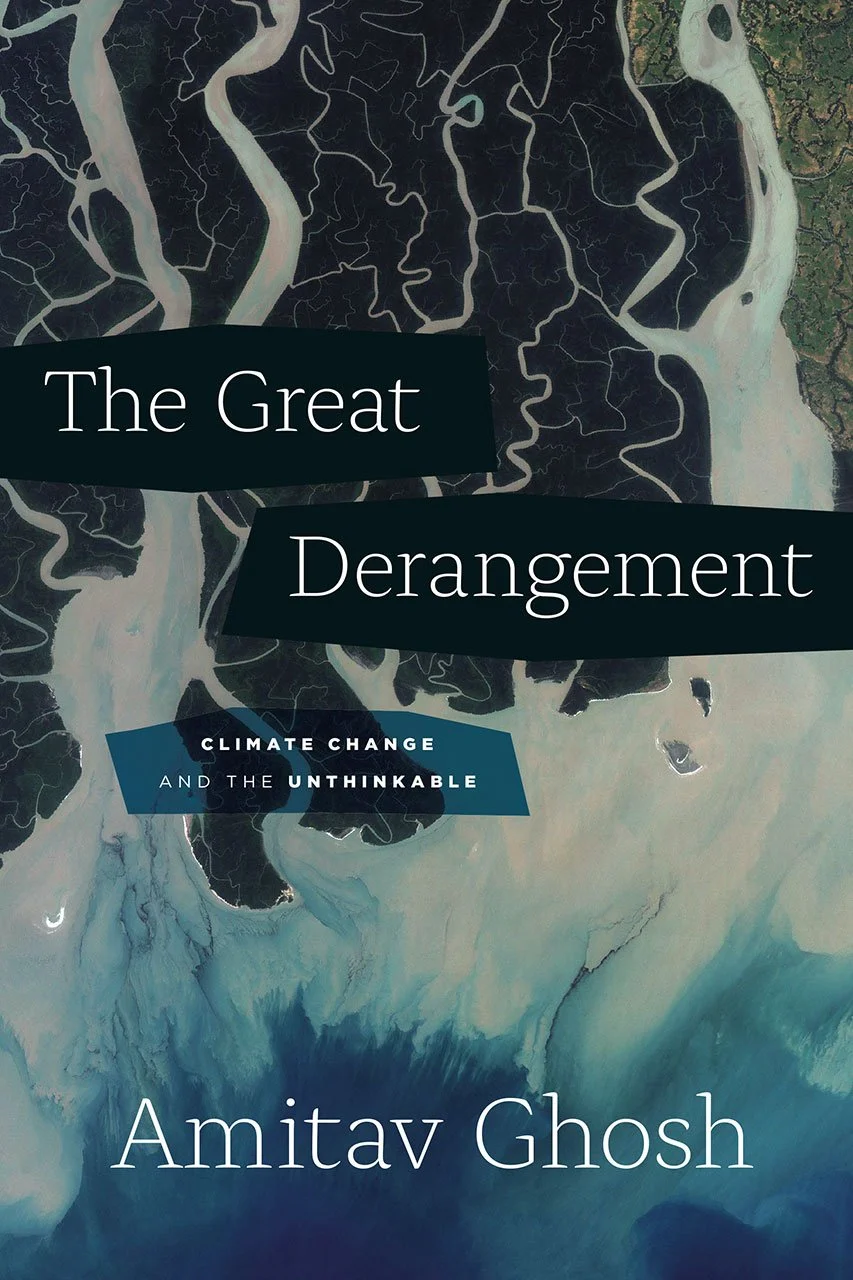
Amitav Ghosh by The Great Derangement: Climate Change and the Unthinkable
If you’ve ever wondered why we can’t seem to wrap our heads around the scale of climate change, Amitav Ghosh has an unsettling answer: maybe our imaginations are failing us. In The Great Derangement, the acclaimed novelist and thinker examines how literature, politics and history have all fallen short in capturing the true magnitude and violence of the climate crisis.
Ghosh argues that the modern novel has trained us to focus on the individual, not the collective — and that this narrow lens makes it nearly impossible to tell the sprawling, planetary story of global warming. The same goes for politics: we keep moralizing instead of mobilizing.
Part literary critique, part manifesto, The Great Derangement reframes climate change as not just an environmental emergency, but a cultural one. It’s a call to expand how we think, write and act — before the stories we tell become relics of a lost world.
Why it’s essential: Because understanding climate change means more than policy changes — it means reimagining the stories we live by.
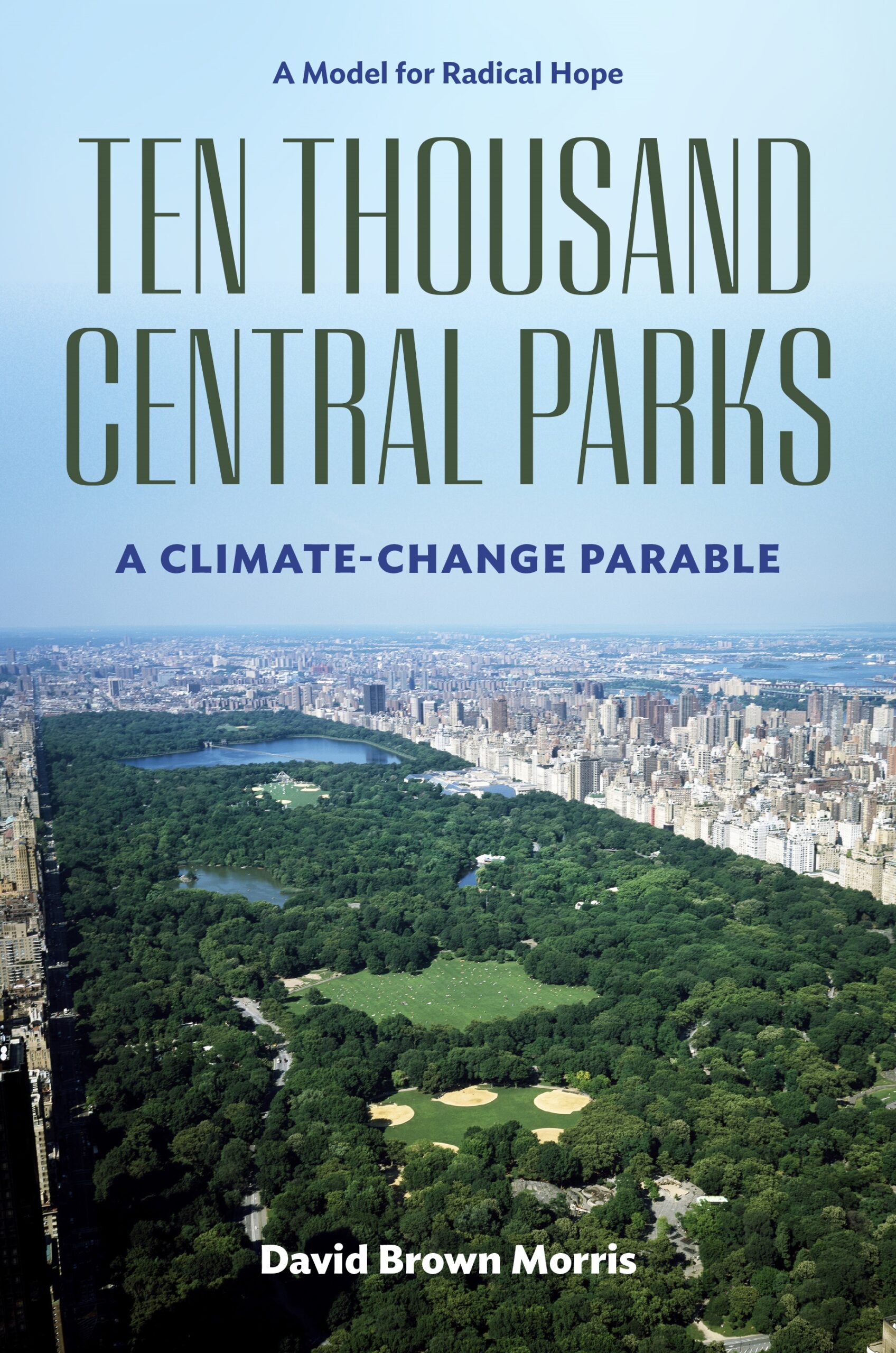
David Brown Morris by Ten Thousand Central Parks: A Climate-Change Parable
When it comes to climate change, despair is easy — action is harder. Peter Brown Morris’s Ten Thousand Central Parks argues for the latter, turning the history of New York’s most iconic green space into a blueprint for environmental hope.
Through the story of how Frederick Law Olmsted and Calvert Vaux transformed a chaotic, polluted stretch of land into an urban oasis, Morris shows that even in times of crisis, large-scale ecological change is possible. Central Park’s 18,000 trees still absorb nearly a million pounds of carbon each year — proof that visionary public works can outlast politics and shape the planet for good.
Why it’s essential: A reminder that climate solutions aren’t just scientific — they’re imaginative, collective and entirely within our reach.
Bill McKibben by Here Comes the Sun: A Last Chance for the Climate and a Fresh Chance for Civilization
Climate change may feel unstoppable — but Bill McKibben argues we’re standing at the most hopeful crossroads yet. In Here Comes the Sun, one of the original voices of the environmental movement shows how renewable energy is no longer a dream, but a revolution already underway.
McKibben chronicles the rise of solar and wind power as the cheapest, fastest-growing energy sources on Earth — and the fossil fuel industry’s frantic attempts to slow them down. From local solar co-ops to global policy shifts, he makes the case that this transition isn’t just about survival — it’s about creating a fairer, more humane world built on shared power.
Why it’s essential: A dose of grounded optimism from one of climate activism’s clearest voices — proof that our best future is already in motion.

Georgina Wilson-Powell by 365 Ways to Save the Planet: A Day-by-day Guide to Sustainable Living
Saving the planet doesn’t have to mean overhauling your entire life. Georgina Wilson-Powell’s 365 Ways to Save the Planet breaks big environmental goals into bite-sized daily actions you can actually stick to.
Each tip comes with an “Impact Index” that shows how small choices — like swapping products, rethinking travel or cutting energy use — add up to real change. It’s a year-long guide to greener living that proves sustainability doesn’t have to be stressful to be effective.
Why it’s essential: Because climate action starts with what you do every day — and this book makes it doable.
David Wallace-Wells by The Uninhabitable Earth: Life After Warming
“It is worse, much worse, than you think.” With that chilling opening, David Wallace-Wells lays out a vision of our future shaped by rising seas, climate wars, mass displacement and economic collapse — and forces us to confront just how close that future really is.
Part warning, part wake-up call, The Uninhabitable Earth turns data into gripping storytelling, exploring how global warming will reshape politics, technology and even what it means to be human. Wallace-Wells doesn’t sugarcoat the science — but he also insists that the same generation that drove us to the brink still has the power to pull us back.
Why it’s essential: Because understanding the stakes is the first step toward changing them.
Ayana Elizabeth Johnson & Katharine K. Wilkinson by All We Can Save: Truth, Courage, and Solutions for the Climate Crisis
Climate change isn’t just a science problem — it’s a leadership one. All We Can Save spotlights the women reshaping what climate action looks like: collaborative, creative and rooted in care.
This powerful collection gathers essays, poetry and art from scientists, farmers, activists and innovators who are redefining what it means to fight for the planet. Together, they offer not only solutions, but hope — a roadmap for change that’s as inclusive as it is urgent.
Why it’s essential: Because saving the world takes everyone — and this book shows what happens when everyone finally gets a seat at the table.
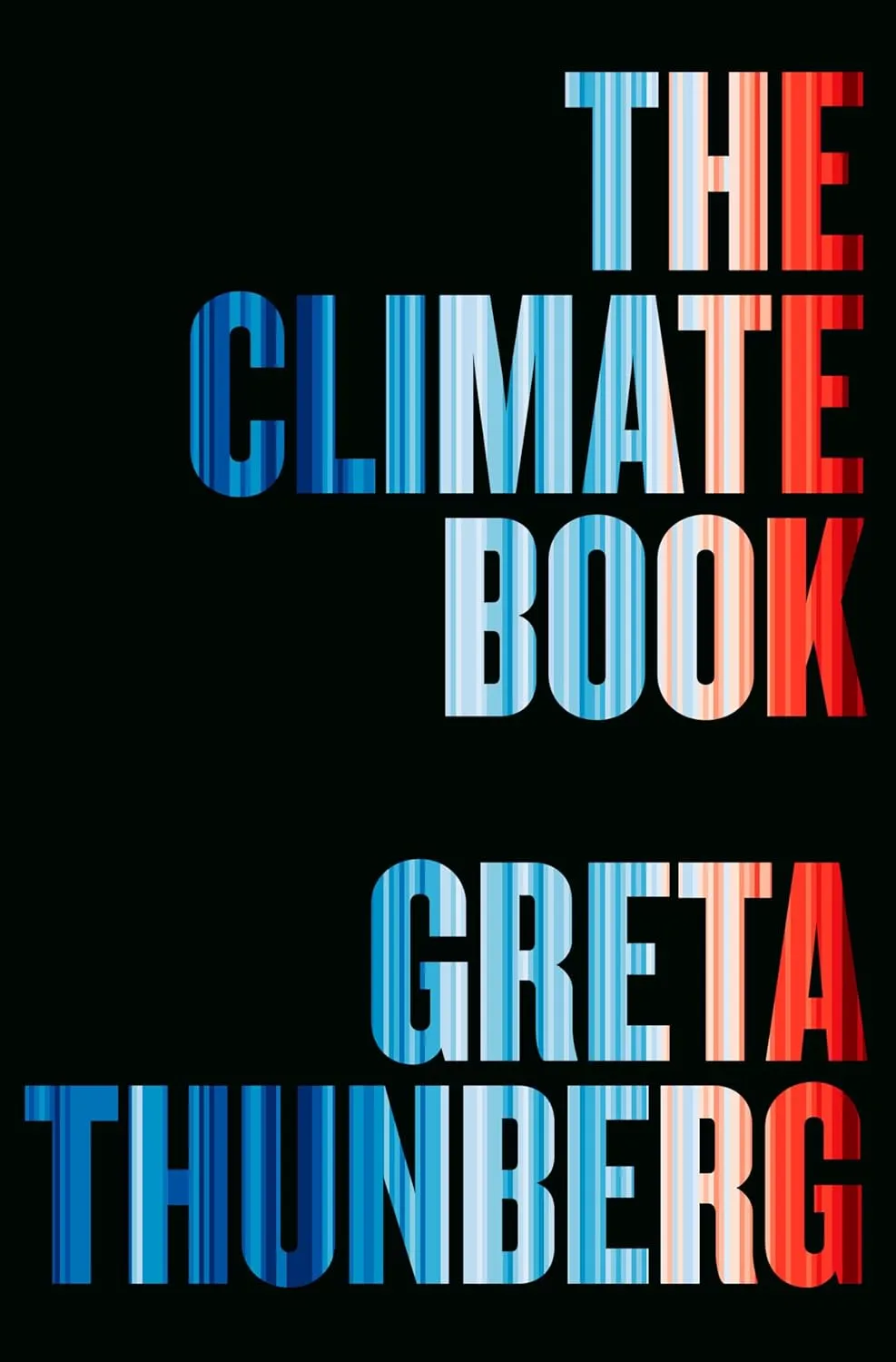
Greta Thunberg by The Climate Book: The Facts and the Solutions
You might think saving the planet is an impossible task — but Greta Thunberg refuses to believe that. In The Climate Book, the global climate activist gathers the voices of more than a hundred experts — from geophysicists and oceanographers to Indigenous leaders and philosophers — to paint the clearest picture yet of what’s happening to our world, and what can still be done.
This sweeping collection explores the systems — economic, political and cultural — that keep us stuck. Thunberg also shares her own experiences exposing greenwashing and confronting global leaders, reminding readers that real change begins when we stop looking away.
Equal parts manual and manifesto, The Climate Book turns overwhelming data into empowerment, showing that when we understand the crisis, we can’t help but act.
Why it’s essential: Because knowledge is power — and this book gives you the tools, urgency and hope to use it.

Alan Weisman by The World Without Us
What would happen to Earth if humans suddenly disappeared? In The World Without Us, Alan Weisman takes readers on a fascinating, sometimes haunting tour of a post-human planet — one where cities crumble, forests reclaim the suburbs and nature rewrites the story we’ve been telling for centuries.
Drawing on insights from scientists, engineers, artists and even spiritual leaders, Weisman explores what parts of human civilization would vanish — and which might linger as our final legacy. The result is an unforgettable meditation on impermanence, ecology and what our impact really means in the long run.
Why it’s essential: Because imagining a world without us might be the best way to understand the one we still have the power to save.